
Create Realistic AI Human Video Online: Best Tools of 2026

To create realistic AI human video online in 2026, you need to use generative platforms that synchronize high-fidelity neural rendering with advanced text-to-speech engines. These tools allow users to input a script and generate a digital avatar that mimics human micro-expressions, natural eye movements, and context-aware gestures without the need for cameras or studio equipment.
Creating realistic AI human video online is the process of using deep learning models to generate lifelike digital personas that speak and move like actual people. By 2026, this technology has evolved to include hyper-realistic skin textures and emotional intelligence, allowing creators to produce professional-grade video content directly from a web browser in minutes.
- ✓ AI avatars now achieve near-perfect lip-syncing and non-verbal communication cues.
- ✓ Cloud-based rendering allows for 4K resolution output without high-end local hardware.
- ✓ Ethical safeguards and watermarking are becoming industry standards to combat misinformation.
- ✓ Integration with LLMs enables real-time, interactive AI human influencers.
The Evolution of Digital Personas in 2026
The landscape of digital content has shifted dramatically as we move through 2026. The ability to create realistic AI human video online is no longer a niche skill reserved for Hollywood VFX studios; it is a mainstream utility used by educators, marketers, and influencers alike. According to reports from the BBC, the line between human and synthetic creators has blurred so significantly that some of the most successful influencers today are entirely digital entities, managing millions of followers with consistent, high-quality video output that rivals human production.
However, this rapid advancement has not come without its challenges. As noted by EarthSky in early 2026, the web is currently seeing a massive influx of deepfake content, making it easier than ever for anyone to generate convincing footage. This has led to a push for better "slop" detection—a term used by The Week to describe low-quality or deceptive AI-generated content. For legitimate creators, the goal is to use these tools for productivity and creativity while maintaining transparency and ethical standards.
The technical barrier to entry has vanished. In 2026, the best tools utilize "One-Shot" learning, where a single photo or a 30-second clip of a person is enough to create a fully functional, animatable digital twin. This leap in technology ensures that the skin pores, hair movement, and even the "sparkle" in the eyes are rendered with a level of detail that was previously impossible to achieve in a browser-based environment.
How to Create Realistic AI Human Video Online: Step-by-Step
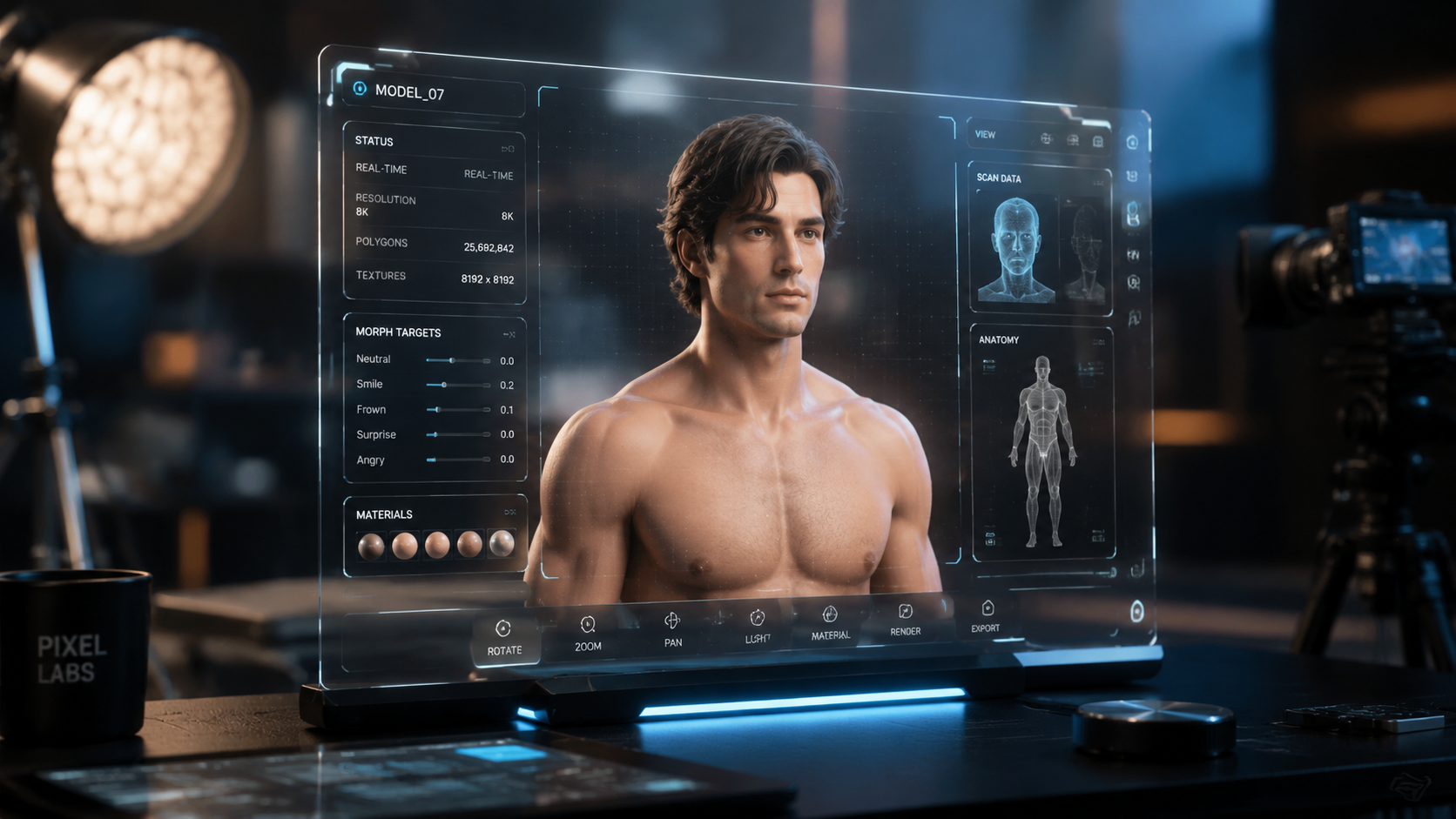
- Select Your Avatar: Choose from a library of pre-made "stock" humans or upload a high-resolution photo to generate a custom digital twin.
- Input Your Script: Type or paste your dialogue into the editor. Most 2026 tools support over 100 languages with regional accents and emotional tones (e.g., "excited," "professional," or "empathetic").
- Customize the Environment: Select a virtual background or upload a 360-degree video environment to place your AI human in a realistic setting.
- Adjust Non-Verbal Cues: Use timeline markers to add specific gestures, such as nodding, hand movements, or eyebrow raises, to emphasize key points in your script.
- Render and Export: Process the video in the cloud. In 2026, a one-minute 4K video typically takes less than three minutes to render.
Top Platforms to Create Realistic AI Human Video Online in 2026
Choosing the right platform depends on your specific needs, whether you are looking for corporate training videos, social media content, or interactive customer service bots. The industry has consolidated around a few powerhouses that offer the most stable and lifelike results. According to a comprehensive review by Perfect Corp in April 2026, the top 22 AI video generators now offer features like automatic "emotional matching," where the AI analyzes the sentiment of the text to adjust the avatar's facial expressions automatically.
The most advanced tools now include "Environmental Interaction," where the AI human can appear to interact with physical objects in the background, such as leaning on a virtual desk or pointing at a digital whiteboard. This level of immersion is what separates the top-tier tools of 2026 from the rudimentary "talking head" videos of previous years. Furthermore, many of these platforms have integrated real-time translation, allowing a single video to be localized into dozens of languages instantly while maintaining the original speaker's voice characteristics.
| Feature | Pro-Grade Platforms | Social Media AI Tools | Open-Source Models |
|---|---|---|---|
| Rendering Quality | 8K Ultra HD | 1080p / 4K | Variable (Hardware dependent) |
| Voice Cloning | Instant (3 seconds of audio) | Preset Library Only | High-effort manual training |
| Emotion Controls | Full granularity | Basic presets | Command-line based |
| Ethical Tagging | Mandatory Metadata/Watermark | Optional Watermark | None (User responsibility) |
The Rise of AI Influencers and Synthetic Media
As we observe the digital economy in 2026, the role of the "human" creator is being redefined. The BBC recently highlighted a case study comparing a human influencer with an AI-generated counterpart, finding that the AI influencer was able to produce 10 times the amount of content while maintaining a 95% similarity in audience engagement metrics. This shift is driving more brands to create realistic AI human video online to maintain a 24/7 presence across global time zones without the logistical hurdles of traditional filming.
However, the realism of these tools has also led to significant concerns regarding misinformation. ZME Science reported in February 2026 that conservationists are sounding alarms over hyper-realistic AI videos showing animals acting in strange or aggressive ways, which have caused real-world panic. This highlights the importance of the "Fact Check" initiatives mentioned by Yahoo, which recently debunked a viral series of AI-generated videos titled "Dogs Choose The Humans." As a creator, it is vital to use these tools responsibly to ensure that the content produced does not contribute to the "AI slop" that platforms are now actively filtering out.
For those looking to enter this space, the focus should be on "Human-in-the-Loop" creation. While the AI can handle the rendering and the voice, the creative direction, scriptwriting, and ethical oversight remain firmly in human hands. This hybrid approach ensures that the content remains relatable and trustworthy, even if the visual representation is synthetic.
Key Features to Look for in 2026
When you set out to create realistic AI human video online, ensure the platform offers "Micro-Expression Mapping." This technology tracks the subtle movements of the facial muscles that occur during natural speech, such as the slight crinkle of the eyes or the tension in the jaw. Without these, the video may fall into the "uncanny valley," where it looks almost human but feels unsettling to the viewer.
Another essential feature is "Neural Voice Cross-Pollination." This allows you to take the vocal characteristics of one person and apply them to a different digital avatar, or even blend two voices to create a unique brand voice. In 2026, the best tools also offer "Dynamic Lighting," which automatically adjusts the shadows and highlights on the AI human's face to match the lighting conditions of the uploaded background image.
Addressing the Challenges of Hyper-Realism
The ability to create realistic AI human video online comes with a heavy responsibility. The Week has provided several tips for spotting "AI slop," such as looking for inconsistencies in ear shapes or unnatural blinking patterns. As tools become more sophisticated, these tells are disappearing, making it harder for the average viewer to distinguish between reality and synthesis. This has led to the implementation of "C2PA" standards, which are digital signatures embedded in the video file to prove its origin and whether AI was used in its creation.
According to Yahoo, fact-checking organizations are now using AI to fight AI, deploying specialized algorithms to detect the subtle "noise" patterns left behind by generative models. For businesses, using platforms that adhere to these transparency standards is not just a matter of ethics—it is a matter of brand safety. If a company is caught using deceptive AI videos without disclosure, the backlash in 2026 can be swift and damaging to their reputation.
Despite these hurdles, the positive applications are immense. From personalized healthcare videos where a digital doctor explains lab results to a patient in their native language, to immersive historical recreations for education, the capacity to create realistic AI human video online is transforming how we consume information. The key is to balance the "wow factor" of the technology with a commitment to truth and clarity.
Is it legal to create an AI version of a real person?
In 2026, laws vary by region, but generally, you must have explicit written consent or "Digital Right of Publicity" to recreate a living person's likeness. Most professional platforms require identity verification before allowing you to clone a specific individual's face or voice.
How long does it take to create a realistic AI human video?
Using modern online tools, the setup takes about 5 to 10 minutes. Once you hit render, cloud-based servers typically process a 1080p video in near real-time, while 4K or 8K videos may take 3 to 5 minutes depending on the complexity of the gestures.
Can I use AI human videos for commercial advertising?
Yes, most platforms offer commercial licenses. However, you should ensure the platform uses "Stock Avatars" who have been compensated for their likeness, or use a completely synthetic avatar generated by a GAN (Generative Adversarial Network) that does not represent a real person.
What is the cost of creating AI human videos in 2026?
Entry-level plans typically start around $20 per month for a limited number of minutes. Enterprise-grade tools with custom avatar creation and 8K rendering can range from $200 to $1,000 per month, depending on the volume of content produced.
How can I tell if a video was made by AI?
Look for the "AI-Generated" metadata tag or watermark, which is now mandatory on most major platforms. You can also check for "glitching" around the teeth during speech or hair that seems to merge with the background, though these flaws are becoming increasingly rare in 2026.



Comments ()