
How to Create Marketing Videos with AI in 2026: A Guide
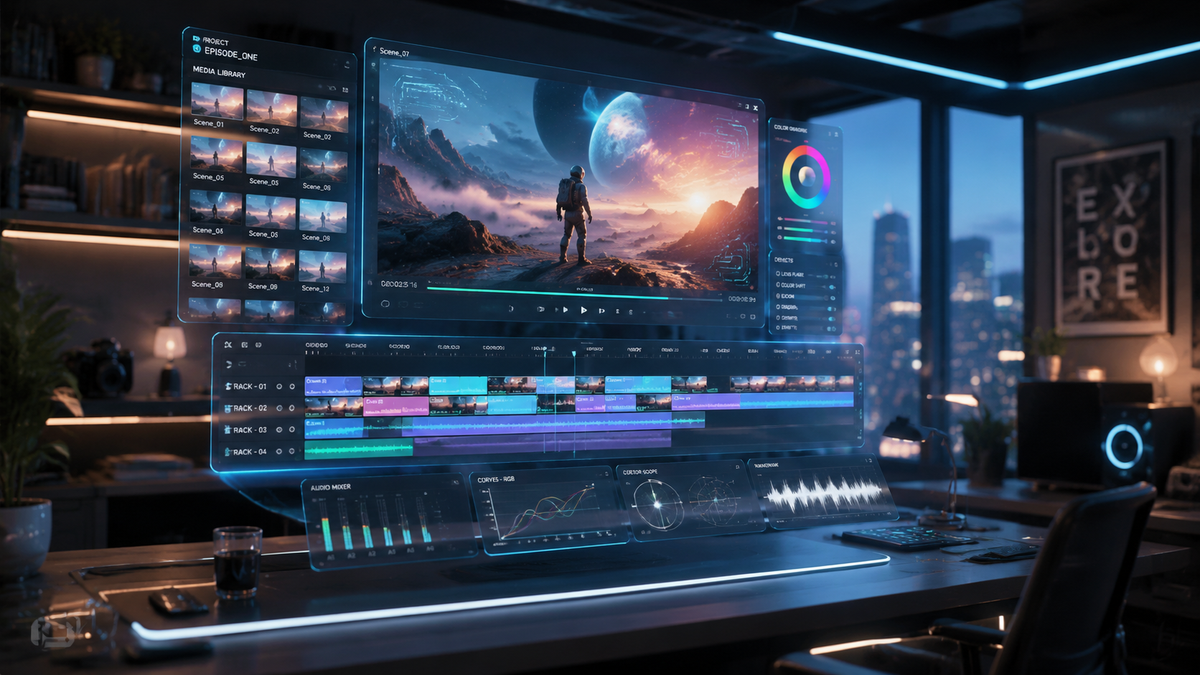
To create marketing videos with AI in 2026, you must integrate specialized tools like MakeInfluencer for digital avatars, Xelta AI for rapid generation, and URL-to-Video converters to transform product links into high-quality visual assets. This process involves selecting a core video model, customizing AI-generated "stars" with lip-sync technology, and refining the output to ensure it maintains brand authenticity. By leveraging these generative engines, marketers can reduce production time from weeks to minutes while maintaining a high level of visual fidelity.
AI video creation is a generative process where machine learning models—such as Veo or Xelta—transform text prompts, URLs, or static images into professional marketing content. In 2026, this technology has evolved to include "AI Stars" with perfect lip-syncing and automated product-to-video pipelines, allowing brands to scale content production across social platforms with minimal manual editing.
- ✓ Use URL-to-Video platforms to instantly convert e-commerce links into promotional ads.
- ✓ Deploy custom AI brand ambassadors using MakeInfluencer for consistent, 24/7 content presence.
- ✓ Balance efficiency with authenticity to address the fact that 83% of consumers can now identify AI-generated visuals.
- ✓ Utilize free-tier generators like Xelta AI for rapid prototyping before committing to high-resolution renders.
- ✓ Prioritize human-in-the-loop editing to maintain brand trust, as 36% of consumers report lower trust in purely automated content.
Step-by-Step: How to Create Marketing Videos with AI
The landscape of digital marketing has shifted significantly in 2026. No longer do brands need massive crews for simple social media updates. Instead, the focus has moved toward "Generative Storytelling," where the AI acts as the cinematographer, editor, and even the actor. To successfully create marketing videos with AI, you must follow a structured workflow that ensures your message isn't lost in the automation.
- Define Your Objective and Source Material: Start by identifying the goal of your video. If you are promoting a specific product, use a "URL To Video" platform to pull data, images, and pricing directly from your website.
- Select Your AI Avatar or "Star": Use services like MakeInfluencer to deploy a custom AI star. These digital entities utilize Veo and advanced lip-sync technology to deliver your script with human-like nuance.
- Generate the Script and Storyboard: Input your core marketing message into a generative text-to-video engine. Platforms like Social Media Examiner suggest that high-quality content starts with a prompt that specifies lighting, camera angles, and emotional tone.
- Apply Xelta AI for Rapid Rendering: If you are on a budget or need quick iterations, utilize Xelta AI's free generator to create the base footage. This allows for fast testing of different visual styles.
- Refine and Humanize: Review the AI output for "uncanny valley" effects. Given that a large majority of consumers can spot AI, add a "human touch" through custom voiceovers or specific brand-aligned color grading.
- Distribute and Analyze: Export your video in multiple aspect ratios (9:16 for TikTok/Reels, 16:9 for YouTube) and track engagement to see which AI styles resonate best with your audience.
The Evolution of AI Video Tools in 2026

By mid-2026, the market for video generation has split into two distinct categories: rapid-response tools and high-fidelity brand engines. Tools like Xelta AI have democratized the ability to create marketing videos with AI for small businesses by offering free, high-speed generation. These tools are essential for "moment marketing," where a brand needs to respond to a trend within hours rather than days. The focus here is on speed and accessibility, ensuring that even non-technical users can produce viable content.
On the other end of the spectrum, we see the rise of sophisticated platforms like MakeInfluencer. These services leverage the latest Veo models to create "AI Stars"—digital brand ambassadors that are unique to a company. Unlike the generic avatars of 2024, the 2026 versions feature perfect lip-syncing and micro-expressions that were previously impossible. This allows for a level of personalization in marketing that feels intimate and direct, though it requires a more strategic approach to prevent the content from feeling "too synthetic."
URL-to-Video: The New E-commerce Standard
One of the most significant breakthroughs in 2026 is the mainstream adoption of URL-to-Video technology. As reported by 24-7 Press Release Newswire, these platforms allow marketers to simply paste a product link and receive a fully edited video in return. The AI scrapes the product page for the best images, descriptions, and price points, then arranges them into a high-converting video template. This has effectively eliminated the bottleneck for e-commerce brands with thousands of SKUs that previously couldn't afford to make a video for every item.
Comparing AI Video Generation Platforms in 2026
Choosing the right tool is critical for your ROI. Below is a comparison of the leading technologies available this year to help you create marketing videos with AI effectively.
| Feature | MakeInfluencer (Veo) | Xelta AI | URL To Video Platforms |
|---|---|---|---|
| Primary Use | Custom Brand Ambassadors | Rapid Content Creation | E-commerce Product Ads |
| Key Technology | Lip-Sync & Custom Avatars | Fast Latent Diffusion | Web-Scraping & Auto-Editing |
| Cost Tier | Premium / Enterprise | Free / Freemium | Subscription Based |
| Best For | Influencer Marketing | Social Media Trends | High-Volume Retail |
Addressing the Trust Gap: Authenticity in AI Marketing
While the ability to create marketing videos with AI has never been easier, it comes with a significant challenge: consumer skepticism. According to a 2026 report from Animoto, 83% of consumers can now accurately spot AI-generated videos. This heightened awareness has led to a "trust gap," with 36% of consumers stating that the use of AI lowers their overall trust in a brand. This suggests that the "set it and forget it" approach to AI video is no longer viable for high-stakes marketing campaigns.
To combat this, successful marketers in 2026 are using AI as a foundation rather than a finished product. Entrepreneur.com notes that the brands winning in this space are those that "adapt" by blending AI efficiency with human creativity. This might involve using AI for the background and environment while keeping a real human spokesperson, or using AI to generate the b-roll while the script is written by a human who understands the brand's unique voice. The goal is to use the technology to enhance the story, not to replace the soul of the brand.
Strategies for Maintaining Brand Trust
To ensure your AI-driven content doesn't alienate your audience, consider a "hybrid" production model. This involves using AI for the heavy lifting—such as color correction, initial storyboarding, and basic animation—while leaving the final creative decisions to human editors. Transparency is also becoming a trend; some brands are now using "Made with AI" watermarks as a badge of technological innovation rather than something to hide, which can actually build trust with tech-forward audiences.
Maximizing Engagement When You Create Marketing Videos with AI
Engagement in 2026 is driven by hyper-personalization. Because AI allows for the creation of thousands of variations of a single video, marketers are now practicing "Dynamic Creative Optimization" (DCO) at scale. You can create marketing videos with AI that change their background, language, and even the featured product based on the specific viewer's demographics or browsing history. This level of relevance was previously reserved for the world's largest advertisers but is now accessible to anyone with an AI video subscription.
Social Media Examiner highlights that the key to growing a business with AI video is "Easy Content." This means reducing the friction between an idea and a published post. By using AI to handle the technical aspects of video production—like audio leveling and subtitle generation—marketers can focus on the "hook" and the "call to action." In 2026, the most successful videos are those that feel native to the platform they are on, whether that’s a cinematic ad for a streaming service or a raw, "lo-fi" style video for a social feed.
The Role of Lip-Sync and "AI Stars"
The introduction of MakeInfluencer's "AI Stars" has changed the influencer marketing game. These stars can speak any language fluently, allowing a brand to launch a global campaign simultaneously in 50 different countries. According to Quasa.io, the integration of Veo’s video generation with advanced lip-syncing ensures that the audio and visual components are perfectly aligned, removing the "dubbed" look that plagued earlier AI attempts. This makes the content much more palatable for international audiences and increases the likelihood of viral success.
Is it expensive to create marketing videos with AI in 2026?
No, there are now many tiers of pricing available. While enterprise solutions like MakeInfluencer carry a premium, tools like Xelta AI offer free versions that allow small businesses to generate high-quality content with minimal investment.
Can AI videos be used for professional television ads?
Yes, the fidelity of AI video in 2026, particularly from models like Veo, is high enough for broadcast. However, most brands still use a human-led post-production process to ensure the final output meets strict technical standards.
How do I prevent my AI videos from looking "fake"?
The best way to avoid the "fake" look is to use high-quality lip-sync tools and to avoid over-smoothing the skin of AI avatars. Adding "organic" elements like real-world sound effects and varied pacing can also help the video feel more authentic.
Does Google penalize AI-generated video content?
Google prioritizes "helpful content" regardless of how it was created. As long as your AI-generated video provides value to the viewer and isn't used to manipulate search rankings, it will perform well in both traditional and generative search engines.
What is the fastest way to turn a product link into a video?
The fastest method is using a "URL To Video" platform. These tools automatically extract assets from your product page and generate a polished marketing video in under 60 seconds, which is ideal for social media advertising.
In conclusion, to create marketing videos with AI in 2026 requires a balance of cutting-edge technology and traditional marketing wisdom. By utilizing tools like Xelta AI for speed, MakeInfluencer for personality, and URL-to-Video for scale, you can stay ahead of the competition. However, always keep the Animoto statistics in mind: authenticity is your most valuable currency. Use AI to empower your creativity, not to replace the human connection that sits at the heart of every successful brand.



Comments ()