
Create Cinematic Videos with AI Technology: 2026 Guide
To create cinematic videos with ai technology in 2026, you must leverage multimodal generative models that synchronize high-fidelity physics with temporal consistency. By utilizing platforms like Seedance 2.0 or the latest industry-ranked generators, creators can transform text prompts or static images into 8K-resolution sequences that feature realistic lighting, complex character movements, and professional-grade color grading.
AI video generation is a transformative digital storytelling method where artificial intelligence models synthesize high-definition video frames based on natural language inputs. In 2026, this technology allows filmmakers to bypass traditional production bottlenecks by automating scene rendering, character animation, and environmental physics with cinematic precision.
- ✓ AI video generators now support full 8K resolution with 60fps temporal stability.
- ✓ Seedance 2.0 has emerged as a disruptive force in Hollywood for its realistic physics.
- ✓ Multimodal inputs (text-to-video and image-to-video) are now the industry standard.
- ✓ Real-time AI editing has reduced post-production timelines by up to 80%.
The Evolution of Digital Storytelling in 2026
As we navigate through 2026, the landscape of content creation has undergone a seismic shift. The ability to create cinematic videos with ai technology is no longer a niche skill reserved for tech enthusiasts; it is a foundational pillar of modern cinema and digital marketing. According to The AI Journal, AI video generation is fundamentally changing digital storytelling by allowing creators to visualize complex narratives that were previously cost-prohibitive. This democratization of high-end production means that independent creators can now compete with major studios in terms of visual fidelity.
The current year marks the "Era of Realism," where the uncanny valley has largely been bridged. We have seen instances that have both amazed and "spooked" the industry, such as the viral AI-generated sequence of Tom Cruise and Brad Pitt, which The New York Times reported as a turning point for Hollywood's perception of digital twins. These advancements are driven by massive neural networks that understand not just pixels, but the underlying laws of physics and human emotion.
How to Create Cinematic Videos with AI Technology: A Step-by-Step Guide
- Concept and Prompt Engineering: Start by defining your scene in a high-detail prompt. Include specific cinematic terms like "anamorphic flare," "shallow depth of field," and "low-angle tracking shot."
- Select Your AI Engine: Choose a platform based on your needs. For hyper-realistic human movements, Seedance 2.0 is currently the top-tier choice. For stylistic versatility, refer to the 2026 CNET rankings of top generators.
- Establish Visual Anchors: Upload a "seed image" or a character reference sheet to ensure consistency across multiple shots. This prevents the "morphing" effect common in earlier iterations of the technology.
- Generate and Iterate: Produce your initial 5-10 second clips. Use "Regional Prompting" to adjust specific areas of the frame without regenerating the entire scene.
- Post-Production Enhancement: Use AI-driven upscalers and frame interpolators to bring your footage to a native 8K resolution at 60fps for that smooth, cinematic look.
Top AI Video Generators of 2026 Compared
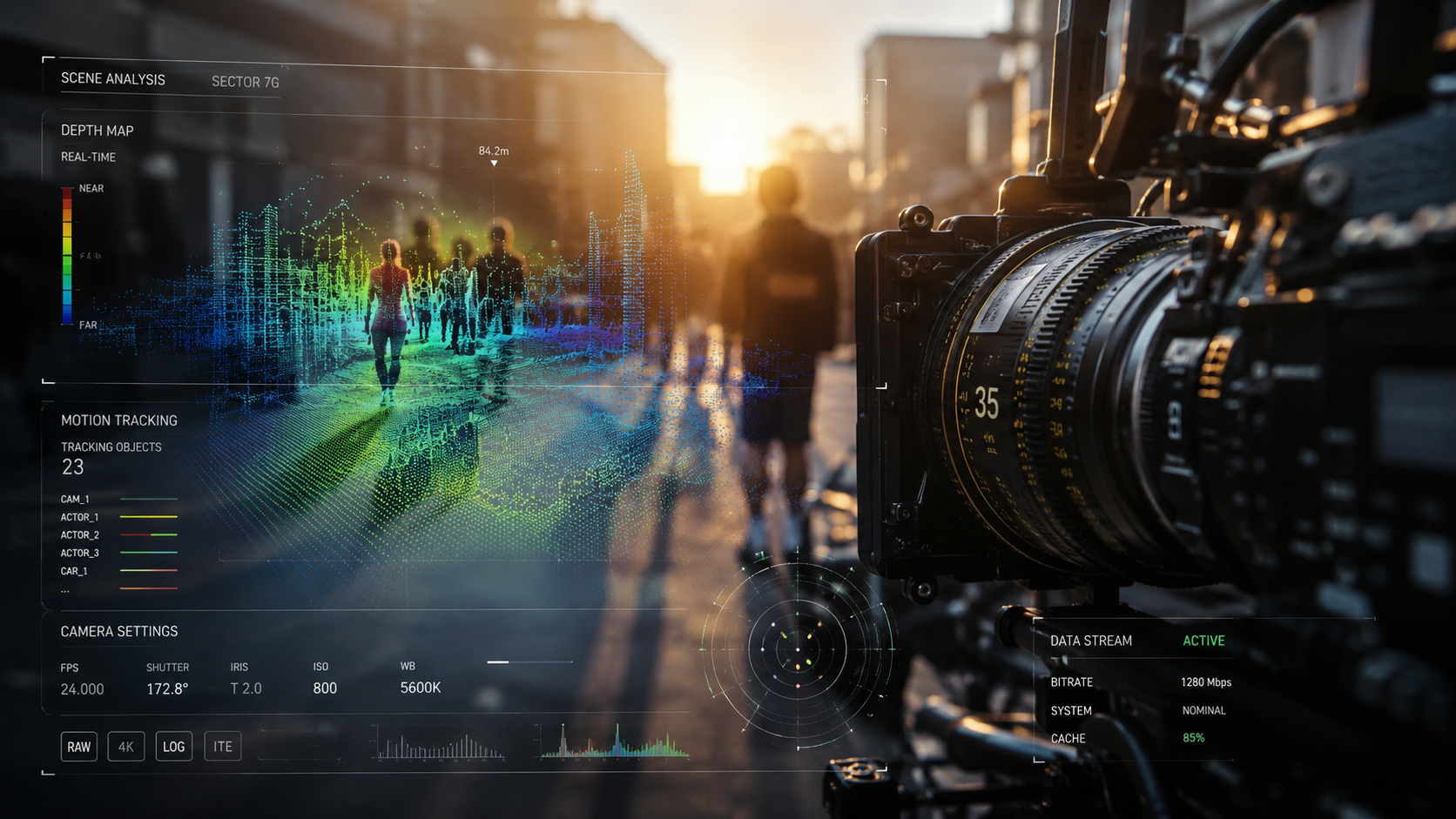
The market for video generation has become highly competitive, with various tools specializing in different aspects of the production pipeline. While some focus on rapid social media content, others are designed for the rigors of feature-film production. According to CNET, the "Best AI Video Generators of 2026" are ranked based on their temporal consistency, prompt adherence, and output resolution.
One of the most significant entries this year is Seedance. As reported by the BBC, Seedance is a Chinese AI application that has sent "Hollywood into a panic" due to its unprecedented ability to render realistic human skin textures and complex fluid dynamics. This tool, along with other leaders in the space, has made it possible to generate entire scenes that are indistinguishable from footage shot on a RED or Arri camera system.
| AI Tool | Primary Strength | Max Resolution | Key Feature (2026) |
|---|---|---|---|
| Seedance 2.0 | Hyper-Realism | 8K | Advanced Physics & Fluid Dynamics |
| CinematicAI Pro | Directorial Control | 4K | Virtual Camera Path Tracking |
| Visionary Gen | Stylized Animation | 4K | Multi-Character Consistency |
| StudioFlow | Workflow Integration | 8K | Real-time Collaborative Editing |
Advanced Techniques to Create Cinematic Videos with AI Technology
To truly master the art of AI cinematography, one must look beyond simple text prompts. The most successful creators in 2026 utilize "Multimodal Directing." This involves feeding the AI a combination of scripts, storyboards, and even audio cues to influence the pacing and mood of the generated video. By providing a "style reference" image, you can lock in a specific color palette and lighting setup, ensuring that every clip in your project feels like it belongs to the same film.
Another breakthrough technique is the use of "Motion Brushes." This feature allows creators to paint over specific areas of a static image to dictate where movement should occur. For example, you can keep a character perfectly still while making the trees in the background sway gently in the wind. This level of granular control is what separates amateur AI clips from professional cinematic sequences. As Variety noted, even acclaimed directors like Jia Zhangke have begun experimenting with these tools, using Seedance 2.0 to create poetic, AI-augmented visuals that challenge our traditional definitions of "the lens."
The Role of Physics and Lighting in AI Cinematography
In 2026, the best AI models no longer just "guess" what the next frame should look like; they simulate it. Modern engines incorporate light-transport algorithms that mimic how photons bounce off surfaces. When you create cinematic videos with ai technology today, the "Global Illumination" settings within the AI can accurately reflect the golden hour sun off a glass skyscraper or the flickering neon of a rain-soaked street. This adherence to physical reality is what provides the "weight" and "presence" required for cinematic immersion.
Overcoming Common Challenges in AI Video Production
Despite the rapid advancements, creators still face challenges such as "temporal flickering" or character "hallucinations" during long sequences. To combat this, professional workflows now include "Consistency Checkpoints." According to a technical review on Хабр, the top 12 AI video generators of 2026 now include features that allow users to lock a character's "seed" or DNA, ensuring they look identical from shot to shot. This is crucial for narrative storytelling where a protagonist must remain recognizable throughout a 90-minute runtime.
Furthermore, the integration of AI with traditional VFX (Visual Effects) software has become seamless. Many creators now generate their base environments using AI and then overlay 3D assets or live-action actors using "Neural Compositing." This hybrid approach offers the best of both worlds: the infinite imaginative potential of AI and the precise control of traditional filmmaking. This synergy is a primary reason why The AI Journal claims that AI is not replacing filmmakers, but rather giving them a "god-mode" toolkit for creativity.
Ethics and Authenticity in the Age of AI Cinema
As the barrier to entry drops, the industry is also grappling with the ethics of AI-generated content. The New York Times highlighted the "spooked" reaction of Hollywood executives not just because of the technology's power, but because of its implications for likeness rights and creative ownership. In 2026, many platforms have implemented "Digital Watermarking" and "C2PA" standards to verify the origin of content. For creators, staying ethical means using these tools to augment original ideas rather than infringing on the likeness of existing performers without consent.
The Future of AI-Driven Film Industry
Looking toward the latter half of 2026 and beyond, we expect to see "Generative Interactive Cinema," where the audience can influence the direction of a cinematic video in real-time. The technology used to create cinematic videos with ai technology is evolving from a pre-rendered medium into a live, generative experience. This will likely lead to a new genre of entertainment that sits somewhere between a high-end video game and a blockbuster movie.
The economic impact is also undeniable. Studies show that the cost of producing a high-fidelity cinematic trailer has dropped by nearly 90% since 2023. This allows small studios to allocate more budget toward writing and human performances, while the AI handles the heavy lifting of environmental rendering and complex simulations. As we have seen in the rankings from Хабр and CNET, the tools are becoming more accessible, more powerful, and more intuitive every month.
Frequently Asked Questions
What is the best AI video generator in 2026?
According to CNET and BBC reviews, Seedance 2.0 is currently considered the most powerful tool for cinematic realism, particularly for its lifelike human physics and 8K output. Other top contenders include StudioFlow for collaborative work and CinematicAI Pro for directorial control.
Can I create a full-length movie using only AI?
Yes, in 2026, it is possible to create a full-length feature by stringing together AI-generated scenes. However, most professionals use a hybrid approach, combining AI-generated visuals with human-led scripts and professional voice acting to ensure emotional depth.
Do I need an expensive computer to run these AI tools?
No, most high-end AI video generation in 2026 is cloud-based. You simply need a stable internet connection to send prompts to powerful remote servers, though some local "Neural Engines" on modern laptops can assist with real-time previews.
Is AI-generated video legal for commercial use?
Generally, yes, provided you use a commercial license from the software provider. However, you must ensure your content does not infringe on the likeness of real individuals or copyrighted intellectual property, as highlighted by recent New York Times reports.
How long does it take to generate a 10-second cinematic clip?
With 2026 technology, a high-quality 10-second clip typically takes between 2 to 5 minutes to render on premium platforms. Real-time "draft mode" previews are often available instantly to help you refine your prompts before the final render.



Comments ()