
Best Cinematic Photo Animation AI Tools for 2026
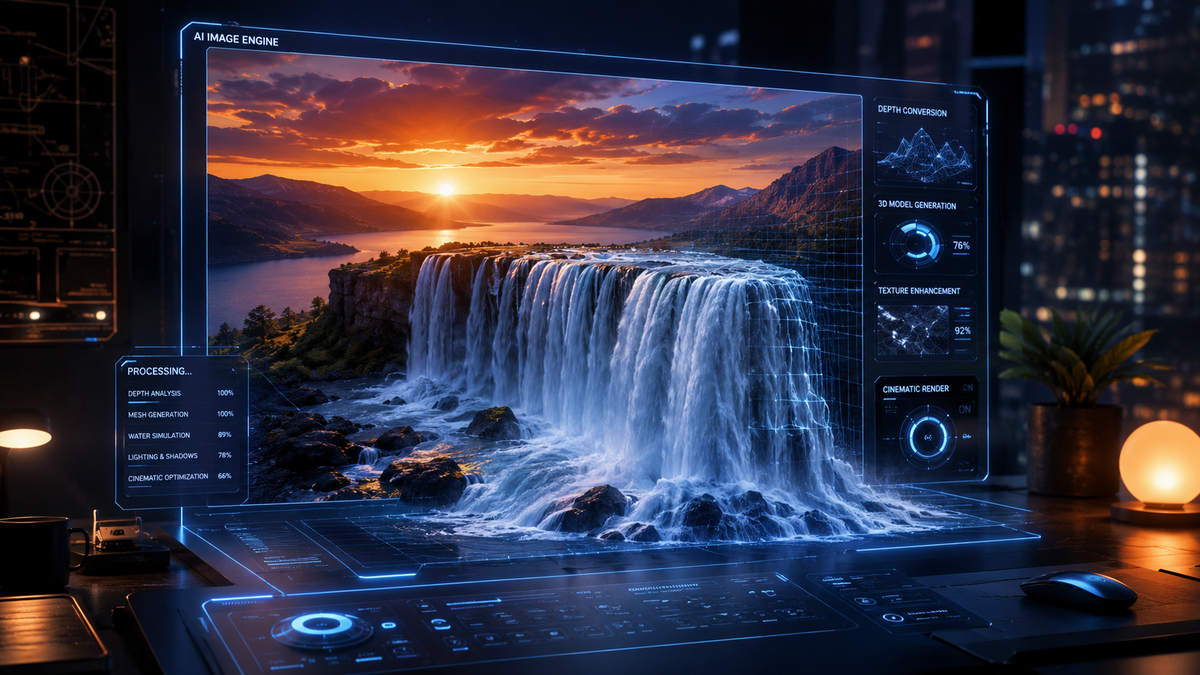
In 2026, the best cinematic photo animation AI tools are sophisticated platforms that use deep learning to transform static images into high-definition, motion-rich videos with realistic camera movements. Leading the industry are Google’s Veo 3, integrated directly into Google Photos, and Mango AI’s newly launched Image to Video Generator, both of which allow users to create professional-grade visual narratives from a single still frame. These tools have democratized film-quality motion graphics, making it possible for creators to generate cinematic content without traditional animation expertise.
Cinematic photo animation AI tools are generative platforms that utilize neural networks to interpolate motion into static photographs. In 2026, these tools leverage advanced diffusion models to simulate realistic physics, lighting shifts, and camera pans, allowing users to convert 2D images into 4K cinematic video clips through simple text prompts or motion reference files.
- ✓ Google Veo 3 now offers seamless cinematic integration within the Google Photos "Create" tab.
- ✓ Mango AI has introduced custom motion references for hyper-realistic character movement.
- ✓ AI-driven video generation has reduced production time for cinematic shorts by over 80% compared to 2024 standards.
- ✓ Modern tools now support "Image-to-Dance" and specific physics-based motion controls.
How to Use Cinematic Photo Animation AI Tools
The process of bringing a photograph to life has become remarkably intuitive as of May 2026. Most high-end platforms now utilize a "multimodal" approach, where the AI analyzes the depth and texture of your original photo to determine how light should wrap around objects as they move. This ensures that the animation doesn't just look like a sliding 2D layer, but a true 3D environment with parallax effects and temporal consistency.
According to recent reports from Programming Insider, the shift toward AI-driven video creation is fundamentally changing how we perceive digital photography. No longer is a photo a "frozen moment"; it is now seen as the seed for a larger cinematic sequence. Whether you are using a professional suite or a free online tool, the workflow generally follows a standardized path of uploading, prompting, and refining.
- Select Your Source Image: Upload a high-resolution photograph to your chosen AI platform, such as Mango AI or Google Photos.
- Define Motion Parameters: Use text prompts to describe the desired movement (e.g., "slow cinematic zoom" or "gentle wind in the trees").
- Apply Motion References: If using advanced tools like Mango AI, upload a reference video to dictate specific character movements or "dance" physics.
- Generate and Preview: Allow the AI to render the initial frames, typically taking less than 60 seconds in the current 2026 hardware environment.
- Export in 4K: Finalize the video by selecting your aspect ratio and resolution, ensuring it meets cinematic broadcast standards.
The Evolution of Cinematic Photo Animation AI Tools in 2026
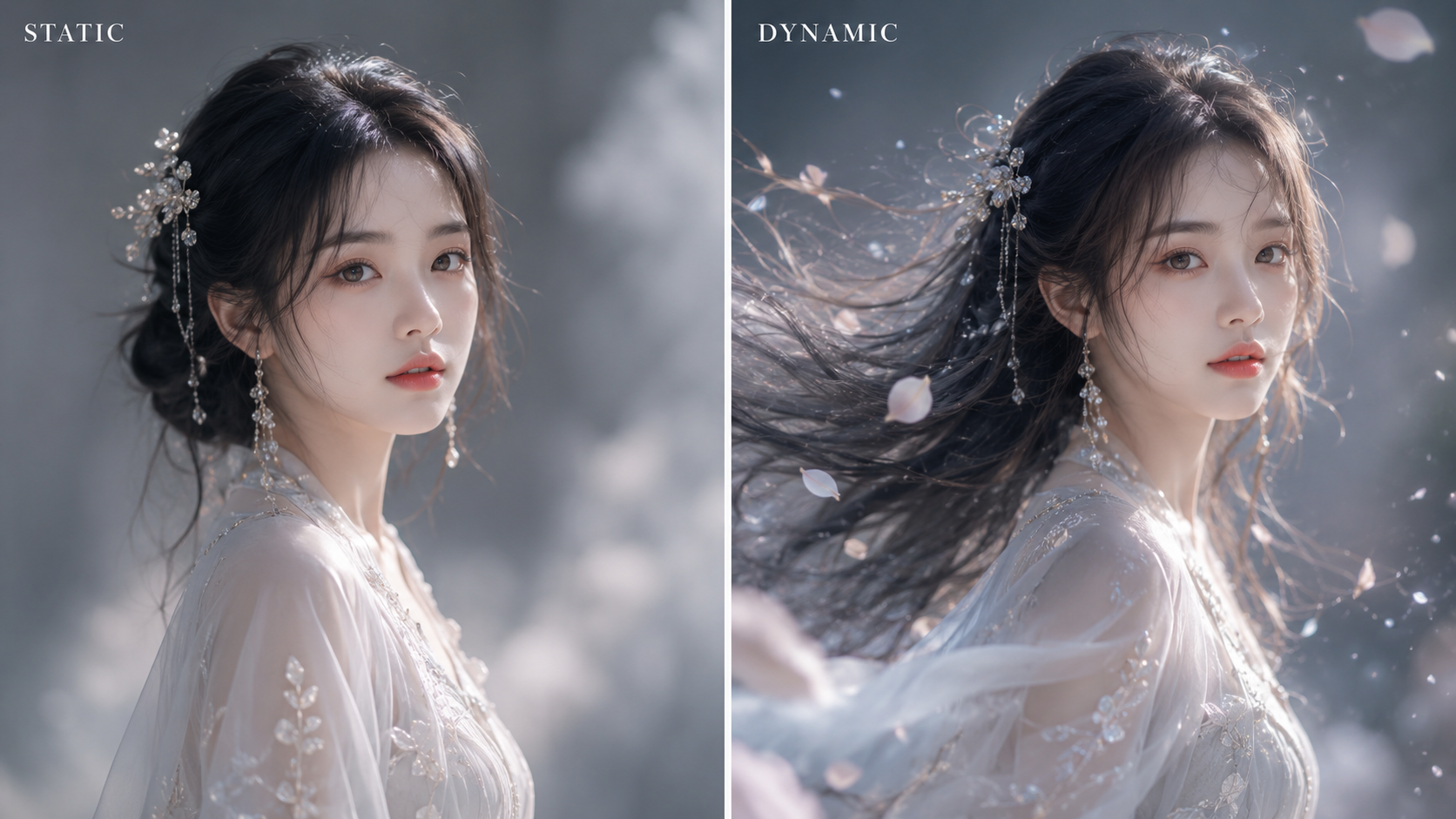
The landscape of digital media has undergone a massive transformation. As noted by the Florida State University Head of Animation during the 2026 Cannes Film Festival, AI is no longer a peripheral tool but is at the "crossroads" of the future of film. The ability to take a historical photograph or a personal portrait and turn it into a living, breathing scene has significant implications for documentary filmmaking, advertising, and social media storytelling.
In mid-May 2026, Mango AI made headlines by launching its dedicated AI Image to Video Generator. This tool is specifically designed for "Cinematic Photo Animation," focusing on high-fidelity textures and realistic lighting. Unlike previous iterations of AI animators, the 2026 generation of tools understands the "physics of light," meaning if a character moves, the shadows and reflections on their clothing adjust dynamically in real-time.
The Rise of Integrated Platforms
One of the most significant shifts this year is the integration of these powerful engines into everyday apps. For instance, Google's Veo 3 has moved from a standalone experimental tool into a core feature of the Google Photos "Create" tab. This allows billions of users to apply cinematic motion to their personal memories with a single tap, effectively turning everyone into a cinematographer.
Custom Motion and Dance Synthesis
Mango AI has further pushed the boundaries by introducing an AI Dance Generator with Custom Motion Reference. This allows creators to map the movement of a professional dancer onto a static image of a person. This level of control represents a leap forward in cinematic photo animation ai tools, moving beyond random movement toward intentional, choreographed storytelling.
Comparison of Top Cinematic Photo Animation AI Tools
Choosing the right tool depends on your specific needs—whether you are looking for professional-grade control or a quick, automated solution for social media. Below is a comparison of the leading platforms available in May 2026.
| Feature | Google Veo 3 | Mango AI Generator | Free Online Tools |
|---|---|---|---|
| Primary Strength | Integration & Ease of Use | Professional Motion Control | Accessibility & Speed |
| Max Resolution | 4K Ultra HD | 8K Post-Process Ready | 1080p HD |
| Key Feature | Google Photos Ecosystem | Custom Motion Reference | Template-based Animation |
| Best For | Personal Memories | Filmmakers & Marketers | Casual Social Content |
How AI Is Changing Video Creation from Images
According to Programming Insider, the current year marks a tipping point where AI-generated video is indistinguishable from captured footage in most lighting conditions. The core technology behind cinematic photo animation ai tools has transitioned from simple "warping" to "generative infilling." This means that when an AI moves a camera around a subject in a photo, it is actually "imagining" and rendering the hidden parts of the scene behind the subject.
This capability has revolutionized the concept of "making pictures move online for free," as noted by findarticles.com. In 2026, even free-tier AI models offer sophisticated temporal consistency, which prevents the "flickering" effect that plagued earlier AI videos from 2024. The focus now is on "Cinematic Quality," which involves subtle camera shakes, lens flares, and depth-of-field adjustments that mimic expensive Hollywood lenses.
The Role of Depth Mapping
Modern tools now automatically generate a 3D depth map from any 2D image. This map allows the AI to understand the distance between the foreground, midground, and background. When you apply a "cinematic pan," the foreground moves faster than the background, creating a perfect parallax effect that is essential for a high-end cinematic feel.
Physics-Based Animation
One of the most impressive features found in the 2026 versions of these tools is the inclusion of physics engines. If your photo contains water, the AI doesn't just move the pixels; it simulates fluid dynamics. If there is fire, the AI simulates the flickering light and rising smoke. This level of realism is what separates a standard "moving picture" from a true cinematic animation.
Advanced Features of Mango AI and Google Veo 3
Mango AI’s launch on May 14, 2026, introduced a suite of features specifically aimed at professional creators. Their Image to Video Generator includes a "Motion Brush" that allows users to paint over specific areas they want to animate, leaving the rest of the image static. This is particularly useful for creating "cinemagraphs" where only a portion of the frame—like a flowing river or a person’s eyes—is in motion.
On the other hand, Google’s Veo 3, which became widely available in the Create tab of Google Photos, focuses on "Storytelling AI." It can take a series of photos and animate them into a cohesive narrative movie, complete with AI-generated soundtracks that match the mood of the visuals. This integration makes cinematic photo animation ai tools accessible to the average smartphone user without requiring a high-end PC.
Custom Motion References
The "Custom Motion Reference" feature in Mango AI is a game-changer for character animation. By uploading a video of a person walking or performing a specific action, the AI can transfer that exact skeletal movement to a character in a static photo. This has massive implications for indie filmmakers who can now create complex character scenes without a motion-capture studio.
Real-Time Rendering and Feedback
In 2026, the speed of generation has increased significantly. Most cinematic photo animation ai tools now offer a "low-res preview" in under five seconds. This allows creators to iterate quickly, changing prompts or motion paths until the result is perfect before committing to a full 4K render. This iterative workflow is essential for achieving professional results in a commercial environment.
The Future of AI and Film: Insights from Cannes 2026
The discussion at the 2026 Cannes Film Festival highlighted a "crossroads" for the industry. Experts from Florida State University noted that while AI tools are becoming more powerful, the emphasis is shifting toward the "human-in-the-loop" model. The most successful cinematic animations are those where a human director uses the AI to execute a specific vision, rather than letting the AI make all the creative choices.
As cinematic photo animation ai tools continue to evolve, we are seeing a move toward "Interactive Cinema." This is where the viewer can influence the animation in real-time. While we are in the early stages of this in 2026, the foundational technology—fast, high-quality image-to-video generation—is already here and being used to create stunning visual art that was impossible just a few years ago.
What is the best AI tool for cinematic photo animation in 2026?
As of May 2026, Mango AI and Google Veo 3 are considered the top tools. Mango AI offers more professional control with motion references, while Veo 3 is the best for ease of use within the Google Photos ecosystem.
Can I animate a photo for free online?
Yes, platforms like Mango AI and various online tools listed on findarticles.com offer free tiers that allow users to generate cinematic videos from images, though they may have limits on resolution or watermarks.
What is "Custom Motion Reference" in AI video?
This is a feature recently introduced by Mango AI that allows you to upload a reference video to guide the AI on how to move a subject in a static photo, ensuring realistic and specific movement.
Is Google Veo 3 available to everyone?
Yes, as of September 2025 and into 2026, Veo 3 has been integrated into the "Create" tab of Google Photos, making it available to all users with a standard Google account.
Do these AI tools support 4K resolution?
Most premium cinematic photo animation ai tools in 2026, including Mango AI and Veo 3, support 4K export, with some professional tools offering upscaling options to 8K for film production.



Comments ()