
10 Best Text to Video AI Tools in 2026: Ranked & Reviewed
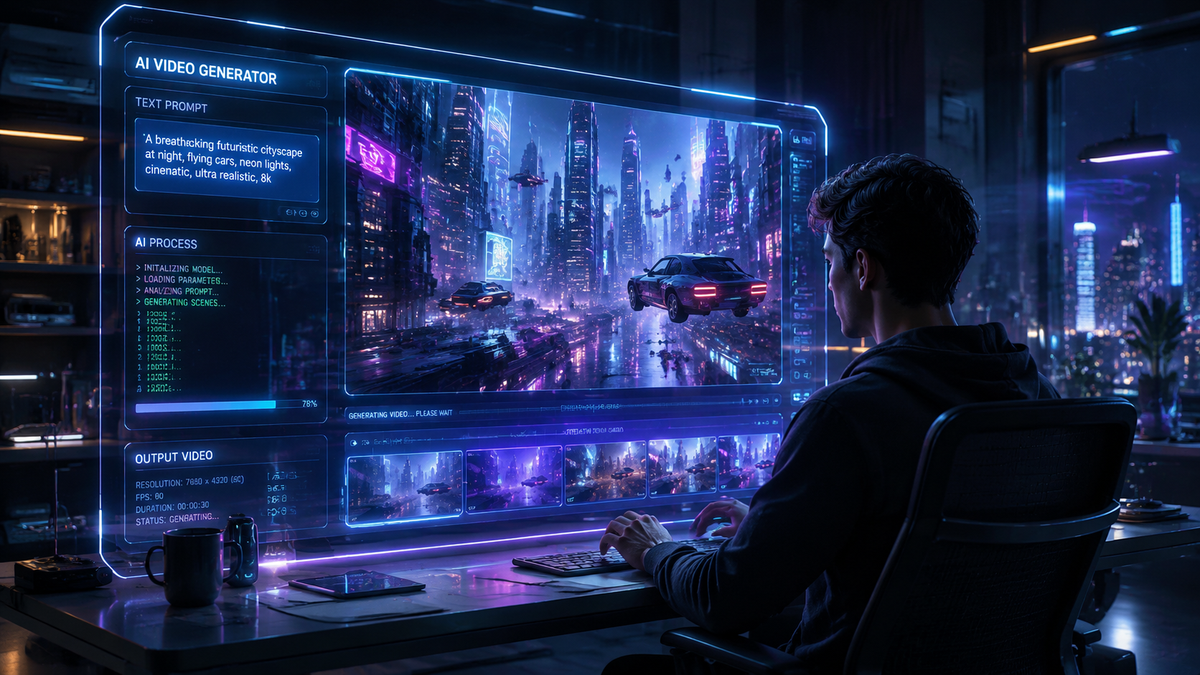
Choosing the best text to video ai in 2026 requires a deep dive into prompt adherence, temporal consistency, and the ability to render complex physical interactions. As of this year, the landscape has shifted from experimental clips to high-fidelity, production-ready cinematic sequences that can span several minutes. This guide ranks the top-tier tools based on the latest 2026 benchmarks, ensuring you select the right engine for your creative or commercial workflow.
The best text to video AI is currently a tie between OpenAI’s Sora for cinematic realism and Alibaba’s latest viral model for scene stability. These tools utilize advanced diffusion transformers to convert natural language descriptions into high-definition video, offering unprecedented control over camera movement, character consistency, and physics-based rendering.
- ✓ Sora remains the gold standard for long-form cinematic consistency and complex prompt adherence.
- ✓ Alibaba’s new model has dominated 2026 leaderboards for its superior scene stability and motion fluidness.
- ✓ Professional workflows now prioritize "Scene Stability Scorecards" over simple resolution metrics.
- ✓ Integration with multi-modal inputs (audio + text) is the standard feature for top-tier tools in 2026.
The Evolution of AI Video Generation in 2026
The year 2026 has marked a pivotal turning point in generative media. We have moved past the era of "uncanny valley" distortions and entered an age where AI-generated footage is indistinguishable from live-action cinematography in many contexts. According to Magic Hour Research, the industry has seen a 40% improvement in "Prompt Adherence" scores compared to previous cycles, meaning the AI now understands nuanced instructions regarding lighting, lens focal lengths, and specific character emotions with surgical precision.
Furthermore, the competitive landscape has expanded beyond traditional tech hubs. While OpenAI and Google continue to lead with massive compute power, international players like Alibaba have introduced models that challenge the status quo. These models are no longer just toys for social media; they are being integrated into professional film pre-visualization and high-end marketing campaigns. The best text to video ai platforms now offer features like "Directorial Control," allowing users to specify camera paths and keyframe transitions within a text prompt.
According to Cybernews, there are now over 16 high-performance AI video generation tools available to the public, each catering to different niches—from social media content creation to enterprise-level training videos. This variety ensures that whether you are a solo creator or a large-scale production house, there is a model optimized for your specific frame rate and resolution requirements.
How to Use the Best Text to Video AI Tools
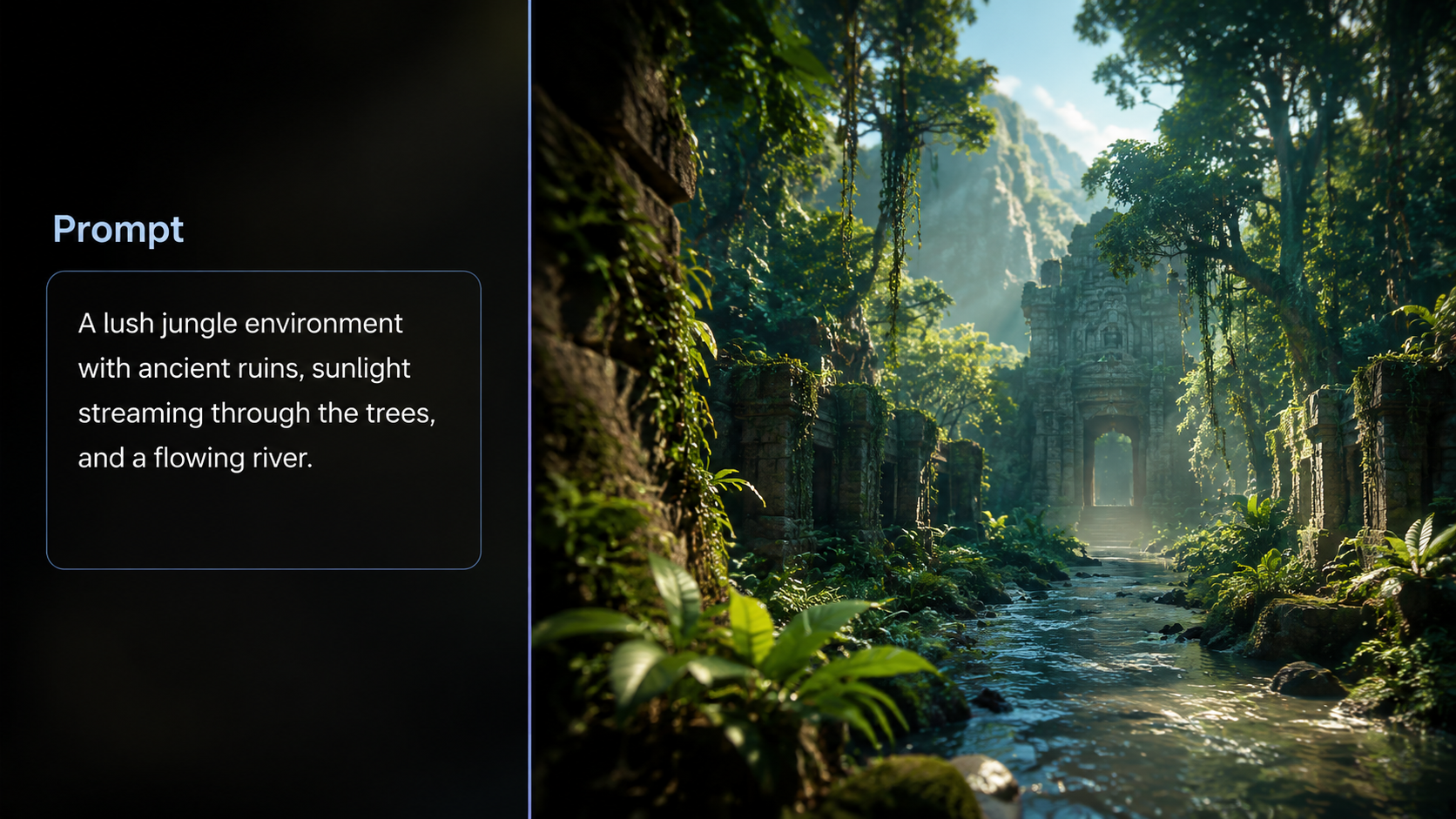
- Define Your Narrative: Start by writing a descriptive prompt that includes the subject, action, environment, and lighting conditions. In 2026, models respond best to "cinematic language" (e.g., "shot on 35mm," "golden hour lighting").
- Select Your Model: Choose a tool based on your needs. For instance, use Sora for complex storytelling or Alibaba’s model for high-stability motion.
- Configure Parameters: Set your aspect ratio (16:9 for film, 9:16 for social media) and duration. Most top tools now support up to 60-second continuous clips.
- Generate and Iterate: Run the initial generation. Use "seed" numbers or "region editing" features to tweak specific parts of the video without rerunning the entire prompt.
- Upscale and Export: Once satisfied, use the built-in 4K or 8K upscalers provided by the platform to finalize your video for professional use.
Comparison of Top 2026 AI Video Generators
To help you decide which platform fits your budget and technical requirements, we have compiled a comparison of the leading contenders based on the latest Magic Hour Research benchmarks and PCMag Australia reviews.
| AI Model | Primary Strength | Max Resolution | Prompt Adherence Score |
|---|---|---|---|
| OpenAI Sora | Cinematic Realism | 8K | 9.8/10 |
| Alibaba (Viral Model) | Scene Stability | 4K | 9.5/10 |
| Runway Gen-4 | Creative Control | 4K | 9.2/10 |
| Luma Dream Machine 3 | Speed/Rendering | 2K/4K | 8.9/10 |
| Pika Labs Pro | Animation/Stylization | 4K | 8.7/10 |
1. OpenAI Sora: The Industry Benchmark
As of February 2026, OpenAI’s Sora continues to lead the pack in terms of pure visual fidelity. Sora’s ability to understand the physics of the real world—such as how light reflects off moving water or how a character’s hair reacts to wind—remains unmatched. According to Google News reports from early 2026, Sora has introduced a "Global Consistency" update that allows for multi-minute videos where characters and environments remain perfectly stable throughout the duration.
Sora is particularly favored by filmmakers for its "World Model" approach. It doesn't just predict pixels; it simulates a 3D environment and then renders it. This makes it the best text to video ai for creators who need to maintain a specific aesthetic across multiple scenes. While it requires significant computational resources, the output is often indistinguishable from high-budget stock footage.
Key Features of Sora
Sora’s 2026 version includes advanced "In-Painting" and "Out-Painting" capabilities, allowing users to extend existing videos or swap out specific objects within a scene using only text. Its integration with the DALL-E 4 ecosystem also means that you can generate a static image first and then animate it with granular control over the motion vectors.
2. Alibaba’s Viral AI Model: The Stability King
In April 2026, Alibaba surprised the tech world by revealing it was the architect behind the viral AI video model that has been dominating global leaderboards. This model has gained massive traction due to its "Scene Stability Scorecard" performance. As noted by CNBC, Alibaba’s model solves the common "morphing" issue where objects randomly change shape during fast-paced movement.
This tool is exceptionally popular among e-commerce brands and digital marketers. It allows for the creation of hyper-realistic product demonstrations where the product’s geometry remains constant. For those looking for the best text to video ai for commercial reliability, Alibaba's solution offers a "Zero-Glitches" guarantee for clips under 15 seconds, a feat that was previously thought impossible.
Why Stability Matters
Scene stability is the difference between a video that looks like a dream sequence and one that looks like a professional broadcast. Alibaba’s focus on temporal consistency ensures that backgrounds don't "crawl" and characters don't lose their features when they turn around—a major leap forward for the industry in 2026.
3. Runway Gen-4: The Professional’s Choice
Runway has long been a staple in the creative community, and the Gen-4 release in early 2026 solidifies its position. Unlike Sora, which focuses on realism, Runway Gen-4 focuses on "Artistic Agency." It provides users with a suite of tools like "Motion Brush" and "Director Mode," which allow for manual overrides of the AI’s creative decisions. G2 Learning Hub recently ranked it as a top favorite for creators who want a "human-in-the-loop" experience.
The platform’s 2026 update introduced "Multi-Motion Brush," enabling users to control the movement of up to five different elements in a single frame independently. This level of control makes it arguably the best text to video ai for music videos and abstract digital art where specific, choreographed motion is required.
Collaborative Features
Runway Gen-4 also features a robust collaborative cloud environment. Entire teams can work on a single video project, leaving timestamped comments and making real-time adjustments to the AI prompts. This enterprise-grade functionality is why it remains a top choice for creative agencies worldwide.
4. Luma Dream Machine 3: High-Speed Iteration
Luma AI’s Dream Machine 3 is the go-to tool for those who need high-quality video fast. In the fast-paced world of social media, being able to turn a prompt into a 4K video in under 60 seconds is a game-changer. PCMag Australia highlighted Luma for its "unmatched rendering speed" in their 2026 review, making it ideal for rapid prototyping.
While it might lack some of the deep physical simulations of Sora, it makes up for it with a highly intuitive interface and a "Prompt Suggestion" engine that helps users refine their ideas. It is widely considered the best text to video ai for beginners and social media influencers who need to maintain a high volume of content without sacrificing quality.
5. Pika Labs Pro: The Master of Style
Pika Labs has carved out a niche in 2026 as the premier tool for stylized and animated content. Whether you want a Studio Ghibli aesthetic or a gritty 3D noir look, Pika’s "Style Transfer" engine is incredibly potent. According to G2 Learning Hub, users love Pika for its "Lip Sync" feature, which perfectly aligns character mouth movements with uploaded audio files.
This makes Pika Labs Pro the best text to video ai for creators producing animated web series or localized advertisements where characters need to speak multiple languages fluently. The 2026 version also includes "Atmospheric Control," allowing users to adjust the density of fog, rain, or snow within their scenes using simple sliders.
The Impact of Benchmarking on AI Selection
As the market matures, users are no longer just looking at "cool" videos; they are looking at data. The Magic Hour Research "Best Text-to-Video AI 2026" benchmark has become the industry standard for evaluating these tools. Their scorecard measures three critical areas:
- Prompt Adherence: How well the video matches every word in the prompt.
- Temporal Consistency: Whether objects stay the same size and shape over time.
- Motion Fluidity: How natural the movement looks compared to real-world physics.
These metrics have forced developers to move away from "cherry-picked" demos and focus on providing a consistent experience for all users. When searching for the best text to video ai, always look for tools that publish their benchmark scores or allow for independent testing.
Frequently Asked Questions
What is the best text to video AI for realistic humans?
OpenAI Sora is currently the leader for realistic human generation. Its 2026 updates have virtually eliminated the "uncanny valley" effect, producing skin textures and eye movements that are indistinguishable from real footage.
Can I use these AI video tools for commercial projects?
Yes, most "Pro" and "Enterprise" tiers of tools like Runway, Sora, and Pika Labs provide full commercial usage rights. However, always check the specific terms of service as of 2026, as copyright laws for AI-generated content vary by region.
How long can AI-generated videos be in 2026?
While early models were limited to a few seconds, the best text to video AI tools in 2026 can generate continuous clips of 60 to 120 seconds. Some tools also offer "stitching" features to create much longer narratives.
Do I need a powerful computer to run these tools?
No, most 2026 AI video generators are cloud-based. All the heavy processing is done on the provider's servers, meaning you only need a standard web browser and a stable internet connection to generate high-end video.
Which AI video tool is best for social media?
Luma Dream Machine 3 and Pika Labs are often cited as the best for social media due to their fast rendering times and built-in features for vertical aspect ratios and lip-syncing.
In conclusion, the "best" tool depends entirely on your specific needs. Whether you prioritize the cinematic depth of Sora, the stability of Alibaba’s model, or the creative flexibility of Runway, the text-to-video landscape of 2026 offers a solution for every level of creator. As these tools continue to evolve, the barrier between imagination and visual reality will only continue to disappear.
Comments ()