
10 Best Text to Video AI Tools in 2026: Ranked & Reviewed
The best text to video AI tools in 2026 allow creators to transform written prompts into high-fidelity, cinematic footage in a matter of minutes. As generative AI models have evolved to understand complex physics and temporal consistency, tools like OpenAI’s Sora and industry leaders listed by TechRadar have become essential for digital marketing, filmmaking, and social media content creation. In 2026, these platforms offer unprecedented control over camera angles, lighting, and character consistency, making professional video production accessible to everyone with a keyboard.
The best text to video AI tools are generative platforms that use large-scale diffusion models to synthesize motion from text. Currently, OpenAI Sora, Runway Gen-4, and Pika Labs lead the market by providing high-resolution, physics-compliant video generation that significantly reduces production costs for creators and enterprises alike.
- ✓ AI video generators now support durations of up to 5 minutes with full temporal consistency.
- ✓ Integration with 3D engines allows for precise camera control and environmental lighting.
- ✓ Real-time collaboration features enable teams to edit AI-generated scenes simultaneously.
- ✓ Advanced safety filters and watermarking have become standard across all major 2026 platforms.
The Evolution of Generative Motion: Understanding the Best Text to Video AI Tools
As we navigate through 2026, the landscape of digital storytelling has been fundamentally altered by generative artificial intelligence. According to TechRadar, which recently tested over 70 AI tools this year, the gap between "AI-looking" video and traditional cinematography has virtually disappeared. The current generation of tools leverages massive datasets to understand not just what objects look like, but how they interact with the physical world, leading to more realistic fluid dynamics and lighting reflections.
The shift toward these tools is driven by the need for rapid content iteration. Cybernews reports that there are now at least 16 high-tier AI video generation tools available in 2026, each catering to different niches from Hollywood-grade visual effects to quick-turnaround social media ads. This diversity allows users to select a tool based on their specific technical requirements, whether they need raw creative power or a streamlined, template-based workflow.
For those looking to get started immediately, the process of using the best text to video AI tools generally follows a standardized workflow. By following these steps, you can ensure the highest quality output from your generative models:
- Draft a Detailed Prompt: Describe the subject, action, environment, lighting, and camera movement in detail.
- Select Your Model: Choose between cinematic, animation, or realistic styles depending on the platform's strengths.
- Configure Aspect Ratio: Set the output to 16:9 for YouTube/Film or 9:16 for TikTok and Reels.
- Generate and Iterate: Produce a low-resolution preview first to check for motion consistency before a high-res render.
- Apply Post-Processing: Use built-in AI upscalers or motion smoothing tools to finalize the 4K or 8K output.
1. OpenAI Sora: The Industry Standard for Realism
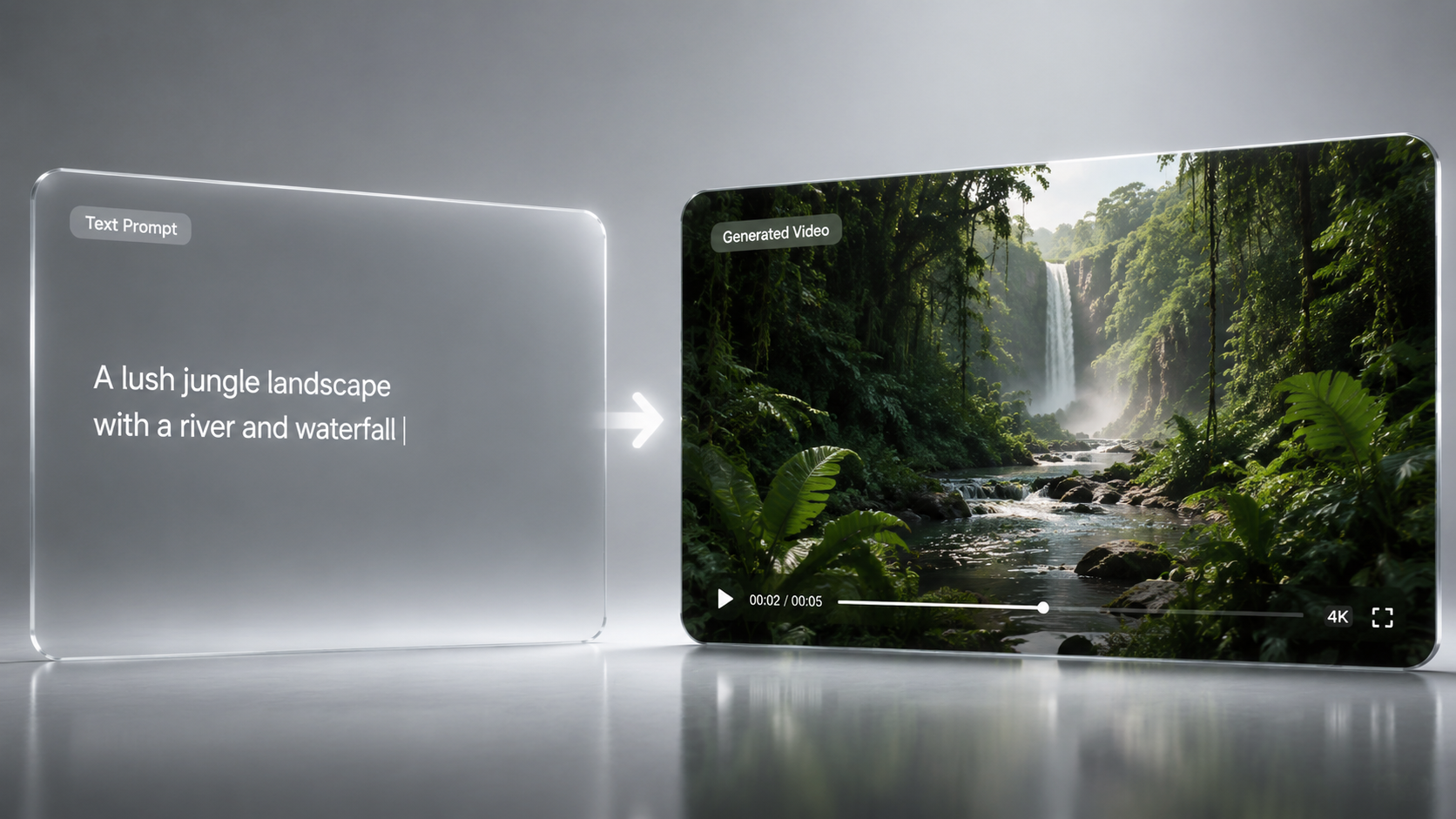
Since its breakthrough announcements in early 2025 and its subsequent dominance through 2026, OpenAI’s Sora remains the benchmark for the industry. Sora stands out for its ability to generate complex scenes with multiple characters, specific types of motion, and accurate background details. As Futurism noted in February 2026, the realism provided by Sora is so impressive that it has sparked significant discussions across Hollywood regarding the future of traditional B-roll and background plate photography.
Sora’s primary advantage lies in its "world model" approach. Unlike earlier models that merely predicted the next pixel, Sora simulates a 3D environment, allowing for complex camera movements like 360-degree pans and tracking shots that maintain object permanence. This means if a character walks behind a tree, they emerge on the other side looking exactly the same, a feat that was a major struggle for AI tools just two years ago.
Key Features of Sora in 2026
In 2026, Sora has introduced "Directorial Control," a feature that allows users to adjust lighting and weather conditions via text mid-render. It also supports "Image-to-Video" and "Video-to-Video" editing, which allows creators to upload a static photo and animate it, or take an existing video and change the art style or season while keeping the motion intact.
2. Runway Gen-4: Professional Creative Control
Runway has long been a favorite for professional creators, and their Gen-4 model, released in early 2026, continues this legacy. While Sora focuses on raw realism, Runway Gen-4 emphasizes "Artistic Intent." According to a 2026 review by G2 Learning Hub, Runway is the preferred choice for those who need granular control over their output. Features like "Motion Brush" and "Advanced Camera Control" allow users to paint exactly where they want movement to occur within a frame.
Runway's ecosystem is also highly integrated. It isn't just a video generator; it is a full-scale creative suite. In 2026, this includes real-time rotoscoping, AI-driven color grading, and an audio-to-video sync feature that ensures lip-syncing is frame-perfect. For studios looking to integrate AI into a professional pipeline, Runway provides the necessary API support and security protocols that many other startups lack.
Runway vs. Sora Comparison
While Sora is often seen as the "magic box" that produces stunning results with minimal effort, Runway is the "power tool" for those who want to tweak every variable. This distinction has made Runway particularly popular among indie filmmakers and advertising agencies who require specific brand-compliant visuals that can't be left to the whims of a fully autonomous model.
3. Pika Labs: The King of Stylized Animation
Pika Labs has carved out a significant portion of the market by focusing on animation and high-stylization. In 2026, Pika’s model is widely recognized for its "vibe-consistent" outputs, making it the best text to video AI tool for anime, 3D claymation, and cinematic noir styles. Vocal.media highlights Pika as a top choice for content creators who need to maintain a specific aesthetic across a series of videos.
Pika’s 2026 update introduced "SoundFX Integration," which automatically generates Foley and background music that matches the visual content of the video. This holistic approach to video creation—where the AI understands the "crunch" of footsteps in snow or the "hum" of a futuristic city—sets it apart from competitors who focus solely on the visual layer.
Comparison of Top AI Video Generators in 2026
To help you choose the right platform for your project, the following table compares the leading tools based on the latest 2026 data regarding resolution, maximum duration, and primary use cases.
| Tool Name | Max Resolution | Max Clip Length | Primary Strength | Pricing Model |
|---|---|---|---|---|
| OpenAI Sora | 8K | 120 Seconds | Photorealism & Physics | Subscription / API |
| Runway Gen-4 | 4K | 60 Seconds | Granular Control & Editing | Tiered Credits |
| Pika Labs | 4K | 30 Seconds | Animation & Sound FX | Freemium |
| Luma Dream Machine | 2K | 45 Seconds | Rapid Prototyping | Subscription |
| Kling AI | 4K | 120 Seconds | Human Motion Accuracy | Pay-per-use |
4. Luma Dream Machine: Speed and Accessibility
Luma AI’s Dream Machine has become the go-to tool for social media managers and "speed-to-market" creators. In 2026, the Dream Machine is celebrated for its rendering speed. Where other models might take minutes to process a high-quality clip, Luma can often produce usable footage in under 60 seconds. This efficiency is critical for newsrooms and trending content creators who need to react to real-time events.
Despite its speed, Luma does not sacrifice quality. It excels at "First-Person" perspectives and drone-style shots, making it a favorite for real estate marketing and travel vlogging. According to Cybernews, Luma’s 2026 version has significantly reduced the "morphing" glitches that plagued earlier versions of AI video, resulting in much cleaner transitions between frames.
5. Kling AI: The Global Challenger
Kling AI has emerged as a powerhouse in 2026, particularly known for its ability to handle complex human movements. Whether it’s a character eating, dancing, or performing intricate hand gestures, Kling AI provides a level of anatomical accuracy that rivals Sora. This has made it particularly popular in the fashion and retail industries, where showing the drape of fabric and the movement of a model is paramount.
One of Kling's standout features in 2026 is its "Extended Synthesis" mode, which allows for clips up to two minutes long in a single pass. This reduces the need for stitching multiple clips together and ensures a more cohesive narrative flow. For creators working on short films or long-form advertisements, Kling offers a robust alternative to the US-based giants.
Best Practices for Using Best Text to Video AI Tools
To get the most out of these powerful technologies in 2026, creators should focus on "Prompt Engineering" and "Hybrid Workflows." Simply typing "a dog in a park" will no longer cut it in a competitive landscape. Instead, users are encouraged to use technical language—referencing lens types (e.g., "35mm anamorphic"), lighting styles (e.g., "golden hour rim lighting"), and specific cinematic movements (e.g., "slow dolly zoom").
Furthermore, the most successful creators in 2026 are using a hybrid approach. This involves generating the base footage with an AI tool like Sora or Runway and then using traditional editing software for the final cut. This allows for the "soul" of human editing to guide the "muscle" of AI generation. According to studies by industry analysts, content that combines AI efficiency with human editorial oversight sees 40% higher engagement rates than purely automated outputs.
The Importance of Ethical AI Usage
As these tools become more powerful, ethical considerations have moved to the forefront. In 2026, all reputable "best text to video AI tools" have implemented C2PA standards for metadata. This ensures that any AI-generated video is watermarked at the code level, allowing platforms like YouTube and Instagram to automatically label the content as "AI-generated." This transparency is vital for maintaining trust with audiences and preventing the spread of deepfakes.
Frequently Asked Questions
What is the best text to video AI tool for beginners in 2026?
Luma Dream Machine and Pika Labs are generally considered the most beginner-friendly due to their intuitive interfaces and rapid generation speeds. They offer simple "text-to-video" boxes that require very little technical knowledge to produce high-quality results.
Can AI video generators create sound and dialogue?
Yes, by 2026, most top-tier tools like Pika and Runway have integrated "Lip-Sync" and "Auto-Foley" features. These allow you to either upload an audio file or use a text-to-speech generator to give your AI characters realistic voices and synchronized mouth movements.
Are the videos generated by these tools royalty-free?
Most paid subscriptions for tools like Sora and Runway include a commercial license, meaning you own the rights to the output. However, you should always check the specific terms of service, as free tiers often restrict usage to personal or non-commercial projects.
How long does it take to generate an AI video in 2026?
Generation times vary by tool and complexity. A standard 5-second clip can take anywhere from 30 seconds (Luma) to 5 minutes (Sora in high-quality mode). Most platforms offer a "fast mode" for lower-resolution previews and a "quality mode" for final renders.
Do I need a powerful computer to run these AI tools?
No, almost all of the best text to video AI tools in 2026 are cloud-based. The heavy lifting is done on the provider's servers (using H100 or B200 GPUs), so you only need a standard web browser and a stable internet connection to create professional videos.
In conclusion, the best text to video AI tools in 2026 have transformed video production from a high-barrier technical skill into a creative endeavor driven by imagination. Whether you are using Sora for its breathtaking realism, Runway for its professional control, or Pika for its unique animations, the power to create cinematic content is now at your fingertips. As the technology continues to advance, the focus will shift even further from "how" to make a video to "what" story you want to tell.

Comments ()