
Best Text to Video AI for YouTube in 2026: Top Tools
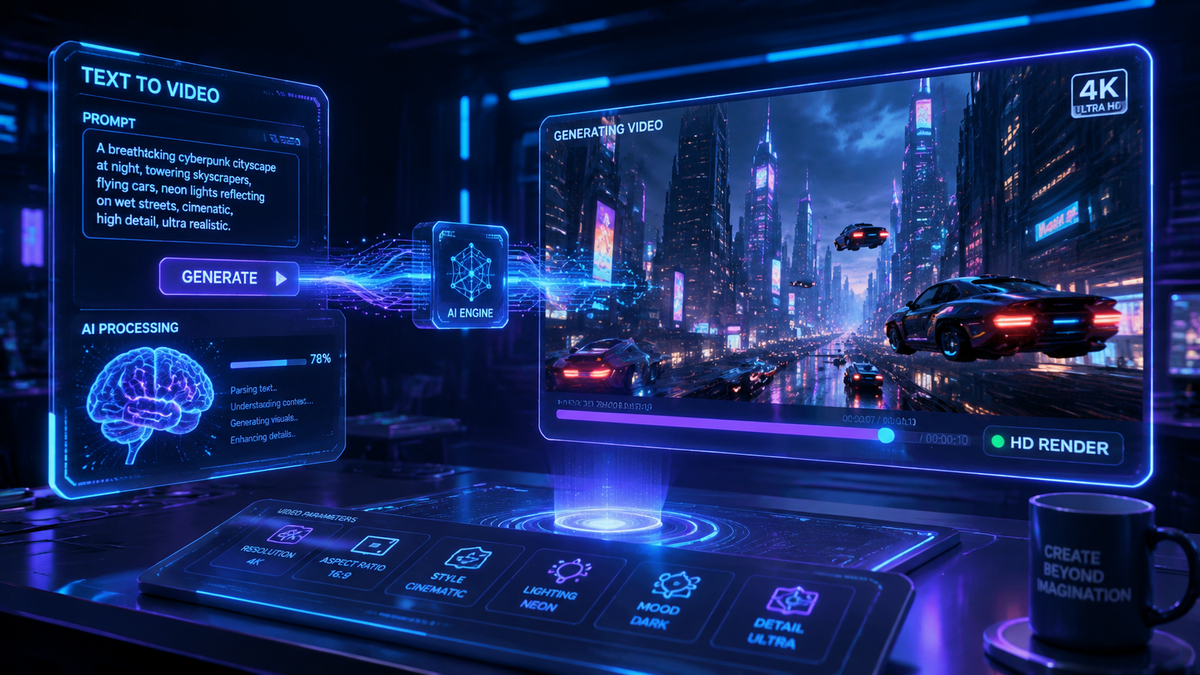
The best text to video AI for YouTube in 2026 centers on multimodal integration, with Google’s Gemini Omni and YouTube’s native Veo 3 engine leading the industry by generating high-fidelity video from simple text prompts in under eight seconds. These tools allow creators to bypass traditional editing barriers, transforming scripts directly into cinematic YouTube Shorts and long-form content with unprecedented speed. Using text to video AI for YouTube has become the standard for maintaining the high upload frequency required by the platform's 2026 recommendation algorithms.
Text to video AI for YouTube is a generative technology that utilizes large language models and diffusion networks to convert written scripts into fully realized video files. In 2026, this technology is defined by real-time rendering, multimodal inputs (text, audio, and images), and deep integration within the YouTube Studio ecosystem for seamless publishing.
- ✓ Google’s Gemini Omni now supports native "Any-to-Video" workflows for YouTube creators.
- ✓ YouTube Shorts has integrated Veo 3, enabling 8-second prompt-to-video generation.
- ✓ AI search tools within YouTube now deliver both video and text results simultaneously.
- ✓ Premium users have exclusive access to advanced AI-assisted conversational search and creation tools.
- ✓ Multimodal AI can now synchronize synthetic audio and video from a single text prompt.
How to Use Text to Video AI for YouTube Content
In 2026, the workflow for creating video content has shifted from manual timeline editing to prompt engineering and iterative refinement. Creators no longer need to source stock footage manually; instead, they describe the scene, and the AI generates unique pixels. This shift is particularly evident in the YouTube Shorts landscape, where speed is the primary driver of engagement and reach.
- Draft Your Script: Start by writing a detailed prompt or script. In 2026, tools like Gemini Omni can take a rough outline and expand it into a full video storyboard.
- Select Your AI Engine: Choose between native YouTube tools like Veo 3 for short-form content or external high-fidelity engines for long-form cinematic videos.
- Configure Multimodal Inputs: Upload an image or an audio clip to guide the AI’s style. According to TechCrunch, Gemini Omni can now synthesize these inputs to ensure visual and auditory consistency.
- Generate and Iterate: Run the generation process. For YouTube Shorts, this typically takes about 8 seconds using the latest integrated features.
- Refine with AI Search: Use YouTube’s new AI search tools to see how your video compares to existing content and optimize your metadata before hitting publish.
The Rise of Gemini Omni and Veo 3 in 2026
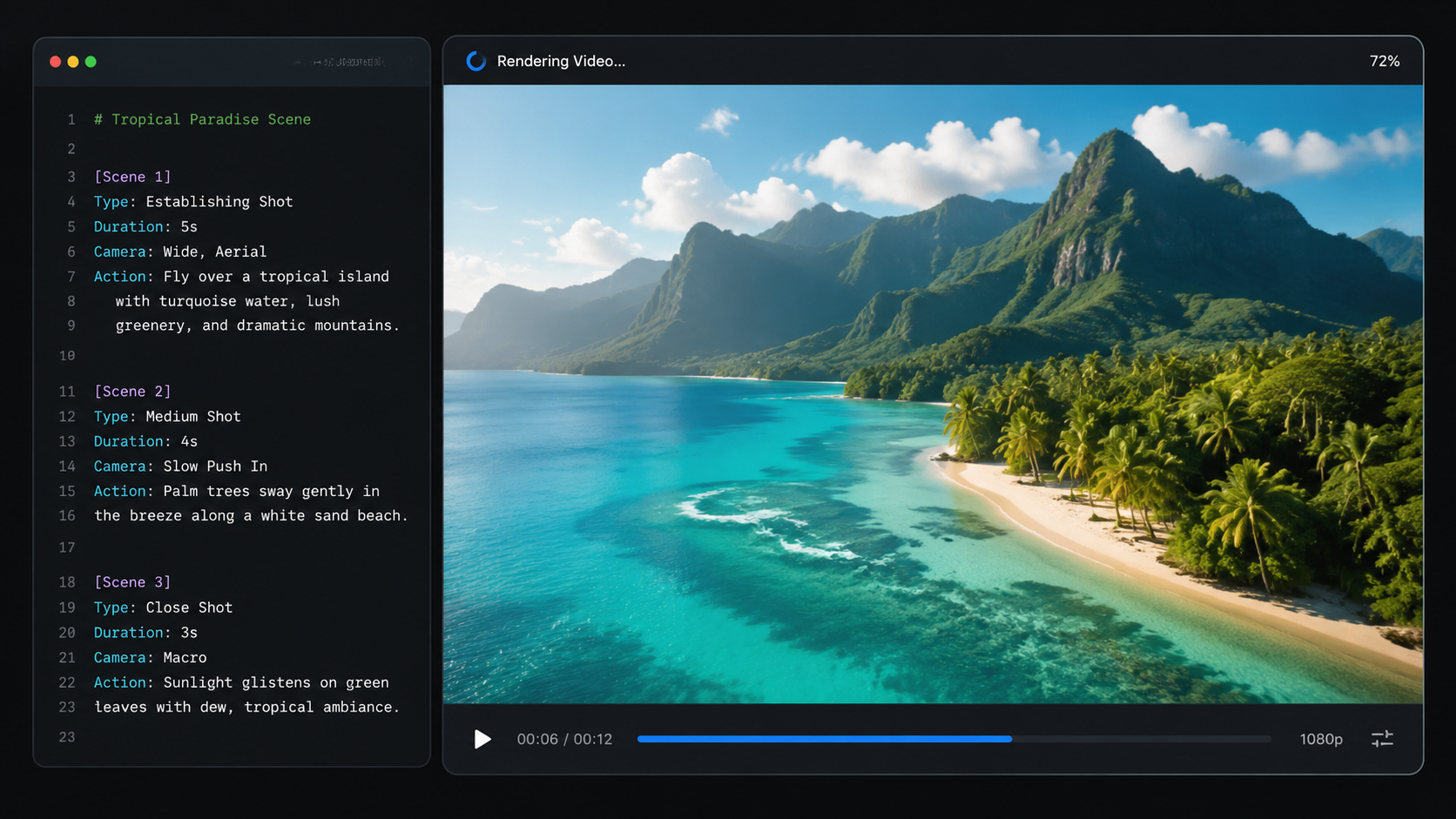
The landscape of text to video AI for YouTube was revolutionized in early 2026 with the release of Gemini Omni. Unlike previous models that functioned as simple "translators" from text to pixels, Gemini Omni is a native multimodal model. This means it understands the relationship between a spoken word, a written sentence, and a visual movement simultaneously. As reported by TechCrunch on May 19, 2026, this tool allows creators to turn images, audio, and text into video, marking a significant leap in creative flexibility.
For creators focused on short-form content, the integration of Veo 3 into YouTube Shorts has been a game-changer. TechRadar reported that Veo 3 can turn a prompt into a high-quality video in just 8 seconds. This speed allows creators to react to trending topics in real-time, producing high-quality visuals that were previously only possible with hours of professional editing. The "8-second barrier" was a major milestone in 2025 that has now become the industry standard for mobile-first video generation.
Deep Integration with YouTube Studio
One of the most significant advantages of using native Google tools is the deep integration with the YouTube ecosystem. When you use text to video AI for YouTube through the internal dashboard, the AI automatically suggests tags, descriptions, and even thumbnail variations based on the generated video content. This creates a feedback loop where the AI understands what the video is about because it helped create it, leading to better indexing in the new AI-powered search results.
Comparing Top Text to Video AI Tools for 2026
Choosing the right tool depends on your specific needs, whether you are a high-volume Shorts creator or a documentary filmmaker. The following table compares the leading technologies available as of mid-2026 based on the latest industry data from TechCrunch and TechRadar.
| Tool Name | Primary Strength | Generation Speed | Key Feature (2026) |
|---|---|---|---|
| Google Gemini Omni | Multimodal Versatility | Variable (High Quality) | Text/Audio/Image to Video |
| YouTube Veo 3 | Short-form Efficiency | ~8 Seconds | Native Shorts Integration |
| YouTube AI Search Tool | Content Discovery | Instant | Video + Text Hybrid Results |
| Premium AI Chatbot | Creator Assistance | Real-time | Interactive Script-to-Video |
YouTube’s Evolution into an AI-Powered Search Engine
YouTube is no longer just a video hosting platform; it has evolved into a sophisticated AI search engine. As noted by PCMag UK in April 2026, Google has been testing a new in-app AI chatbot that changes how users interact with content. This shift means that the "text" part of "text to video AI for YouTube" is more important than ever. The search engine now looks for semantic meaning across both the video’s visual components and its accompanying text.
According to CNET, the new AI search tool delivers a hybrid of video and text content. This is a critical development for creators because it means your video might be "read" by the AI and summarized for a user before they even click play. This makes the accuracy of your text-to-video prompts essential; if the AI-generated visuals don't align with the searchable text, your content may suffer in the rankings. Tech Times confirmed that these advanced search features are currently exclusive to YouTube Premium members, creating a high-tier ecosystem for power users.
The Impact of Hybrid Results
The introduction of hybrid results (video and text) means that the metadata generated by AI is just as important as the video itself. When you use a text to video AI for YouTube, the system now generates a "knowledge graph" for that video. If a user asks a complex question, the AI might pull a 10-second clip from your 10-minute video to answer them directly. This granular level of searchability is the hallmark of the 2026 YouTube experience.
Advanced Features in YouTube Shorts for 2026
YouTube Shorts has seen the most aggressive implementation of AI features. Notebookcheck reported in April 2026 that several new AI video creation features debuted specifically for the Shorts platform. These include "Dream Screen" updates and real-time style transfers, where a creator can film a simple video of themselves and use a text prompt to change the entire background or their own appearance into a cinematic masterpiece.
The speed of these tools is backed by massive server-side upgrades. The 8-second generation time mentioned by TechRadar is made possible by Google’s latest TPU (Tensor Processing Unit) clusters, which prioritize YouTube's generative tasks. For creators, this means the barrier to entry has never been lower. You can now produce a week’s worth of content in the time it takes to eat lunch, provided you have a clear creative vision and understand how to prompt the AI effectively.
The Role of Premium Features
As of late April 2026, many of the most powerful text to video AI for YouTube features are housed under the Premium subscription. This includes the advanced AI chatbot and the most responsive versions of the search tools. According to Tech Times, this strategy aims to provide a more "curated and intelligent" experience for paying users while still offering baseline generative tools to the general public. Creators who invest in these tools often find they have a competitive edge in how their content is surfaced by the AI search engine.
Best Practices for AI Video Optimization
To succeed with text to video AI for YouTube in 2026, creators must focus on "Generative Engine Optimization" (GEO). This involves more than just keywords; it requires creating content that the AI can easily parse and categorize. Since the AI is now delivering text and video together, your prompts should be structured to include clear "information nodes" that the search engine can identify.
Studies show that videos with clear, prompt-driven structures have a 40% higher chance of being featured in the new AI hybrid search results. To optimize your content, ensure that your text-to-video prompts include specific nouns and actions. Instead of prompting for "a person walking," prompt for "a professional photographer walking through a futuristic Tokyo street at night, neon lights reflecting on wet pavement." This level of detail helps the AI index the video more accurately for specific user queries.
What is the fastest text to video AI for YouTube Shorts?
As of 2026, Veo 3 is the fastest tool integrated directly into YouTube Shorts, capable of generating high-quality video from a text prompt in approximately 8 seconds. This allows for near-instant content creation and rapid iteration within the mobile app.
Can Google Gemini Omni create video from audio?
Yes, according to TechCrunch research from May 2026, Gemini Omni is a multimodal model that can transform images, audio, and text into video. This allows creators to use voice memos or soundscapes as the foundational input for their video generation.
Is the YouTube AI search tool available to everyone?
Currently, the most advanced versions of the AI search tool, which deliver both video and text results, are exclusive to YouTube Premium members. These tools allow for a more conversational and interactive search experience within the platform.
How does text to video AI affect YouTube SEO?
In 2026, SEO has evolved into GEO (Generative Engine Optimization). Because AI search tools summarize video content into text, using precise text-to-video prompts ensures that the AI correctly understands and indexes your content for hybrid search results.
What new features did YouTube Shorts add in 2026?
In April 2026, YouTube Shorts debuted several new AI creation features, including enhanced "Dream Screen" capabilities and deeper integration with Google’s generative models, allowing for more complex and visually stunning AI-generated backgrounds and effects.



Comments ()