
Best Text to Video AI for Storytelling: 2026 Guide

In 2026, finding the best text to video AI for storytelling means looking for tools that bridge the gap between static scripts and cinematic emotional depth. The current landscape has evolved from simple clip generation to sophisticated "director-level" platforms that allow creators to maintain narrative consistency and visual style across long-form projects. Whether you are an independent filmmaker or a digital marketer, the latest AI tools like Kling, SeeGen AI, and Runway are redefining how stories are visualized by converting complex prose into high-fidelity animation and live-action sequences.
The best text to video AI for storytelling is a platform that supports long-form narrative consistency, such as Kling for hyper-realism or SeeGen AI (Seedance 2.0) for cinematic control. These tools allow users to transform text prompts into high-definition video with specific camera movements, character stability, and emotional nuance, making professional-grade filmmaking accessible to everyone.
- ✓ Seedance 2.0 by SeeGen AI has introduced "Script to Cinema" features that allow for full-length narrative control.
- ✓ Storiaverse offers a unique hybrid approach, allowing creators to switch seamlessly between text and animation.
- ✓ Kling and Runway remain the industry leaders for high-fidelity visual effects that challenge traditional Hollywood production.
- ✓ Mango AI has emerged as the top choice for rapid visualization of ideas and business storytelling.
How to Use Text to Video AI for Storytelling: A Step-by-Step Guide
Modern AI storytelling requires more than just a single prompt. To create a cohesive narrative, creators must follow a structured workflow that ensures the AI understands the "arc" of the story rather than just generating isolated clips. In 2026, the integration of multi-modal inputs has made this process more intuitive than ever before.
- Draft a Detailed Narrative Script: Start with a clear story structure. Platforms like SeeGen AI now allow you to upload entire scripts, which the AI parses into individual scenes and shots.
- Define Visual Style and Character Consistency: Use the "Character Reference" or "Seed" features found in tools like Kling to ensure your protagonist looks the same in every shot.
- Input Scene-Specific Prompts: For each beat of your story, input descriptive text focusing on lighting, camera angles (e.g., "low-angle tracking shot"), and emotional cues.
- Generate and Iterate: Use the "Extend Video" or "In-painting" features to lengthen scenes or fix specific visual glitches without regenerating the entire clip.
- Seamless Animation Switching: Use tools like Storiaverse to toggle between text-heavy exposition and high-action animation to keep the audience engaged.
The Evolution of Narrative AI: From Prompts to Cinema
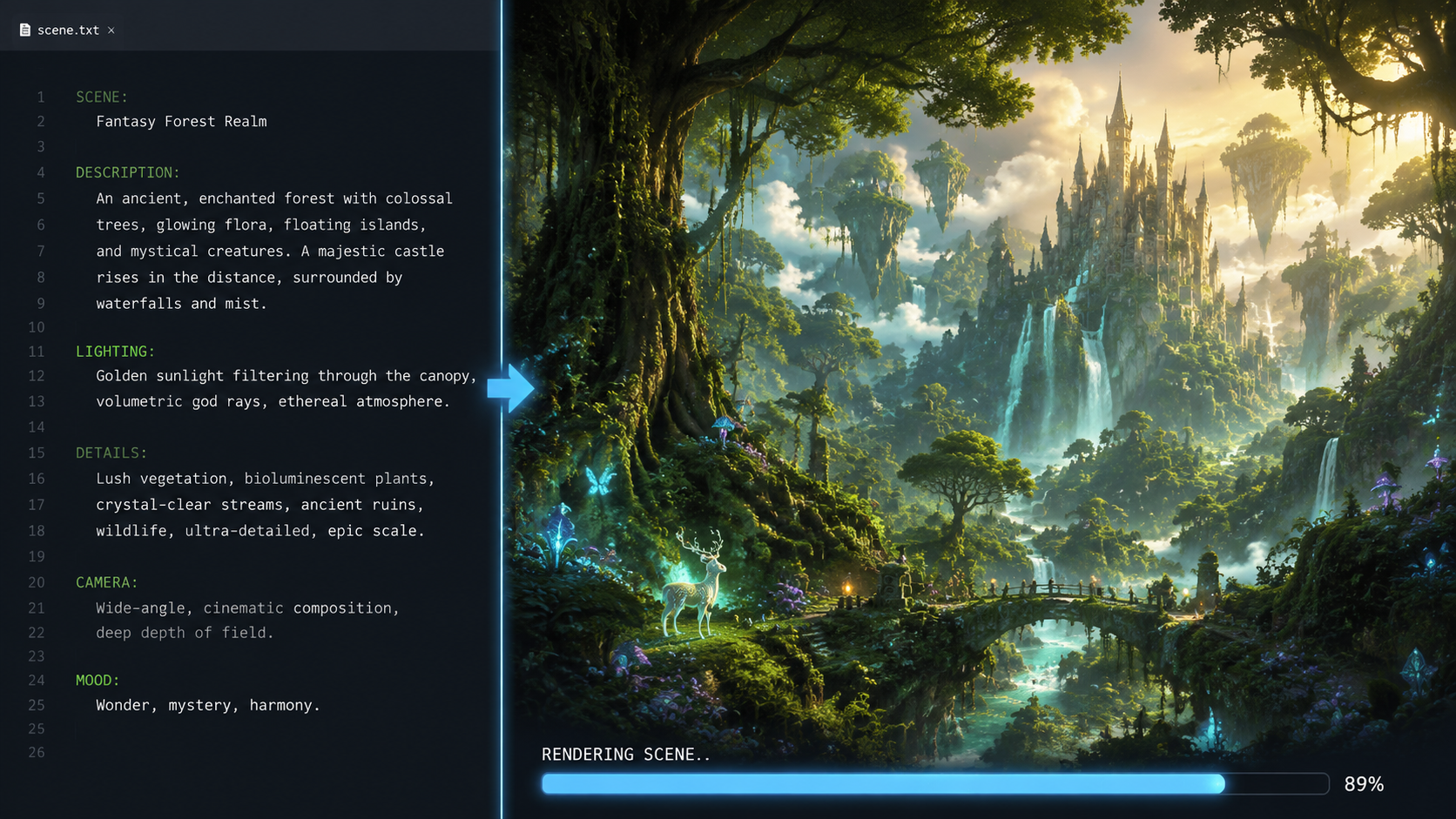
The year 2026 marks a turning point where AI video is no longer just a novelty. According to The Ankler, the rise of models like Grok, Kling, and Runway has placed Hollywood in a position where it is "on the outside looking in." This shift is driven by the fact that these AI models can now handle the nuances of storytelling—such as pacing, subtext, and lighting—that were previously the sole domain of human cinematographers. The democratization of these tools means that "everyone is now a director," a sentiment echoed by Business Insider regarding the launch of SeeGen AI’s Seedance 2.0.
For storytellers, the primary challenge has always been "temporal consistency"—keeping the world of the story stable from one second to the next. In 2026, the best text to video AI for storytelling uses advanced transformer architectures to remember what happened in the previous frame. This allows for complex storytelling techniques, such as a character aging over the course of a video or a landscape changing through the seasons, all generated from a single text-based timeline.
Seedance 2.0: The "Script to Cinema" Revolution
Released in April 2026, SeeGen AI’s Seedance 2.0 has set a new benchmark for narrative AI. Unlike earlier versions that focused on 5-second loops, Seedance 2.0 is designed for "cinema-scale" production. It allows users to input a full screenplay and automatically generates a storyboard, which is then rendered into high-definition video. This tool is particularly effective for creators who need to maintain a specific "cinematic" look throughout a 10-minute short film.
Storiaverse and the Hybrid Narrative
Not every story needs to be a continuous movie. As reported by quasa.io in May 2026, Storiaverse has introduced a "fresh evolution" in storytelling. This platform allows creators to blend text-based reading with seamless animation transitions. This is ideal for authors who want to enhance their digital books with immersive AI-generated visuals that trigger at specific points in the narrative, providing a "choose your own adventure" feel that is visually stunning.
Comparing the Top Text to Video AI Tools of 2026
Choosing the right text to video AI for storytelling depends on your specific needs—whether you require hyper-realistic visuals, rapid ideation, or professional-grade cinematic control. The following table compares the leading platforms based on the latest 2026 data from FinancialContent and Drift Travel Magazine.
| AI Platform | Primary Strength | Best For... | Key Feature (2026) |
|---|---|---|---|
| Kling | Hyper-Realism | High-end Commercials & Films | Advanced Physics Engine |
| SeeGen AI | Narrative Control | Indie Filmmakers | Seedance 2.0 Script-to-Cinema |
| Runway | VFX & Editing | Creative Professionals | Multi-Motion Brush Control |
| Mango AI | Speed & Ease | Visualizing Concepts/Business | Instant Idea-to-Video |
| Storiaverse | Hybrid Media | Authors & Digital Publishers | Text-to-Animation Toggling |
Visualizing Ideas with Mango AI and Grok
For many creators, the barrier to storytelling isn't the lack of a plot, but the difficulty of "visualizing ideas." Mango AI, introduced in early 2026, addresses this by focusing on the conceptual phase of storytelling. According to WebWire, Mango AI’s tool is specifically designed to take abstract concepts and turn them into coherent visual presentations. This makes it an essential text to video AI for storytelling in corporate environments or educational settings where clarity is more important than cinematic flair.
Meanwhile, Grok's integration into the video space has brought a new level of "real-time" storytelling. By leveraging live data and social trends, Grok allows users to generate topical video content that reacts to current events. While it may lack the polished cinematic finish of SeeGen AI, its ability to weave current facts into a narrative makes it a powerful tool for documentary-style storytelling and social commentary.
The Role of Creative Professionals in 2026
Despite the power of these tools, Drift Travel Magazine highlights that the most successful "creative professionals" are those who use AI as a collaborator rather than a replacement. The "7 Must-Use AI Video Tools" identified in their March 2026 report emphasize that the human element—the "soul" of the story—remains the most important factor. AI handles the labor-intensive rendering and animation, but the prompt engineering and narrative pacing still require a human touch.
Advanced Features: What Makes a Great Storytelling AI?
To be considered the best text to video AI for storytelling in 2026, a tool must offer more than just high resolution. It must offer "directorial agency." This includes features like virtual lighting kits, where a user can tell the AI to "move the key light to the left," and spatial audio integration, where the soundscape changes based on the camera's position within the generated 3D space.
According to FinancialContent, the "5 Best AI Video Makers" of the year all share a common trait: they provide "granular control" over visual elements. This means being able to specify the lens focal length (e.g., "35mm anamorphic") and the specific color grade (e.g., "bleach bypass") within the text prompt. This level of detail ensures that the AI-generated video doesn't just look "good," but looks "intentional."
The Impact of AI on Independent Storytelling
The accessibility of these tools has led to a surge in independent content. Since everyone is now a director, the "gatekeepers" of the film industry are losing their influence. A single creator can now produce a feature-length animated film that rivals the quality of major studios, using nothing but a subscription to a platform like Kling or SeeGen AI. This shift is empowering a new generation of storytellers from diverse backgrounds who previously lacked the budget for high-end production.
Frequently Asked Questions about Storytelling AI
What is the best text to video AI for storytelling in 2026?
SeeGen AI (specifically Seedance 2.0) is widely considered the best for narrative storytelling due to its "Script to Cinema" workflow. For those seeking hyper-realistic visual effects, Kling remains the industry leader.
Can AI generate a full-length movie from a script?
Yes, as of 2026, platforms like SeeGen AI and Kling allow users to process long-form scripts into sequential scenes. While it still requires human oversight for editing and pacing, the core visual generation is fully automated.
Is Storiaverse better for writers or filmmakers?
Storiaverse is specifically designed for authors and digital publishers. It excels at creating a hybrid experience where the audience can switch between reading text and watching AI-animated sequences, making it a "fresh evolution" in digital books.
Does Mango AI work for professional video production?
Mango AI is best suited for "visualizing ideas" and rapid content creation. While it is excellent for business storytelling and educational content, professional filmmakers usually prefer the advanced cinematic controls of Runway or Kling.
How do I maintain character consistency in AI video?
In 2026, most top-tier tools offer "Character Reference" features. By uploading an image or using a specific "seed" ID, you can ensure that the AI generates the same character across different scenes and prompts.
As we move further into 2026, the definition of a "filmmaker" continues to expand. With the right text to video AI for storytelling, the only limit is the creator's imagination. Whether you are using Mango AI to pitch a new concept or SeeGen AI to direct your first feature film, the tools available today are more powerful, intuitive, and accessible than ever before.



Comments ()