
Best Text to Video AI for Social Media in 2026: Top Tools
The best text to video ai for social media in 2026 involves using advanced generative models like OpenAI’s Sora, Meta’s Vibes, and Mango AI to transform written prompts into high-definition, platform-ready clips. These tools allow creators to produce professional-grade content for TikTok, Instagram Reels, and YouTube Shorts without the need for expensive cameras or complex editing software. By leveraging these AI video makers, businesses and influencers can now scale their content production exponentially while maintaining visual consistency.
Text to video AI for social media is a generative technology that uses natural language processing and computer vision to convert written descriptions into fully realized video content. In 2026, these tools integrate directly with platforms like Instagram and TikTok, enabling creators to generate, edit, and publish cinematic 4K videos in minutes rather than hours.
- ✓ OpenAI’s Sora and Meta’s Vibes have revolutionized short-form content for TikTok and Reels.
- ✓ Instagram has integrated simplified AI video editing directly into its "Edits" interface as of April 2026.
- ✓ Mango AI and Hootsuite-recommended tools are now the industry standard for business visual storytelling.
- ✓ High-quality AI video is now a primary driver for social media engagement and business growth.
How to Use Text to Video AI for Social Media Success
Navigating the landscape of generative video requires a strategic approach to ensure your content resonates with your audience. In 2026, the barrier to entry has never been lower, but the competition for attention is higher. Using a text to video ai for social media workflow allows you to maintain a daily posting schedule without burnout. According to Social Media Examiner, creating high-quality AI content is now the fastest way to grow a business presence online, as it allows for rapid testing of different visual hooks and narratives.
To get started with these tools, follow this step-by-step guide to generating your first viral-ready video:
- Define Your Prompt: Write a detailed description of the scene, including lighting, camera movement, and the specific actions of the subjects.
- Select Your Tool: Choose between specialized tools like Mango AI for business presentations or Meta’s Vibes for social-first, trendy aesthetics.
- Configure Aspect Ratios: Ensure you select 9:16 for TikTok and Reels or 16:9 for YouTube to match the platform's requirements.
- Refine with AI Edits: Use the new integrated AI features in apps like Instagram to tweak colors, add transitions, or adjust the pacing of the AI-generated clip.
- Add Audio Overlays: Sync your generated video with trending audio or AI-generated voiceovers to maximize discoverability.
Comparison of Top Text to Video AI Tools in 2026
As the market has matured, different tools have carved out specific niches. Whether you are a solo creator looking for the next viral TikTok trend or a marketing manager at a large corporation, there is a specific text to video ai for social media platform tailored to your needs. The following table compares the leading options available as of mid-2026 based on recent industry reports from Hootsuite and Built In.
| AI Tool | Primary Use Case | Key Feature (2026) | Platform Integration |
|---|---|---|---|
| OpenAI Sora | Cinematic Storytelling | Physics-accurate 60fps video | Direct API for TikTok/YouTube |
| Meta Vibes | Social Trends & Viral Content | Real-time viral audio syncing | Deep Instagram & Facebook integration |
| Mango AI | Business & Visual Ideas | Text-to-Avatar visualization | LinkedIn & Corporate Web |
| Instagram AI Edits | Quick Mobile Adjustments | Simplified generative fill for video | Native Instagram App |
| Hootsuite AI Suite | Enterprise Management | Automated scheduling + AI generation | Multi-platform (X, IG, TikTok) |
The Rise of OpenAI Sora and Meta Vibes on TikTok
The landscape of short-form video changed forever in April 2026 when Built In reported that OpenAI’s Sora and Meta’s Vibes officially launched their direct integration features for TikTok. These tools are no longer just experimental; they are the engines behind the most-watched content on the platform. Sora’s ability to generate hyper-realistic environments has made it a favorite for "storytime" creators, while Meta’s Vibes is specifically tuned to the fast-paced, high-energy aesthetic that TikTok users crave.
Meta Vibes, in particular, leverages the vast data from Instagram and Facebook to understand what visual styles are currently trending. It doesn't just create a video; it creates a video that is statistically likely to perform well based on current user behavior. This "predictive creativity" is a hallmark of 2026 technology. As reported by Social Media Today, the seamless nature of these tools means that a creator can go from a text-based thought to a published 15-second masterpiece in under three minutes.
For creators using text to video ai for social media, the focus has shifted from "how to edit" to "how to prompt." The skill lies in the ability to describe complex emotions and cinematic styles. Sora’s latest version in 2026 supports multi-shot consistency, meaning you can describe a character once and have them appear in multiple scenes with the same clothing and facial features, a feat that was nearly impossible in previous years.
Mango AI and the Business Case for Visualizing Ideas
While Sora and Vibes dominate the entertainment space, Mango AI has emerged as the leader for professional and educational content. In January 2026, WebWire highlighted Mango AI’s introduction of a specialized tool for "Visualizing Ideas." This feature allows users to input complex business concepts or data points and receive a polished video with an AI spokesperson and supporting graphics. This has become an essential tool for B2B marketing on platforms like LinkedIn.
The efficiency gains are staggering. According to Social Media Examiner, businesses using AI video makers have seen a 40% reduction in content production costs while simultaneously increasing their post frequency by 300%. Mango AI’s interface is designed for those who may not have a background in cinematography but need to produce high-quality visual assets. It uses a "drag-and-drop" prompt system that simplifies the generation process for corporate environments.
Furthermore, the integration of text to video ai for social media within business workflows has led to a new era of personalized marketing. Companies can now generate personalized video messages for their followers at scale. By feeding customer data into an AI video generator, a brand can create thousands of unique videos where an AI avatar addresses the customer by name and recommends products based on their history—all from a simple text script.
Instagram's Native AI Integration: A Game Changer for Creators
One of the most significant updates in 2026 came from Instagram. According to Social Media Today (April 26, 2026), Instagram brought "simplified AI video" directly into its "Edits" suite. This move was designed to keep users within the app rather than having them export videos from third-party AI generators. The native tool allows users to highlight a section of their video and use a text prompt to change the background, swap outfits, or even change the weather in the scene.
This democratization of high-end visual effects means that even casual users can produce content that looks like it was made in a Hollywood studio. For professional creators, it offers a way to "fix" footage in post-production using text. If a video was shot on a cloudy day, a simple prompt can transform it into a sunset scene. This level of control, directly within the social media interface, has made text to video ai for social media more accessible than ever before.
Expert picks from the Hootsuite Blog in April 2026 suggest that the most successful creators are those who blend original footage with these AI-enhanced "Edits." The hybrid approach—part real, part AI—tends to maintain the "authenticity" that social media audiences still value, while providing the "wow factor" that only generative AI can deliver. This balance is key to navigating the algorithm in 2026.
Best Practices for AI-Generated Video Content
With great power comes the need for a refined strategy. Simply generating a video is not enough to guarantee success. To truly leverage text to video ai for social media, you must understand the nuances of each platform. For instance, YouTube’s algorithm in 2026 has become highly adept at identifying AI content, rewarding videos that provide genuine value or entertainment rather than just "AI spam."
Here are three pillars of successful AI video content in 2026:
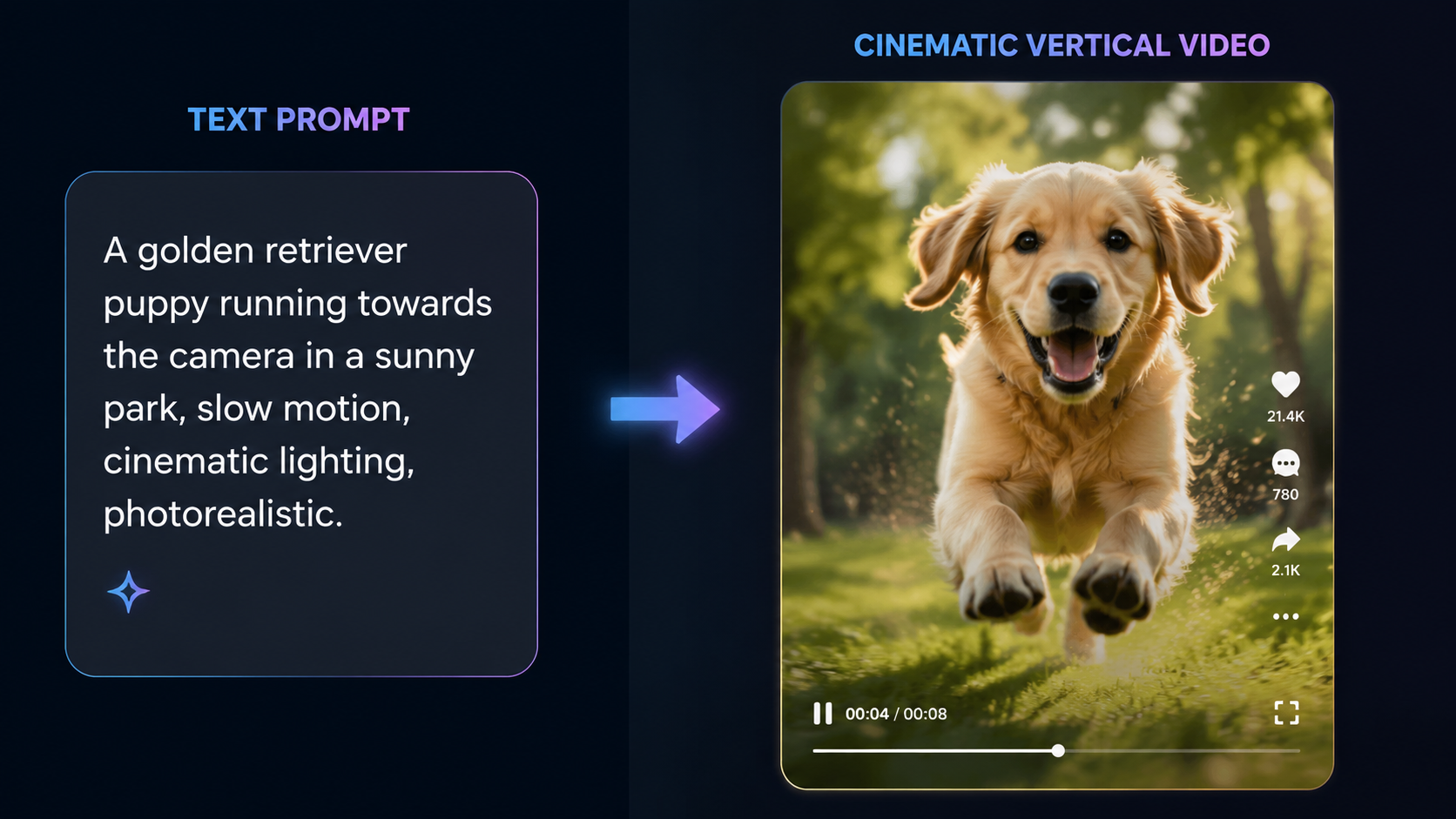
- Prompt Specificity: Avoid generic prompts like "a dog in a park." Instead, use "a golden retriever wearing a neon vest running through a futuristic Tokyo park at night, cinematic lighting, 8k."
- Human-in-the-loop: Always review your AI videos for "hallucinations" or glitches. While the technology in 2026 is vastly improved, the human eye is still the best judge of emotional resonance.
- Platform Optimization: A video that works on TikTok might not work on LinkedIn. Use your text to video ai for social media tool to adjust the tone and style for each specific audience.
According to research from Breaking AC News, the most successful "AI-first" creators are those who treat the AI as a collaborator rather than a replacement. They use the AI to handle the heavy lifting of visual production while they focus on the core message and community engagement. This synergy is what defines the most influential social media accounts of 2026.
The Future of Social Media: What’s Next for AI Video?
As we look toward the end of 2026, the trend is moving toward "real-time" generation. We are beginning to see the first iterations of live-streamed AI video, where a creator can change their environment or appearance in real-time based on viewer comments. This level of interactivity will redefine what it means to "go live" on social media. The text to video ai for social media space is no longer just about static uploads; it is becoming a dynamic, living medium.
Furthermore, the ethical considerations surrounding AI video have led to the widespread adoption of "AI Watermarking." Most major tools, including Sora and Mango AI, now automatically embed metadata that identifies the content as AI-generated. This transparency has actually helped build trust with audiences, as viewers appreciate knowing which parts of a video are synthetic. In 2026, being an "AI Creator" is a badge of honor, representing a mastery of the most cutting-edge tools in the digital age.
What is the best text to video AI for social media in 2026?
OpenAI’s Sora and Meta’s Vibes are currently the top-rated tools for viral social media content, while Mango AI is the preferred choice for business and educational videos. The "best" tool depends on whether you need cinematic realism or platform-specific trends.
Is AI video allowed on TikTok and Instagram?
Yes, both platforms fully support AI video, provided they follow community guidelines. In 2026, Instagram even has built-in AI video editing tools, and TikTok has specific labels to help creators disclose AI-generated content.
Can I create AI videos for free?
Most high-end tools like Sora require a subscription, but many platforms like Instagram offer "simplified AI video" features for free within their mobile apps. There are also "freemium" models available through tools like Mango AI.
How long does it take to generate a video from text?
In 2026, most text to video ai for social media tools can generate a 15-to-30-second high-quality clip in under 2 minutes, depending on the complexity of the prompt and the server load.
Do I need a powerful computer to run these AI tools?
No, most modern AI video generators are cloud-based. All the heavy processing is done on the provider's servers, meaning you can generate 4K videos using a standard smartphone or a basic laptop.



Comments ()