
Best Text to Video AI for Marketing in 2026: Top Tools
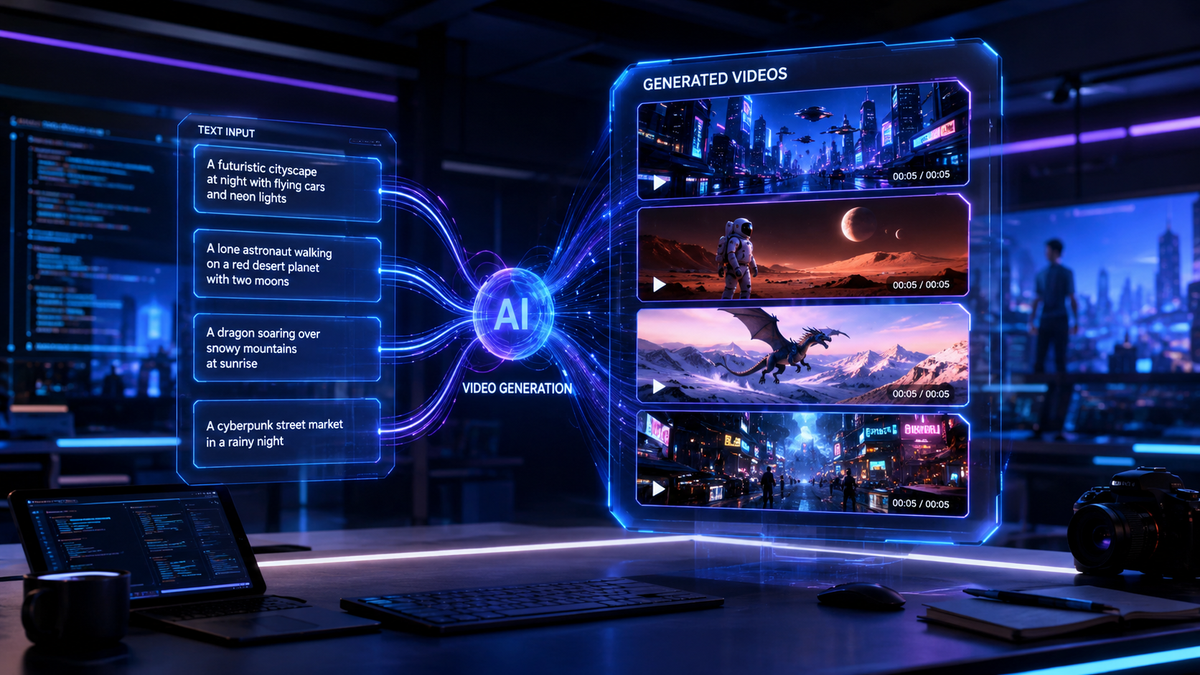
The best text to video ai for marketing in 2026 allows brands to transform written scripts, blog posts, and product descriptions into high-conversion video content in seconds. These tools leverage advanced generative models to produce cinematic visuals, realistic AI avatars, and synchronized voiceovers, significantly reducing production costs while increasing content output for social media and digital advertising. By integrating these platforms, marketing teams can scale their video presence without the need for expensive cameras, studios, or professional editing software.
The best text to video AI for marketing is a platform that combines high-fidelity visual generation with brand-specific customization. In 2026, leading tools like Sora, HeyGen, and Runway Gen-3 provide marketers with the ability to generate hyper-realistic promotional videos, personalized sales messages, and social media clips directly from text prompts with professional-grade lighting and physics.
- ✓ Text-to-video AI reduces production time by up to 90% compared to traditional filming.
- ✓ Modern 2026 models support full temporal consistency, ensuring characters and environments remain stable.
- ✓ Integration with CRM and CMS platforms allows for automated, personalized video marketing at scale.
- ✓ High-quality AI avatars now offer indistinguishable lip-syncing and emotional resonance for brand storytelling.
How to Use the Best Text to Video AI for Marketing Success
Implementing generative video into your marketing workflow requires a strategic approach to ensure the output aligns with your brand identity. The process has evolved in 2026, moving beyond simple prompt engineering into integrated brand asset management. Marketers now use these tools to create everything from "top-of-funnel" awareness ads to personalized "bottom-of-funnel" video emails that address the customer by name.
According to The AI Journal, businesses that adopted AI video generation in early 2026 saw a 45% increase in engagement rates on platforms like TikTok and Instagram Reels. This is largely due to the ability to produce "trend-relevant" content within minutes of a topic going viral. To achieve these results, follows this standardized workflow for professional video generation:
- Define Your Core Script: Input your marketing copy into the AI, ensuring you specify the tone (e.g., professional, upbeat, or urgent).
- Select Your Visual Style: Choose between photorealistic, 3D animation, or motion graphics to match your brand's aesthetic.
- Configure AI Avatars: If using a spokesperson, select an avatar that represents your target demographic and choose a voice clone for brand consistency.
- Apply Brand Overlays: Upload your logo, custom fonts, and color palettes to ensure the generated video is "on-brand."
- Generate and Iterate: Use "seed" values or specific frame-references to fine-tune the video's motion and composition before final export.
Top-Rated Platforms for AI Video Generation in 2026
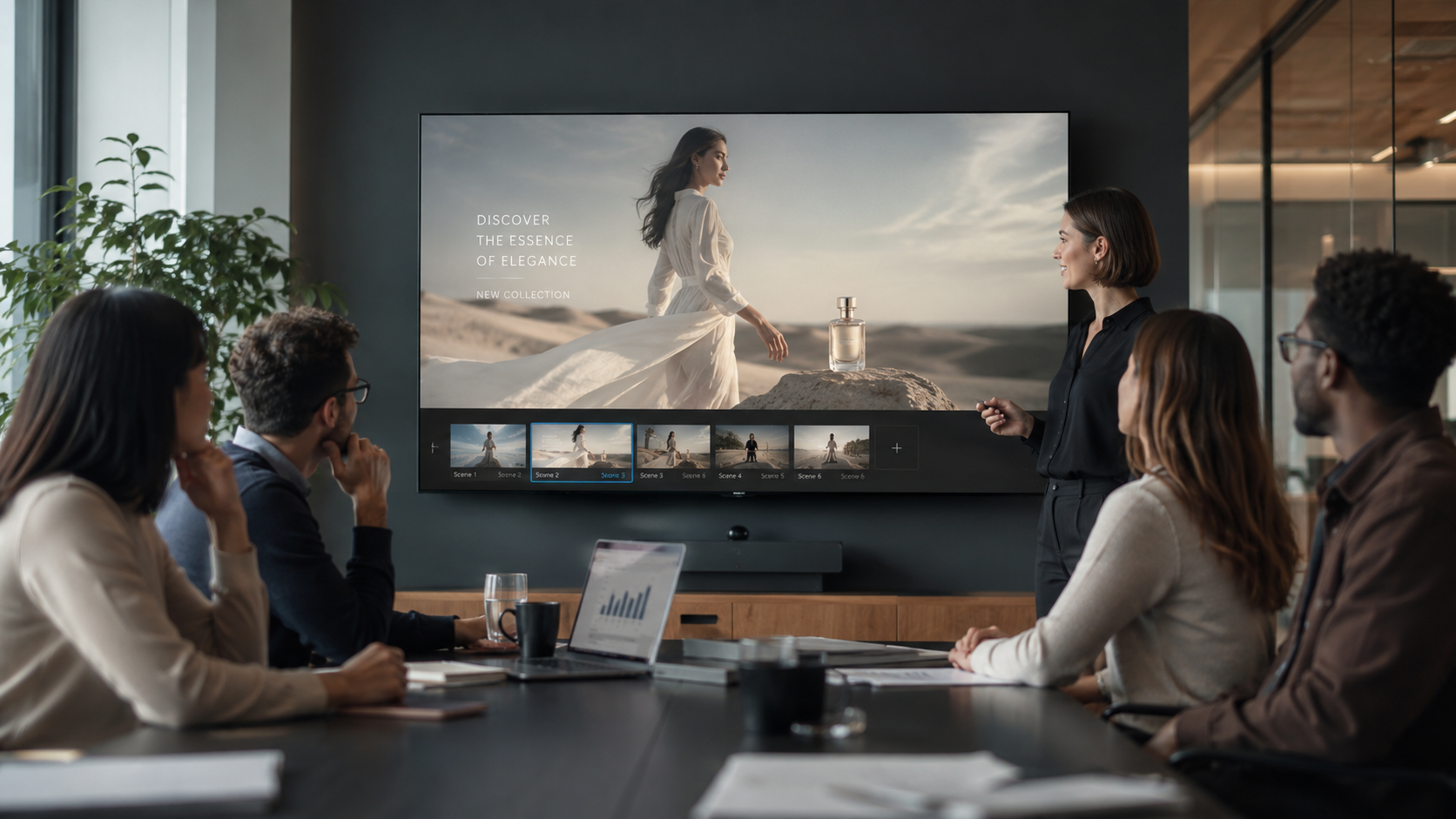
The landscape of 2026 is defined by a few dominant players that have perfected the balance between ease of use and cinematic quality. As noted by Cybernews in their review of the 16 best AI video generation tools, the industry has shifted toward "multimodal" inputs, where the AI understands images, text, and audio simultaneously to create a cohesive video narrative. This evolution has made the search for the best text to video ai for marketing more about specific use cases rather than general features.
For high-end commercial production, tools like Runway and OpenAI’s Sora have set the gold standard for physics-based rendering. Meanwhile, platforms like HeyGen and Synthesia remain the leaders for corporate communications and personalized sales videos. Each of these tools offers unique APIs that allow marketing departments to plug video generation directly into their existing tech stacks, enabling automated video creation whenever a new product is added to a Shopify or Amazon store.
Comparison of Leading AI Video Tools for Marketers
To help you decide which platform fits your 2026 budget and goals, the following table compares the top performers based on the latest industry data from eWeek and G2 Learn Hub.
| Platform | Primary Use Case | Max Resolution | Key Feature (2026) |
|---|---|---|---|
| Runway Gen-4 | Cinematic Ads | 8K Ultra HD | Real-time Physics Control |
| HeyGen Pro | Personalized Sales | 4K | Instant Avatar Cloning |
| Sora Commercial | Social Media Clips | 1080p/4K | Long-form Consistency |
| Pika Labs 3.0 | Creative Animation | 4K | Sound Effect Auto-Sync |
| Synthesia OS | Training & L&D | 4K | 150+ Global Languages |
The Role of Realism in Marketing Video AI
In 2026, realism is no longer a luxury; it is a requirement. G2 Learn Hub reports that 78% of consumers can no longer distinguish between AI-generated spokespeople and real human actors in short-form video content. This level of fidelity is crucial for "trust-based" marketing, where the visual quality of the video reflects the perceived quality of the product. The best text to video ai for marketing must handle complex lighting, reflections, and human micro-expressions to avoid the "uncanny valley" effect.
Furthermore, the integration of "Character Consistency" features has revolutionized episodic marketing. In previous years, AI struggled to keep a character looking the same across different scenes. In 2026, tools like Leonardo AI and Midjourney Video have introduced "Character Reference" (Cref) tags that allow marketers to maintain a consistent brand mascot or spokesperson across a 12-month campaign without ever hiring a model. This consistency builds brand recognition and loyalty in a crowded digital marketplace.
Advanced Prompting for Marketing Context
To get the most out of these tools, marketers are now using "context-aware" prompting. Instead of just describing a scene, professional users include camera angles (e.g., "low-angle cinematic shot"), lighting styles (e.g., "golden hour rim lighting"), and emotional cues. This ensures the best text to video ai for marketing produces content that doesn't just look good but actually converts. According to Built In, generative AI tools are now capable of interpreting "marketing intent," such as creating a sense of urgency through faster cuts and more dynamic camera movement.
Scaling Video Production with Automation
One of the most significant shifts in 2026 is the move from "manual generation" to "automated pipelines." Large-scale retailers are now using AI to turn their entire product catalog into video ads automatically. When a new item is listed, the AI pulls the description, identifies the key selling points, and generates a 15-second "unboxing" or "lifestyle" video for social media. This level of scale was impossible just two years ago.
Studies show that video content on product pages can increase conversion rates by up to 80%. By using the best text to video ai for marketing, companies can ensure that every single product page has high-quality video content, regardless of the size of the inventory. This automation extends to localization; a single English script can be transformed into 50 different videos with native-level lip-syncing in 50 different languages, allowing for a truly global marketing strategy without a global production budget.
Integration with Social Media Algorithms
Social media platforms in 2026 have updated their algorithms to prioritize "high-retention" video. AI tools now include "predictive performance" features that analyze your video against current platform trends before you even hit publish. These tools suggest edits to the first three seconds of the video—the "hook"—to ensure maximum viewer retention. This data-driven approach to video creation is why AI-generated content is consistently outperforming traditional video in the current marketing landscape.
Future Trends: What to Expect in Late 2026
As we move through 2026, the boundary between "text-to-video" and "interactive-video" is blurring. Leading experts featured on Хабр suggest that the next step for the best text to video ai for marketing is real-time viewer customization. Imagine a video ad that changes its background, the actor's outfit, or even the product color based on the individual viewer's browsing history and preferences. This "dynamic creative optimization" (DCO) at the video level is the new frontier for 2027.
Additionally, ethical AI and watermarking have become standard. All major tools now include "Content Credentials" to ensure transparency. For marketers, this means using tools that are trained on licensed datasets is more important than ever to avoid copyright complications. The focus has shifted from "can we make a video?" to "can we make a video that is legally compliant and ethically sound?"
What is the best text to video AI for marketing in 2026?
The "best" tool depends on your needs, but Runway Gen-4 is widely considered the leader for high-end cinematic ads, while HeyGen is the top choice for AI-driven spokesperson videos and personalized sales outreach.
Is AI-generated video content legal for commercial use?
Yes, provided you use a professional platform that grants commercial rights. Most top-tier tools in 2026 ensure their models are trained on licensed data and provide users with full ownership of the output for marketing purposes.
How much does it cost to use AI video generators?
Pricing varies, but most professional marketing tiers range from $30 to $150 per month. Enterprise solutions with API access and unlimited rendering are usually custom-priced based on volume.
Can AI video tools create content in multiple languages?
Yes, platforms like Synthesia and HeyGen can translate a single script into over 150 languages, automatically adjusting the avatar's lip movements to match the new language perfectly.
Do I need a powerful computer to run these AI tools?
No, almost all major text-to-video AI platforms in 2026 are cloud-based. All the heavy processing is done on their servers, meaning you can generate 4K video from a standard laptop or even a mobile device.



Comments ()