
Best Text to Video AI for Education: Top 2026 AI Tools
The best text to video AI for education in 2026 allows educators and students to transform written lesson plans, historical scripts, or complex scientific theories into high-quality cinematic presentations instantly. By leveraging advanced generative models like Seedance 2.0 and integrated edtech platforms, teachers can now create personalized learning content that increases student engagement by up to 80% compared to traditional text-based materials. As of mid-2026, the industry has shifted toward multimodal AI that understands pedagogical context, making it easier than ever to bridge the gap between abstract concepts and visual understanding.
Text to video AI for education is a generative technology that converts written prompts or scripts into fully animated or live-action style educational videos. In 2026, the best tools prioritize factual accuracy, "Seedance" level visual fidelity, and seamless integration with Learning Management Systems (LMS) to facilitate immersive, multi-sensory classroom experiences.
- ✓ Seedance 2.0 and Jianzhi-partnered platforms are leading the 2026 market in visual quality and educational reach.
- ✓ Generative AI in education now spans 13 primary use cases, including personalized tutoring and automated lecture summaries.
- ✓ Integration with established edtech providers like Jianzhi ensures that AI-generated content meets curriculum standards.
- ✓ Real-time video generation has become a standard feature for top-tier productivity and learning tools this year.
According to research from AIMultiple in early 2026, there are now 13 distinct use cases for generative AI in the classroom, ranging from automated grading to the creation of bespoke visual aids. This evolution means that the best text to video ai for education is no longer just a novelty; it is a fundamental pillar of modern digital pedagogy. As we navigate through the second half of 2026, the focus has shifted from simple "prompt-to-video" outputs to sophisticated, interactive modules that can adapt to a student's learning pace in real-time.
How to Use Text to Video AI for Educational Content
Implementing AI video tools in an academic setting requires a strategic approach to ensure that the content remains both educational and factually sound. With the release of high-fidelity models like Seedance 2.0 in February 2026, the barrier to entry for creating professional-grade documentaries or science explainers has vanished. Educators can now focus on the "what" of teaching while the AI handles the "how" of visual production.
To get the most out of these tools, follow these standardized steps for 2026 educational workflows:
- Develop a Pedagogical Script: Use a generative AI text tool to draft a script based on your specific curriculum standards or lesson objectives.
- Select an Educational AI Platform: Choose a tool that offers specific "Education Mode" features, such as those integrated with Jianzhi’s edtech ecosystem.
- Input Prompts and Style Constraints: Enter your script into the video generator, specifying the visual style (e.g., 3D animation for biology, historical reenactment for social studies).
- Review for Factual Accuracy: Given the "red flags" noted in some 2026 reviews regarding AI hallucinations, always cross-reference generated visuals with verified academic sources.
- Export and Integrate: Download the final video in 4K resolution and embed it directly into your LMS or classroom presentation software.
Top Features of the Best Text to Video AI for Education
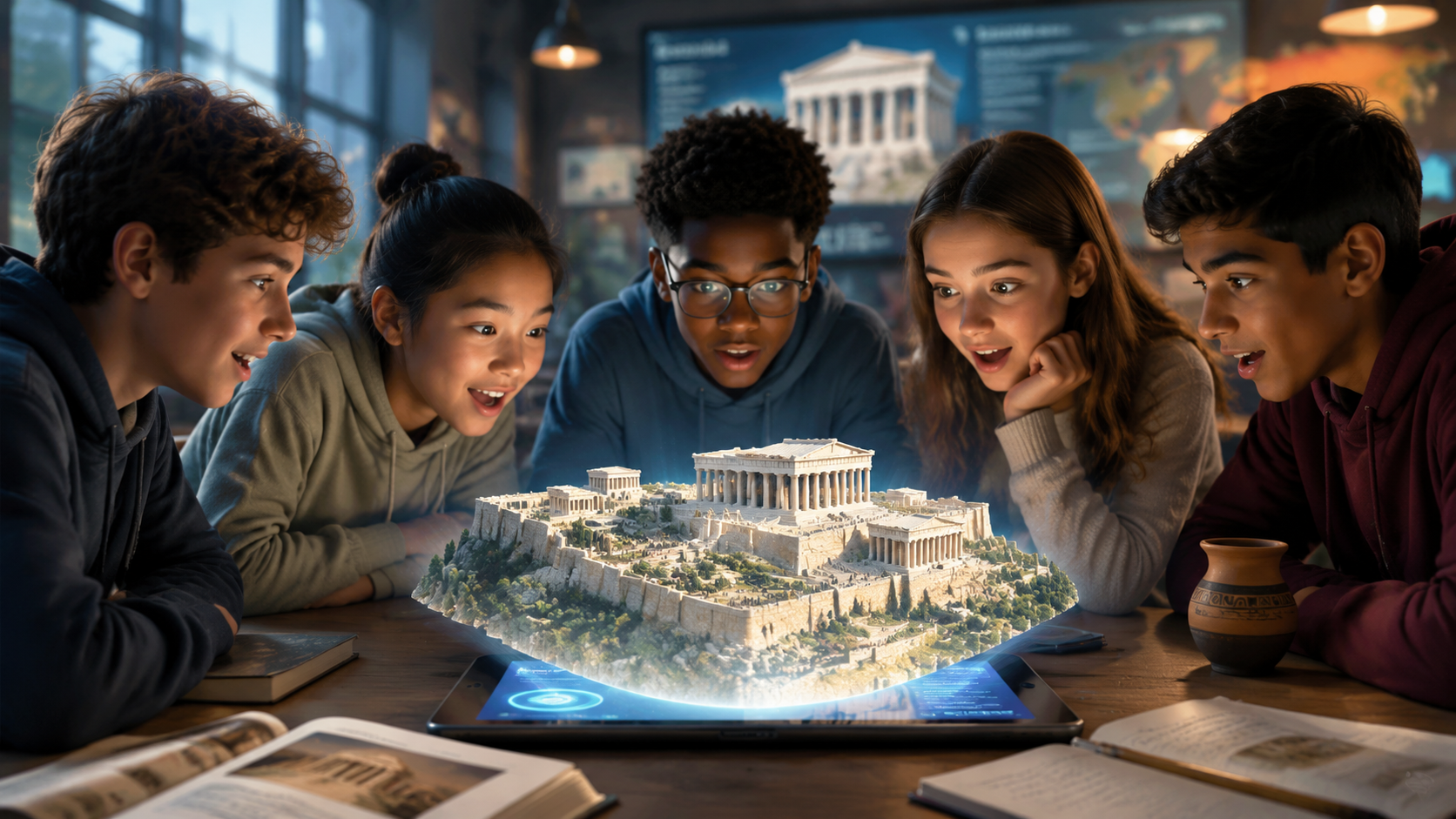
The landscape of 2026 is dominated by tools that offer more than just moving images. The current generation of AI video tools emphasizes "Phenomenal AI Video" quality, as described by No Film School in their review of Seedance 2.0. For educators, this means the ability to generate hyper-realistic simulations of chemical reactions or physics experiments that would be too dangerous or expensive to perform in a physical lab.
Furthermore, the collaboration between top-20 generative AI platforms and Jianzhi has introduced a new level of "curriculum awareness." These tools are no longer generic; they are trained on vast datasets of educational benchmarks. This ensures that when a teacher asks for a video on "The Industrial Revolution," the AI understands the historical nuances and required vocabulary for specific grade levels. According to Stock Titan, these partnerships are pivotal in scaling AI adoption across global school districts this year.
Comparing Top 2026 AI Video Generators
When selecting the best text to video ai for education, it is helpful to compare the leading platforms based on their specific strengths. The following table highlights the key differences between the major players in the 2026 market.
| Platform / Tool | Primary Strength | Best For | Key 2026 Feature |
|---|---|---|---|
| Seedance 2.0 | Cinematic Fidelity | Visual Arts & History | Hyper-realistic motion synthesis |
| Jianzhi Integrated AI | Curriculum Alignment | K-12 Classrooms | LMS direct-sync & Quiz generation |
| Remaker AI Suite | Productivity & Speed | Higher Education | One-click lecture-to-video conversion |
| PerfectCorp AI 2026 | Interactive Elements | Vocational Training | AR/VR video export options |
Addressing the Challenges: Red Flags and Accuracy
While the potential of these tools is immense, 2026 has also brought a heightened awareness of the risks involved. A report by No Film School regarding Seedance 2.0 highlighted several "red flags," primarily concerning the lack of transparency in training data and the potential for deepfake-style misinformation. In an educational context, these risks are magnified. It is vital for institutions to utilize "Remaker" tools and other productivity suites that include built-in fact-checking layers.
According to Jaro Education, the best AI tools in 2026 are those that balance ease of use with ethical safeguards. This includes features like watermarking AI-generated content and providing "source citations" for the visuals created. As educators, the responsibility lies in teaching students how to critically analyze these AI-generated videos, treating them as dynamic textbooks rather than absolute truths. This critical thinking component is now considered the 14th use case for generative AI in modern curricula.
The Impact of Jianzhi and Edtech Partnerships
A significant milestone in June 2026 was the announcement that a top-20 generative AI platform officially teamed up with Jianzhi to revolutionize edtech. This partnership signifies a move away from "general-purpose" AI toward specialized "Educational AI." These specialized models are designed to minimize the "red flags" associated with consumer-grade video generators by adhering to strict academic guidelines and content filters.
The best text to video ai for education in this category offers features like "Auto-Captioning for Accessibility" and "Multi-language Dubbing," allowing a single lesson to be distributed globally in dozens of languages instantly. Built In’s 2026 report on the top 48 AI apps notes that accessibility is the primary driver for AI adoption in public schools this year. By converting text to video, educators can support students with different learning needs, including those with dyslexia or visual impairments who benefit from auditory and high-contrast visual stimuli.
Productivity Gains in Higher Education
In the university sector, the focus is on productivity. Jaro Education highlights that the "Remaker AI" tools of 2026 are helping professors turn 60-minute lectures into 5-minute "digest videos" for revision. This use of the best text to video ai for education helps reduce student burnout and improves information retention. Instead of re-reading hundreds of pages of notes, students can watch a generated summary that highlights the core thesis of a lecture using high-quality visuals.
Future Trends: What to Expect Beyond 2026
As we look toward the end of 2026 and into 2027, the trend is moving toward "Interactive Generative Video." This means students won't just watch a video; they will be able to pause the video and ask the AI to "show me that from a different angle" or "explain that step in more detail." The integration of "Seedance-level" graphics with real-time conversational AI will create a "virtual tutor" experience that was once the stuff of science fiction.
Studies show that by the end of 2026, over 60% of K-12 schools in developed regions will have integrated at least one generative video tool into their standard teaching toolkit. The focus will remain on ensuring these tools are "Free, Top, and Productive," as suggested by recent industry reviews. The democratization of high-end video production means that a rural schoolhouse now has the same storytelling power as a major university film department.
Frequently Asked Questions
What is the best text to video AI for education in 2026?
The "best" tool depends on your needs, but Seedance 2.0 is currently the leader for visual quality, while Jianzhi-partnered platforms are the most reliable for curriculum-aligned classroom use. Remaker AI is also highly recommended for quick productivity tasks in higher education.
Are these AI video tools free for teachers?
Many top 2026 tools offer "freemium" models where basic video generation is free, but high-resolution exports and advanced educational templates require a subscription. Jaro Education lists several "Free Top AI Tools" that are specifically optimized for teacher budgets.
How do I ensure the AI video is factually correct?
Always review the generated script before production and use the "Fact-Check" toggle available in many 2026 edtech AI suites. Despite the "phenomenal" quality of tools like Seedance 2.0, human oversight remains necessary to catch potential "red flags" or inaccuracies.
Can AI videos be used for students with special needs?
Yes, one of the top use cases in 2026 is using text-to-video AI to create accessible content. These tools can automatically generate subtitles, sign language avatars, and simplified visual metaphors to help students with various learning disabilities.
What are the "red flags" mentioned in 2026 AI reviews?
The primary red flags involve data privacy, the potential for biased content, and the lack of transparency in how the AI "imagines" historical or scientific events. Educators are encouraged to use platforms that have dedicated "Educational Safety" certifications.
In conclusion, the best text to video ai for education in 2026 is a tool that combines the raw power of generative models with the precision of pedagogical standards. Whether you are using Seedance 2.0 for its "phenomenal" visual output or a Jianzhi-integrated platform for its classroom-ready features, the goal remains the same: to make learning more visual, accessible, and engaging for every student.



Comments ()