
Best Text to Video AI for Creators: 2026 Ultimate Guide
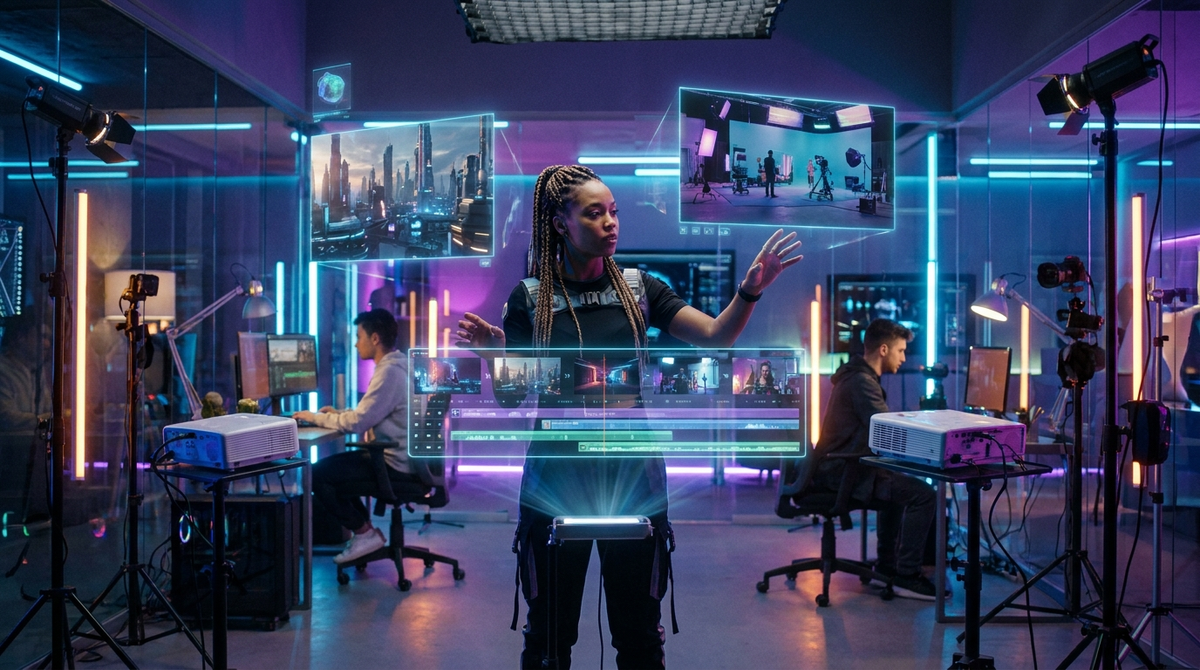
The landscape of digital content has shifted dramatically in 2026, making text to video ai for creators the most essential tool in a modern production toolkit. These advanced generative models allow users to transform written scripts into high-fidelity, cinematic video content in a matter of seconds, bridging the gap between imagination and visual execution. Whether you are an independent YouTuber, a marketing professional, or a social media influencer, utilizing AI video generators is now the industry standard for maintaining a competitive edge in a saturated market.
Text to video AI for creators is a generative technology that utilizes large language models (LLMs) and diffusion networks to synthesize video frames from natural language prompts. In 2026, these tools provide seamless motion, temporal consistency, and high-definition resolution, enabling creators to produce professional-grade content without traditional filming or animation expertise.
- ✓ AI video generators like Sora and Mango AI now produce hyper-realistic 4K footage from simple text prompts.
- ✓ Strategic integration of AI tools can reduce video production timelines by up to 90% for digital creators.
- ✓ Platforms like YouTube and Adobe have integrated native AI generation directly into their creative suites.
- ✓ The focus in 2026 has shifted from "experimental clips" to full-length, narrative-driven AI content.
The Evolution of Text to Video AI for Creators in 2026
As we navigate through 2026, the technology behind video generation has matured far beyond the uncanny valley. According to Analytics Insight, AI video generators are redefining digital content strategy by allowing brands to pivot their visual messaging in real-time. This agility was previously impossible when production required physical sets, actors, and lengthy post-production cycles. Today, the synthesis of light, physics, and human emotion in AI-generated video is nearly indistinguishable from reality.
The democratization of these tools has also reached a fever pitch. With the release of Mango AI's free generator in May 2026, the barrier to entry has effectively vanished. Creators who once lacked the budget for expensive camera gear or high-end editing software can now compete on a global scale. This shift is not just about cost; it is about the speed of thought-to-visual, where a creator can script an idea at breakfast and have a finished video ready for distribution by lunch.
How to Use Text to Video AI for Creators: A Step-by-Step Guide
- Draft a Descriptive Prompt: Start with a clear narrative or descriptive paragraph. Include details about lighting (e.g., "golden hour"), camera movement (e.g., "cinematic tracking shot"), and the specific subject matter.
- Select Your AI Engine: Choose a platform based on your needs—OpenAI’s Sora for realism, Adobe Firefly for brand-safe commercial work, or YouTube’s native tools for Shorts.
- Configure Visual Parameters: Set your aspect ratio (9:16 for vertical, 16:9 for widescreen) and resolution. In 2026, most top-tier tools default to 4K.
- Generate and Iterate: Run the initial generation. Use "seed" numbers or iterative prompting to refine specific movements or textures that didn't land perfectly the first time.
- Post-Production Enhancement: Export your AI video into a traditional editor or use built-in AI tools to add voiceovers, background music, and captions.
Top Platforms for Text to Video AI for Creators
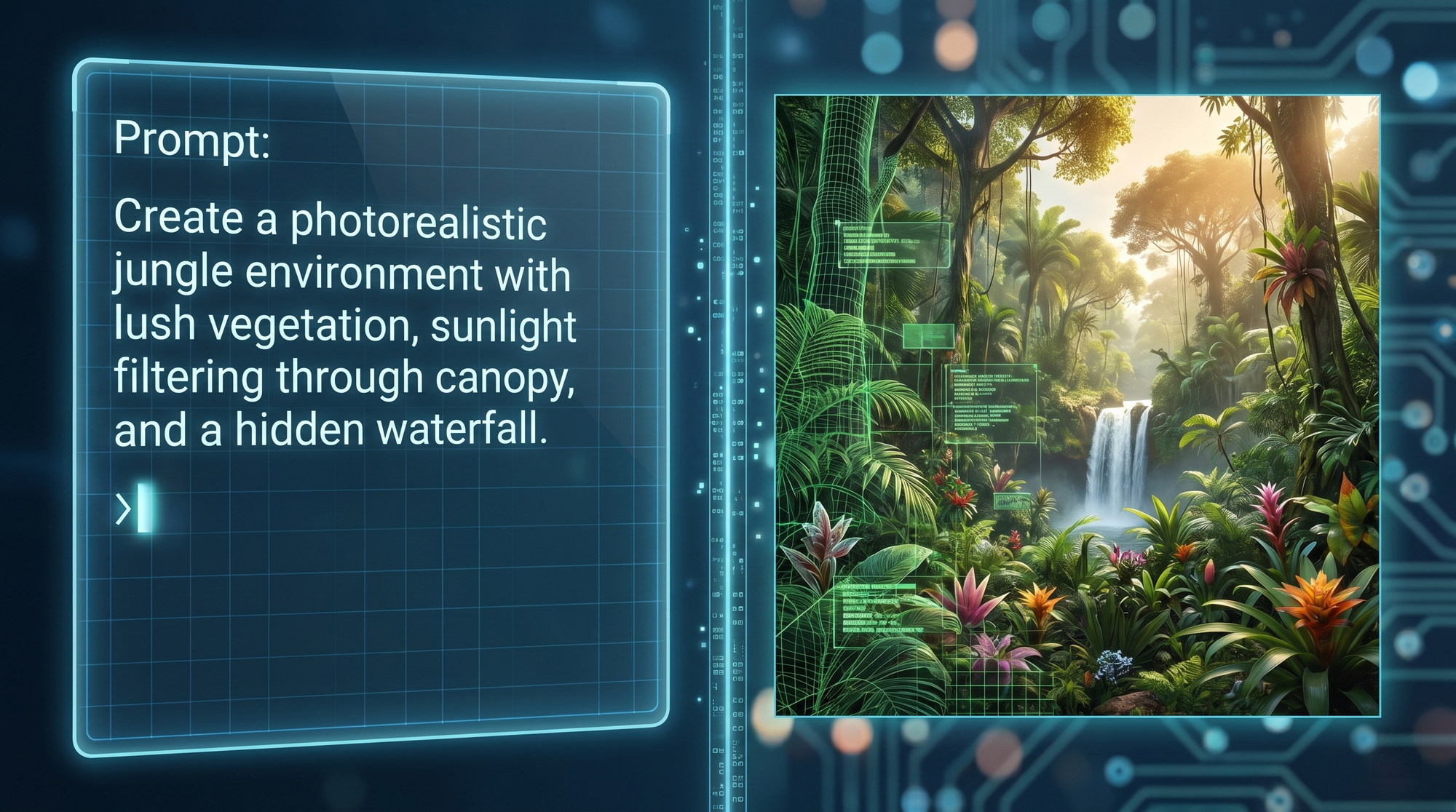
The market in 2026 is dominated by a few key players who have refined their algorithms to handle complex physics and long-form consistency. OpenAI’s Sora remains a titan in the space, having pioneered the ability to create videos up to several minutes long from a single prompt. Since its major updates in February 2026, Sora has focused on "world consistency," ensuring that objects moving out of frame remain identical when they return, a feat that was a significant hurdle just two years ago.
Meanwhile, Adobe has taken a creator-centric approach by integrating Firefly directly into Premiere Pro and After Effects. As noted by The AI Economy, Adobe provided select creators with unlimited AI generations through early 2026 to foster a new wave of "AI-native" cinematography. This integration allows creators to generate b-roll on the fly, filling gaps in their timelines without ever leaving their primary editing environment.
For those focused on social media, YouTube's 2025-2026 rollout of generative AI tools for Shorts has been a game-changer. These tools are built directly into the mobile app, allowing creators to describe a background or a scene and have it rendered instantly behind them. This "creation at the point of consumption" is a hallmark of the 2026 creator economy.
Comparison of Leading AI Video Generators (2026)
| Platform | Primary Strength | Max Resolution | Best For |
|---|---|---|---|
| OpenAI Sora | Physics & Realism | 4K / 8K | Cinematic Storytelling |
| Mango AI | Ease of Use / Free Tier | 1080p / 4K | Quick Social Content |
| Adobe Firefly | Commercial Safety | 4K | Professional Marketing |
| YouTube AI Tools | Platform Integration | 1080p (Vertical) | Shorts Creators |
The Impact of AI on Content Strategy and Production
The integration of text to video ai for creators has fundamentally changed how production budgets are allocated. Tech Times reports that AI-powered video creation is transforming content production by shifting the focus from "how to film" to "what to create." In 2026, the value of a creator is measured by their prompt engineering skills and their ability to direct an AI, rather than their technical ability to operate a physical camera.
This transformation is particularly evident in the world of educational and "explainer" content. Creators can now input a complex scientific paper into an AI generator and receive a fully animated, 3D visualization of the concepts. This has led to a surge in high-quality educational channels that previously struggled with the high cost of custom animation. The ability to visualize the abstract has never been more accessible.
Key Features to Look for in 2026
- Temporal Consistency: The ability for characters and environments to remain stable across multiple shots.
- Multi-Modal Input: The option to use text, images, or even rough sketches to guide the video generation process.
- Direct Sound Synthesis: Many 2026 models now generate synchronized audio and foley effects alongside the video.
Mango AI and the Democratization of Video
A significant milestone in 2026 was the unveiling of Mango AI’s free text-to-video generator. As reported by Scott Coop in May 2026, this tool was designed for "effortless video creation," specifically targeting the entry-level creator market. By offering high-quality generation without a steep monthly subscription, Mango AI has forced the industry to rethink its pricing models, leading to more affordable options across the board.
Mango AI specializes in "talking head" videos and social media templates, making it a favorite for small business owners and LinkedIn creators. While it may not have the deep cinematic physics of Sora, its utility in the "prosumer" space is unmatched. It represents the trend of 2026: AI tools that are specialized for specific niches rather than trying to be a one-size-fits-all solution.
Ethical Considerations and Authenticity in 2026
As text to video ai for creators becomes ubiquitous, the conversation around authenticity has intensified. In 2026, most major platforms have implemented "AI-generated" labels to ensure transparency for viewers. Creators are finding that while AI can handle the visual heavy lifting, the "human element"—the unique perspective, the voice, and the personal storytelling—is what truly builds a loyal audience.
According to recent industry studies, audiences are becoming more sophisticated at identifying AI content. This has led to a hybrid approach where creators use AI for spectacular backgrounds or complex visual effects while maintaining a human presence on camera. This synergy between human creativity and machine execution is the defining characteristic of successful content in 2026. The goal is no longer to replace the creator, but to augment their capabilities to an infinite degree.
What is the best text to video AI for creators in 2026?
Sora by OpenAI is widely considered the best for high-end cinematic realism, while Mango AI is the top choice for creators seeking a free, user-friendly interface for social media content. Adobe Firefly remains the gold standard for professional editors who require deep integration with existing creative workflows.
Can I create AI videos for free in 2026?
Yes, platforms like Mango AI have introduced free tiers that allow creators to generate high-quality videos without upfront costs. Additionally, many platforms offer trial periods or credit-based systems that allow for limited free generation each month.
Are AI-generated videos allowed on YouTube?
YouTube not only allows AI-generated videos but has actively integrated generative AI tools for its Shorts creators as of late 2025. However, creators are required to disclose the use of AI through the platform's labeling system to maintain transparency with their audience.
How long does it take to generate a video from text?
In 2026, most AI video generators can produce a 60-second high-definition clip in under three minutes. Higher resolution outputs or complex physics simulations may take slightly longer, but the speed has improved by over 400% compared to early 2024 models.
Do I need a powerful computer to run text to video AI?
No, most text to video ai for creators operates in the cloud. All the heavy processing is done on the provider's servers (like OpenAI or Adobe), meaning you only need a standard internet connection and a web browser or mobile app to create professional videos.



Comments ()