
Best Text to 4K Video AI Generator Tools in 2026
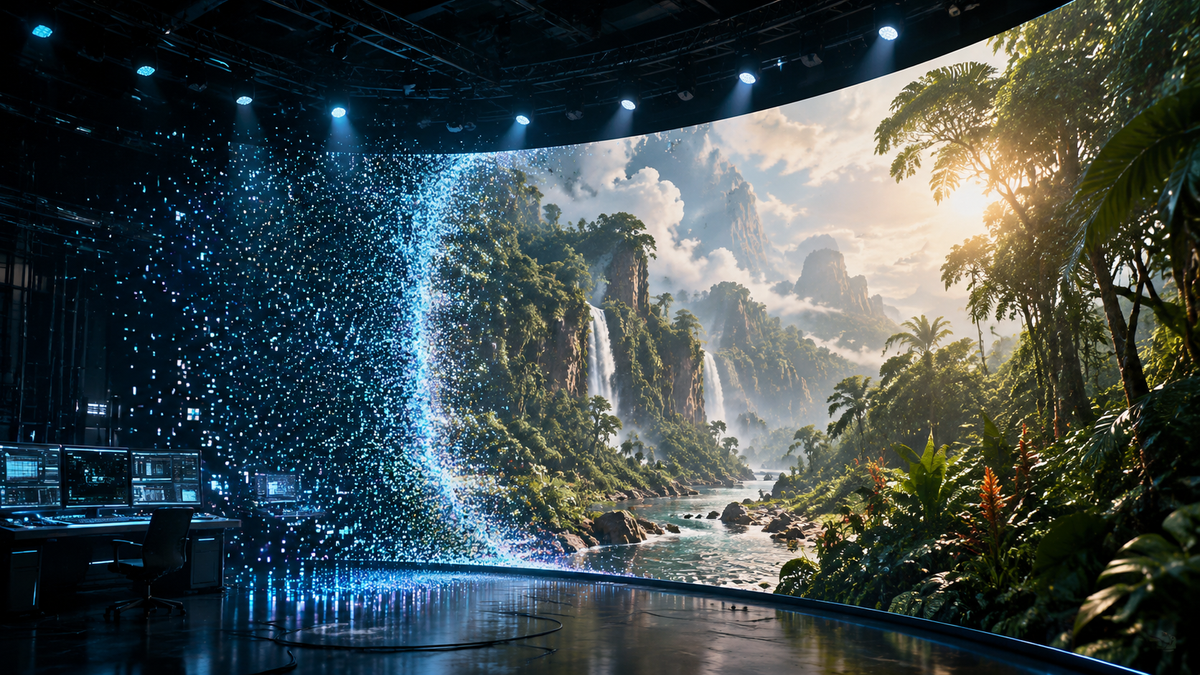
A text to 4k video ai generator is a sophisticated artificial intelligence system that transforms written natural language descriptions into high-resolution, cinematic video content at a 3840 x 2160 pixel resolution. These tools leverage deep learning models, such as diffusion transformers, to synthesize realistic motion, lighting, and textures based on user prompts. In 2026, the industry has shifted from grainy experimental clips to broadcast-quality production, making professional-grade videography accessible to anyone with a creative idea.
The best text to 4k video ai generator tools in 2026 include Seedance 2.0 for realistic human faces, LTX-2 for NVIDIA RTX-accelerated local processing, and Sora-Pro for long-form cinematic consistency. These platforms utilize advanced upscaling and temporal coherence to ensure that 4K outputs remain sharp and fluid throughout the entire duration of the clip.
- ✓ Seedance 2.0 has introduced "Face-Lock" technology for consistent, realistic characters across multiple scenes.
- ✓ Local 4K generation is now viable on consumer hardware using NVIDIA RTX GPUs and ComfyUI optimizations.
- ✓ Only about 30% of "free" AI video tools currently deliver true 4K resolution without significant watermarking or artifacts.
- ✓ The integration of LTX-2 allows for real-time 4K previews, drastically reducing the creative feedback loop for editors.
How to Use a Text to 4K Video AI Generator
Generating high-resolution video requires more than just a simple sentence. To achieve true 4K clarity, users must leverage specific prompting techniques and technical settings within their chosen platform. The process typically involves selecting a base model capable of high-density pixel generation and applying an upscaling pass to ensure the final output meets the 3840p standard without losing detail.
According to recent tests conducted by Geeky Gadgets in May 2026, only 3 out of 10 popular "free" tools actually deliver the resolution they promise. Therefore, following a structured workflow is essential to ensure you are not wasting compute credits on sub-par results. Here is the standard workflow for professional 4K AI video production:
- Draft a Detailed Prompt: Describe the subject, lighting (e.g., "golden hour"), camera movement (e.g., "cinematic dolly zoom"), and specific 4K descriptors like "highly detailed textures" or "8k raw footage style."
- Select the 4K Model Variant: Choose a model specifically optimized for high resolution, such as the LTX-2 or Seedance 2.0 Ultra, rather than standard-definition base models.
- Configure Aspect Ratio and Framerate: Set your output to 16:9 for widescreen 4K and ensure the framerate is set to at least 24fps or 30fps for smooth motion.
- Generate and Refine: Run the initial generation. If the motion is correct but the clarity is lacking, use the platform's internal "4K Upscaler" or "Enhancer" tool.
- Export in High Bitrate: Download the final file in a format like H.265 or ProRes to maintain the 4K integrity during the compression process.
Top Rated Text to 4K Video AI Generator Platforms of 2026

The landscape of AI video has evolved rapidly this year. While 2025 was defined by 720p and 1080p outputs, 2026 is the year where 4K became the industry standard. Leading the charge is Seedance 2.0, which, according to a May 2026 report by fathomjournal.org, has finally "cracked" the code for unlimited realistic AI videos featuring consistent human faces. This development is a game-changer for filmmakers who previously struggled with "morphing" faces in high-resolution renders.
Another major contender is the NVIDIA LTX-2 ecosystem. As reported on the NVIDIA Blog in January 2026, the company has integrated 4K AI generation directly into local PC workflows via ComfyUI. This allows users with RTX-powered hardware to bypass cloud subscription fees and generate 4K content locally with unprecedented speed. This shift toward local "edge" generation marks a significant departure from the cloud-only models that dominated previous years.
Seedance 2.0: The King of Realism
Seedance 2.0 has positioned itself as the premier choice for creators focusing on human-centric content. Its latest update allows for "Real Face" mapping, which ensures that a character's features remain identical across different prompts. For those searching for a text to 4k video ai generator that can handle close-up shots of people without the "uncanny valley" effect, Seedance 2.0 is currently the top recommendation in the creative community.
NVIDIA LTX-2 & ComfyUI: The Pro Choice
For technical users and professional editors, the combination of NVIDIA's LTX-2 architecture and the ComfyUI interface offers the most control. By utilizing the TensorRT cores in modern RTX GPUs, LTX-2 can render 4K frames significantly faster than previous iterations. This setup is ideal for studios that require high-volume output and deep customization of the latent space during the generation process.
Comparison of Leading 4K AI Video Tools
Choosing the right tool depends on your hardware, budget, and the specific type of video you need. Below is a comparison of the top-performing platforms based on the latest 2026 industry data from Analytics Insight and eWeek.
| Platform | Max Resolution | Key Strength | Processing Type |
|---|---|---|---|
| Seedance 2.0 | 4K (Ultra HD) | Realistic Human Faces | Cloud-Based |
| NVIDIA LTX-2 | 4K (Native) | Speed & Local Control | Local (RTX GPU) |
| Sora-Pro | 4K (Upscaled) | Long-form Narratives | Cloud-Based |
| Runway Gen-4 | 4K (Cinema) | Artistic Style Transfer | Hybrid |
| Pika Labs v3 | 4K (Enhanced) | Physics-based Animation | Cloud-Based |
The Impact of Hardware Acceleration on 4K AI Video
In 2026, the distinction between software and hardware has blurred. According to the NVIDIA Blog, the latest RTX upgrades have made it possible for a standard desktop PC to outperform many cloud-based servers in terms of generation latency. This is largely due to the "LTX-2" model architecture, which is specifically designed to leverage the parallel processing power of modern graphics cards. For users, this means that a text to 4k video ai generator is no longer just a website you visit, but a powerful tool that lives on your hard drive.
This shift has also led to the rise of "open-source" 4K models. Platforms like Хабр have noted that the top 12 AI video generators of 2026 include several community-driven models that have been fine-tuned for specific cinematic styles. These models often run on ComfyUI, providing a modular approach where users can plug in different "nodes" for motion control, depth mapping, and 4K upscaling. This modularity ensures that the quality of the video is limited only by the user's hardware and creativity, rather than a service provider's tier system.
The Role of Temporal Coherence
One of the biggest hurdles in 4K generation was "flicker"—the subtle changes in pixels between frames that make a video look unstable. In 2026, new algorithms have largely solved this. By using temporal consistency layers, tools like Seedance 2.0 and LTX-2 analyze the preceding frames to ensure that the 4K detail remains locked in place. This is crucial for professional work where any visual glitch can break the viewer's immersion.
Future Trends: What to Expect in Late 2026
As we move through the latter half of 2026, the trend is moving toward "Multimodal 4K." This means generators are not just taking text as input, but also audio, brainwaves (in experimental settings), and real-time video feeds. The goal is to create a seamless pipeline where a creator can describe a scene, hum a melody for the background music, and have a fully mastered 4K video produced in minutes.
Furthermore, the democratization of these tools is continuing. While eWeek highlighted 7 "best" generators for stunning results in April 2026, the list is constantly expanding. We are seeing a "race to the bottom" in terms of pricing, with many platforms offering high-tier 4K exports for a fraction of what they cost just twelve months ago. This is driving a massive influx of AI-generated content into mainstream media, advertising, and even feature-length independent films.
Frequently Asked Questions
What is the best text to 4k video ai generator for realistic people?
Seedance 2.0 is currently considered the industry leader for realistic human generation. Its recent 2.0 update introduced advanced facial mapping that maintains consistency and high-resolution detail even in complex 4K scenes.
Can I generate 4K AI video for free?
While many tools offer free trials, Geeky Gadgets reported in May 2026 that only about 3 out of 10 free tools actually deliver true 4K resolution. Most free versions cap the resolution at 720p or 1080p to save on server costs.
Do I need a powerful GPU to run 4K AI video generators?
If you are using cloud-based tools like Sora-Pro or Seedance, you do not need a powerful GPU. However, for local generation using NVIDIA LTX-2 and ComfyUI, an RTX-series card is required to handle the intensive 4K processing demands.
How long does it take to generate a 4K AI video?
In 2026, a 10-second 4K clip typically takes between 2 to 5 minutes to generate on a high-end cloud server. Local generation on an NVIDIA RTX PC can be even faster, sometimes approaching real-time for lower-complexity scenes.
Is AI-generated 4K video legal for commercial use?
Most professional platforms like Runway and Seedance 2.0 provide commercial usage rights with their paid subscriptions. However, users should always check the specific terms of service, as copyright laws regarding AI-generated content continue to evolve in 2026.
In conclusion, the era of the text to 4k video ai generator has matured into a professional-grade industry. Whether you are using the local power of NVIDIA LTX-2 or the hyper-realistic cloud capabilities of Seedance 2.0, the ability to create stunning, high-resolution visual stories is now more accessible than ever. As these tools continue to refine their temporal coherence and realism, the boundary between AI-generated content and traditional cinematography will continue to disappear.



Comments ()