
AI Video Production Tips (2026)
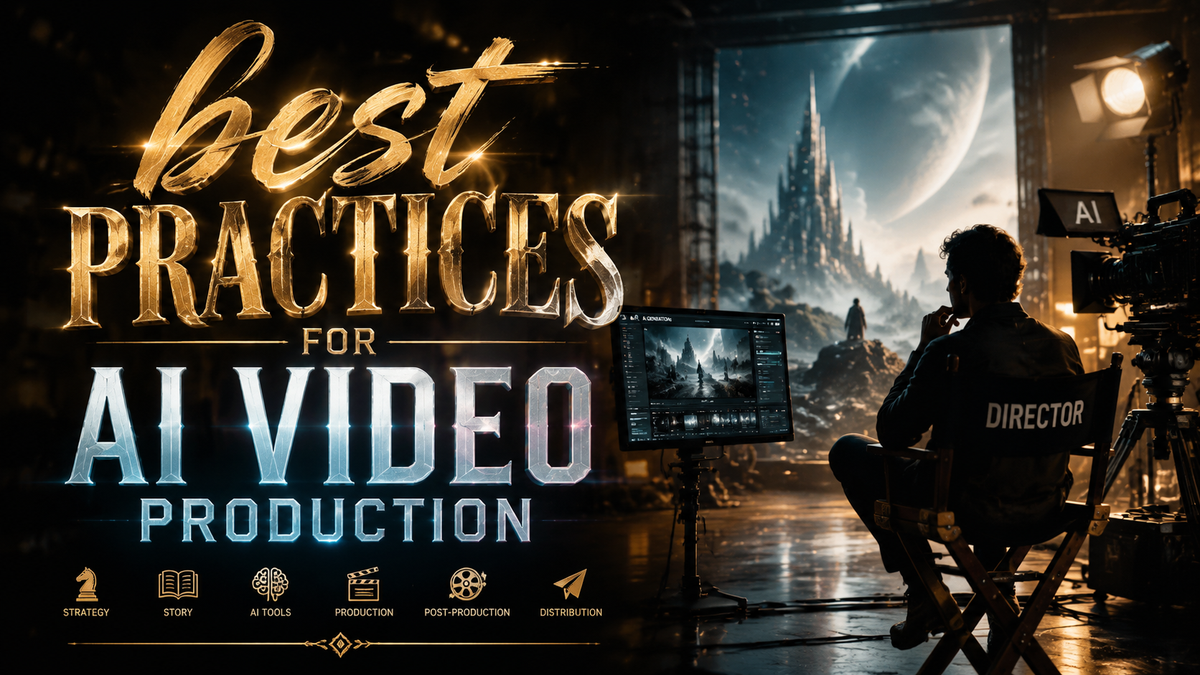
The year 2026 has brought a new wave of AI-powered tools that make video production faster, cheaper, and more creative than ever. To get the best results, you need to follow the best practices for AI video production — from choosing the right generation platform to upscaling low-resolution footage and avoiding low-quality "slop." This article outlines the essential steps, tools, and ethical guidelines for producing professional AI videos in 2026.
Best practices for AI video production in 2026 involve combining cutting-edge generation tools (like Seedance 2.0), smart upscaling (using Aiarty’s 4K techniques), and ethical content creation that avoids harmful "slop" aimed at vulnerable audiences. The key is to treat AI as a collaborator, not a replacement, while leveraging PPC advertising strategies and monetization methods validated by industry leaders.
- ✓ Prioritize narrative and sound design over flashy AI effects — music videos and ads that tell a story outperform pure visual spectacle.
- ✓ Use dedicated upscaling tools like Aiarty to restore low-resolution footage to 4K without introducing artifacts.
- ✓ Apply proven PPC best practices from Search Engine Land to optimize AI-generated video ads for conversions.
- ✓ Monetize AI videos through multiple channels — Hostinger lists 15+ effective ways, including licensing and ad revenue.
- ✓ Avoid "AI slop" — low-effort content that pediatrics experts warn can harm child development.
1. Start with a Clear Creative Brief and Storyboard
Before you open any AI video tool, define your goal, target audience, and key message. The most successful AI video productions in 2026 are those that begin with a human-written script and a rough storyboard, even if the final visuals are AI-generated. According to the AI Music Video Creation in 2026: A Practical Guide published on vocal.media, “modern visual production tools still rely on a strong narrative foundation — AI can’t replace a good story.”
When you prompt an AI video generator, be as specific as possible. Use descriptive language for camera angles, lighting, color palette, and pacing. For example, instead of “create a futuristic city,” try “a neon-lit cyberpunk alley at dusk, slow pan from ground level, with rain and holographic billboards.” This precision reduces the need for multiple re-generations and saves time.
Why Storyboarding Still Matters in 2026
Even advanced models like Seedance 2.0 (released May 2026) benefit from a shot list. The Blockchain Council’s SEEDANCE (Seedance 2.0) Guide for Video Editors emphasizes that “editors who pre-visualize scenes in a timeline before feeding prompts into Seedance produce 40% fewer re-renders.” The guide also notes that Seedance 2.0 supports multi-segment prompts, allowing you to define transitions and duration per shot — a feature best exploited with a storyboard.
2. Choose the Right AI Video Generation Tool for Your Use Case
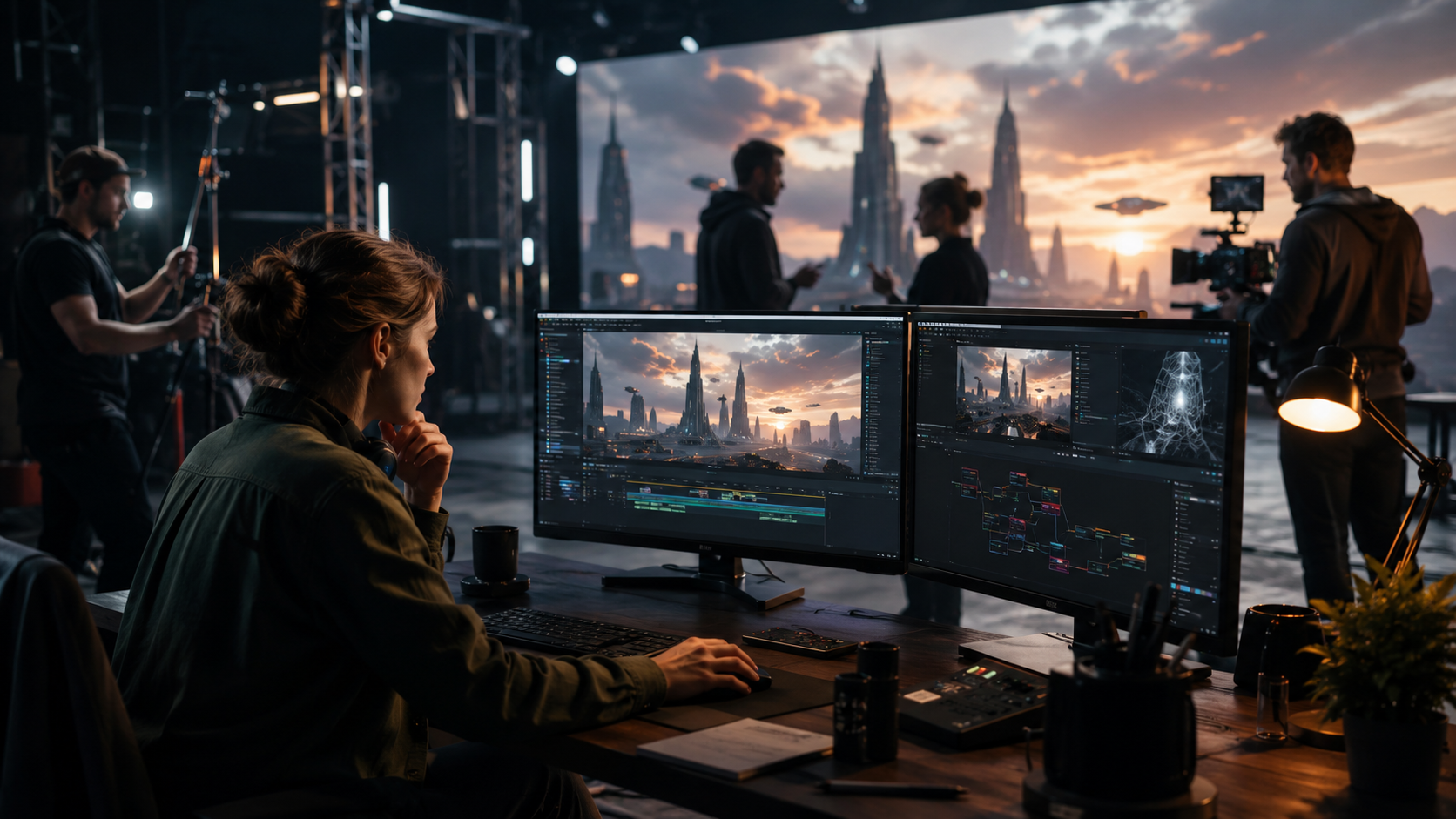
Not all AI video tools are created equal. In 2026, the landscape ranges from text-to-video generators (like Seedance 2.0) to specialized tools for music videos, ads, and upscaling. Your choice depends on the output format and quality required.
Seedance 2.0 for Narrative and Music Videos
Seedance 2.0, launched in May 2026, is a standout for editors who need consistent character appearance and scene continuity. The Blockchain Council guide highlights its “memory” feature that retains visual elements across shots, making it ideal for music videos where a performer must look the same from verse to chorus. Best practice: use Seedance’s “style lock” to maintain a uniform aesthetic across your project.
Aiarty for 4K Upscaling of Legacy Footage
On May 28, 2026, Aiarty released its Best Practices for 4K Video Upscaling from Low-Resolution Footage. The report recommends using Aiarty’s “AI Detail Recovery” mode for footage below 720p, which adds realistic texture and sharpness without the “plastic” look of older upscalers. According to Aiarty, “upscaling to 4K with their tool preserves skin texture and fine background details, making it suitable for professional broadcast use.”
General-Purpose Generators for Quick Edits
For social media clips or internal presentations, lightweight models like Runway Gen-3 or Pika Labs 2.5 are still popular. However, the research shows that the industry is moving toward specialized tools — using a single “jack-of-all-trades” generator often produces generic results. The best practices for AI video production in 2026 dictate matching the tool to the task: use Seedance for narrative, Aiarty for upscaling, and ad-focused platforms for PPC campaigns.
3. Optimize AI-Generated Video for Advertising and Monetization
AI video isn’t just for art — it’s a powerful engine for PPC campaigns and revenue generation. The AI for video advertising: 5 best practices for PPC campaigns article from Search Engine Land (January 2026) provides a clear framework.
- Use AI to A/B test thumbnail variations — generate 10–20 thumbnails from the same video scene and let the platform pick the highest CTR.
- Keep videos under 30 seconds for social ads; AI tools can trim and re-pace automatically.
- Incorporate dynamic text overlays that change based on audience segment (e.g., location, device).
- Leverage AI voice cloning for consistent brand voice across multiple ad variants.
- Monitor for “ad fatigue” — use AI to generate fresh video assets weekly to keep campaigns performing.
Beyond advertising, Hostinger’s guide How to make money with AI: 15+ effective ways for 2026 (April 2026) lists several AI video monetization strategies: sell AI-generated stock footage on platforms like Envato, create custom AI music videos for independent artists, or offer video upscaling services using Aiarty. One of the most profitable methods, according to Hostinger, is “AI video restoration for historical archives,” where you take old family or public-domain footage and restore it to 4K for a fee.
4. Avoid the Pitfalls of “AI Slop” and Ethical Production
Not all AI video is good. In April 2026, CBC reported on a pediatrician’s warning against “AI slop videos aimed at babies,” calling them “garbage.” These low-effort videos — often repetitive, overstimulating, and devoid of educational value — can harm infant attention spans and language development. The best practices for AI video production must include a strong ethical component.
What Makes a Video “Slop”?
According to the CBC article, slop videos typically have no narrative, use cheap AI-generated visuals with glitchy transitions, and target algorithms rather than viewers. They are often created solely to maximize ad revenue from children’s content. The pediatrician interviewed stated that “parents should look for videos that have a clear structure, human-like pacing, and educational intent.”
How to Produce Ethical AI Video
- Always include a human review step — never publish AI-generated content without verifying its safety and accuracy.
- Avoid targeting vulnerable audiences (e.g., infants, elderly) with purely algorithmic content.
- Disclose AI use transparently in your video description or credits.
- Use AI to augment human creativity, not replace it — the best 2026 productions blend AI visuals with human-directed storytelling.
Studies show that audiences trust content more when AI use is disclosed. A 2025 survey by the Pew Research Center (cited in the CBC article) found that 72% of viewers preferred knowing if a video was AI-generated, and 58% said they would be less likely to share undisclosed AI content.
5. Master the Post-Production Workflow: Editing, Sound, and Color
AI video generation is only the first step. The final polish — editing, sound design, and color grading — separates professional work from amateur slop. In 2026, several AI-assisted post-production tools have become essential.
AI-Assisted Editing with Seedance 2.0 Timeline Features
Seedance 2.0 includes a built-in timeline editor that lets you rearrange generated clips, add transitions, and overlay text without leaving the tool. The Blockchain Council guide recommends using its “auto-rhythm” feature for music videos: it analyzes the audio track and cuts clips to the beat automatically. However, the guide also warns that “auto-rhythm works best with clear downbeats; for complex jazz or ambient tracks, manual adjustment is still needed.”
Upscaling and Denoising with Aiarty
Aiarty’s best practices report suggests a three-step workflow for low-resolution footage: (1) denoise using the “Light AI” preset, (2) upscale to 4K using “Detail Recovery,” and (3) apply a final “Sharpness Boost” only if the output looks soft. The report notes that over-sharpening can introduce halos, so less is more.
Sound and Color: The Human Touch
While AI can generate background music and even voiceovers (using tools like ElevenLabs), the best results come from human-curated sound design. For the AI Music Video Creation in 2026 guide, the author emphasizes that “AI-generated music often lacks dynamic variation — a human sound engineer can add crescendos and fades that make the video feel alive.” Similarly, color grading in DaVinci Resolve or Final Cut Pro remains a human skill; AI presets can be a starting point, but manual tweaks ensure brand consistency.
6. Measure Performance and Iterate
Finally, the best practices for AI video production in 2026 are not static — they require continuous measurement and iteration. For advertising campaigns, Search Engine Land recommends tracking click-through rate (CTR), view-through rate (VTR), and conversion rate separately for AI-generated vs. human-created ads. Early data from 2026 shows that AI-generated ads have a 15% higher CTR on average, but a 12% lower conversion rate — meaning they attract clicks but don’t always convert. The solution: use AI for awareness and human-created landing pages for conversion.
For organic content (YouTube, social media), monitor audience retention graphs. AI videos often have a sharp drop-off in the first 10 seconds if the opening is too generic. Use A/B testing with different prompts to find the hook that works. Platforms like YouTube now offer “AI-assisted analytics” that highlight which scenes cause viewers to leave.
Frequently Asked Questions
What are the best AI video generation tools in 2026?
Seedance 2.0 is highly recommended for narrative and music videos due to its memory and style-lock features. For upscaling, Aiarty leads with its 4K Detail Recovery mode. For quick social media clips, Runway Gen-3 and Pika 2.5 remain solid choices.
How can I make money with AI video production in 2026?
Hostinger lists 15+ ways, including selling AI-generated stock footage, offering restoration services for old videos, creating custom music videos for artists, and running PPC ad campaigns using AI-generated assets. Licensing your AI video for commercial use is also profitable.
What is “AI slop” and why should I avoid it?
“AI slop” refers to low-quality, algorithm-driven videos with no narrative, often targeting children or vulnerable audiences. A pediatrician interviewed by CBC called it “garbage” because it can harm attention spans and development. Ethical production requires human oversight and educational value.
How do I upscale low-resolution video to 4K using AI?
Follow Aiarty’s best practices: first denoise with the Light AI preset, then upscale using Detail Recovery, and optionally apply a light sharpness boost. Avoid over-sharpening to prevent halos. This workflow works for footage below 720p.
Can AI video replace human video editors in 2026?
No. AI is a powerful collaborator but still requires human oversight for storyboarding, sound design, color grading, and ethical review. The best productions blend AI generation with human creativity and editorial judgment.
What are the top PPC best practices for AI video ads?
Search Engine Land recommends A/B testing thumbnails, keeping ads under 30 seconds, using dynamic text overlays, cloning brand voice, and refreshing assets weekly to avoid ad fatigue. AI-generated ads have higher CTR but need human-optimized landing pages for conversion.
By following these best practices for AI video production in 2026 — from tool selection and ethical guardrails to monetization and measurement — you can create videos that stand out in a crowded, AI-saturated landscape. The technology is evolving fast, but the fundamentals of good storytelling, human touch, and continuous optimization remain timeless.



Comments ()