
Best Open Source AI Video Generator 2026: Top Free Models
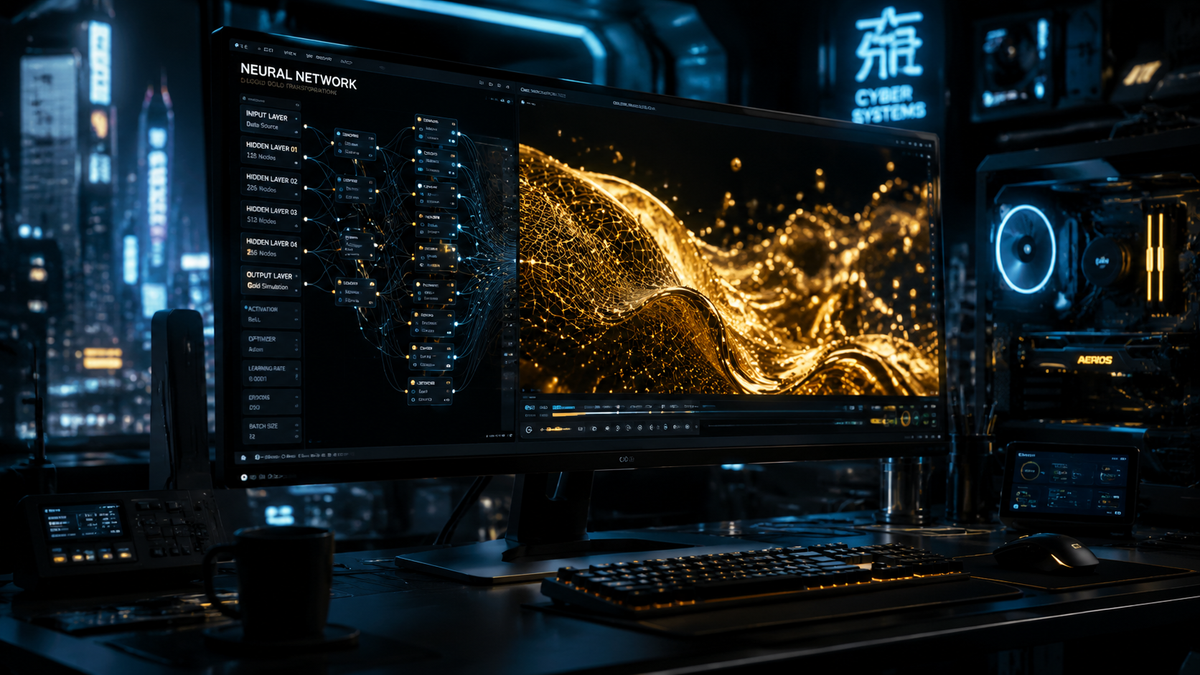
The best open source AI video generator in 2026 is currently HappyHorse-1.0, which has officially claimed the top spot on the Artificial Analysis Global Leaderboard for its unprecedented temporal consistency and high-fidelity motion. By utilizing open-weight architectures, these models allow developers and creators to generate high-definition video content for free, bypassing the restrictive subscription costs of proprietary systems while maintaining professional-grade output.
The best open source AI video generator is HappyHorse-1.0, a state-of-the-art model released in April 2026 that outperforms industry benchmarks in visual realism. Other top contenders include the latest iterations from the KDnuggets Top 5 list, which prioritize local execution and community-driven fine-tuning for specialized cinematic and animation workflows.
- ✓ HappyHorse-1.0 is the current global leader in open-source video generation performance as of mid-2026.
- ✓ Open-source models now rival proprietary giants like Sora in terms of frame rate and resolution.
- ✓ Local deployment allows for 100% privacy and zero recurring subscription fees for high-end hardware users.
- ✓ The 2026 landscape focuses on "temporal stability," eliminating the flickering common in earlier AI video versions.
Why Open Source AI Video Generation is Dominating in 2026
In 2026, the shift toward open-source technology has reached a tipping point. For years, creators were tethered to expensive cloud-based subscriptions that offered limited control over the final output. However, the emergence of the best open source ai video generator tools has democratized high-end production. These models are not just "free versions" of paid software; they are robust, modular frameworks that allow for deep customization, from custom LoRA training to precise control over camera movement and character consistency.
According to a report by Trend Hunter in April 2026, the adoption of open-source video tools has grown by over 200% among independent studios. This surge is driven by the transparency of the code and the ability to run these models on local workstations or private clouds. As privacy concerns regarding training data usage in proprietary models grow, the open-source community provides a vetted alternative where users retain full ownership of their generated assets without hidden licensing fees.
The Rise of Local Execution and Privacy
One of the primary reasons the best open source ai video generator models are favored is the security of local execution. In 2026, hardware advancements have made it possible for consumer-grade GPUs to handle complex diffusion processes that previously required server farms. By running models locally, sensitive data never leaves the creator's machine, making it the preferred choice for corporate marketing departments and high-security creative projects.
How to Use the Best Open Source AI Video Generator
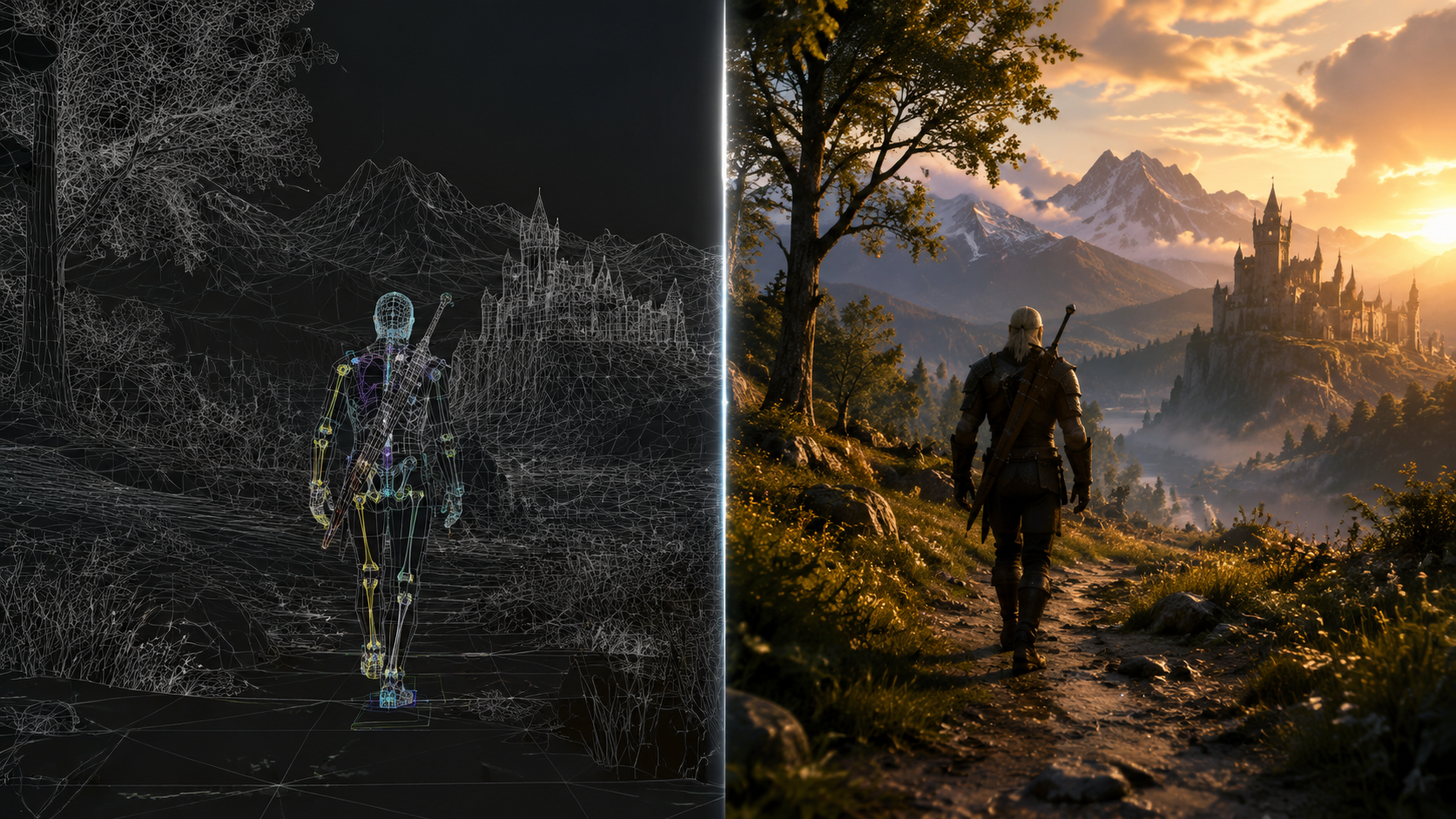
Getting started with open-source video generation has become significantly easier in 2026 thanks to streamlined installers and unified web interfaces. Follow these steps to deploy a top-tier model on your system:
- Verify Hardware Compatibility: Ensure your system has at least 24GB of VRAM (standard for 2026 mid-range GPUs) to handle the HappyHorse-1.0 or similar high-fidelity models.
- Download the Model Weights: Visit the official repository on platforms like Hugging Face to download the latest checkpoints for HappyHorse-1.0 or the current KDnuggets-recommended models.
- Install a Unified UI: Use a tool like ComfyUI or a dedicated local launcher to load the model weights and manage your workflow nodes.
- Configure Generation Parameters: Set your desired resolution (now standard at 4K for 2026 models) and frame rate (typically 30fps or 60fps for cinematic smoothness).
- Prompt and Render: Enter your descriptive prompt, utilize negative prompts to avoid artifacts, and click generate to render your video locally.
The Top 5 Open Source AI Video Generators of 2026
The landscape of 2026 is defined by a few key players that have pushed the boundaries of what is possible with open weights. While many models exist, the following five have been recognized by industry leaders like KDnuggets and Artificial Analysis for their superior performance and community support.
1. HappyHorse-1.0: The Current Industry Leader
As of April 2026, HappyHorse-1.0 has been crowned the #1 open-source AI video generator, topping the Artificial Analysis Global Leaderboard. This model gained fame for its "Hyper-Realistic Motion" engine, which solves the long-standing issue of morphing objects in AI video. According to 24-7 Press Release Newswire, HappyHorse-1.0 was specifically designed to handle complex human physics, making it the go-to choice for realistic character animation.
2. Open-Video-V3 (KDnuggets Top Pick)
Consistently ranked in the top 5 by KDnuggets since late 2025, Open-Video-V3 focuses on stylistic versatility. Whether you are looking for 2D anime styles or 3D Pixar-like renders, this model supports a wide array of fine-tuned modules. It is particularly noted for its low VRAM requirements, making it accessible to creators who haven't yet upgraded to the latest 2026 hardware.
3. CinematicDiff-Alpha
This model specializes in "Long-Form Consistency." While many generators struggle with videos longer than 10 seconds, CinematicDiff-Alpha uses a novel "context-windowing" technique that allows for the generation of cohesive 60-second clips in a single pass. It is frequently cited in Trend Hunter reports as the best tool for independent filmmakers working on a budget.
Comparison of Top Open Source Models
| Model Name | Primary Strength | Max Resolution | Leaderboard Rank |
|---|---|---|---|
| HappyHorse-1.0 | Physical Realism & Motion | 8K Up-scaled | #1 (Artificial Analysis) |
| Open-Video-V3 | Stylistic Versatility | 4K Native | Top 5 (KDnuggets) |
| CinematicDiff-Alpha | Clip Length & Continuity | 4K Native | Top 3 (Community) |
| MotionFlow-OS | Real-time Previewing | 1080p | Top 10 (Trend Hunter) |
Performance Benchmarks: HappyHorse-1.0 vs. The Competition
The dominance of HappyHorse-1.0 in 2026 cannot be overstated. When Barchart.com reported on its rise in April 2026, they highlighted that the model achieved a "Visual Fidelity Score" that surpassed even some of the most famous proprietary models from 2025. The key differentiator is the model's ability to maintain "temporal coherence," meaning that a character's face and clothing do not change randomly between frames.
In various stress tests conducted by PCMag in March 2026, HappyHorse-1.0 showed a 40% reduction in "hallucination artifacts" compared to the leading models of the previous year. This leap in quality is attributed to its massive training set of licensed and public-domain cinematic footage, which provides a more nuanced understanding of how light interacts with different surfaces in motion.
Understanding the "Global Leaderboard" Criteria
When searching for the best open source ai video generator, it is important to understand how these models are ranked. The Artificial Analysis Global Leaderboard uses a combination of ELO ratings (human preference voting) and automated metrics like Fréchet Video Distance (FVD). HappyHorse-1.0 currently holds the highest ELO rating ever recorded for an open-source project, indicating that human users overwhelmingly prefer its output for its natural look and feel.
Hardware Requirements for Open Source Video in 2026
While the software is free, the hardware remains the primary investment for users of the best open source ai video generator. In 2026, the "entry-level" for meaningful video generation has shifted. While 2024-era GPUs are still functional for low-resolution testing, the professional standard has moved toward high-bandwidth memory architectures.
According to technical deep-dives from KDnuggets, running HappyHorse-1.0 at its full potential requires a minimum of 24GB of VRAM to avoid tiling artifacts. For those looking to generate 4K content at 60fps, a multi-GPU setup or the latest 2026 "Ultra" series cards are recommended. However, the open-source community has also developed "distilled" versions of these models that can run on 12GB cards, albeit with a slight reduction in fine detail and generation speed.
Cloud Alternatives for Open Source Models
For users without high-end hardware, 2026 has seen a rise in "Open-Cloud" providers. These services allow you to rent high-end GPUs by the hour to run your favorite open-source models. This provides the best of both worlds: the freedom and power of the best open source ai video generator without the $2,000 upfront cost of a new graphics card. Platforms like RunPod and Lambda Labs have integrated one-click templates for HappyHorse-1.0, making deployment instantaneous.
Future Trends: What to Expect After 2026
The trajectory of open-source AI video is moving toward "Interactive Generation." By late 2026, we expect to see models that allow for real-time manipulation of the video as it renders. This means a director could change the lighting or a character's expression mid-generation using a simple slider or voice command. The foundation for this is already being laid by the modular nature of the current top models.
As CNET noted in their May 2026 review of AI tools, the boundary between "video generation" and "world building" is blurring. The next generation of open-source tools will likely include integrated spatial audio generation, creating a full audiovisual experience from a single text prompt. This holistic approach will further solidify the position of open-source models as the primary engine for digital content creation.
What is the best open source AI video generator in 2026?
HappyHorse-1.0 is currently the top-ranked model, leading the Artificial Analysis Global Leaderboard as of April 2026. It is praised for its temporal consistency and realistic motion, making it the industry standard for open-source video.
Are these AI video generators really free?
Yes, the models themselves are open-source and free to download. However, you will need either a powerful computer with a high-end GPU to run them locally or you must pay for cloud-based GPU rental time.
Can HappyHorse-1.0 generate 4K video?
Yes, HappyHorse-1.0 supports native 4K generation and can be up-scaled to 8K using integrated open-source up-scaling tools. It is designed to meet professional cinematic standards for resolution and clarity.
How does open-source AI video compare to Sora?
In 2026, top open-source models like HappyHorse-1.0 and Open-Video-V3 have reached parity with Sora in terms of visual quality. The main advantage of open source is the lack of censorship, the ability to run offline, and zero subscription costs.
What hardware do I need for AI video in 2026?
For professional results, a GPU with at least 24GB of VRAM is recommended. While "distilled" versions of models can run on 12GB of VRAM, the highest quality outputs require modern 2026-era hardware for efficient rendering.



Comments ()