
10 Best Free Text to Video AI Tools (2026 Updated Guide)
The best free text to video ai tools in 2026 allow users to transform simple written prompts into high-definition cinematic clips, social media shorts, and marketing assets without requiring expensive hardware or technical expertise. By leveraging advanced diffusion models and neural networks, these platforms provide a cost-effective way for creators to generate professional-grade visuals instantly.
The best free text to video AI is a category of generative software that converts natural language descriptions into moving images. In 2026, leading tools like OpenAI’s Sora, Runway Gen-3, and Pika Art offer free tiers or trial credits, enabling users to produce realistic 4K video content directly from text inputs across various artistic styles.
- ✓ Most top-tier AI video generators now support 4K resolution and high-frame-rate output as standard in 2026.
- ✓ Hybrid models combining text-to-video with image-to-video offer the highest level of creative control for social media content.
- ✓ Free tiers typically operate on a "credit" system, refreshing monthly or daily for non-paying users.
- ✓ Integration with platforms like Instagram and TikTok has become a primary feature for the latest 2026 releases.
According to reports from Cybernews, the landscape of AI video generation has expanded significantly in 2026, with over 16 major tools now competing for market share. This surge in competition has forced developers to offer more robust free versions to attract content creators. Furthermore, Analytics Insight highlights that AI-generated video now accounts for a substantial percentage of viral Instagram content, proving that these tools are no longer just experimental toys but essential professional assets.
How to Use the Best Free Text to Video AI Tools
Navigating the world of generative video can be daunting, but the workflow has been streamlined significantly in 2026. Most platforms follow a standardized process that prioritizes user intent and creative flexibility. To get started, you simply need a clear concept and a structured prompt.
- Select Your Platform: Choose one of the 10 tools listed in this guide based on your specific needs (e.g., cinematic vs. social media style).
- Enter Your Prompt: Input a detailed description of the scene, including lighting, camera movement, and subject actions.
- Adjust Settings: Select the aspect ratio (9:16 for Shorts/Reels, 16:9 for YouTube) and the desired video duration.
- Generate and Refine: Render the initial clip and use "seed" editing or "brush" tools to fix specific areas of the video.
- Export: Download the final file in your preferred resolution, often up to 1080p or 4K depending on the tool's free tier limits.
Comparison of Top Free AI Video Generators (2026)
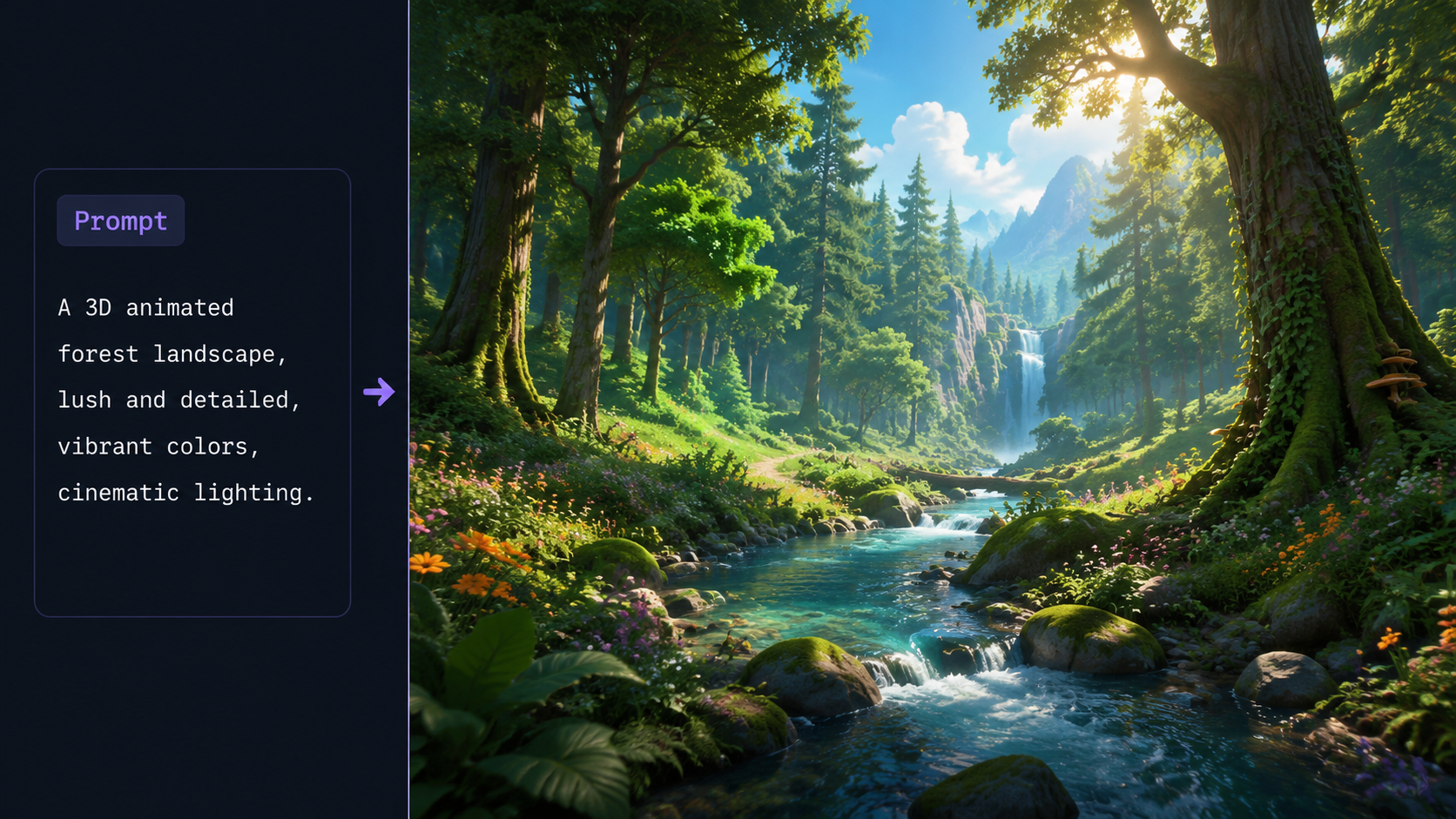
To help you decide which tool fits your workflow, we have compared the leading options based on their free-tier offerings and primary strengths. As noted by Tycoonstory Media, the "best" tool often depends on whether you are prioritizing cinematic realism or ease of use for social media.
| AI Tool | Free Tier Limit | Best For | Key Feature |
|---|---|---|---|
| OpenAI Sora | Limited Credits/Trial | Cinematic Realism | Complex Physics & Lighting |
| Luma Dream Machine | 30 Generations/Mo | Action Sequences | High-Speed Motion |
| Runway Gen-3 | Daily Login Credits | Professional Editing | Multi-Motion Brush |
| Pika Art | Daily Credit Refresh | Animation & Style | Lip Sync & Sound FX |
| Kling AI | Initial Sign-up Bonus | Human Realism | Realistic Human Movement |
1. OpenAI Sora: The Gold Standard for Realism
Since its expanded rollout in early 2026, OpenAI’s Sora has remained the benchmark for what the best free text to video ai can achieve. Sora excels at understanding complex physical interactions, such as how light reflects off a moving puddle or how a character’s hair flows in the wind. While primarily a premium service, OpenAI has maintained a restricted free-access tier for researchers and creative testers throughout 2026.
The power of Sora lies in its transformer architecture, which treats video frames as patches of data. This allows for unmatched temporal consistency, meaning characters and backgrounds don't "morph" or glitch as the camera moves. For creators looking to produce high-end cinematic trailers or short films, Sora’s ability to generate up to 60 seconds of continuous video remains its biggest competitive advantage.
2. Luma Dream Machine: Speed and Fluidity
Luma Labs’ Dream Machine has become a favorite in 2026 for its incredible rendering speed. Unlike some models that take minutes to process a few seconds of footage, Dream Machine can produce high-quality 5-second clips in under 120 seconds. This makes it an ideal choice for creators who need to iterate quickly on different visual concepts.
High-Octane Action Generation
One of the standout features of Dream Machine is its handling of high-speed motion. Whether it is a car chase or an athlete in motion, the AI maintains sharp focus without the "ghosting" effects common in earlier models. Its free tier is generous, offering a set number of monthly generations that refresh automatically, making it a staple for hobbyists.
3. Runway Gen-3 Alpha: The Professional’s Choice
Runway has long been a leader in the AI space, and their Gen-3 Alpha model, updated for 2026, focuses on "Director Power." It provides users with granular control over camera angles, zoom speeds, and specific object movements. As Vocal.media suggests, Runway is the preferred tool for those who want to blend AI generation with traditional video editing workflows.
Advanced Motion Control
The "Motion Brush" tool in Runway allows users to highlight a specific area of a static image and describe how it should move. This hybrid approach—moving from text to image to video—provides a level of precision that pure text-to-video prompts sometimes lack. The free version includes access to these advanced tools, though with watermarked exports.
4. Pika Art: Excellence in Animation and Sound
Pika has carved out a niche in 2026 by focusing on the "vibe" and "style" of videos. It is widely considered the best free text to video ai for creators looking to make stylized animations, 3D renders, or anime-inspired content. A unique feature of Pika is its integrated Sound FX generator, which automatically creates audio to match the visual action.
According to YourStory.com, Pika is one of the top alternatives to Sora because of its user-friendly interface and "Lip Sync" capabilities. Users can upload an audio file or type text, and the AI will animate a character's mouth to match the speech perfectly, which is a game-changer for digital storytelling and meme creation.
5. Kling AI: Unmatched Human Dynamics
Kling AI emerged as a powerhouse in 2026, particularly noted for its ability to render realistic human faces and movements. While many AI tools struggle with "uncanny valley" issues, Kling’s videos of people eating, walking, or talking are remarkably lifelike. This has made it a go-to for marketing agencies creating "virtual influencers" or testimonial-style content.
The free tier of Kling AI often involves a daily check-in system where users earn credits. This gamified approach allows consistent users to generate a significant amount of content without ever paying for a subscription. Its ability to generate videos up to 10 seconds in length with complex character consistency puts it at the top of the 2026 rankings.
6. Haiper AI: Artistic Flair and Texture
Haiper AI has gained traction in 2026 for its focus on texture and lighting. It is particularly adept at creating "moody" or atmospheric shots—think foggy streets, neon-lit cyberpunk cities, or macro photography of nature. It offers a very straightforward text-to-video interface that is perfect for beginners who don't want to learn complex "prompt engineering."
Texture and Material Realism
The engine behind Haiper is specifically tuned to recognize different materials. Silk looks like silk, and liquid flows with the correct viscosity. For fashion creators or product designers, this tool provides a free way to visualize concepts with high fidelity before moving into actual production.
7. Leonardo AI: From Stills to Motion
While originally known for its image generation, Leonardo AI’s "Motion" feature has become a top contender for the best free text to video ai title in 2026. It allows users to take their high-quality AI-generated images and breathe life into them with adjustable "Motion Strength" sliders. This gives the user total control over how subtle or dramatic the movement should be.
Leonardo’s daily credit system is one of the most generous in the industry. Users receive 150 credits every 24 hours, which can be used for a mix of image and video generation. This makes it an excellent "all-in-one" workstation for content creators who need both static and moving assets for their projects.
8. InVideo AI: The Ultimate Marketing Tool
InVideo AI differs from the others by focusing on "script-to-video." Instead of just generating a single clip, it generates a full video with stock footage, AI voiceovers, background music, and text overlays based on a single prompt. In 2026, it has integrated more "generative" clips into its library, blurring the line between stock footage and AI-created visuals.
For small business owners, InVideo is often the most practical choice. You can prompt it with "Create a 30-second ad for a coffee shop," and it will handle the scriptwriting, scene selection, and editing automatically. The free version allows for limited exports, making it a great starting point for social media marketing.
9. HeyGen: The Leader in AI Avatars
HeyGen remains the gold standard for text-to-video involving human avatars. In 2026, their "Instant Avatar" technology allows users to create a digital twin that looks and sounds exactly like them. By simply typing text, the avatar delivers the message with natural gestures and expressions.
While HeyGen is often used for corporate training and educational content, its free trial offers enough credits for creators to see the power of AI-driven communication. It is the best free text to video ai for anyone needing a "talking head" without having to set up a camera and microphone.
10. Kaiber: The Creative’s Music Video Engine
Kaiber has become the go-to tool for musicians and artists in 2026. It specializes in "Audioreactive" video, where the visual elements pulse, change, and evolve in sync with a music track. Its "Flipbook" and "Motion" styles allow for a surreal, dream-like aesthetic that is perfect for music videos or abstract background visuals.
Kaiber’s free trial is based on a credit system that allows for several seconds of high-quality generation. Its unique ability to transform an existing video into a completely different artistic style (Video-to-Video) makes it a versatile tool for experimental filmmakers and digital artists looking to push the boundaries of the medium.
Frequently Asked Questions about AI Video Tools
Which AI video generator is truly free in 2026?
Most tools like Pika Art and Leonardo AI use a "freemium" model where you receive free daily or monthly credits. While unlimited free generation is rare for high-end models, these credit systems allow for consistent use without a paid subscription.
Can I use free AI-generated videos for commercial purposes?
This depends on the platform's Terms of Service. In 2026, many tools require a paid plan for commercial licensing, while the free versions are restricted to personal or educational use. Always check the specific tool's license before posting to a monetized channel.
What is the best free text to video AI for Instagram Reels?
Pika Art and Luma Dream Machine are currently the best for Instagram due to their support for 9:16 aspect ratios and their ability to generate trendy, high-energy clips that fit the platform's aesthetic.
Do I need a powerful computer to run these AI tools?
No, all the tools mentioned in this guide are cloud-based. The heavy processing is handled on the provider's servers, meaning you can generate high-definition 4K video using a standard laptop or even a smartphone.
How long can free AI videos be?
In 2026, most free tiers limit individual clips to between 3 and 10 seconds. However, tools like Sora and InVideo can generate longer sequences or stitch multiple clips together to create videos lasting several minutes.



Comments ()