
Free AI Text-to-Video Tools: 2026 Guide
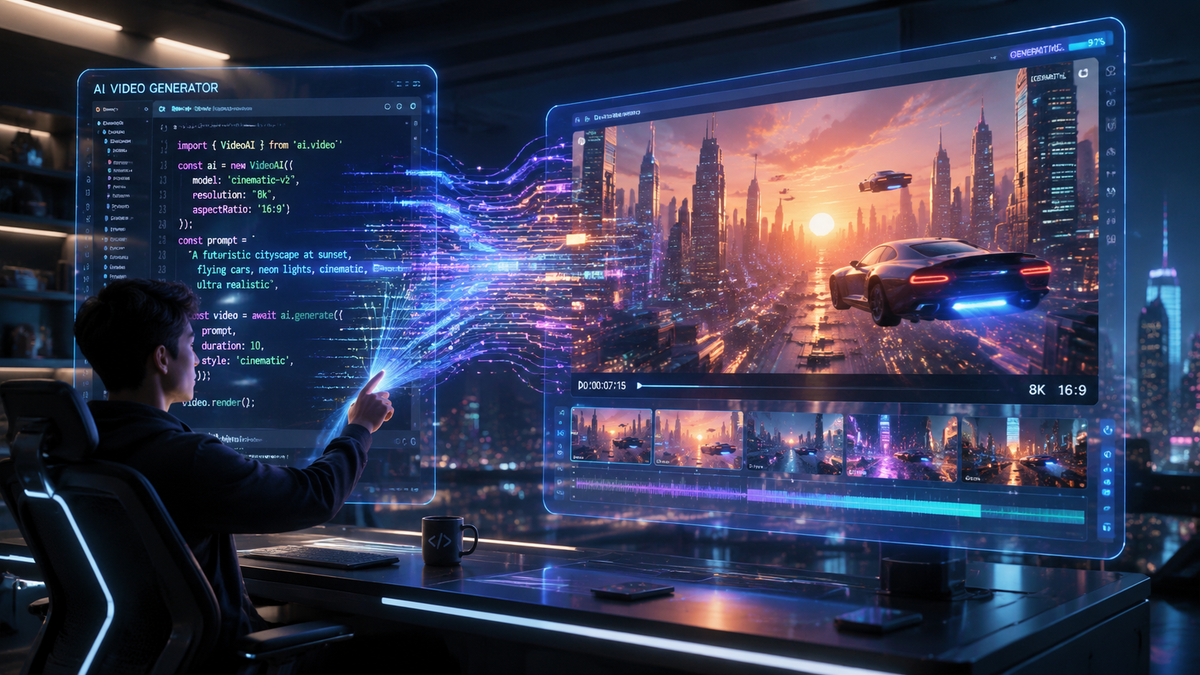
Finding the best free ai text to video tools in 2026 allows creators, entrepreneurs, and marketers to transform written concepts into high-quality cinematic content without the traditional costs of production. As of May 2026, the landscape has shifted toward high-fidelity generative models that offer generous free tiers, enabling anyone to produce professional-grade videos from simple text prompts in seconds.
Free AI text to video tools are generative artificial intelligence platforms that convert written scripts or prompts into synchronized video clips, voiceovers, and animations. In 2026, leading options like Mango AI, Xelta AI, and updated open-source models provide free access levels that include high-definition rendering, realistic AI avatars, and multi-language support for global content creation.
- ✓ Mango AI and Xelta AI have emerged as the 2026 leaders for effortless, high-speed video generation.
- ✓ Modern free tools now support "long-form" content, breaking the previous 10-second limitation of early AI models.
- ✓ Image-to-video animation has become a standard feature integrated within text-to-video workflows.
- ✓ Indie founders and startups are increasingly using these free tiers to test marketing concepts before committing to production budgets.
How to Use Free AI Text to Video Tools: A Step-by-Step Guide
The process of generating video from text has become remarkably streamlined in 2026. Most platforms utilize a "prompt-to-render" workflow that handles the heavy lifting of cinematography, lighting, and sound design. Whether you are a social media influencer or a corporate trainer, the barrier to entry has never been lower.
- Select Your Tool: Choose a platform like Mango AI or Xelta AI that fits your specific needs (e.g., realistic avatars vs. abstract animations).
- Input Your Script: Paste your written content into the prompt box. For best results, include descriptive keywords about the visual style, lighting, and camera movement.
- Choose an AI Avatar or Style: If the tool supports it, select a digital spokesperson or a specific artistic aesthetic (3D render, cinematic, or anime).
- Select Audio and Music: Choose a synthetic voice that matches your brand tone and add background music from the tool's free library.
- Generate and Refine: Hit "Generate" and wait for the AI to render the scene. Use the built-in editor to make minor adjustments to timing or text overlays before exporting.
The Evolution of Video Generation in 2026
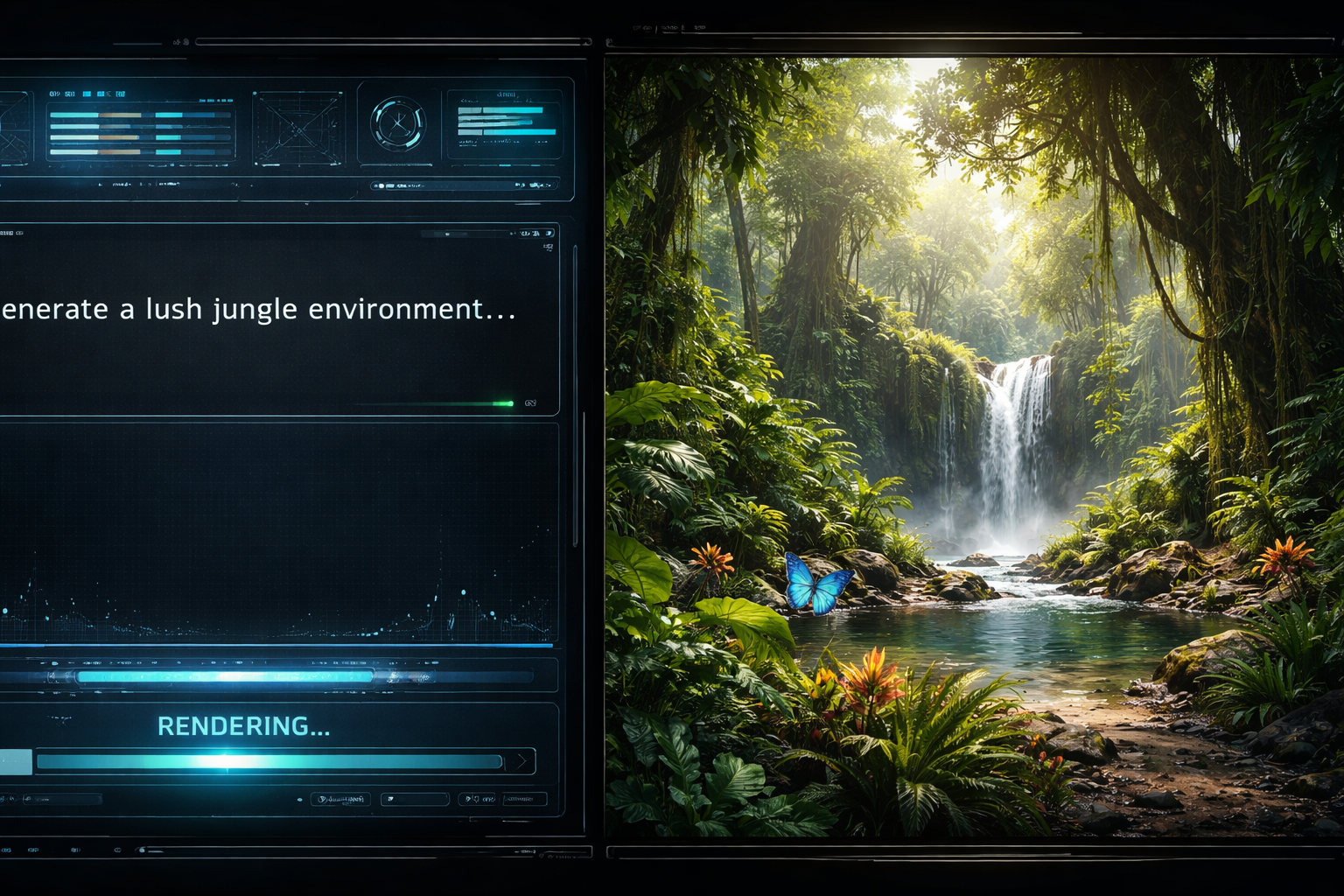
As we move through the second quarter of 2026, the capabilities of free ai text to video tools have surpassed the experimental phase. According to Startup Fortune, free AI video tools are now serving as a critical "indie founder test," allowing developers to validate product ideas through high-quality video pitches without spending a dime on agencies. This democratization of media means that the quality gap between a solo creator and a large studio is rapidly closing.
Furthermore, the integration of "Image to Video" capabilities has become a standard expectation. As reported by Tycoonstory Media, the top generators in 2026 now allow users to upload a static photo and use text prompts to direct exactly how that photo should move. This hybrid approach ensures that the AI remains grounded in the user's specific visual branding while benefiting from the creative movement generated by the AI.
1. Mango AI: The Leader in Effortless Creation
Mango AI has recently made waves with the unveiling of its AI Text to Video Generator, which is specifically designed for effortless video creation. According to a report by PR Underground in May 2026, Mango AI focuses on a user-friendly interface that removes the technical hurdles typically associated with video editing. It is particularly effective for users who need to create educational or promotional content quickly.
2. Xelta AI: Speed and Scale
Xelta AI is another powerhouse in the 2026 market. As highlighted by Issuewire, Xelta AI emphasizes speed, allowing users to create videos fast enough to keep up with the rapid pace of social media trends. Their free tier is robust, offering features that were previously locked behind expensive subscriptions in previous years, such as high-bitrate exports and advanced motion tracking.
Comparing the Top Free AI Video Generators of 2026
When selecting the right free ai text to video tools, it is essential to compare their output limits, feature sets, and the specific niches they serve. The following table outlines the key differences between the top-rated tools available this year.
| Tool Name | Primary Strength | Free Tier Limit | Key Feature (2026) |
|---|---|---|---|
| Mango AI | User Experience | 5 Videos / Month | Realistic AI Avatars |
| Xelta AI | Rendering Speed | Unlimited (Ad-supported) | Fast Processing |
| Blockchain Council AI | Image-to-Video | Daily Credits | Neural Motion Sync |
| Luma Labs (v3) | Cinematic Quality | 30 Credits / Month | Physics-based Lighting |
| Sora (Public Lite) | Hyper-Realism | 2 Videos / Week | Complex Scene Consistency |
Advanced Capabilities of 2026 AI Video Models
One of the most significant breakthroughs in 2026 is the ability to create "Long AI Videos" for free. Earlier versions of these tools were often limited to 5 or 10 seconds of footage. However, recent developments documented by Fathom Journal show that creators can now generate extended sequences by chaining prompts or using advanced "unlimited" free tiers that have disrupted the industry. This has led to a surge in AI-generated short films and long-form YouTube content.
Additionally, the Blockchain Council has highlighted the rise of "Image to Video AI Free" tools that utilize decentralized processing to offer higher resolution outputs without the high costs. These tools allow for "Neural Motion Sync," a 2026 technology that ensures that when a character speaks in a video, their facial muscles and body language move in perfect harmony with the generated audio, regardless of the language used.
3. Image-to-Video Integration
The distinction between text-to-video and image-to-video has blurred. Most free ai text to video tools now allow you to start with an image to "anchor" the visual style and then use text to describe the action. This is the preferred method for creators who want to maintain character consistency across multiple scenes, a major hurdle that was finally solved in early 2026.
4. Open Source and Indie Platforms
The "Indie Founder Test" mentioned by Startup Fortune refers to a new wave of lightweight, browser-based tools that prioritize function over flashy interfaces. These tools often tap into open-source models like Stable Video Diffusion 3.0, providing a raw but powerful way to generate video content without the restrictions of major corporate platforms.
Why Free AI Video Tools are Essential for 2026 Marketing
In the current digital economy, the volume of content required to stay relevant on platforms like TikTok, Instagram, and X (formerly Twitter) is staggering. According to Tycoonstory Media, businesses using AI video tools have seen a 40% reduction in content production time. By utilizing free ai text to video tools, small businesses can compete with larger corporations by producing high-volume, high-quality video ads and explainers.
The psychological impact of video cannot be overstated. AI-generated videos in 2026 now include "micro-expressions" that make digital humans appear more empathetic and trustworthy. This makes them ideal for customer service bots, personalized sales videos, and internal corporate training where a human touch is needed at scale.
Future-Proofing Your Content with AI
As we look toward the latter half of 2026, the trend is moving toward "Multimodal Interactivity." This means the video you generate from text today might be able to change in real-time based on viewer interaction tomorrow. By mastering the current crop of free tools, you are building the prompt-engineering skills necessary for the next generation of immersive media.
It is important to remember that while these tools are free, they often require a strategic approach to get the best results. Simply typing "make a video about a car" will yield generic results. Successful creators in 2026 use "layered prompting"—describing the camera lens (e.g., "35mm"), the lighting (e.g., "golden hour"), and the specific movement (e.g., "tracking shot") to differentiate their content from the AI-generated noise.
Frequently Asked Questions
Are these AI video tools truly free to use?
Yes, most tools like Mango AI and Xelta AI offer free tiers, though they may include watermarks or limit the number of high-definition exports per month. Some newer 2026 platforms use ad-supported models to provide unlimited generations at no cost.
Can I use AI-generated videos for commercial purposes?
Commercial rights vary by platform. While many free tiers allow social media sharing, you may need a paid license for television broadcasting or large-scale advertising campaigns; always check the specific terms of service for 2026 updates.
What is the best free AI tool for realistic human avatars?
As of May 2026, Mango AI is widely considered the leader for realistic avatars, offering a range of diverse digital humans that can speak any text with natural expressions and lip-syncing.
Do I need a powerful computer to run these tools?
No, almost all free ai text to video tools in 2026 are cloud-based. The heavy processing is handled on the provider's servers, meaning you can generate 4K video from a basic laptop or even a smartphone.
How long does it take to generate a video from text?
Thanks to hardware advancements in 2026, a 30-second high-quality video typically takes between 1 to 3 minutes to render on platforms like Xelta AI, depending on the complexity of the prompt.
Comments ()