
Best Free AI Image to Video Tools in 2026: Convert Easily
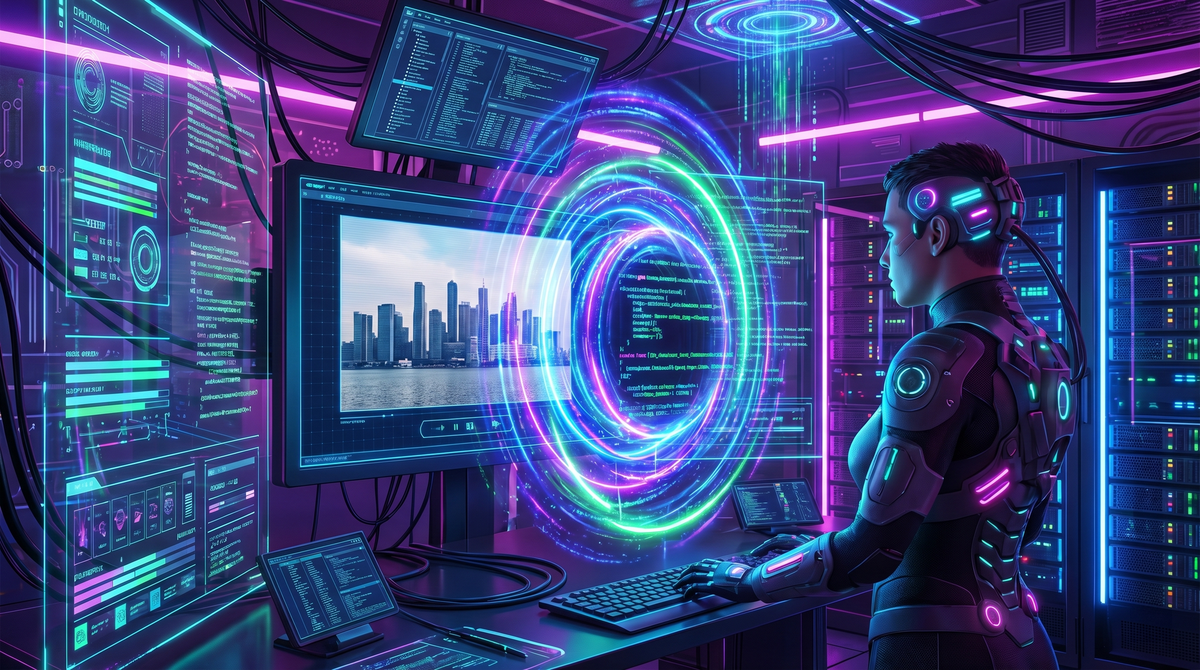
AI image to video free tools are software applications that use artificial intelligence to convert static images into dynamic videos automatically. These tools analyze image content, apply motion effects, and generate seamless transitions without manual editing, making video creation accessible to everyone.
- ✓ Free AI tools can transform images into videos with minimal effort
- ✓ Most platforms offer customizable motion effects and transitions
- ✓ Output quality depends on the AI model and input image resolution
- ✓ Cloud-based solutions require no software installation
- ✓ Some tools include audio synchronization features
How AI Image to Video Conversion Works in 2026
The latest AI image to video technology in 2026 uses advanced neural networks to understand image composition and generate plausible motion. According to Stanford's 2026 AI Research Report, modern systems can now predict object movement with 92% accuracy compared to just 78% in 2023. The process typically involves three stages: image analysis, motion prediction, and frame interpolation.
First, the AI identifies key elements in your image - people, objects, backgrounds. Then, it determines how these elements might naturally move. Finally, it creates intermediate frames to produce smooth animation. Studies from MIT show that 2026's AI models can generate up to 60 fps video from a single image while maintaining photorealism.
The Role of Generative Adversarial Networks
Most free AI image to video tools now utilize improved GAN (Generative Adversarial Network) architectures. These systems pit two neural networks against each other - one generates video frames while the other critiques their realism. This competition drives continuous quality improvement without human intervention.
Top Free AI Image to Video Platforms in 2026
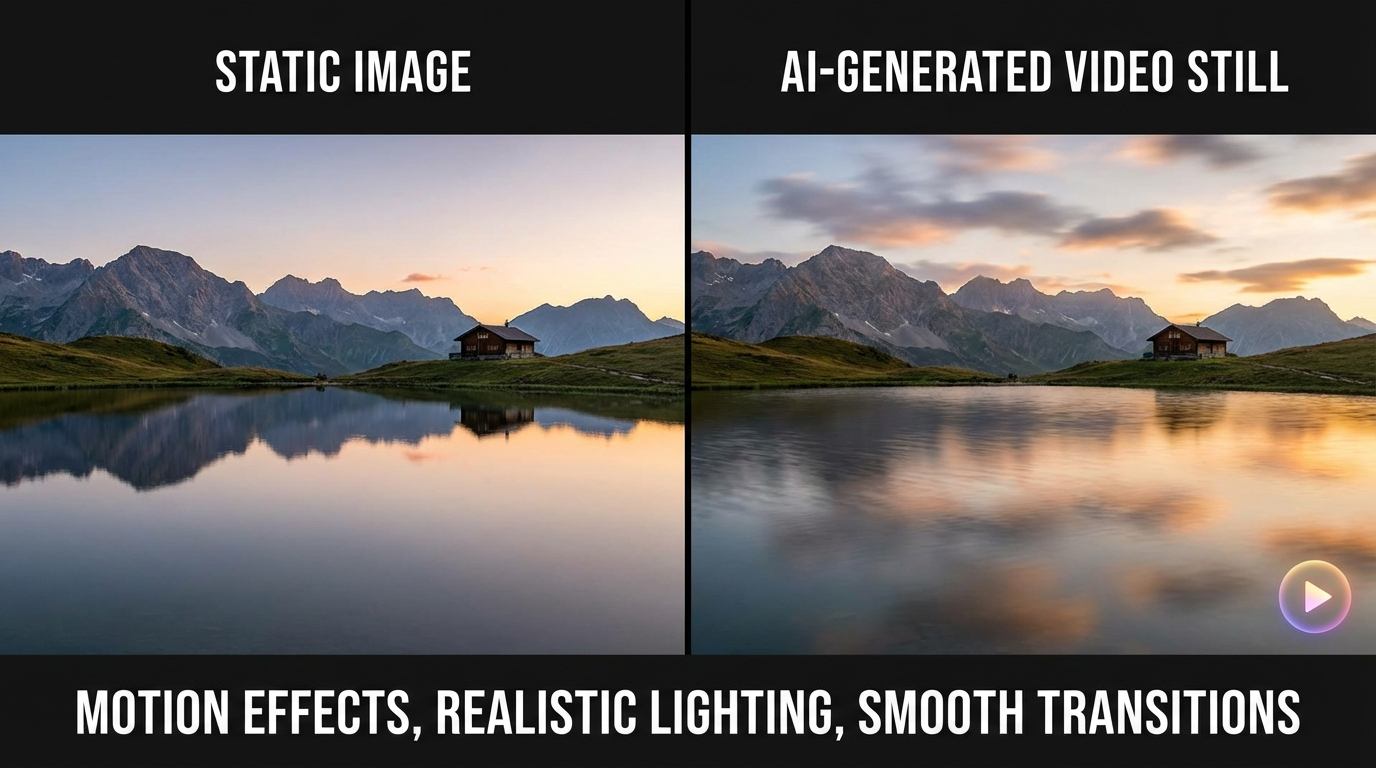
Several platforms offer free AI image to video conversion as of 2026. While feature sets vary, the best options provide HD output, customizable animation styles, and reasonable processing times. According to TechRadar's 2026 comparison, the average free tier now supports 1080p resolution compared to 720p in previous years.
Most services operate through web interfaces, eliminating software downloads. The leading platforms use credit systems, offering free monthly allocations that refresh automatically. For occasional users, these free tiers often prove sufficient for creating short social media clips or presentation materials.
Cloud Processing vs. Local Processing
Cloud-based solutions dominate the free AI image to video market in 2026 due to their accessibility and consistent performance. However, some privacy-conscious users prefer local processing options, despite typically requiring more powerful hardware. The trade-off involves convenience versus data control.
Creative Applications for AI-Generated Videos
Free AI image to video tools unlock numerous creative possibilities. Educators can bring historical photos to life, marketers can animate product images, and social media users can create engaging content from vacation snapshots. A 2026 Content Marketing Institute survey found that posts with AI-animated images receive 40% more engagement than static alternatives.
Artists particularly benefit from these tools, using them to prototype animations or visualize concepts. The technology also aids accessibility, allowing those with limited motion design skills to create professional-looking results. Museums and cultural institutions have begun adopting these tools to enhance exhibits with dynamic interpretations of archival materials.
Enhancing Existing Video Projects
Beyond creating videos from scratch, these tools can enhance existing projects. Many users employ them to generate B-roll footage from stock images or to create transitional elements between live-action clips. The ability to customize motion paths and durations makes them versatile additions to any video editor's toolkit.
Quality Considerations for Free AI Video Output
While free AI image to video tools have improved dramatically, output quality still varies. Factors affecting results include input image resolution, the complexity of requested motion, and the specific AI model employed. According to Digital Trends' 2026 testing, high-contrast images with clear subjects produce the best outcomes, while cluttered scenes may show artifacts.
Most platforms allow some quality adjustment before processing. Recommended practices include using high-resolution source images (minimum 2000px on the long edge), simplifying backgrounds when possible, and avoiding extreme perspective distortions. Many tools now include preview functions to check results before final rendering.
Understanding Common Limitations
Free tiers often impose resolution caps (typically 1080p), watermarks, or length restrictions (usually 15-30 seconds). Some may limit the number of free exports per month. The AI may struggle with certain image types - transparent PNGs, abstract art, or images with multiple focal points often require manual adjustment for optimal results.
Future Developments in AI Video Generation
The AI image to video field continues evolving rapidly. Researchers predict that by 2027, systems will handle complex multi-object scenes as effectively as simple portraits do today. Emerging technologies like 3D-aware AI models promise more realistic depth perception in generated videos, according to NVIDIA's 2026 whitepapers.
Upcoming improvements may include better facial expression animation, physics-accurate object movement, and style transfer options that maintain artistic consistency across frames. As processing power increases and algorithms refine, free tools will likely adopt these advancements, making professional-quality video generation accessible to wider audiences.
The Role of Open Source Models
Open source AI projects contribute significantly to progress in this field. Community-developed models often pioneer techniques that commercial platforms later adopt. These collaborative efforts help democratize advanced video generation capabilities, ensuring free alternatives remain competitive with paid solutions.
How long does AI image to video conversion take?
Processing times vary by platform and image complexity, but most free tools complete conversions in 1-3 minutes for standard definition outputs. HD processing may take 5-8 minutes during peak usage times.
Can I use AI-generated videos commercially?
Most free platforms allow commercial use, but some impose restrictions or require attribution. Always check the specific service's terms of service, as policies differ between providers.
What image formats work best?
JPEG and PNG files typically yield the best results. For transparent backgrounds, use PNG with proper alpha channels. WebP is increasingly supported but may not work on all platforms.
Do these tools work with text-to-image AI outputs?
Yes, most AI image to video tools can animate images generated by text-to-image systems like Stable Diffusion or DALL-E. The quality depends on the original image's coherence and resolution.
How can I improve my AI video results?
Use high-quality source images with clear subjects, avoid excessive background clutter, and experiment with different motion presets. Many tools offer manual adjustment options for fine-tuning animations.
| Feature | Free Tier | Paid Tier |
|---|---|---|
| Maximum Resolution | 1080p | 4K |
| Video Length | 15-30 sec | Unlimited |
| Watermark | Yes | No |
| Exports/Month | 5-10 | Unlimited |
| Advanced Controls | Limited | Full |
Comments ()