
Best Cinematic Photo Animation AI Tools for 2026
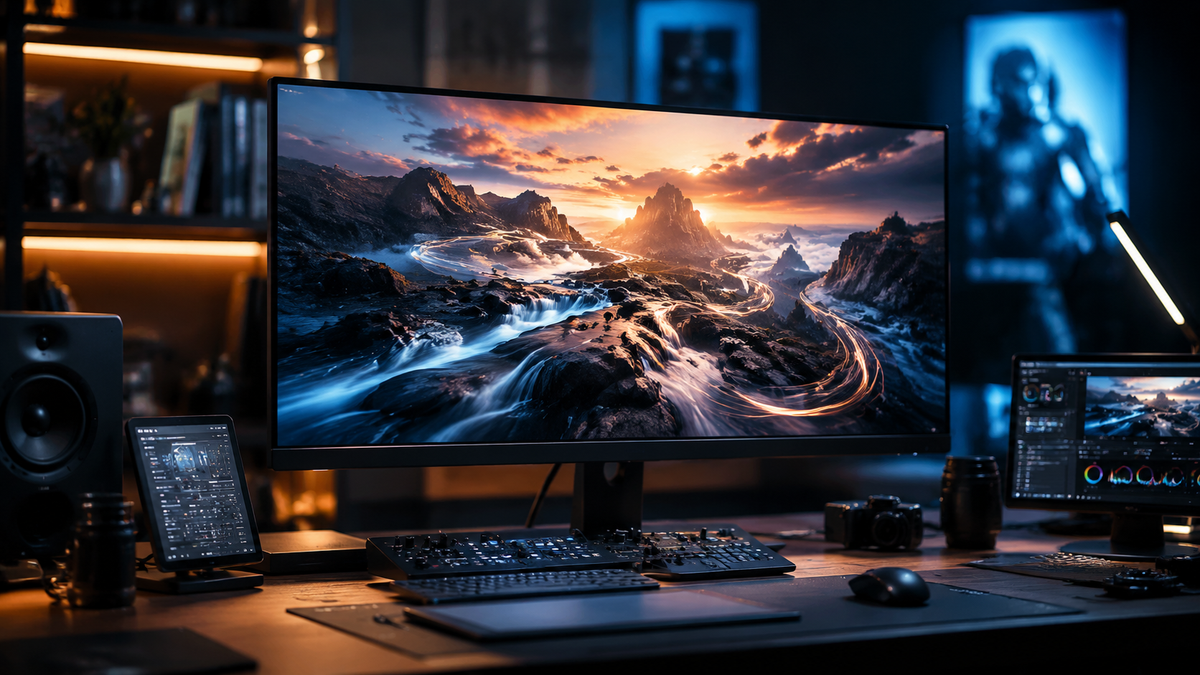
Finding the best cinematic photo animation ai tool in 2026 involves selecting software that can seamlessly transform static imagery into high-fidelity video with temporal consistency and realistic physics. As of May 2026, the industry has shifted toward multimodal generators that allow users to add custom audio, precise camera controls, and text-driven prompts to existing photographs to create professional-grade cinematic sequences. Whether you are a filmmaker seeking to storyboard or a social media creator looking for high engagement, the latest AI models now offer the fluid motion and resolution required for silver-screen quality results.
A cinematic photo animation ai tool is a generative artificial intelligence platform that uses deep learning models to interpolate motion between pixels in a still image, creating a video. In 2026, leading tools like Mango AI and Google Veo 3 utilize advanced diffusion techniques to generate realistic camera pans, zooms, and environmental effects while maintaining the original image's visual integrity.
- ✓ Mango AI and Google Veo 3 are the leading platforms for cinematic motion in 2026.
- ✓ Modern tools now support custom audio integration and natural language motion prompts.
- ✓ High-fidelity "Wool Animation" and stylized textures are becoming mainstream in AI film festivals.
- ✓ Real-time rendering allows for instant previews of cinematic transitions and lighting changes.
How to Use a Cinematic Photo Animation AI Tool
The process of animating a still photo has evolved significantly from the simple "parallax" effects of previous years. Today, the workflow is deeply integrated with generative prompts, allowing for a level of creative control that mirrors traditional cinematography. By leveraging tools like Mango AI, which launched its dedicated image-to-video generator in May 2026, users can specify not just that an image should move, but exactly how the "lens" should behave within the digital space.
To achieve the best results, creators should focus on the initial image quality and the specificity of the motion prompt. The AI requires a clear understanding of depth and subject matter to prevent warping. According to The AI Journal, the "Best 10 Image to Video AI Generators in 2026" now prioritize temporal consistency, meaning the subject's face or the background details stay stable throughout the entire animation sequence, avoiding the "shimmering" effect seen in earlier AI iterations.
- Upload Your Source Image: Select a high-resolution photo (4K preferred) and upload it to your chosen cinematic photo animation ai tool.
- Define the Motion Path: Use a brush tool to highlight areas you want to remain static and areas you want to animate, or use a text prompt like "cinematic slow-motion zoom with bokeh."
- Integrate Custom Audio: As seen in the January 2026 updates to Google Photos, you can now add custom audio tracks that the AI will use to sync the rhythm of the animation.
- Adjust Camera Parameters: Set your virtual focal length, aperture, and panning speed to mimic professional film equipment.
- Generate and Refine: Render a low-resolution preview, adjust the "strength" of the motion, and then export the final cinematic video in 4K or 8K resolution.
Top Cinematic Photo Animation AI Tools Compared
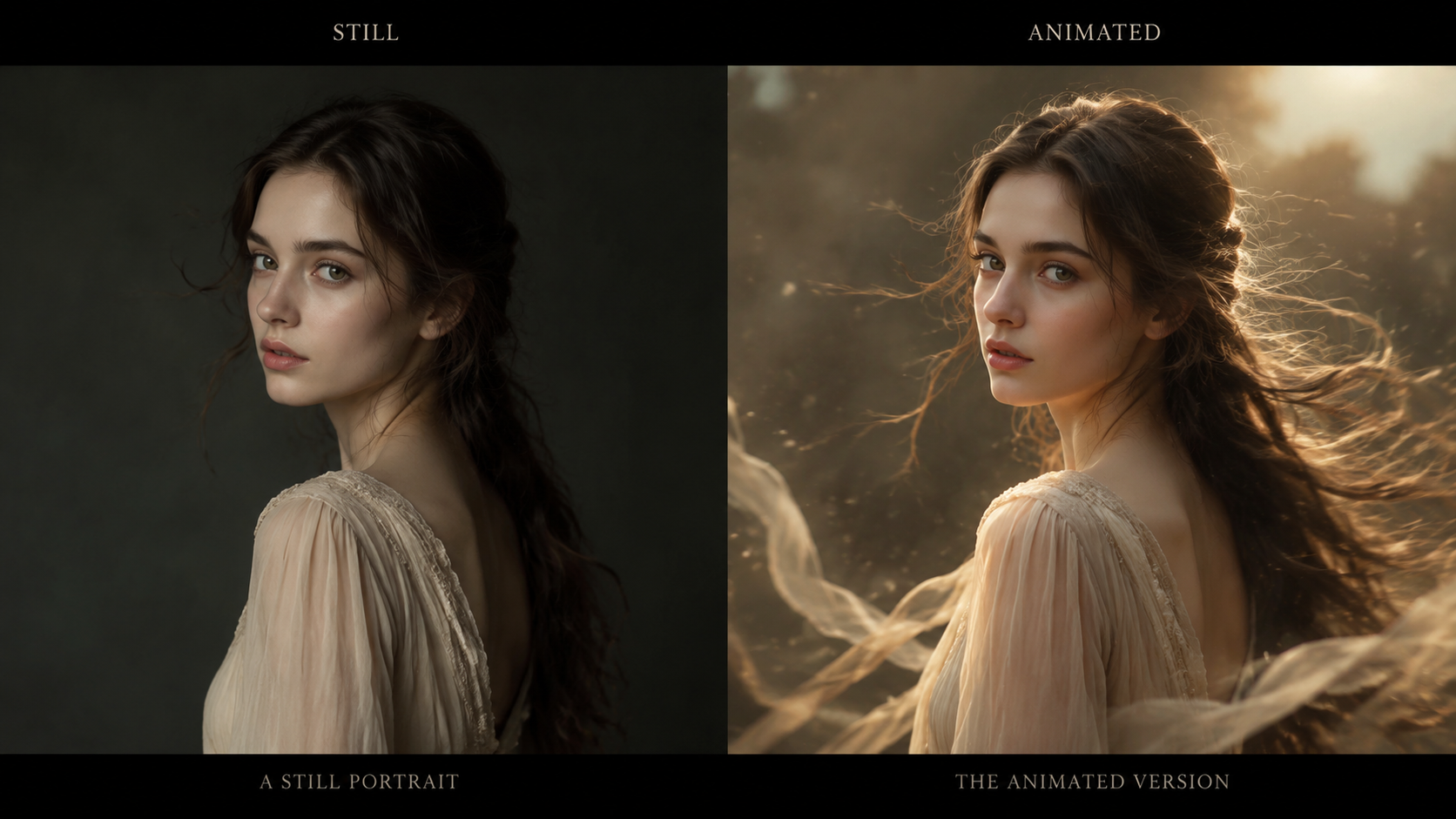
The landscape of 2026 is dominated by a few key players who have integrated AI video generation directly into consumer and professional ecosystems. Google has made significant strides by bringing the Veo 3 model directly into the Google Photos "Create" tab, making high-end animation accessible to anyone with a smartphone. This move, finalized in late 2025 and expanded in early 2026, represents a shift toward "everyday AI" where cinematic quality is no longer gatekept by expensive studio software.
On the professional side, Mango AI has emerged as a powerhouse for those needing specific commercial outputs. Their May 2026 launch focused specifically on the "cinematic" aspect, offering presets for film-noir lighting, anamorphic lens flares, and complex character movements. According to a report by openPR, Mango AI’s new generator is specifically tuned for marketing agencies and independent filmmakers who require high-bitrate exports and granular control over environmental physics.
| Tool Name | Key Feature | Best For | Release/Update Date |
|---|---|---|---|
| Mango AI | Image-to-Video Generator | Commercial Cinematic Content | May 14, 2026 |
| Google Veo 3 | Custom Prompts & Audio | Social Media & Personal Use | September 4, 2025 |
| Google Photos (Updated) | Audio-to-Motion Sync | Quick Mobile Edits | January 27, 2026 |
| Wool Animation AI | Stylized Texture Mapping | Artistic & Short Films | December 17, 2025 |
The Rise of Stylized Cinematic Photo Animation
While realism is a major goal for many, 2026 has seen a surge in "stylized" cinematic animation. A prime example of this trend is the success of the Ukrainian short film "The Night Shift," which won Best Short Animation at the AI Film Festival in December 2025. This project utilized "Wool Animation" techniques, where AI was used to animate static images into a world that appeared to be made entirely of physical wool and textiles. This demonstrates that a cinematic photo animation ai tool is no longer just about mimicking reality; it is about creating new visual languages.
This artistic evolution is also being discussed at the highest levels of the film industry. During the Cannes Film Festival in May 2026, the Florida State University (FSU) Head of Animation noted that we are at a "crossroads" where AI and traditional film techniques are merging. The ability to take a single concept painting and turn it into a living, breathing scene allows directors to explore visual styles that were previously too expensive or time-consuming to produce via traditional 3D pipelines.
Furthermore, the integration of audio-reactive animation has changed how music videos and atmospheric shorts are produced. According to PetaPixel, the January 2026 update to Google Photos allows users to upload a song, and the AI will automatically generate camera movements—such as "beats" that correspond to zooms—making the animation feel like a professionally edited music video. This level of automation is lowering the barrier to entry for high-quality storytelling.
Technical Breakthroughs in 2026 AI Models
The secret behind the success of a modern cinematic photo animation ai tool lies in its underlying architecture. In 2026, we have moved past simple frame interpolation to "World Models." These models understand the 3D geometry of a 2D image. When you animate a photo of a mountain range, the AI understands that the clouds are in the distance and should move slower than the trees in the foreground. This parallax effect is now handled automatically with startling accuracy.
One of the most significant technical leaps is the inclusion of "Custom Prompts and Audio" within the generation pipeline. As reported by blog.google, the Veo 3 model allows for "directed" animation. Instead of just clicking "animate," a user can type: "A slow dolly-in on the subject's eyes while the background lights flicker like a candle." The AI then interprets these cinematic terms and applies them to the static image. This bridges the gap between a casual user and a trained cinematographer.
Authority citations from The AI Journal suggest that by mid-2026, the compute efficiency of these tools has improved by 40%, allowing for real-time 1080p previews on mobile devices. This means creators can iterate on their cinematic visions in seconds rather than hours. The focus has shifted from "can we make it move?" to "how can we make the movement evoke emotion?"—which is the hallmark of true cinematic art.
Future Trends: What’s Next for AI Photo Animation?
As we look toward the latter half of 2026 and into 2027, the trend of "Directable Cinema" is expected to grow. We are already seeing the first signs of this with the FSU Head of Animation’s interviews at Cannes, where the discussion centered on the "Future of AI and Film." The next generation of tools will likely allow for multi-angle generation from a single photo, essentially creating a 3D environment from a single 2D snap that a director can move through at will.
Another emerging trend is the use of AI to preserve and "re-animate" historical photographs with cinematic flair. Museums and documentary filmmakers are using the latest cinematic photo animation ai tool suites to bring history to life, adding realistic wind, lighting, and subtle human movements to photos from the early 20th century. This application goes beyond entertainment, serving as a powerful tool for education and cultural preservation.
Finally, the ethical landscape is also evolving. With the power to create hyper-realistic cinematic scenes from simple photos, major platforms are implementing digital watermarking and C2PA standards to ensure transparency. As of May 2026, tools like Mango AI and Google Veo 3 automatically embed metadata to signify that the motion was AI-generated, ensuring that the technology is used responsibly within the creative community.
What is the best cinematic photo animation ai tool in 2026?
As of May 2026, Mango AI and Google Veo 3 are considered the top choices. Mango AI is preferred for professional commercial work, while Google Veo 3 is integrated into Google Photos for ease of use and custom audio syncing.
Can I add my own music to AI-animated photos?
Yes, according to recent updates from PetaPixel and Google, platforms like Google Photos now allow you to upload custom audio tracks that the AI uses to influence the rhythm and style of the animation.
How long does it take to animate a photo with AI?
With the 2026 hardware optimizations, most tools can generate a low-resolution cinematic preview in under 30 seconds, while a full 4K render typically takes between 2 to 5 minutes depending on the complexity of the motion.
Is there a free cinematic photo animation ai tool available?
Google Photos offers a tier of Veo 3 features for free to its users, though high-resolution exports and advanced professional features in tools like Mango AI usually require a subscription or per-credit payment.
Can AI animation be used for professional filmmaking?
Absolutely. The 2026 Cannes Film Festival highlighted several projects that used AI for storyboarding and final-render animations, proving that AI tools have become a legitimate part of the professional filmmaker's toolkit.
Comments ()