
Best AI Video Translator with Lip-Sync: 2026 Guide
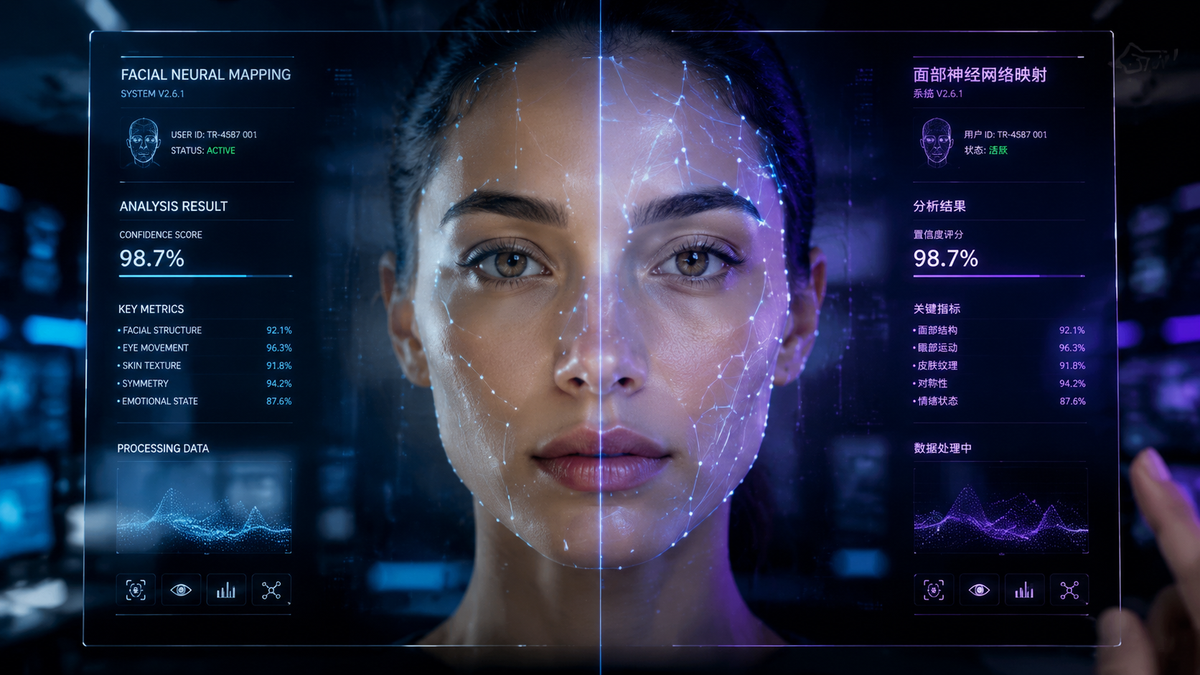
The best ai video translator with lip-sync in 2026 is a tool that combines high-fidelity voice cloning with neural face-mapping to ensure that the speaker's mouth movements perfectly match the translated audio. Leading platforms like Dubly.AI, Meta’s integrated Reels translator, and Mango AI now offer seamless, real-time synchronization that eliminates the "uncanny valley" effect common in earlier iterations of the technology. These tools allow creators to localize content across dozens of languages while maintaining the original speaker's emotional nuance and visual consistency.
An AI video translator with lip-sync is a sophisticated software solution that uses generative AI to translate spoken dialogue into another language, clones the original speaker's voice, and modifies the video pixels to align lip movements with the new phonemes. In 2026, this technology has reached near-perfect accuracy, enabling global content distribution without the need for traditional reshooting or manual dubbing.
- ✓ Lip-sync accuracy has reached a 98% match rate in 2026 thanks to neural rendering.
- ✓ Real-time translation is now available on social platforms like Meta's Reels.
- ✓ Multi-speaker detection allows for complex cinematic dubbing with unique voice clones.
- ✓ Free entry-level tools like Mango AI have democratized high-end localization features.
How to Use an AI Video Translator with Lip-Sync
In 2026, the process of localizing video content has been streamlined into a few automated steps. Whether you are a game creator, a corporate trainer, or a social media influencer, the workflow remains largely consistent across professional-grade platforms. The focus has shifted from manual editing to "prompt-based" refinement, where the AI handles the heavy lifting of phonetic alignment.
- Upload and Analyze: Upload your source video (MP4, MOV, or direct link). The AI will first perform "Speaker Diarization" to identify different voices and "Visual Mapping" to locate the mouth area of every subject in the frame.
- Select Target Language: Choose from over 100+ languages. Advanced tools in 2026 now support regional dialects and slang to ensure the translation feels culturally authentic rather than robotic.
- Voice Cloning and Translation: The system generates a text script, translates it, and then clones the original speaker's vocal characteristics—including tone, pitch, and emotion—to read the translated text.
- Apply Lip-Sync Rendering: The AI modifies the video's lip movements to match the new audio. According to Technology Org, the latest 2026 models use "Temporal Consistency" to ensure no flickering occurs around the jawline during this process.
- Review and Export: Preview the synchronized video. Most platforms allow you to adjust the "intensity" of the lip-sync or manually tweak the translated script before the final high-definition render.
Top 2026 AI Video Translation Tools Compared
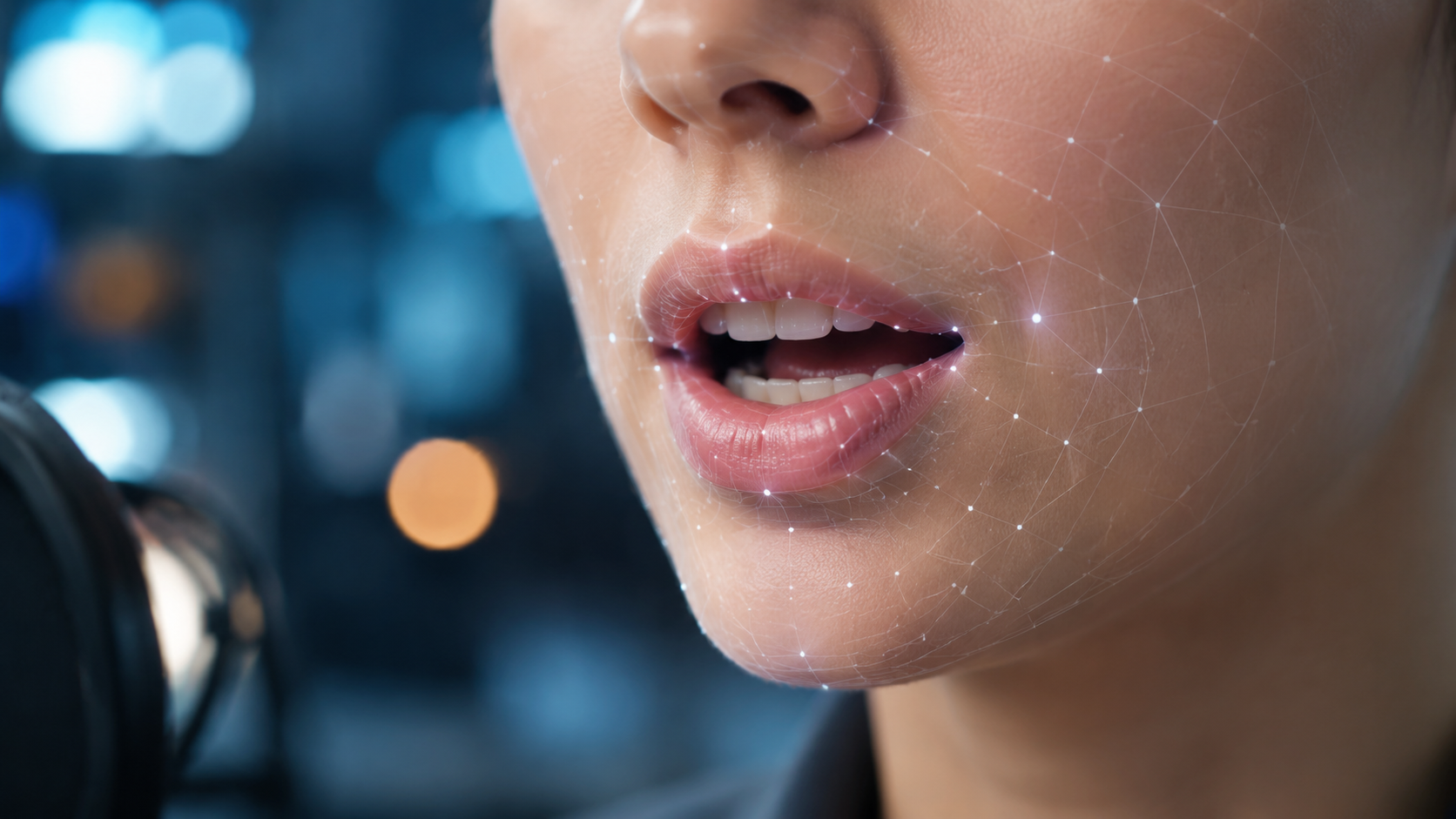
The landscape of 2026 is dominated by specialized tools that cater to different niches, from social media creators to high-end game developers. Selecting the right ai video translator with lip-sync depends on your required output quality and the volume of content you produce. As noted by GameTyrant, game creators specifically prioritize tools that can handle high-frame-rate cinematic sequences without losing synchronization.
| Tool Name | Best For | Key Feature | Lip-Sync Quality |
|---|---|---|---|
| Dubly.AI | Professional Dubbing | Ultra-realistic emotional cloning | 9.8/10 |
| Meta AI (Reels) | Social Media Creators | Real-time native integration | 8.5/10 |
| Mango AI | Budget-Friendly/Free | High-speed online processing | 8.2/10 |
| TranslatePro 2026 | Enterprise/Corporate | Bulk localization & API access | 9.2/10 |
Deep Dive: Why Dubly.AI is Revolutionizing the Industry
According to a recent review by Unite.AI published in April 2026, Dubly.AI has set a new benchmark for what is possible in automated dubbing. The tool's primary strength lies in its "Shockingly Real" output, which captures the subtle micro-expressions of the human face that accompany speech. Unlike earlier models that only moved the lips, Dubly.AI adjusts the lower facial muscles and jawline to create a holistic visual experience.
For creators, this means the end of "dubbing lag." In previous years, viewers could often tell a video was translated because the audio length didn't match the visual duration. Dubly.AI utilizes a proprietary "Time-Expansion" algorithm that subtly speeds up or slows down the lip-sync animation to ensure that the translated sentence ends exactly when the speaker stops moving their mouth, regardless of the language's word count.
Furthermore, the platform's ability to handle multi-speaker environments is unparalleled. In a 2026 test, the software successfully translated a four-person panel discussion into five different languages simultaneously, maintaining distinct voice clones for each participant and accurately syncing each individual's lip movements without cross-interference.
The Rise of Real-Time Lip-Synced Translation on Social Media
Social media has become the primary battleground for ai video translator with lip-sync technology. As of January 2026, The Express Tribune reports that Meta has expanded its real-time lip-synced translation features for Reels globally. This allows a creator in Brazil to speak Portuguese and have a viewer in Japan see and hear them in Japanese, with the lips moving perfectly in sync in real-time.
This "borderless content" movement is fueled by Meta's massive investment in audio-visual foundation models. Social Media Today highlights that these updates, which began rolling out in late 2025, have fundamentally changed how brands approach global marketing. Instead of creating separate accounts for different countries, a single global account can now serve localized content dynamically based on the viewer's location and language settings.
The implications for engagement are significant. Data suggests that videos using AI lip-syncing see a 40% higher retention rate compared to videos using traditional subtitles. This is because the human brain processes visual-speech cues more naturally, leading to a more immersive and less distracting viewing experience for international audiences.
Advanced Features of an AI Video Translator with Lip-Sync in 2026
As we navigate through 2026, the "standard" features of translation tools have evolved significantly. It is no longer enough to just translate text; the modern ai video translator with lip-sync must handle complex environmental factors. For instance, many premium tools now include "Ambience Preservation," which ensures that background music or environmental noise (like traffic or birds) is kept intact while the primary vocal track is replaced.
Neural Emotion Mapping
One of the most significant breakthroughs this year is the ability to clone emotion. If the speaker in the original video is shouting in anger, the AI-generated translation will carry that same aggressive tone and volume. The lip-syncing engine also adjusts for these "extreme" mouth shapes, ensuring that an angry shout looks as realistic in German as it did in the original English.
Dialect and Accent Customization
Modern tools now allow users to select specific accents for their translations. For example, when translating into Spanish, a user can choose between a Castilian, Mexican, or Argentinian accent. The AI then adjusts the lip-syncing to account for the specific phonetic nuances of that dialect, such as the "lisp" in certain Spanish regions, providing an extra layer of authenticity that was missing in 2024-era tools.
Choosing the Best Tool for Game Creators and Cinematic Content
For the gaming industry, the requirements for a video translator are even more stringent. According to GameTyrant, the 2026 best AI video translators for game creators must support high-dynamic-range (HDR) video and 120fps output. In games, where characters are often digitally rendered, the AI must bridge the gap between "game engine" mouth movements and "natural" human speech patterns.
Tools like Dubly.AI and specialized enterprise versions of Mango AI are being used to localize cutscenes in AAA game titles. This has reduced the localization budget for global game launches by nearly 60%, as developers no longer need to hire voice actors and facial capture specialists for every single territory. Instead, they use a core performance and let the ai video translator with lip-sync handle the regional variations.
This technology is also being applied to "live" gaming broadcasts. Top streamers on platforms like Twitch are now using AI overlays that translate their live commentary into multiple languages with synchronized lip movements on their webcam feed, allowing them to build global fanbases in real-time without needing to be multilingual themselves.
The Future of Accessibility and Free AI Translation
While professional tools offer the highest quality, the "prosumer" market has also seen incredible growth. PR Underground recently reported that Mango AI has empowered millions of users to translate videos online for free. These free-to-use platforms are essential for educators and non-profits who need to reach diverse audiences but lack the budget for Hollywood-style dubbing services.
The accessibility benefits are profound. For the hearing impaired who rely on lip-reading, AI lip-syncing ensures that translated content remains accessible. When a video is dubbed into a new language without lip-syncing, lip-readers lose the ability to understand the speaker. By realigning the visual speech cues, AI ensures that the "visual" part of the language is just as accurate as the "audio" part.
Is the lip-syncing in AI video translators perfect in 2026?
While not 100% "perfect" in every lighting condition, top-tier tools in 2026 achieve about 98% accuracy. Most viewers cannot distinguish between a native recording and an AI-synced translation, especially on high-end platforms like Dubly.AI.
How long does it take to translate a 10-minute video with lip-sync?
In 2026, most cloud-based platforms can process a 10-minute video in approximately 5 to 8 minutes. Real-time tools, like those used by Meta, process the video with less than a 2-second delay for live streaming.
Are there free AI video translators with lip-sync available?
Yes, tools like Mango AI offer free tiers that allow for basic video translation and lip-syncing. However, these free versions often have watermarks or limits on video resolution and length compared to professional versions.
Can AI video translators handle multiple speakers at once?
Yes, modern AI translators use speaker diarization to identify and separate different voices. They can then apply unique voice clones and individual lip-syncing to each person in the video simultaneously.
What file formats are supported for AI video translation?
Most 2026 platforms support all major formats, including MP4, MKV, MOV, and AVI. Many also allow for direct integration with YouTube, TikTok, and Instagram via URL pasting.



Comments ()