
Best AI Video Translator with Dubbing: Top 2026 Picks
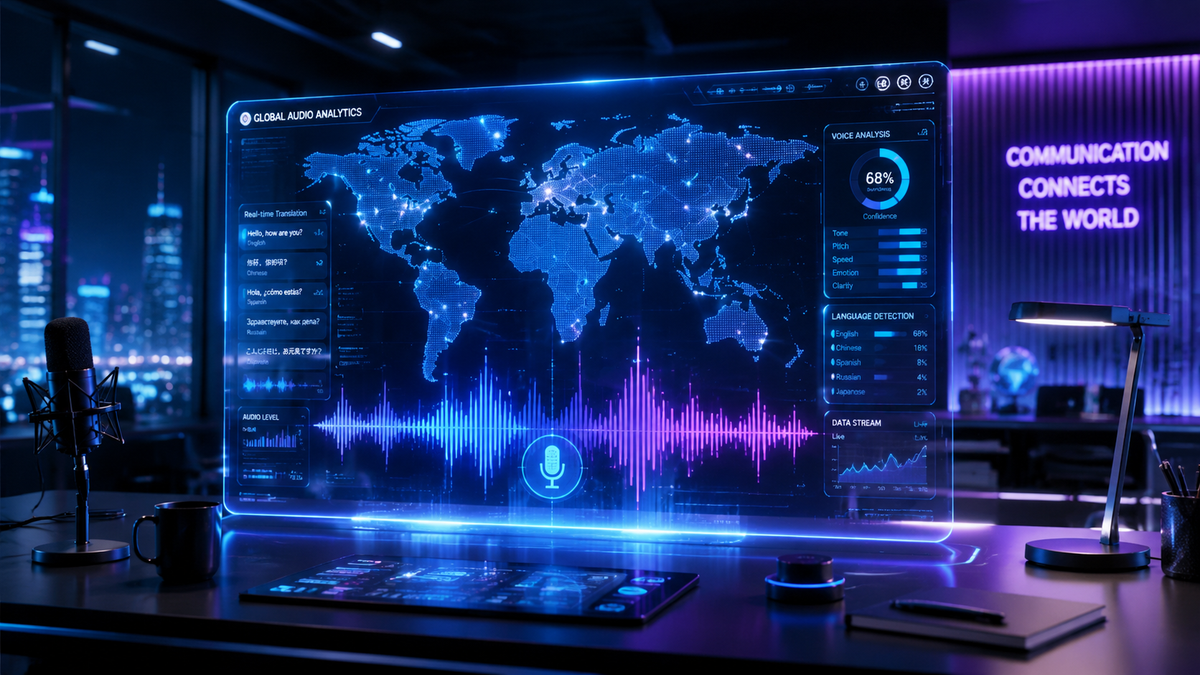
The best AI video translator with dubbing in 2026 is a tool that combines high-fidelity voice cloning, automated lip-syncing, and context-aware translation to localize content seamlessly. Leading solutions like Vozo AI, Adobe Firefly, and YouTube’s native dubbing suite now allow creators to translate videos into dozens of languages while maintaining the original speaker's emotional nuance and mouth movements.
An AI video translator with dubbing is an advanced software solution that utilizes neural networks to transcribe, translate, and re-voice video content. In 2026, these tools have evolved beyond simple text-to-speech, incorporating sophisticated lip-syncing technology that aligns the speaker's facial movements with the newly generated audio in the target language.
- ✓ Real-time lip-syncing has become the industry standard for high-end AI dubbing in 2026.
- ✓ Adobe Firefly and Vozo AI lead the market in realistic emotional inflection and vocal texture.
- ✓ YouTube now offers native AI-driven auto-dubbing with integrated lip-syncing for global creators.
- ✓ Game developers are increasingly using AI translators to localize immersive narratives instantly.
How to Use the Best AI Video Translator with Dubbing
Localizing your content has never been more accessible than it is in 2026. Whether you are a YouTuber looking to reach a global audience or a corporate trainer distributing materials across international branches, the process has been streamlined into a few automated steps. Modern tools leverage "zero-shot" voice cloning, meaning they only need a few seconds of the original audio to create a perfect digital twin in another language.
According to Programming Insider, the latest generation of AI translators allows users to translate any video instantly by bypassing the traditional manual transcription phase. This shift has reduced the turnaround time for localized video content from weeks to mere minutes, allowing for rapid global deployment of breaking news and trending social media content.
- Upload your source file: Select your high-quality video file (MP4, MOV, or MKV) and upload it to your chosen AI platform.
- Select target languages: Choose from the available languages. Most top-tier 2026 tools support over 100 dialects with regional accents.
- Configure Dubbing Settings: Enable "Lip-Sync" and "Voice Cloning" to ensure the translated audio matches the original speaker's persona.
- Review and Edit: Use the built-in transcript editor to tweak any technical jargon or brand names that require specific pronunciation.
- Export and Distribute: Render the final video. Many platforms now offer direct integration for publishing to YouTube, TikTok, or internal LMS systems.
Top 2026 Picks for AI Video Translation and Dubbing
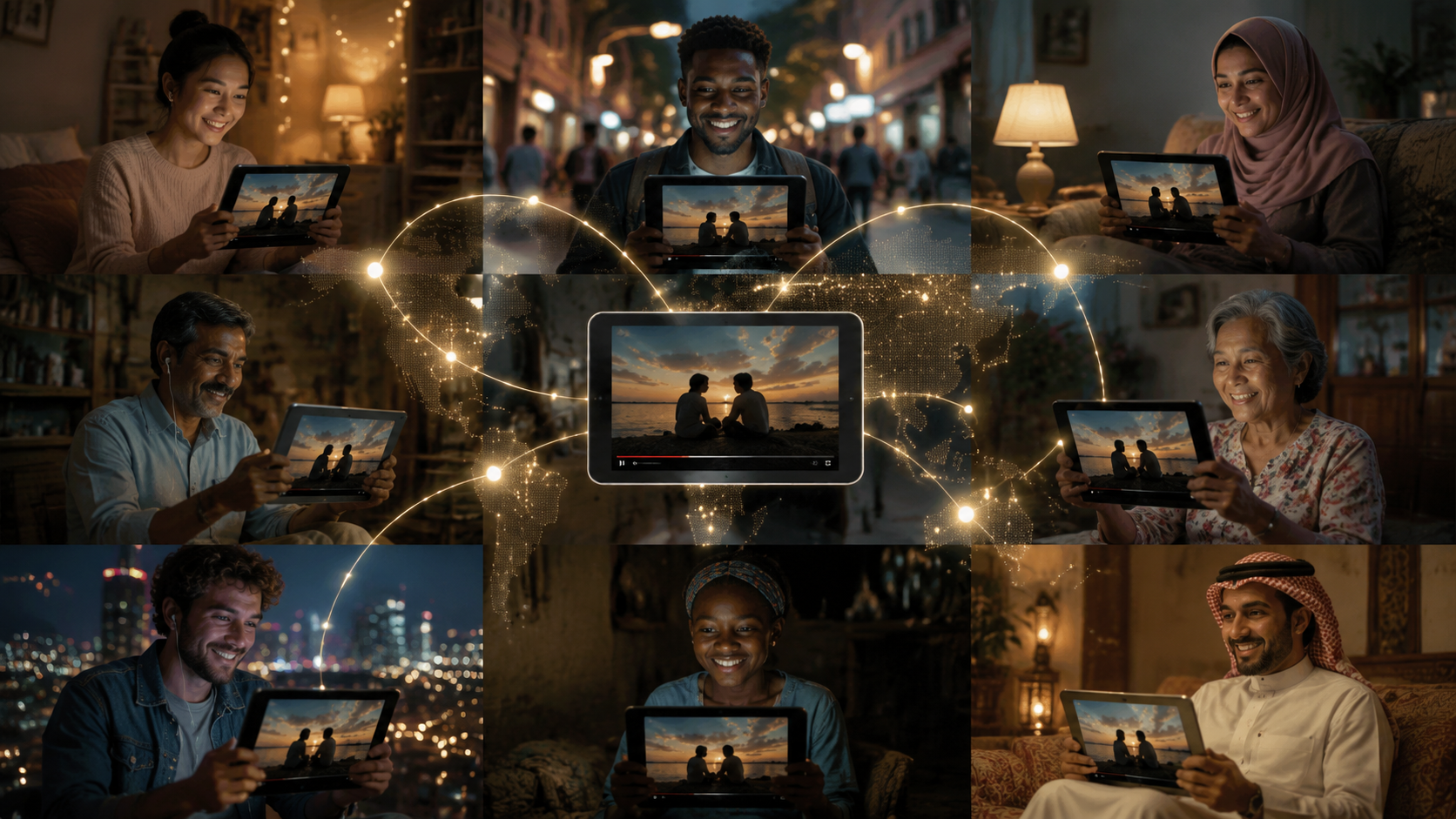
The landscape of video localization has shifted dramatically this year. While previous iterations focused solely on the accuracy of the text, the 2026 cohort of tools focuses on the "human" element of communication. This includes micro-expressions, tonal shifts, and the preservation of background ambiance. Finding the best AI video translator with dubbing depends largely on your specific use case, whether it's creative filmmaking, gaming, or social media growth.
As reported by Technology Org in May 2026, the current market leaders are distinguished by their "Real-World Performance," which measures how well the AI handles overlapping speech and diverse accents. The integration of generative AI into creative suites like Adobe has further democratized these professional-grade tools for independent creators.
Vozo AI: The Leader in Realistic Lip-Syncing
A recent review by Unite.AI highlighted Vozo AI as having the "most realistic AI lip-syncing" seen to date. In 2026, Vozo has perfected the alignment of labial sounds with visual cues, eliminating the "uncanny valley" effect that previously plagued AI dubbing. This tool is particularly favored by documentary filmmakers who need to maintain the gravitas of an interview while making it accessible to non-native speakers.
Adobe Firefly: Creative Suite Integration
Adobe has fully integrated AI dubbing into its Firefly ecosystem. According to TechRadar, Adobe Firefly now allows users to dub videos directly within Premiere Pro using simple text prompts. The primary advantage here is the workflow efficiency; editors can adjust the "performance" of the AI voice—making it sound more excited or somber—without leaving their timeline.
YouTube Native AI Dubbing
In late 2025 and throughout 2026, YouTube has rolled out its most ambitious update yet: native AI lip-syncing for auto-dubbed videos. As reported by TechSpot, this feature allows viewers to switch audio tracks on the fly, with the video's visual track actually altering in real-time to match the new language's phonemes. This has revolutionized how creators approach global channel strategy.
Comparison of Leading AI Dubbing Tools in 2026
Choosing the right platform requires a balance between cost, speed, and visual fidelity. High-end tools offer frame-by-frame lip-syncing, while more budget-friendly options might focus on high-quality audio cloning with standard visual overlays. The following table provides a breakdown of the top contenders in the "best AI video translator with dubbing" category for 2026.
| Tool Name | Key Feature | Best For | Lip-Sync Quality |
|---|---|---|---|
| Vozo AI | Hyper-Realistic Lip-Sync | Professional Filmmaking | Ultra-High |
| Adobe Firefly | Creative Cloud Sync | Video Editors | High |
| YouTube AI | Automatic Integration | Content Creators | Standard/Dynamic |
| GameTranslate Pro | Low-Latency Localization | Game Streamers | High |
| Universal Dub | 100+ Language Support | Corporate Training | Medium |
The Impact of AI Dubbing on Game Creators
The gaming industry has seen a massive shift in how narrative content is delivered. GameTyrant noted in early 2026 that the best AI video translators and dubbing tools are now being used by game creators to localize cinematic trailers and in-game dialogue in real-time. This allows indie developers to compete on a global scale by offering fully voiced experiences in languages they previously couldn't afford to support.
For streamers and "Let's Play" creators, these tools provide a way to re-broadcast their content to international audiences. By using an AI video translator with dubbing, a creator can maintain their unique voice and personality—cloned perfectly by the AI—while speaking fluent Japanese, Spanish, or Hindi. This has led to a 40% increase in global viewership for creators who adopt AI localization early, according to industry data.
Technological Advancements in 2026 Translation Engines
What sets 2026 apart from previous years is the move toward "Contextual Intelligence." Older AI translators often struggled with idioms, sarcasm, and cultural references. However, the latest large language models (LLMs) powering these video tools are trained on vast datasets of cultural nuances. This ensures that a joke told in English is not just translated literally into French, but replaced with a culturally relevant equivalent that maintains the original intent.
Furthermore, the hardware acceleration provided by the latest generation of GPUs has made "instant" dubbing a reality. According to Programming Insider, the latency for translating a 10-minute video has dropped below the 60-second mark on most enterprise platforms. This speed is critical for news organizations and live-event broadcasters who need to reach global audiences without delay.
The Role of Neural Voice Cloning
Neural voice cloning has reached a point of indistinguishable quality. In 2026, the best AI video translator with dubbing doesn't just replace the voice; it captures the "soul" of the speaker. This includes the subtle breaths between sentences, the slight rasp in a voice when someone is tired, and the rising intonation of a question. This level of detail is what makes 2026 tools superior for high-stakes storytelling.
Lip-Syncing and Visual Generative AI
The "Visual" part of "AI Video Translation" is where the most significant breakthroughs have occurred. Using Generative Adversarial Networks (GANs), tools can now redraw the lower half of a speaker's face in every frame. This ensures that when a speaker says a word with a "B" or "P" sound in the target language, their lips actually close, even if they didn't in the original footage. This visual consistency is the hallmark of a premium 2026 dubbing service.
Future Trends: What’s Next for AI Localization?
As we look toward the latter half of 2026 and into 2027, the focus is shifting toward "Live AI Interpretation" for video calls and streaming. We are already seeing early versions of this in tools like YouTube's auto-dubbing, but the goal is to make it ubiquitous across all communication platforms. The integration of these tools into AR and VR environments is also on the horizon, allowing for real-time, face-to-face translated conversations in the metaverse.
Privacy and ethics also remain at the forefront. The best AI video translator with dubbing platforms in 2026 have implemented rigorous "Voice Watermarking" to prevent the misuse of cloned voices for deepfakes. This ensures that while technology advances, it does so within a framework of security and consent for creators and actors alike.
Frequently Asked Questions
What is the best AI video translator with dubbing in 2026?
Vozo AI and Adobe Firefly are currently considered the top picks due to their superior lip-syncing capabilities and emotional voice cloning. The "best" tool depends on whether you need professional editing features or a quick, automated solution for social media.
Does YouTube offer free AI video dubbing?
Yes, YouTube has introduced a native AI dubbing and lip-syncing tool for creators in 2025 and 2026. It allows for automatic language tracks that visually align with the speaker's mouth movements, though it is currently rolling out in phases to different regions.
How long does it take to dub a video with AI?
In 2026, most advanced platforms can process a 5-minute video in less than two minutes. This includes transcription, translation, voice cloning, and the rendering of the lip-synced visual track.
Is AI dubbing better than human dubbing?
AI dubbing is significantly faster and more cost-effective, making it ideal for high-volume content. While human actors still provide the highest level of artistic nuance for major motion pictures, AI has become the preferred choice for educational, corporate, and social media content.
Can AI video translators handle different accents?
Yes, modern 2026 AI tools are trained on diverse global datasets, allowing them to recognize and replicate regional accents accurately. Users can often choose specific regional dialects, such as Brazilian Portuguese versus European Portuguese, for better localization.



Comments ()