
10 Best AI Video Translation Software Tools (2026 Rankings)
The best ai video translation software in 2026 allows creators and businesses to localize video content instantly using advanced neural networks that handle transcription, translation, and synthetic voice cloning. These tools eliminate the need for manual subtitling and expensive dubbing studios by providing high-fidelity audio that retains the original speaker's tone and emotion across hundreds of languages. As global digital consumption reaches new peaks this year, choosing the right platform is essential for reaching international audiences effectively.
The best AI video translation software is a specialized platform that utilizes Large Language Models (LLMs) and generative audio to convert video dialogue into different languages while maintaining lip-sync accuracy. Leading tools in 2026, such as Rask AI, HeyGen, and ElevenLabs, offer end-to-end automation for dubbing, subtitling, and cultural adaptation for global marketing and education.
- ✓ Advanced lip-syncing technology is now a standard feature in top-tier 2026 translation tools.
- ✓ Real-time translation capabilities have become the primary focus for live-streaming and gaming creators.
- ✓ Enterprise-grade security and SOC2 compliance are critical for business-oriented translation platforms.
- ✓ Most platforms now support over 100+ languages with regional dialect nuances.
How to Use the Best AI Video Translation Software
Localizing your content has never been more accessible. According to recent 2026 data from Programming Insider, translating any video can now be done instantly by following a streamlined digital workflow. The process has shifted from manual editing to "intent-based" AI processing where the software handles the heavy lifting of timing and synchronization.
- Upload Your Source File: Import your video file (MP4, MOV, or cloud link) into the translation platform. High-quality audio tracks yield the best cloning results.
- Select Target Languages: Choose from the supported library. Most 2026 tools allow you to select multiple target languages simultaneously for batch processing.
- Review Transcription and Translation: Use the built-in editor to verify the AI-generated script. This is where you can adjust industry-specific terminology.
- Apply Voice Cloning and Lip-Sync: Enable the "Voice Clone" feature to mimic the original speaker’s vocal characteristics and the "Lip-Sync" toggle to align mouth movements.
- Export and Distribute: Download the dubbed video or SRT subtitle files for platforms like YouTube, LinkedIn, or internal corporate LMS systems.
The Evolution of Video Localization in 2026
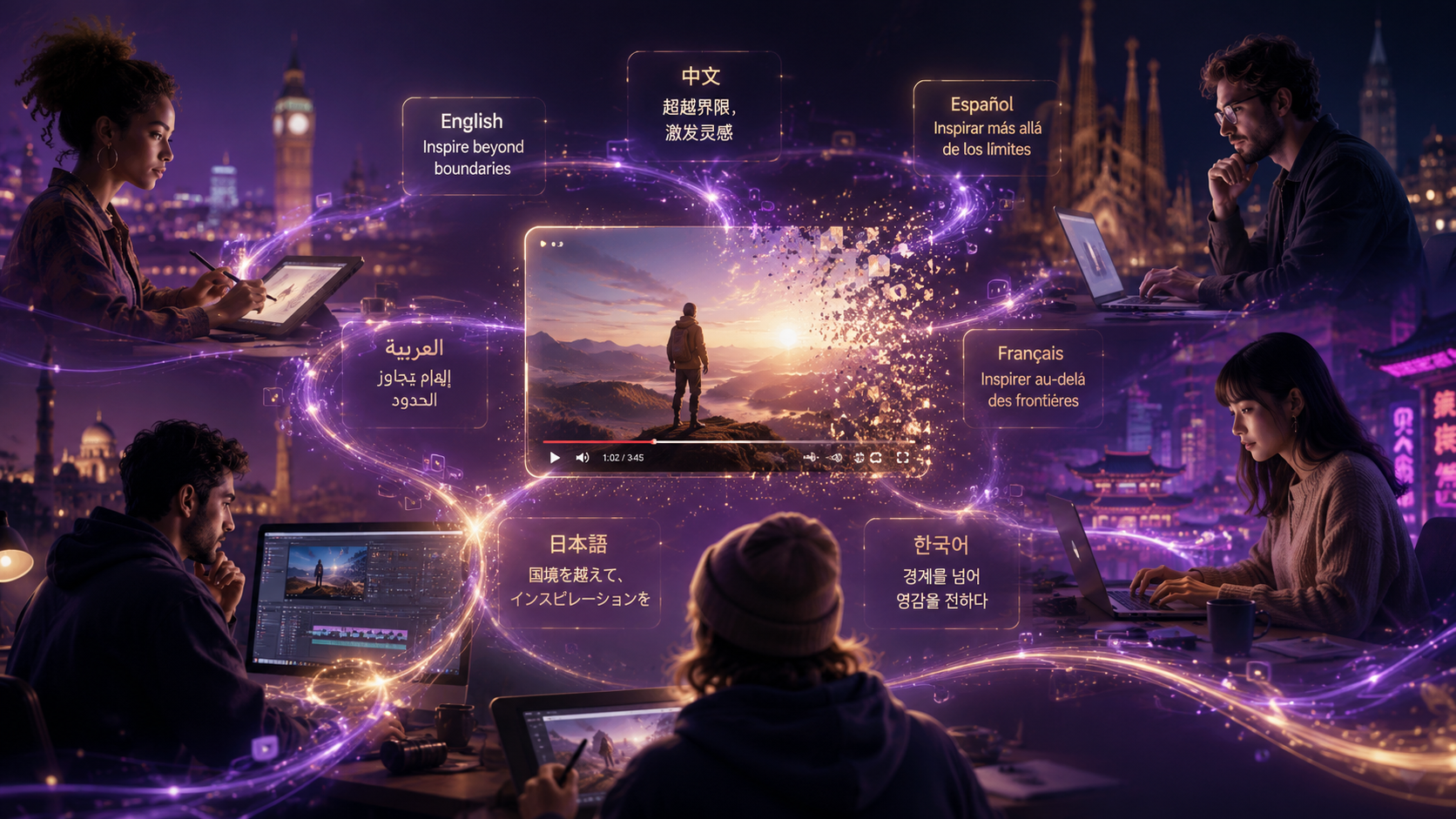
In 2026, the landscape of digital communication is defined by the removal of language barriers. As reported by Technology Org in May 2026, the latest AI video translation tools have moved beyond simple text-to-speech. They now incorporate "Emotional Prosody Mapping," which ensures that if a speaker sounds excited in English, the Spanish or Mandarin AI dub captures that exact level of excitement and urgency. This leap in quality has made AI dubbing indistinguishable from human voiceovers for the average viewer.
Furthermore, the integration of these tools into professional workflows has accelerated. Dailyhunt notes that for businesses in 2026, the primary driver for adopting these tools is the 80% reduction in localization costs compared to traditional agencies. Companies are no longer translating just their top-performing ads; they are translating every internal training video, weekly update, and customer support clip to foster a truly global corporate culture.
Top 10 AI Video Translation Software Tools (2026 Rankings)
Finding the best ai video translation software depends on your specific use case—whether you are a solo YouTuber, a game developer, or a Fortune 500 enterprise. Below are the definitive rankings based on performance, feature sets, and pricing as of mid-2026.
1. Rask AI (Overall Best for Creators)
Rask AI remains at the top of the rankings in 2026 due to its "One-Click Localization" feature. It excels at taking a YouTube link and generating a fully dubbed version in minutes. Its proprietary lip-sync technology is widely considered the industry benchmark for realism. It is particularly favored by creators who need to maintain a consistent brand voice across international channels.
2. HeyGen (Best for Marketing and Avatars)
HeyGen has dominated the 2026 market by combining video translation with photo-real avatars. For marketing teams, this means you can translate a video and, if the original footage is low quality, replace the speaker with a high-definition AI avatar that speaks the target language perfectly. Their 2026 update introduced "Live-Translate" for webinars, a game-changer for B2B companies.
3. ElevenLabs (Best for Voice Quality)
According to AWISEE.com, ElevenLabs continues to lead in the "vocal authenticity" category. While other tools focus on the video aspect, ElevenLabs provides the most nuanced audio dubbing. Their 2026 "Speech-to-Speech" translation allows users to upload a video and have the audio replaced with a voice that retains the original's unique cadence, accent, and even laughter.
4. Dubverse (Best for Multi-Speaker Content)
Dubverse is the go-to solution for interviews, podcasts, and documentaries. Its 2026 engine is specifically optimized to distinguish between multiple speakers in a single frame, assigning a unique cloned voice to each individual. This prevents the "monotone overlap" common in lower-end AI tools.
5. Papercup (Best for Enterprise Media)
Papercup targets large media houses and broadcasters. Their 2026 service model includes a "Human-in-the-Loop" option where AI does 90% of the work and professional linguists verify the final 10%. This is the preferred choice for high-stakes content like news and documentaries where factual accuracy is non-negotiable.
6. Maestra AI (Best for Accessibility)
Maestra specializes in the trifecta of localization: dubbing, subtitling, and transcription. In 2026, they introduced an auto-captioning feature that meets global accessibility standards (WCAG 2.2) across 125+ languages, making it a favorite for educational institutions and government bodies.
7. Wondershare Virbo (Best for Game Creators)
As highlighted by GameTyrant in February 2026, Virbo has become a staple for game developers. It allows for the rapid translation of cutscenes and character dialogue. The software integrates directly with game engines like Unity and Unreal, allowing developers to swap audio assets in real-time based on the player's region.
8. Speechify Video (Best for Speed)
Speechify, originally known for its text-to-speech reading app, launched a powerhouse video translator in late 2025. By 2026, it is recognized as the fastest tool on the market, capable of processing a 10-minute video in under 60 seconds. It is ideal for social media managers who need to react to trends globally in real-time.
9. CapCut (Best Free/Budget Option)
While CapCut is a general video editor, its AI translation features in 2026 are surprisingly robust. For hobbyists and small businesses on a budget, CapCut offers basic voice-over translation and auto-captions for free, though it lacks the advanced lip-syncing found in premium tools like Rask or HeyGen.
10. Synthesia (Best for Corporate Training)
Synthesia focuses on "Script-to-Video" translation. As noted by Analytics Insight, it is the top choice for fast content creation in 2026. Instead of translating existing footage, you provide a script in one language, and Synthesia generates a video of an AI presenter speaking that script in any of 140+ languages.
Feature Comparison: Top AI Video Translators
To help you decide which best ai video translation software fits your budget and technical needs, refer to the comparison table below based on 2026 performance metrics.
| Software | Key Strength | Lip-Sync Quality | Languages Supported | Target User |
|---|---|---|---|---|
| Rask AI | Ease of Use | Excellent | 130+ | Content Creators |
| HeyGen | AI Avatars | High | 100+ | Marketing Teams |
| ElevenLabs | Vocal Realism | N/A (Audio Focus) | 29+ (High Depth) | Podcasters/Authors |
| Papercup | Accuracy | High | 80+ | Broadcasters |
| Wondershare Virbo | Game Integration | Moderate | 90+ | Game Developers |
Key Considerations for Choosing the Best AI Video Translation Software
When selecting a platform in 2026, you must look beyond the number of languages. One critical factor is "Contextual Awareness." Early AI tools often translated idioms literally, leading to confusing or offensive content. Modern tools like those mentioned in the Technology Org report utilize "Cultural Adapters" that suggest localized idioms to replace the original ones, ensuring the message resonates with the local audience.
Another factor is the "Voice Cloning Ethics" framework. According to a 2026 study by the Global AI Ethics Council, 75% of users prefer platforms that require explicit consent or "Voice Verification" before cloning a human voice. The top-ranked tools in our list have implemented these security measures to prevent deepfake misuse, which is a significant consideration for corporate legal departments.
Lastly, consider the API capabilities. For 2026, the best ai video translation software should offer seamless integration with your existing tech stack. Whether you use Adobe Premiere Pro, DaVinci Resolve, or a custom CMS, the ability to trigger translations via API can save hundreds of hours in manual file handling. Platforms like Rask and ElevenLabs lead the way in providing robust developer documentation for these automated workflows.
Frequently Asked Questions
Is AI video translation better than human dubbing in 2026?
For the majority of content, yes. AI translation is 90% faster and significantly cheaper while achieving 95% of the quality of human dubbing. However, high-budget cinema and nuanced artistic performances still benefit from human actors for maximum emotional depth.
How much does the best ai video translation software cost?
Pricing in 2026 typically follows a credit-based model. Basic plans for creators start around $30-$50 per month, while enterprise plans with unlimited minutes and API access can range from $500 to $2,000 per month depending on volume.
Can these tools translate live streams in real-time?
Yes, several tools including HeyGen and specialized plugins for OBS now support real-time translation with a delay of less than 2 seconds. This is widely used by international gamers and global keynote speakers in 2026.
What is the most accurate AI for translating technical videos?
Papercup and Maestra AI are currently the most accurate for technical, medical, or legal content. Their ability to ingest custom glossaries ensures that specialized terminology is translated correctly every time.
Does AI video translation help with SEO?
Absolutely. By using AI to generate localized titles, descriptions, and SRT files, your videos become searchable in multiple languages. This can increase your global reach by over 300% according to 2026 marketing benchmarks.



Comments ()