
10 Best AI Video Tools for Startups in 2026: Scale Fast
The best ai video tools for startups in 2026 are specialized software platforms that leverage generative artificial intelligence to automate the creation, editing, and distribution of high-quality video content. By utilizing neural networks and large language models (LLMs), these tools allow early-stage companies to produce professional-grade marketing, training, and product demos without the overhead of traditional film crews or expensive post-production houses.
The best ai video tools for startups are generative platforms like Runway, Sora, and HeyGen, which enable rapid content scaling. These tools use AI to transform text prompts into cinematic visuals, automate lip-syncing for global localization, and provide modular editing workflows. For 2026 startups, choosing the right tool depends on whether you prioritize hyper-realistic avatars, text-to-video generation, or automated social media clipping.
- ✓ Startups can reduce production costs by up to 80% using generative AI video workflows.
- ✓ Real-time lip-syncing and AI translation are now essential for global market entry in 2026.
- ✓ Runway’s $10 million Builders fund highlights the massive investment in AI-native video creators.
- ✓ Hybrid workflows—combining AI generation with human oversight—yield the highest engagement rates.
How to Implement AI Video Workflows for Your Startup
Scaling a startup in 2026 requires a "video-first" mentality. With consumer attention spans shorter than ever, the ability to churn out high-quality, personalized video content is a competitive necessity. According to TechRadar, which recently reviewed over 70 AI tools in 2026, the integration of AI into the creative stack is no longer optional for indie founders; it is a survival test.
- Define Your Use Case: Determine if you need top-of-funnel marketing ads, internal training videos, or personalized sales outreach.
- Select a Foundation Model: Choose a tool based on its underlying model (e.g., Runway Gen-3 or OpenAI Sora) to ensure visual consistency.
- Create a Prompt Library: Standardize your brand’s visual style by documenting specific AI prompts for lighting, camera angles, and color grading.
- Automate Localization: Use AI lip-sync tools to translate a single video into multiple languages for international markets.
- Iterate and Analyze: Use performance data from social media to refine your AI generations in real-time.
Comparison of the Best AI Video Tools for Startups
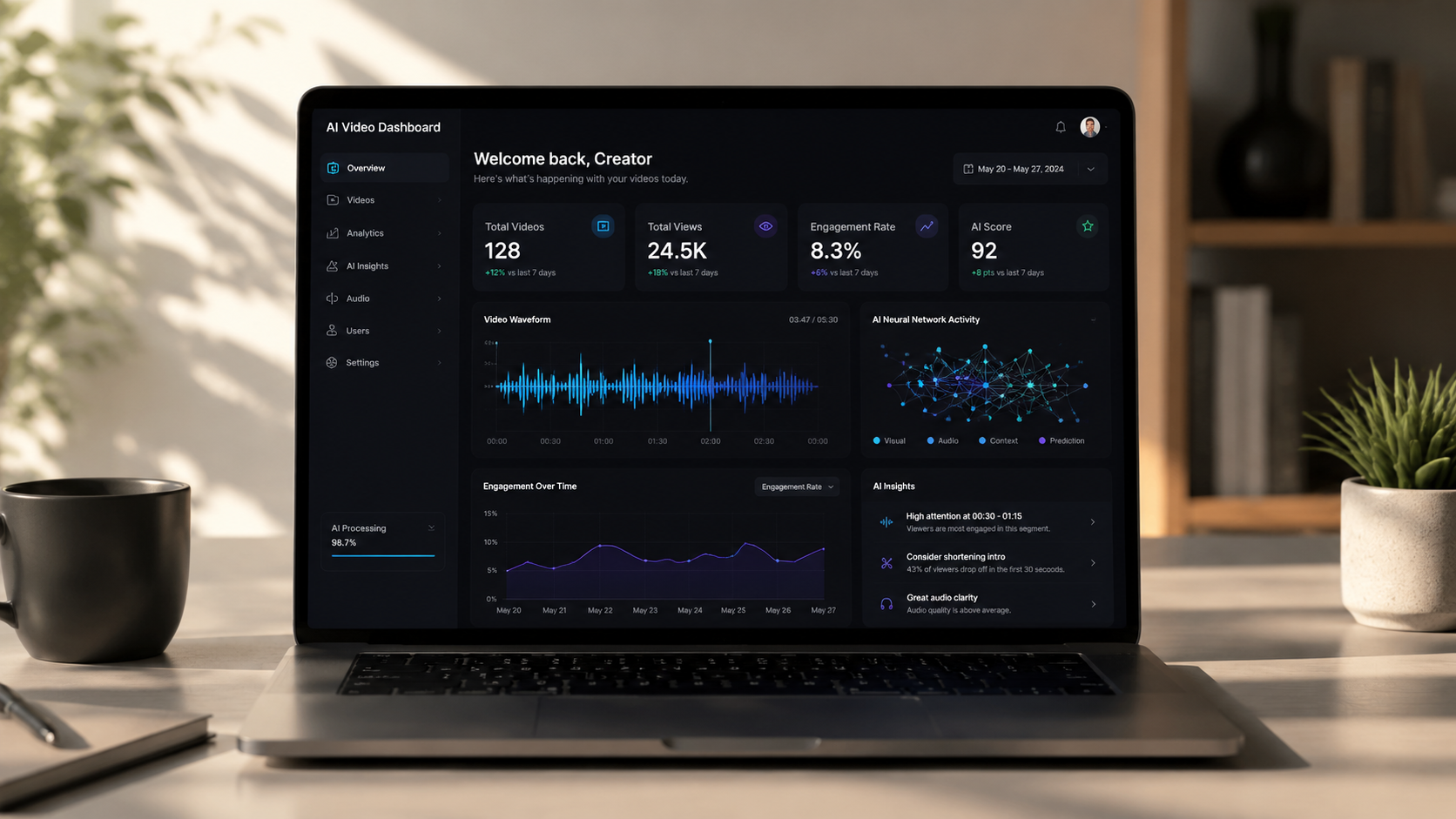
The landscape of video generation has shifted significantly this year. While some tools focus on pure creativity, others are built for enterprise-grade scalability. Startups must balance the cost of subscriptions against the potential ROI of rapid content output. Below is a comparison of the top-performing platforms based on 2026 industry benchmarks.
| Tool Name | Primary Feature | Best For | Startup Pricing |
|---|---|---|---|
| Runway | Cinematic Gen-3 Alpha | High-end Brand Ads | $10M Fund for Builders |
| HeyGen | Hyper-real Avatars | Sales & Onboarding | Freemium / Pro tiers |
| Sora (OpenAI) | Long-form Generation | Storytelling & Shorts | Usage-based API |
| Luma Dream Machine | Physics-based Motion | Product Visuals | Subscription |
| Synthesia 3.0 | Live Action Avatars | Corporate Training | Enterprise Scaled |
1. Runway: The Creative Powerhouse for Early-Stage Startups
Runway remains at the forefront of the generative video revolution. In early 2026, TechCrunch reported that Runway launched a $10 million fund and "Builders program" specifically designed to support early-stage AI startups. This initiative provides not just capital, but also the compute power necessary for founders to push the boundaries of what AI video can achieve.
For a startup, Runway offers more than just text-to-video. Their Gen-3 model allows for precise control over camera movement and character consistency, which were major pain points in previous years. By utilizing their "Motion Brush" and "Director Mode," marketing teams can create cinematic advertisements that previously required a $50,000 production budget for a fraction of the cost.
Key Benefits for Founders
The primary advantage of Runway is its ecosystem. Beyond the generator, it offers a suite of "AI Magic Tools" that handle rotoscoping, in-painting, and motion tracking. This makes it one of the best ai video tools for startups that need an all-in-one studio environment rather than a single-purpose app.
2. HeyGen and the Evolution of Lip-Sync Workflows
Communication is the heartbeat of any startup. Tycoonstory Media highlighted in May 2026 that "Lip Sync Video Workflows" have become the gold standard for startup marketers. HeyGen has dominated this space by offering avatars that are virtually indistinguishable from real humans. Their 2026 update introduced "Instant Avatar 4.0," which requires only 30 seconds of footage to create a digital twin with perfect emotional inflection.
Startups are using HeyGen to scale their personalized sales efforts. Instead of a sales representative recording 100 individual videos, they can record one, and the AI will swap the recipient’s name and specific company details while maintaining perfect lip-syncing. This level of personalization at scale is a primary driver of growth for B2B SaaS companies this year.
Global Localization in 2026
According to ADWEEK, the startup behind the famous AI videos for celebrities like Madonna is now valued at $1.3 billion, proving the massive commercial viability of high-fidelity AI video. HeyGen’s translation features allow startups to record a video in English and instantly output it in 40+ languages, including regional dialects, ensuring that a startup in San Francisco can speak natively to a customer in Tokyo or Berlin.
3. OpenAI Sora: Revolutionizing Long-Form Storytelling
While early AI video was limited to 3-5 second clips, OpenAI’s Sora has expanded the horizons for startups in 2026. Sora’s ability to understand complex physics and maintain temporal consistency over 60-second shots has made it a favorite for "indie founders," as noted by Startup Fortune. These founders are using Sora to create "test" videos—prototypes of products that don't even exist yet—to gauge market interest before spending a single dollar on manufacturing.
The 2026 version of Sora includes an API that allows startups to bake generative video directly into their own applications. This has led to a surge in new "Video Editing Startups," with Failory identifying 18 key players to watch this year that are built entirely on top of the Sora and Runway backends.
4. Luma Dream Machine: High-Speed Iteration
For startups that need to move fast, Luma Dream Machine provides a balance of speed and realism. It is particularly effective at "Image-to-Video" transformations. A startup can take a static product photo and, within seconds, generate a 360-degree flyover or a lifestyle shot of the product being used. This utility is crucial for e-commerce startups looking to populate their catalogs with dynamic content without hiring a professional photographer.
Luma’s 2026 architecture focuses on "Physics-First" rendering. This means that if a video depicts water pouring or a fabric moving in the wind, the AI calculates the weight and resistance of those objects, leading to a much more realistic output that doesn't suffer from the "uncanny valley" effect common in 2024-era tools.
5. Pika Labs: The Stylized Marketing Edge
Not every startup wants hyper-realism. Many brands, especially in the gaming, Gen-Z fashion, and creative sectors, prefer a stylized, "vibe-heavy" aesthetic. Pika Labs has carved out a niche as one of the best ai video tools for startups that focus on animation and artistic flair. Their "Sound-to-Video" feature, which syncs visual pulses to a music track, has become a staple for startup marketers launching new products on social media platforms.
Pika’s 2026 platform also includes advanced "In-Painting" capabilities. This allows a user to select a specific area of a video—say, a model's shirt—and change its color or pattern with a text prompt while the video is playing. This is a game-changer for fashion startups conducting virtual photoshoots.
Choosing the Right Tool for Your Growth Stage
As Startup Fortune reported in May 2026, "Free AI video tools are becoming an indie founder test." The ability to navigate these tools effectively is now a core competency for any entrepreneur. However, as a startup grows, moving from free tiers to professional subscriptions is necessary to remove watermarks, access higher resolution (8K is now standard), and ensure data privacy for proprietary brand assets.
According to research from Failory, startups that integrated AI video into their marketing funnel saw a 40% increase in conversion rates compared to those using static imagery. The data is clear: the best ai video tools for startups are those that allow for rapid experimentation and high-volume output without sacrificing the brand's visual identity.
What is the most cost-effective AI video tool for a bootstrap startup in 2026?
For bootstrapped founders, Luma Dream Machine and Pika Labs offer the most generous free tiers with high-quality output. However, many founders are also utilizing the Runway Builders program to gain access to subsidized professional tools if they are in the early stages of development.
Can AI video tools replace a professional video editor?
While AI tools can handle 90% of the heavy lifting, professional editors are still needed for creative direction and final polish. In 2026, the role of the editor has shifted from manual cutting to "AI Orchestration," where they manage multiple AI models to create a cohesive narrative.
Are there copyright concerns with using AI-generated video for commercial use?
Most major platforms like Runway and OpenAI have established "Commercial Rights" tiers in 2026. As long as you are on a paid plan, you typically own the rights to the output. However, it is always recommended to check the specific terms of service, especially regarding the use of "known" faces or copyrighted music.
How long does it take to generate a high-quality video in 2026?
With current hardware acceleration, a 60-second high-definition video takes approximately 2 to 5 minutes to generate. Real-time generation is also becoming available for lower resolutions, which is ideal for interactive startup applications and live streaming.
Which AI tool is best for creating product demos?
HeyGen and Synthesia remain the leaders for product demos because they allow for the integration of screen-recordings with an AI avatar "presenter." This combination provides a human touch to technical walkthroughs, which significantly improves user retention and understanding.



Comments ()