
Best AI Video Generators for Marketing in 2026: Top Tools
The ai video generators for marketing in 2026 are specialized software tools that utilize advanced neural networks to transform text prompts, static images, or audio files into high-quality, professional video content. These platforms allow marketing agencies and content creators to produce cinematic advertisements, social media clips, and personalized product demos in minutes rather than weeks, significantly reducing production costs while increasing engagement across digital channels.
AI video generators for marketing are generative AI platforms that automate the video production process using text-to-video, image-to-video, and audio-to-video technologies. In 2026, these tools are essential for scaling content workflows, offering features like hyper-realistic avatars, instant language localization, and dynamic motion synthesis to help brands maintain a competitive edge in a video-first digital landscape.
- ✓ AI video generation allows for 10x faster content production compared to traditional filming.
- ✓ Image-to-video technology is now the primary method for turning static product photography into dynamic ads.
- ✓ Audio-to-video synchronization has become a standard for automated podcast and social media workflows.
- ✓ The global market for these tools is growing at a massive 23.5% CAGR as of June 2026.
- ✓ Top-tier tools now support 4K resolution and complex physics-based motion synthesis.
The State of Video Marketing in 2026
As we navigate through mid-2026, the digital landscape has shifted entirely toward short-form, high-impact visual storytelling. Marketing agencies no longer view artificial intelligence as a luxury but as a core operational requirement. According to a recent report by Market.us, the AI-powered video generator market is currently experiencing a CAGR of 23.5%, driven by the insatiable demand for personalized video content across platforms like TikTok, YouTube Shorts, and immersive spatial environments.
The convergence of neural networks and creative direction has led to a "democratization of production." In 2026, a single creative strategist can execute a global campaign that previously required a full film crew, an editor, and a localization team. This shift is particularly evident in the rise of image-to-video AI generators, which, as Techloy reports, are transforming how static photos become dynamic content, allowing brands to breathe life into their existing asset libraries without expensive reshoots.
Furthermore, the integration of audio-to-video AI has revolutionized modern content workflows. Robotics & Automation News highlighted in June 2026 that the ability to generate synchronized visual narratives from a simple voiceover or podcast track is now a top priority for content creators. This holistic approach to multi-modal generation ensures that the ai video generators for marketing used today are more versatile and capable than ever before.
How to Use AI Video Generators for Marketing Success
- Define Your Objective: Determine if you need an avatar-led explainer, a product showcase from static images, or a conceptual text-to-video brand film.
- Select Your Source Material: Input your script, upload high-resolution product photos, or record a high-quality audio track to serve as the foundation.
- Choose a Specialized Model: Select a tool that excels in your specific niche, such as neural networks optimized for human movement or those designed for cinematic environments.
- Customize and Brand: Apply your brand colors, logos, and specific font styles to ensure the generated output aligns with your corporate identity.
- Review and Iterate: Use "in-painting" or "region-based editing" features to refine specific parts of the video without regenerating the entire clip.
- Export and Distribute: Render the video in the appropriate aspect ratio (9:16 for social, 16:9 for web) and deploy across your marketing channels.
Top AI Video Generators for Marketing Compared
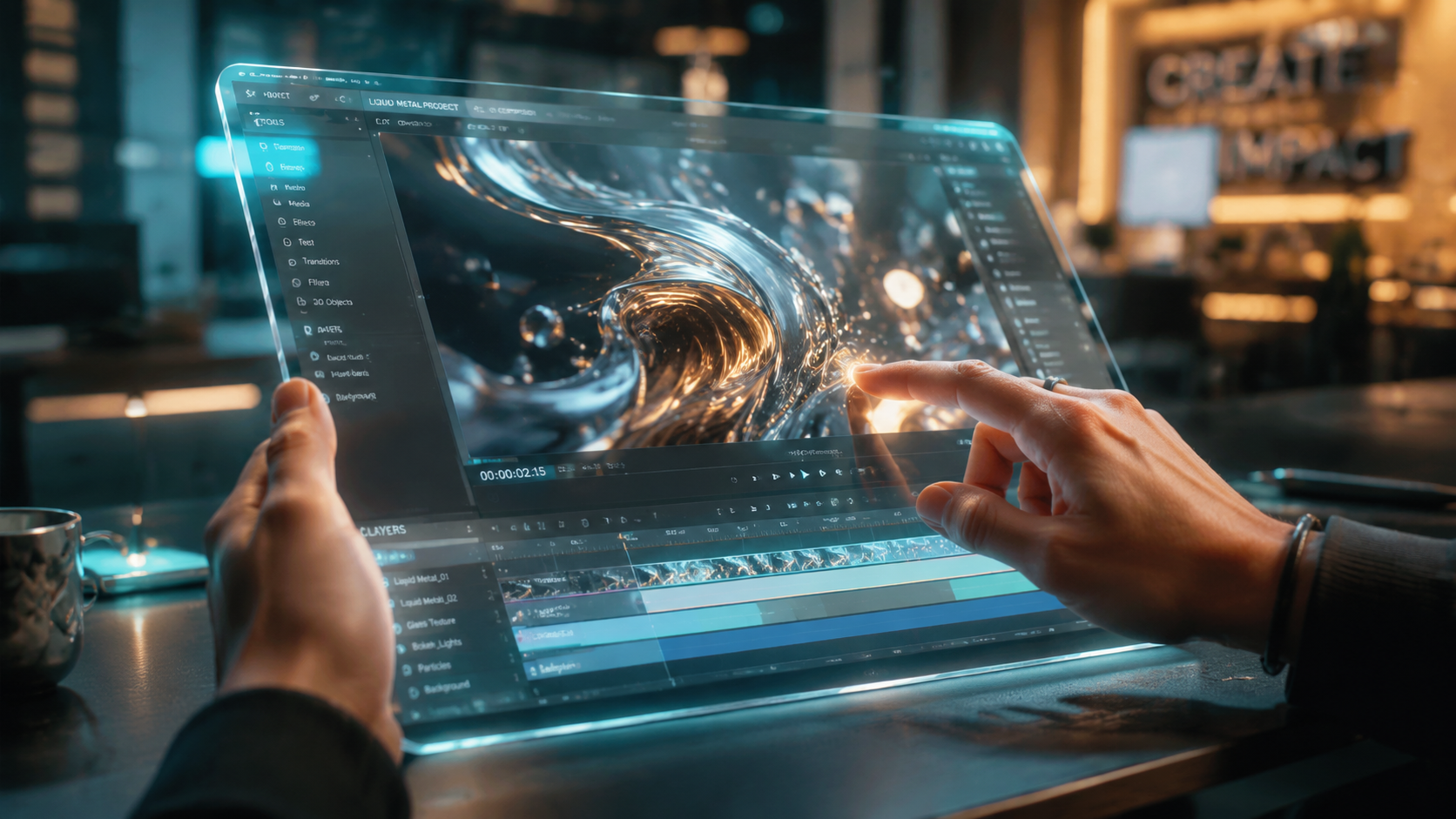
Choosing the right tool depends on your specific agency needs, budget, and the type of content you produce. The following table compares the leading platforms based on the latest 2026 market data and performance testing conducted by FinancialContent.
| Tool Category | Primary Strength | Best For | Key Feature (2026) |
|---|---|---|---|
| Text-to-Video | Cinematic Realism | Brand Advertisements | Physics-based Motion |
| Image-to-Video | Product Animation | E-commerce & Social | Depth-aware Synthesis |
| Audio-to-Video | Automated Sync | Podcasts & Explainers | Real-time Lip Sync |
| Avatar-based | Human Representation | Corporate Training | Emotional Expression 2.0 |
The Evolution of Image-to-Video Technology
One of the most significant breakthroughs in 2026 has been the refinement of image-to-video AI generators. As noted by Techloy, these tools have moved beyond simple "zoom and pan" effects to true 3D spatial reconstruction. Marketing teams are now taking static product photography and using AI to simulate a camera flying around the object, providing a 360-degree view that was once only possible with expensive CAD rendering or physical robotics.
This technology is a game-changer for e-commerce. Instead of static galleries, brands are deploying "living" lookbooks where the clothes move naturally on a digital model or the environment around a product shifts to match the viewer's local time and weather. This level of personalization, powered by ai video generators for marketing, has led to a documented increase in conversion rates for luxury and retail sectors.
Moreover, the "Top 15 neural networks for video generation in 2025-2026" report by Incrypted suggests that the latest models now incorporate better temporal consistency. This means that objects no longer "morph" or lose their shape between frames—a common issue in earlier versions of generative video. For marketers, this professional-grade stability is what makes AI-generated content indistinguishable from filmed footage.
Audio-to-Video Workflows for Modern Content
The rise of "Audio to Video AI Generators" has created a new standard for modern content workflows. As highlighted by Robotics & Automation News in June 2026, these tools allow marketers to take a simple audio file—such as an interview or a voiceover—and automatically generate a visually compelling video that matches the tone and subject matter of the speech.
Key Benefits of Audio-Led Generation
- Instant Localization: Automatically translate audio into 50+ languages and regenerate the video with perfectly synced lip movements.
- Efficient Repurposing: Turn a 30-minute podcast into 15 high-engagement "shorts" for social media with automated B-roll insertion.
- Reduced Talent Costs: Use high-quality AI voice clones paired with generative visuals to eliminate the need for on-camera talent for routine updates.
These workflows are particularly beneficial for marketing agencies that manage large volumes of educational or informational content. By utilizing ai video generators for marketing that specialize in audio-visual synchronization, agencies can maintain a high frequency of posting without burning out their creative teams. The automation of B-roll selection, where the AI "understands" the context of the speech and inserts relevant footage, has cut editing time by an estimated 85% in 2026.
Choosing the Best AI Video Generators for Marketing Agencies
In a comprehensive study titled "Best AI Video Generators for Marketing Agencies in 2026," FinancialContent emphasized that the "best" tool is often the one that integrates most seamlessly into existing tech stacks. Agencies are looking for API access, collaborative workspaces, and enterprise-grade security to protect their clients' intellectual property. The market has bifurcated into "prosumer" tools that are easy to use and "professional" platforms that offer granular control over every frame.
Ventureburn’s recent ranking of the "10 Best Free AI Video Generators in 2026" also highlights that the entry barrier for small businesses has vanished. Even free-tier tools now offer watermark-free exports at 1080p, allowing startups to compete with global brands in terms of visual quality. However, the premium versions remain the go-to for agencies due to their superior rendering speeds and access to custom-trained models that reflect a specific brand's aesthetic.
When evaluating these tools, agencies should look for "multi-modal" capabilities. The most successful marketing campaigns in 2026 are those that combine text, image, and audio inputs to create a cohesive narrative. The ability to prompt an AI with a script and a brand style guide to receive a fully edited, 60-second commercial is no longer a futuristic dream—it is the industry standard for ai video generators for marketing this year.
The Impact of Neural Networks on Creative Direction
With the "Top 15 neural networks for video generation" now reaching maturity, the role of the "Video Editor" is evolving into that of a "Creative Director." Incrypted reports that the latest architectures, such as those released in late 2025 and updated in 2026, allow for "directed motion." This means creators can draw paths on a screen to tell the AI exactly how a character should move or where the light source should be positioned.
This level of control addresses the primary criticism of early AI video: the lack of intentionality. In 2026, marketers can ensure that the AI-generated video adheres to strict storyboards. This is critical for brand safety and consistency. If a marketing campaign requires a specific emotional arc, the latest ai video generators for marketing can be tuned to deliver specific facial expressions and lighting moods, ensuring the final product resonates with the target audience on a psychological level.
According to Market.us, this technological sophistication is what will drive the market toward its multi-billion dollar valuation by the end of the decade. As neural networks become more efficient, we are also seeing a move toward "edge generation," where videos are generated in real-time on a user's device, allowing for hyper-personalized video ads that change based on the viewer's real-time interactions.
Frequently Asked Questions
What are the best ai video generators for marketing in 2026?
The best tools in 2026 are those that offer multi-modal inputs, including text-to-video, image-to-video, and audio-to-video capabilities. Leading platforms are characterized by their high temporal consistency, 4K output, and the ability to follow complex creative direction through path-based motion controls.
Is there a free AI video generator for professional use?
Yes, according to Ventureburn, there are at least 10 high-quality free AI video generators in 2026 that offer limited free tiers. While these are excellent for testing, professional marketing agencies typically opt for paid versions to access faster rendering, API integrations, and advanced branding features.
How fast is the AI video generator market growing?
According to Market.us, the AI-powered video generator market is growing at a Compound Annual Growth Rate (CAGR) of 23.5% as of June 2026. This growth is fueled by the increasing demand for automated content creation in the marketing and e-commerce sectors.
Can AI video generators turn photos into videos?
Absolutely. Image-to-video AI technology has become highly advanced in 2026, allowing marketers to transform static product photos into dynamic, cinematic videos. This process uses neural networks to infer 3D depth and realistic motion from a single 2D image.
What is audio-to-video AI generation?
Audio-to-video AI is a workflow where the software uses an audio track as the primary input to generate matching visuals. This is widely used for creating social media clips from podcasts, where the AI automatically handles lip-syncing for avatars and selects relevant B-roll based on the spoken context.



Comments ()