
10 Best AI Video Generators for Education in 2026
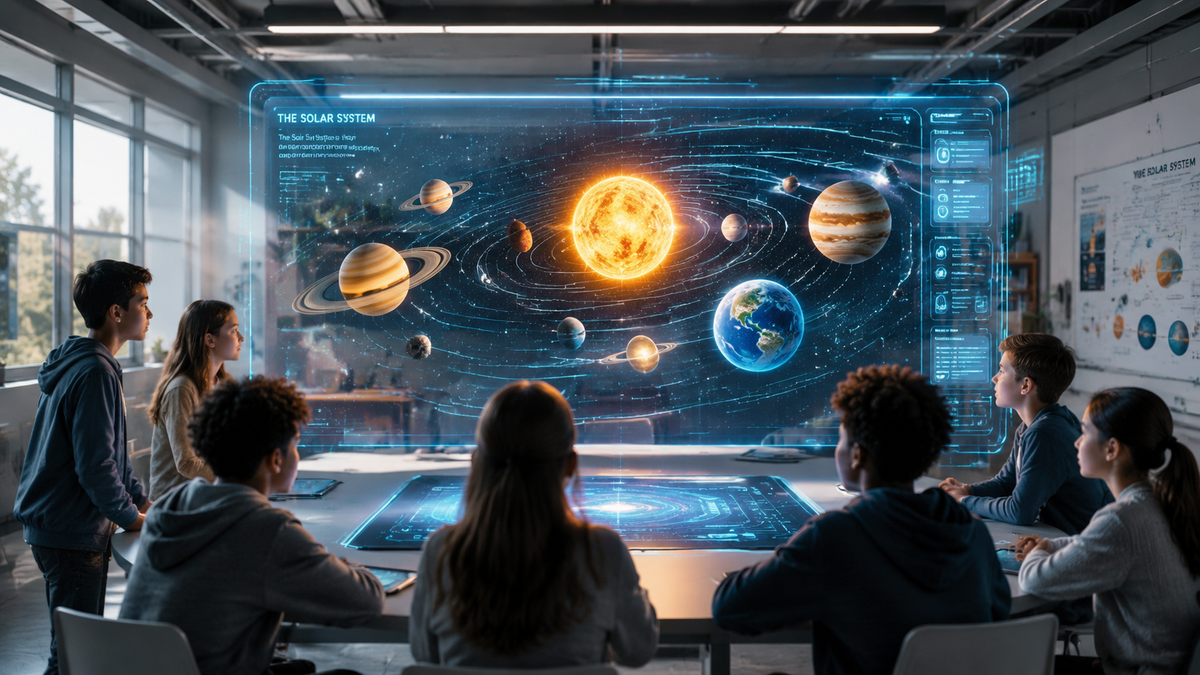
The best ai video generators for education in 2026 are specialized software tools that utilize advanced neural networks to transform text prompts, lesson plans, or static images into high-quality educational videos. These platforms empower educators and instructional designers to create immersive, multi-sensory learning experiences without the need for expensive cameras or professional editing skills. By integrating features like AI talking photos and cinematic text-to-video, these tools are fundamentally shifting how digital content is consumed in classrooms and remote learning environments.
The best AI video generators for education in 2026 are HeyGen, Sora (Education Edition), Synthesia, Runway Gen-3, and Canva Magic Studio. These platforms provide educators with the ability to generate hyper-realistic avatars, automate lesson summaries, and create cinematic visual aids from simple text prompts, significantly reducing content production time while increasing student engagement across K-12 and higher education.
- ✓ AI video generators now support hyper-realistic "Talking Photos" for historical reenactments.
- ✓ Text-to-video technology has reached "cinematic" quality, allowing for complex scientific visualizations.
- ✓ Real-time translation features enable educators to reach global student populations in 50+ languages.
- ✓ Integration with Learning Management Systems (LMS) has become a standard feature in 2026.
- ✓ Accessibility is enhanced through automated closed captioning and audio descriptions.
How to Use the Best AI Video Generators for Education
In 2026, the workflow for creating educational content has been streamlined to accommodate the busy schedules of teachers and professors. The focus has shifted from technical execution to creative curation. According to a May 2026 report from findarticles.com, the transformation of digital content creation is driven by the accessibility of these tools, allowing even those with zero technical background to produce professional-grade media.
To get started with these tools, follow this step-by-step process to ensure your educational videos are both pedagogically sound and visually engaging:
- Define Your Learning Objective: Start by identifying the specific concept you want to explain, such as the water cycle or the laws of thermodynamics.
- Select a Template or Avatar: Choose an AI avatar that matches the tone of your lesson or upload a historical figure's image to create an "AI Talking Photo."
- Input Your Script: Paste your lesson plan or script into the generator. Most 2026 tools now offer "AI Script Refinement" to ensure the language is age-appropriate.
- Customize Visuals: Use text-to-video prompts to generate specific b-roll footage or diagrams that illustrate complex points.
- Review and Export: Preview the video for accuracy, then export it in a format compatible with your classroom's LMS or video platform.
Comparison of Top AI Video Tools for Teachers in 2026
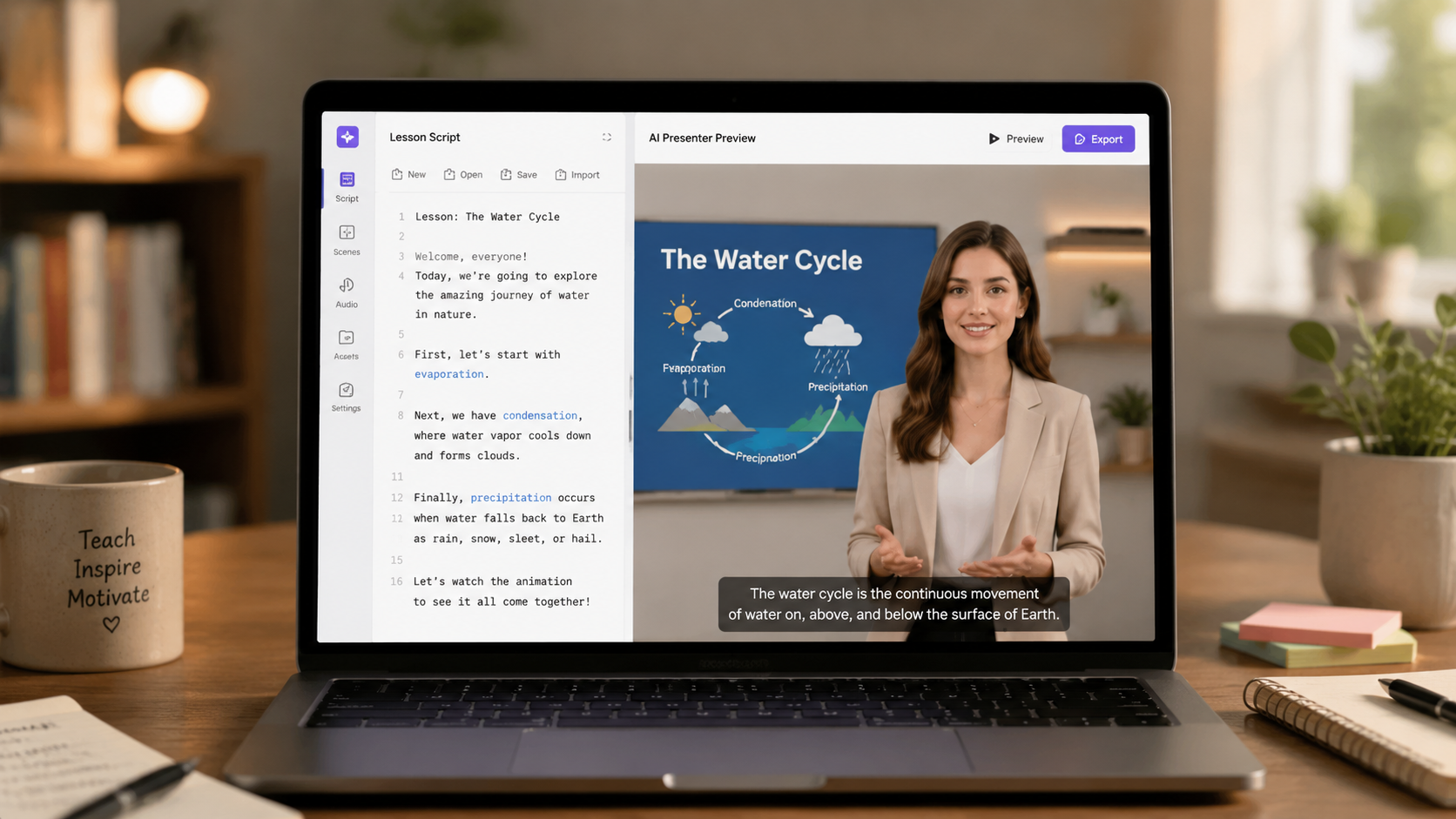
Choosing the right tool depends on your specific needs—whether you require a free version for quick shorts or a robust cinematic engine for detailed documentaries. As noted by Tycoonstory Media in May 2026, the market is currently split between tools optimized for "Shorts" and those designed for "Cinematic Content."
| AI Tool | Primary Educational Use | Key Feature (2026) | Pricing Model |
|---|---|---|---|
| HeyGen Edu | Interactive Lectures | AI Talking Photos | Freemium |
| Sora (OpenAI) | Cinematic Simulations | Physics-accurate Video | Subscription |
| Synthesia 4.0 | Corporate/Higher Ed | Personalized Avatars | Enterprise/Pro |
| Runway Gen-4 | Art & Science Visuals | Multi-Motion Brush | Credit-based |
| Canva Magic | K-12 Presentations | One-click Lesson Video | Free for Educators |
1. HeyGen: The Leader in AI Talking Photos
HeyGen has maintained its position as one of the best ai video generators for education by doubling down on "AI Talking Photos." This feature allows history teachers to bring a portrait of Abraham Lincoln or Marie Curie to life, having them narrate their own biographies. According to PC Tech Magazine (May 2026), the ability to create stunning visual content with talking photos has become a "top trending" method for boosting student retention.
In 2026, HeyGen’s lip-sync technology is virtually indistinguishable from reality. For educators, this means the emotional connection between the "speaker" and the student is stronger than ever. The platform also includes a "Translate" feature that can dub a lecture into over 40 languages while maintaining the teacher's original voice and lip movements, making it an essential tool for ESL and international education.
2. Sora (Education Edition): Cinematic Visualizations
OpenAI’s Sora has evolved into a powerhouse for science and geography teachers. Unlike simple avatar-based tools, Sora generates complex, cinematic scenes from text. If a teacher needs to show what the surface of Mars looks like based on the latest 2026 rover data, Sora can synthesize a 60-second high-definition flyover in minutes. Breaking AC News highlights Sora as a top-tier tool for its "physics-accurate" rendering, which prevents the visual hallucinations common in earlier AI versions.
The 2026 Education Edition includes safety filters that ensure all generated content is age-appropriate and factually grounded. This version also allows for "collaborative prompting," where a whole class can contribute keywords to a prompt and watch the AI build a world in real-time on the classroom’s smart screen. It is widely considered the gold standard for creating viral-quality educational shorts, as noted by quasa.io.
3. Synthesia 4.0: The Virtual Professor
Synthesia remains the preferred choice for higher education and professional development. Its 2026 update, Version 4.0, introduced "Micro-Expressions," allowing AI avatars to display subtle emotions like curiosity or empathy, which are crucial for soft-skills training. Synthesia’s strength lies in its massive library of diverse avatars, ensuring that every student sees themselves represented in the digital faculty.
For university professors, Synthesia offers a "PowerPoint-to-Video" plugin. This allows a professor to upload a traditional slide deck and have an AI avatar present the material automatically. Studies cited by Exploding Topics in May 2026 suggest that students are 40% more likely to complete a video-based module compared to reading a static PDF, making Synthesia a vital asset for asynchronous learning.
4. Runway Gen-4: Artistic and Scientific Expression
Runway has become the go-to tool for creative arts and advanced science. Its "Multi-Motion Brush" allows teachers to take a static diagram of a cell or a mechanical engine and animate specific parts with precision. This level of control is why it is frequently listed among the best ai video generators for education for technical subjects.
In the 2026 landscape, Runway has also introduced "Style Reference," where a teacher can upload a specific art style—like a Van Gogh painting—and the AI will generate a video about biology in that specific aesthetic. This cross-disciplinary approach helps bridge the gap between STEM and the Arts (STEAM), fostering a more holistic learning environment.
5. Canva Magic Studio: The All-in-One Classroom Solution
Canva has democratized AI video for K-12 teachers. Its Magic Studio suite, updated significantly in early 2026, features a "Magic Media" tool that generates 15-second educational clips directly within a presentation slide. Because Canva is free for verified educators, it has become the most widely used AI video tool in schools globally.
The platform’s 2026 updates focus on "Brand Kits for Schools," allowing districts to maintain a consistent visual identity across all their video communications. With the integration of "AI Talking Head" apps directly into the Canva sidebar, teachers no longer need to switch between multiple tabs to create a cohesive video lesson. It is the epitome of efficiency for the modern educator.
The Role of AI Video in Inclusive Education
In 2026, accessibility is no longer an afterthought. The best ai video generators for education now include "Universal Design for Learning" (UDL) features. According to Tycoonstory Media, the latest AI tools automatically generate sign language overlays and simplified "plain language" versions of complex scripts. This ensures that students with hearing impairments or cognitive disabilities have equal access to high-quality digital content.
Furthermore, the ability to change the "difficulty level" of a video’s vocabulary in real-time is a breakthrough. A teacher can generate one video about photosynthesis and, with a single click, create three versions: one for 5th graders, one for 8th graders, and one for high school seniors. This level of differentiation was impossible before the 2026 AI boom.
Ethics and Accuracy in AI-Generated Lessons
As AI video generators become more prevalent, the focus on "Fact-Checking AI" has intensified. Leading platforms in 2026 have integrated with academic databases to cite sources within the video itself. Breaking AC News reports that the "Honest Guide" to AI in 2026 emphasizes the importance of human-in-the-loop editing. Educators are encouraged to treat AI as a "co-pilot" rather than an autonomous creator.
Digital watermarking has also become standard. Every video generated for educational purposes in 2026 carries a cryptographic signature that identifies it as AI-generated. This transparency helps students develop media literacy, teaching them to distinguish between captured reality and synthesized content—a critical skill in the mid-2020s.
What is the best free AI video generator for teachers in 2026?
Canva Magic Studio is currently the best free option for educators, providing a comprehensive suite of video generation tools at no cost for verified K-12 teachers. Other tools like HeyGen offer limited free credits for creating talking photos.
Can AI video generators create content in multiple languages?
Yes, most top-tier AI video tools in 2026, such as Synthesia and HeyGen, offer "Voice Cloning" and "Lip-Sync Translation" in over 50 languages. This allows a teacher to record a lesson in English and have it perfectly dubbed into Spanish or Mandarin.
Is it difficult to learn how to use these AI tools?
No, the 2026 generation of AI video tools is designed with "Natural Language Interfaces." This means you can give commands in plain English, such as "Make this video look like a 1920s documentary," and the AI handles the technical execution.
Are AI-generated videos accurate enough for science lessons?
While AI has improved significantly, educators should still review all content. Tools like Sora (Education Edition) are now "physics-aware," meaning they follow the laws of gravity and motion more accurately than previous models, but human oversight remains essential.
How do AI video generators help students with disabilities?
These tools enhance accessibility by providing automated closed captions, transcriptions, and even AI-generated sign language. They also allow for the easy creation of visual aids that help neurodivergent students better grasp abstract concepts.



Comments ()