
Best AI Video Generators for 2026: Top Tools & Reviews
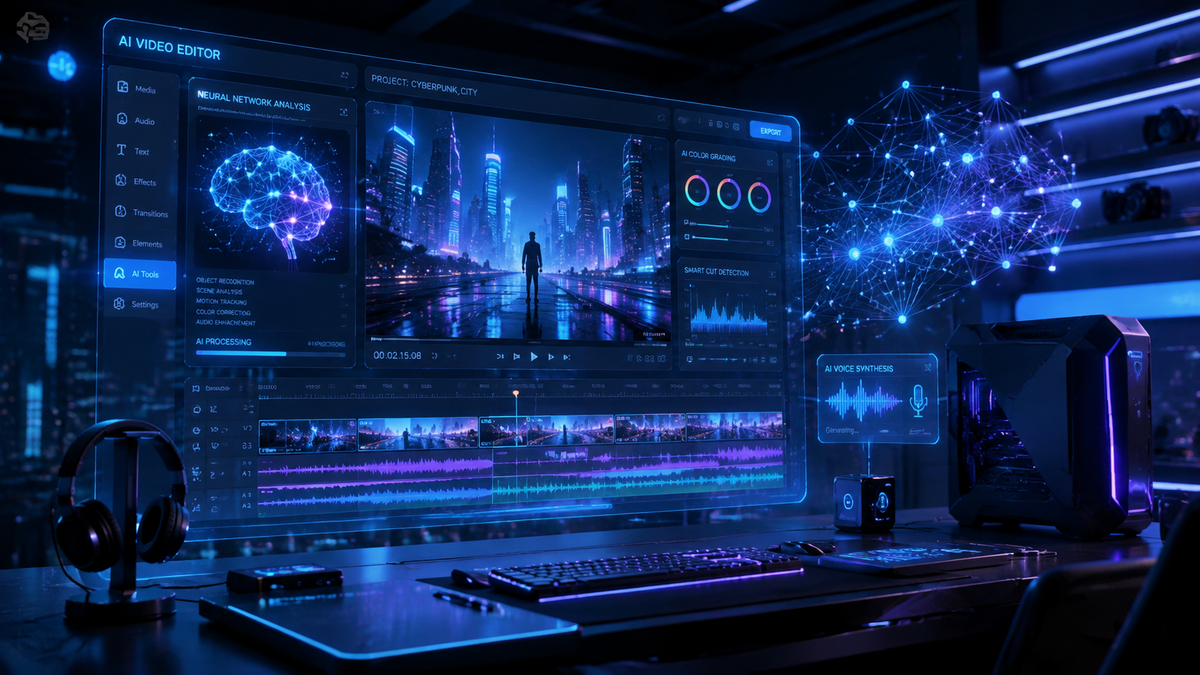
Finding the best ai video generators for 2026 requires understanding how generative models have evolved from simple clips to full-scale cinematic production tools. In 2026, the industry has shifted toward multimodal integration, allowing creators to seamlessly transform text, images, and even rough sketches into high-fidelity video content. These tools are no longer just experimental; they are core components of digital marketing, social media strategy, and professional filmmaking.
AI video generators for 2026 are advanced software platforms that utilize deep learning and diffusion models to create high-definition video from text prompts or static images. These tools now feature temporal consistency and physics-aware rendering, making them essential for rapid content scaling in social media marketing and professional digital storytelling.
- ✓ Professional-grade temporal consistency is now the standard for top-tier generators.
- ✓ Integration of "Image-to-Video" workflows has become the dominant method for creative control.
- ✓ AI video tools are reducing production costs by up to 70% for social media marketing agencies.
- ✓ Real-time collaboration and multimodal prompting are the standout features of the 2026 landscape.
According to Analytics Insight, AI video generators are redefining digital content strategy in 2026 by moving "beyond text" and allowing for complex, multi-layered visual narratives that were previously impossible for small teams. This shift has democratized high-end production, enabling solo creators to compete with major studios in visual quality and output frequency.
How to Use AI Video Generators for 2026 Content Creation
The workflow for generating high-quality AI video has matured significantly. While early iterations relied on "prompt engineering" luck, the current landscape demands a structured approach to achieve professional results. Modern tools now allow for granular control over camera movement, lighting, and character consistency, which is vital for brand storytelling.
- Define Your Visual Concept: Start with a detailed text prompt that describes the subject, environment, lighting, and cinematic style. In 2026, tools respond best to descriptive language regarding focal length and specific art movements.
- Select a Base Image (Optional but Recommended): As reported by Cybernews, the best results often come from image-to-video workflows. Upload a high-resolution AI-generated image to serve as the reference frame for your video.
- Configure Motion Parameters: Adjust the "motion bucket" or "flow scale" settings to determine how much movement occurs in the scene. Lower settings are ideal for subtle portraits, while higher settings suit action sequences.
- Generate and Iterate: Run the generation process. Most 2026 tools provide 4-second to 10-second previews. Use seed-locking features to refine specific areas of the video without changing the entire composition.
- Upscale and Export: Once the motion is perfected, use the built-in temporal upscaler to bring the resolution to 4K or 8K while maintaining a consistent 60fps frame rate.
The Evolution of AI Video Generators for 2026
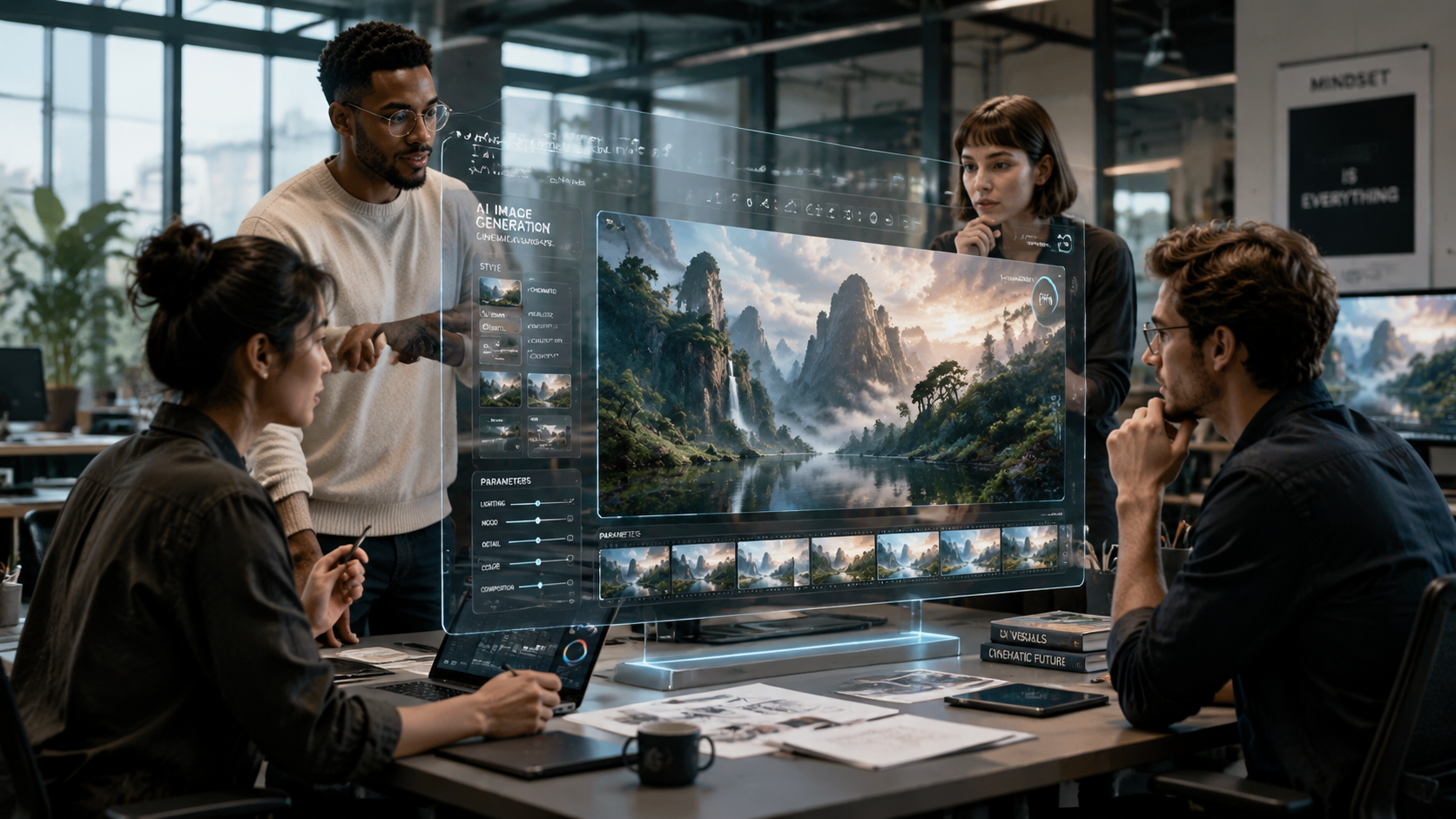
The landscape of digital creation has undergone a seismic shift this year. As PC Tech Magazine highlights, AI video generators are fundamentally changing social media marketing by allowing brands to react to trends in real-time with high-production-value video. The era of waiting weeks for a video edit is over; sophisticated campaigns are now conceptualized and deployed within hours.
This evolution is driven by the transition from simple frame-interpolation to true 3D spatial awareness. The ai video generators for 2026 now understand the physics of how light bounces off surfaces and how fabrics move in the wind. This level of realism has bridged the "uncanny valley," making AI-generated human avatars virtually indistinguishable from filmed footage in many commercial contexts.
Furthermore, findarticles.com notes that these tools are transforming digital content creation by integrating directly into existing creative suites. Rather than being isolated web apps, the top generators now function as plugins within professional editing software, allowing for a hybrid workflow where AI generates the "heavy lifting" of the visual effects while humans maintain creative direction.
Top AI Video Generators: 2026 Comparison
Choosing the right platform depends on your specific needs—whether you are looking for cinematic realism, social media speed, or ease of use. The following table compares the leading platforms based on the latest 2026 performance metrics.
| Platform Type | Primary Strength | Best For | Key Feature |
|---|---|---|---|
| Cinematic Diffusion | Hyper-Realism | Film & Commercials | Physics-Aware Rendering |
| Social-First Engines | Generation Speed | TikTok/Reels/Shorts | One-Click Trend Adaptation |
| Avatar Platforms | Lip-Sync Accuracy | Corporate Training | Multi-Language Dubbing |
| Hybrid Image-to-Video | Creative Control | Concept Art | Reference Frame Locking |
Key Features to Look for in 2026 Tools
When evaluating ai video generators for 2026, several technical benchmarks have become non-negotiable for professional users. First and foremost is temporal consistency. In previous years, AI videos suffered from "flickering" or morphing objects. The current generation of tools uses advanced latent space anchoring to ensure that a character’s face and clothing remain identical across every frame of the sequence.
Advanced Motion Control
Modern tools now offer "Director Modes" where users can draw paths on the screen to dictate camera movement. Whether you need a complex "dolly zoom" or a simple pan, these features allow for a level of intentionality that was missing in earlier iterations of generative video. This is particularly useful for real estate marketing and product showcases where specific angles are required.
Multimodal Input Processing
The most powerful ai video generators for 2026 are no longer limited to just text prompts. They can ingest audio files to sync character movement to speech, or use depth maps from existing videos to reskin entire scenes. This versatility is why CNET recently ranked these tools alongside image generators as the most influential creative technology of the year.
Impact on Social Media and Digital Strategy
The impact of these tools on social media cannot be overstated. According to PC Tech Magazine, engagement rates for AI-enhanced video content have seen a significant uptick because creators can now produce high-quality visual "spectacles" that were previously reserved for big-budget brands. This has leveled the playing field for influencers and small businesses.
Digital content strategy in 2026 is now built around the concept of "rapid iteration." Brands are using AI to generate dozens of variations of a single ad, testing different environments, lighting setups, and even "digital actors" to see which version resonates best with specific demographics. This data-driven approach to video production is the new industry standard.
Moreover, quasa.io points out that the frequency of new tool releases—while sometimes overwhelming—is driving a cycle of constant innovation. Each new generator introduces a niche feature, such as better "fluid dynamics" for water and fire, or improved "micro-expressions" for human faces, forcing the entire industry to upgrade their capabilities monthly.
The Future of AI Video: Beyond 2026
As we look toward the latter half of the decade, the line between "generating" and "filming" continues to blur. The ai video generators for 2026 are already laying the groundwork for interactive video, where viewers can change the environment or the outcome of a story in real-time. This will likely revolutionize the gaming and education sectors next.
For now, the focus remains on refining the user experience. The goal for developers is to remove the "technical" barrier entirely, allowing anyone with a vision to produce a cinematic masterpiece. As Analytics Insight concludes, the "democratization of the lens" is the defining theme of this era, ensuring that the only limit to content creation is the creator's imagination.
What are the best ai video generators for 2026 for beginners?
For beginners, social-first engines that offer "one-click" templates and intuitive drag-and-drop interfaces are the best choice. These tools prioritize speed and ease of use over deep technical customization, making them perfect for those new to AI content creation.
Can AI video generators create 4K content?
Yes, by 2026, most top-tier AI video platforms include built-in upscaling features that allow users to export content in 4K resolution. These tools use temporal refinement to ensure that the upscaled footage remains sharp and free of artifacts.
Is image-to-video better than text-to-video?
Generally, image-to-video provides much higher creative control. By starting with a high-quality base image, the AI has a clear visual reference for composition and character design, leading to more predictable and professional results than text prompts alone.
How long does it take to generate an AI video in 2026?
Generation times have improved significantly; a standard 5-to-10 second high-definition clip typically takes between 60 and 90 seconds to render on most cloud-based platforms. Real-time previews are also becoming more common in premium tools.
Are AI-generated videos copyrightable?
The legal landscape in 2026 suggests that while the raw AI output may have limited copyright protections, the specific creative "human-in-the-loop" elements—such as custom prompting, editing, and integration—are often protected. Always check the latest local regulations regarding AI intellectual property.



Comments ()