
10 Best AI Video Generator Platforms for 2026 (Ranked)
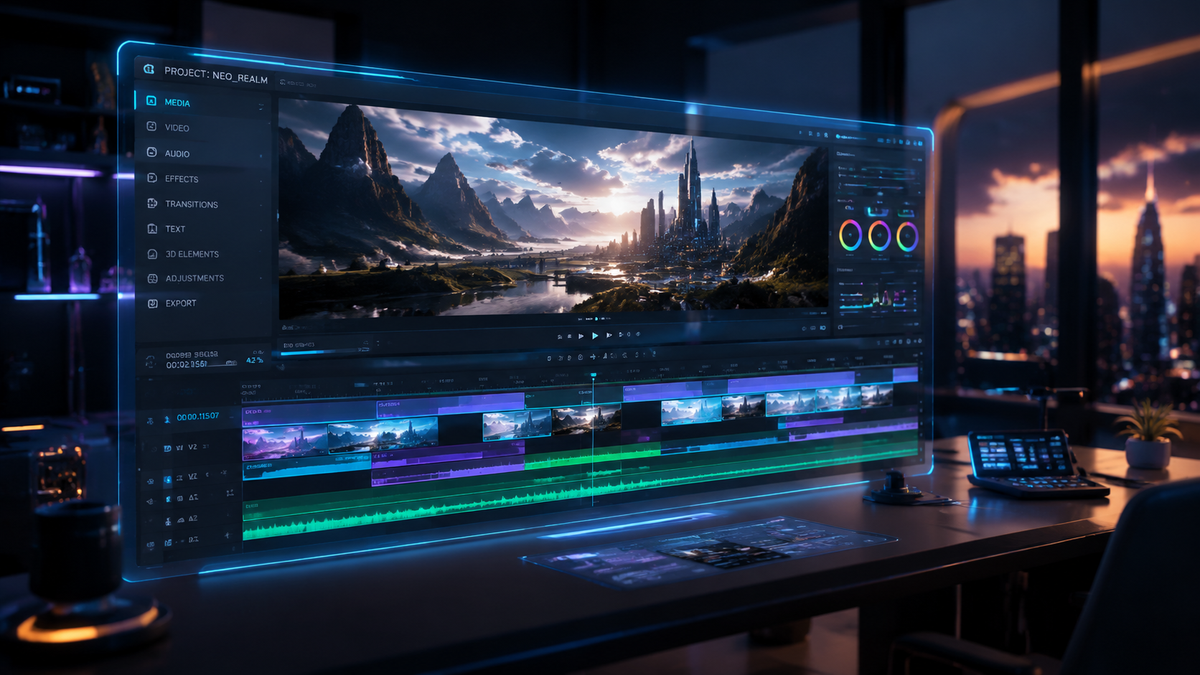
Finding the best ai video generator platforms in 2026 requires navigating a landscape where cinematic quality and real-time rendering have become the standard. These platforms utilize advanced diffusion models and multimodal transformers to convert text, images, or audio into high-definition video content in a matter of seconds. Whether you are a digital marketer, a filmmaker, or a content creator, the current generation of AI video tools offers unprecedented control over lighting, camera movement, and character consistency.
The best AI video generator platforms are comprehensive software solutions that use artificial intelligence to automate the video production process. These tools, such as the latest iterations from OpenAI, Runway, and Pika, allow users to generate professional-grade visual content from simple text prompts, significantly reducing the time and technical expertise required for high-end video editing and motion graphics.
- ✓ AI video generators in 2026 now support 8K resolution and 120fps output for ultra-smooth motion.
- ✓ Integration with neural physics engines allows for realistic liquid, hair, and clothing simulations.
- ✓ Multimodal inputs enable creators to combine text, sketches, and voiceovers into a single cohesive scene.
- ✓ Real-time collaboration features allow entire teams to edit AI-generated frames simultaneously in the cloud.
How to Use the Best AI Video Generator Platforms
As noted by findarticles.com, the transformation of digital content creation in 2026 is driven by the accessibility of these tools. Most top-tier platforms have streamlined their workflows to ensure that even beginners can produce studio-quality results. The process typically involves a blend of creative direction and algorithmic execution.
- Select Your Base Model: Choose between text-to-video, image-to-video, or video-to-video modes depending on your starting assets.
- Input Your Prompt: Provide a detailed description including subject, action, environment, lighting style (e.g., "volumetric lighting"), and camera movement (e.g., "slow dolly zoom").
- Configure Technical Settings: Set your aspect ratio (16:9 for YouTube, 9:16 for TikTok), frame rate, and duration.
- Apply Style References: Upload a reference image or select a preset style to maintain brand consistency across multiple clips.
- Generate and Refine: Render the initial preview and use "brush" or "region" tools to edit specific parts of the frame without regenerating the whole clip.
- Export and Upscale: Finalize the video in your desired resolution, often utilizing built-in AI upscalers to reach 4K or 8K quality.
Comparison of Top AI Video Platforms in 2026
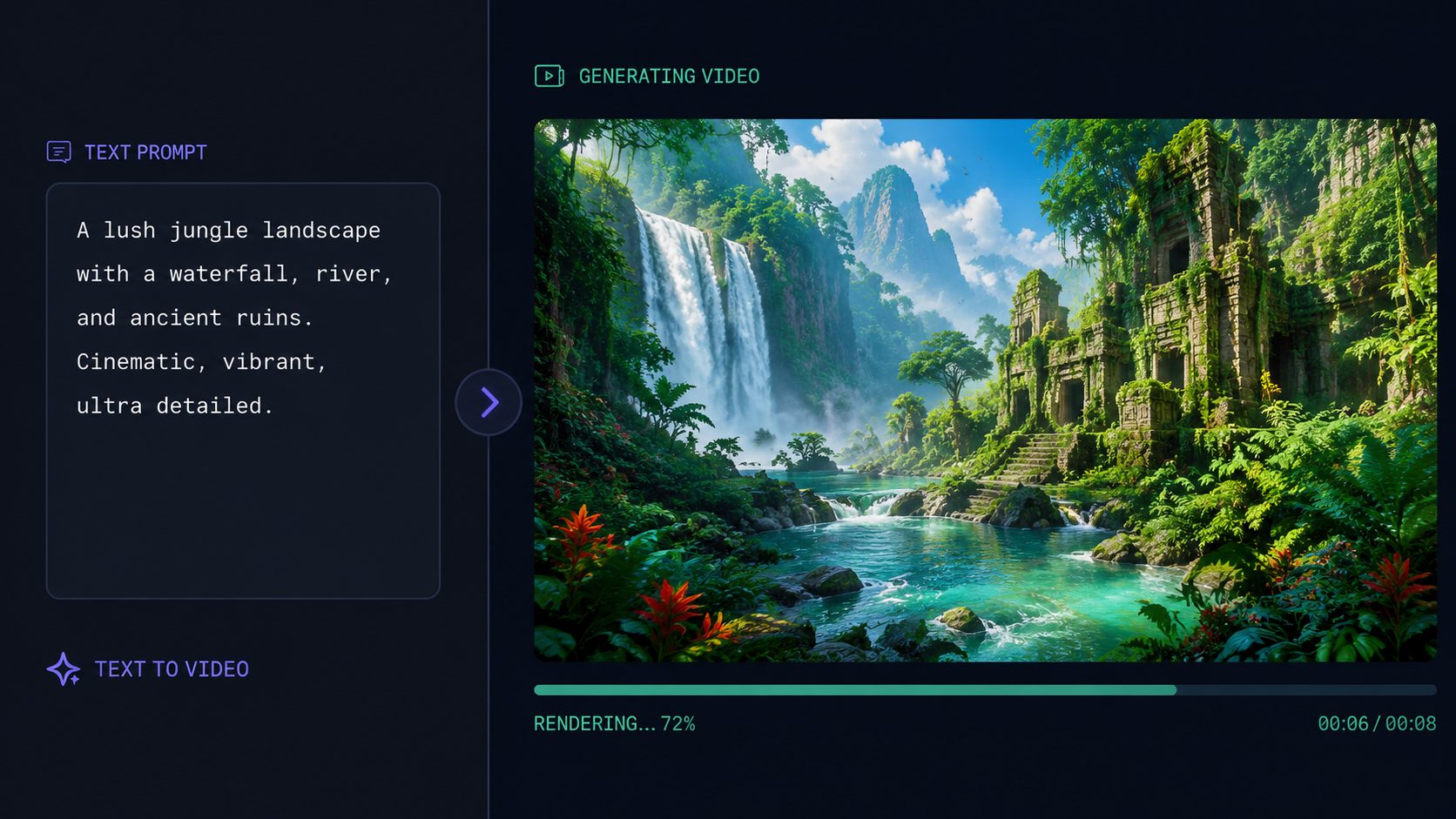
According to recent testing by PCMag, the market has shifted away from early experimental models like Sora toward more robust, production-ready tools. The following table compares the leading contenders based on their core capabilities and primary use cases.
| Platform | Primary Strength | Max Resolution | Best For |
|---|---|---|---|
| Runway Gen-4 | Cinematic Physics | 8K | Professional Filmmaking |
| Pika Pro 2.0 | Animation & Character Consistency | 4K | Social Media Creators |
| Luma Dream Machine v3 | Hyper-Realistic Lighting | 4K | Architectural Visualization |
| HeyGen Enterprise | Avatar Lip-Sync | 1080p/4K | Corporate Training |
| Sora (Updated) | Long-form Narrative | 4K | Storytelling |
1. Runway Gen-4: The Industry Leader in Cinematic AI
Runway continues to dominate the professional space in 2026. Following the trends identified by FinancialContent, Runway Gen-4 has introduced "Neural Director" controls, which allow users to manipulate virtual cameras within a generated scene as if they were on a physical set. This level of granularity is what separates the best ai video generator platforms from basic hobbyist tools.
The platform’s ability to handle complex physics—such as the way light refracts through water or how smoke dissipates in a breeze—is unparalleled. In 2026, Runway integrated a "Multi-Motion Brush" that allows creators to assign different movement vectors to multiple objects within a single frame. This solves the long-standing issue of background elements moving erratically while the foreground remains static.
For studios, the "Custom Model Training" feature is a game-changer. It allows production houses to feed their own concept art into the engine, ensuring that every generated second of video adheres to a specific, proprietary aesthetic. This has made Runway a staple in Hollywood pre-visualization and indie film production alike.
Key Features of Runway Gen-4
The 2026 update includes "Temporal Consistency 2.0," which virtually eliminates the "shimmering" effect common in earlier AI videos. Additionally, the platform now supports direct export to major NLEs (Non-Linear Editors) like Adobe Premiere and DaVinci Resolve, including metadata for depth maps and motion vectors.
2. Pika Pro 2.0: The Creative’s Choice for Social Media
As highlighted by G2 Learn Hub, Pika Pro 2.0 has become the favorite among influencers and social media marketers. Its interface is designed for speed, allowing users to generate viral-ready clips in under thirty seconds. The 2026 version features an "Auto-Meme" mode that analyzes trending audio and suggests visual compositions to match.
Pika’s strength lies in its "Sound-to-Video" synchronization. Unlike other platforms that generate silent clips, Pika 2.0 uses a unified latent space to generate audio and video simultaneously. If a prompt describes a glass breaking, the system generates the visual shatter and the corresponding high-fidelity sound effect in perfect sync. This holistic approach to creation is a major reason why it ranks among the best ai video generator platforms this year.
Furthermore, Pika has introduced "Outfit Swap" and "Environment Morph," allowing users to take a single character performance and instantly change their clothing or the entire background while keeping the facial expressions and body language identical. This is particularly useful for A/B testing different visual styles in advertising campaigns.
3. Luma Dream Machine v3: Perfection in Realism
Luma AI has pivoted its focus toward hyper-realism and spatial intelligence. According to Analytics Insight, the Dream Machine v3 is currently the gold standard for creating videos that are indistinguishable from real-life footage. It excels in "Text-to-3D-Video," where the AI builds a 3D scene before "filming" it, resulting in perfect perspective and parallax.
This platform is widely used in real estate and interior design. A user can upload a 2D floor plan and a few photos of furniture, and Luma will generate a cinematic walkthrough of the finished space. The lighting engine accurately calculates global illumination, showing how sunlight moves through windows at different times of the day.
In 2026, Luma also introduced "Action Sequencing." Instead of a single prompt, users can provide a script with multiple "beats." For example: "A man walks to a door, pauses, looks back, and then opens it." The AI maintains the character's identity and the room's layout across the entire sequence, solving the "cut-to-cut" consistency problem that plagued earlier models.
Why Luma Ranks High for Technical Accuracy
The Dream Machine v3 utilizes a proprietary "Spatial Transformer" architecture. Studies show that this method reduces spatial warping by 85% compared to standard diffusion models, making it the preferred choice for technical and architectural visualizations where accuracy is non-negotiable.
4. HeyGen Enterprise: Redefining Corporate Communication
While other platforms focus on cinematic art, HeyGen has perfected the "AI Avatar." In 2026, their Enterprise tier offers "Instant Personal Avatars" that require only 30 seconds of smartphone footage to create a digital twin. This twin can then speak any of 150+ languages with perfect lip-sync and localized emotional inflection.
According to FinancialContent, HeyGen is now utilized by over 70% of Fortune 500 companies for internal training and global communications. The platform's 2026 update includes "Live Streaming Avatars," allowing companies to host webinars where the presenter is an AI-driven digital twin capable of answering audience questions in real-time with low latency.
The security features of HeyGen are also a primary selling point. In an era of deepfakes, HeyGen has implemented "Content Credentials" and blockchain-based watermarking to ensure that every video generated on their platform is verifiable and authorized by the person whose likeness is being used.
5. Sora by OpenAI: The Power of Narrative Length
Though PCMag noted that some competitors have overtaken Sora in specific niches, OpenAI’s video model remains the king of long-form generation. In 2026, Sora can generate continuous clips up to five minutes long without losing track of the narrative or the environment. This makes it one of the best ai video generator platforms for storyboarding and short-form filmmaking.
Sora’s 2026 "Director Mode" allows for interactive prompting. As the video generates, the user can type commands like "more rain" or "make the character look angrier," and the model adjusts the remaining frames in real-time. This "human-in-the-loop" approach has made Sora a favorite for experimental artists and narrative designers.
OpenAI has also integrated Sora with its broader ecosystem. You can now use DALL-E 4 to create a character sheet and GPT-5 to write a script, which Sora then uses as a comprehensive "production bible" to generate a series of interconnected scenes. This ecosystem play provides a level of workflow integration that few other companies can match.
The Future of AI Video: Ethics and Quality in 2026
As we look at the best ai video generator platforms, it is clear that the focus has shifted from "can we do it?" to "how well can we control it?" The integration of C2PA standards (Coalition for Content Provenance and Authenticity) is now standard across all top-tier platforms. According to CNET, the industry has seen a massive push toward "Ethical AI," where models are trained on licensed datasets to ensure creators are compensated for their work.
Furthermore, the hardware requirements for AI video have shifted. While heavy rendering still happens in the cloud, many of these platforms now offer "Edge Preview" features that utilize the NPU (Neural Processing Unit) in modern 2026 laptops and mobile devices. This allows for instant, low-resolution previews before the final high-definition render is sent to the cloud, saving both time and bandwidth.
The economic impact is also significant. A study by findarticles.com suggests that AI video tools have reduced the cost of commercial video production by nearly 60% since 2024, allowing small businesses to compete with larger corporations in terms of visual quality. This democratization of high-end production is the most profound legacy of the AI video revolution.
What is the best AI video generator for beginners in 2026?
Pika Pro 2.0 is generally considered the most beginner-friendly platform due to its intuitive "drag-and-drop" interface and "Auto-Meme" features. It allows users to create high-quality content with minimal prompt engineering knowledge.
Can I create a full-length movie using AI video generators?
While you can generate the individual scenes and sequences using tools like Sora or Runway Gen-4, you will still need a traditional video editor to assemble them. However, AI can now handle about 80% of the visual labor required for short films.
Are AI-generated videos copyrightable?
In 2026, copyright laws vary by jurisdiction, but many platforms now offer "Copyright Protection" features where the AI is trained on licensed content, making it easier for users to claim ownership of the final output. Always check the specific terms of service for each platform.
Do these platforms support 8K resolution?
Yes, several of the best ai video generator platforms, including Runway Gen-4 and Luma Dream Machine v3, support 8K upscaling and native 4K rendering to meet professional broadcast standards.
How much do professional AI video tools cost in 2026?
Most professional tiers range from $30 to $100 per month. However, many offer "pay-as-you-go" credits for occasional users, and enterprise solutions are typically customized based on the volume of video generated.



Comments ()