
Best AI Video Generator from Text Prompt: 2026 Review Guide
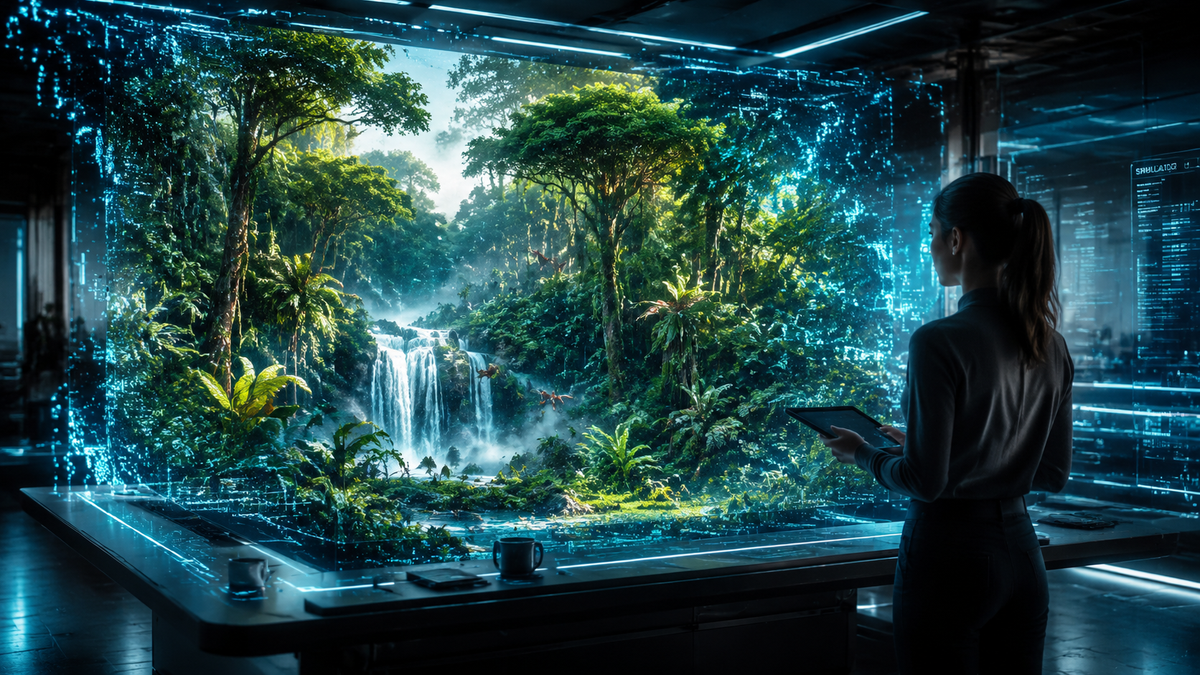
Choosing the best ai video generator from text prompt in 2026 requires understanding the rapid shift from experimental clips to high-fidelity, production-ready cinema. As of May 2026, the industry has matured to offer tools that can generate minute-long, photorealistic scenes from a single sentence. This guide evaluates the leading platforms based on their temporal consistency, prompt adherence, and accessibility for both creators and enterprises.
An ai video generator from text prompt is a generative artificial intelligence system that transforms natural language descriptions into high-definition video sequences. In 2026, these tools utilize advanced diffusion and transformer models to synthesize realistic motion, lighting, and physics, allowing users to create professional-grade visual content without traditional filming or animation software.
- ✓ OpenAI's Sora remains the benchmark for complex physics and long-form narrative consistency.
- ✓ Mango AI has emerged as a leader in accessibility, offering free text-to-video tools for rapid visualization.
- ✓ Adobe Firefly now supports unlimited generations for enterprise users, focusing on safe, commercial-grade output.
- ✓ xAI's Grok Imagine has integrated video generation directly into social ecosystems for real-time content creation.
- ✓ 2026 models prioritize "temporal stability," meaning characters and objects no longer morph unnaturally between frames.
How to Use an AI Video Generator from Text Prompt
The process of generating video has become significantly more intuitive in 2026. While early models required complex "prompt engineering," modern systems understand natural intent and cinematic terminology. Whether you are using Mango AI for a quick social clip or Adobe Firefly for a professional project, the workflow follows a standardized path to ensure the highest quality output.
- Define Your Concept: Start with a clear description of the subject, the action taking place, and the environment.
- Input the Prompt: Enter your description into the AI interface. For better results, include stylistic keywords like "cinematic lighting," "4K resolution," or "macro photography."
- Select Aspect Ratio and Duration: Choose between vertical (9:16) for mobile or widescreen (16:9) for traditional displays. Most 2026 models now support clips up to 60 seconds.
- Generate and Refine: Review the initial render. Use "seed" numbers or iterative prompting to tweak specific details without changing the entire scene.
- Export and Upscale: Once satisfied, export the video. Many platforms now offer built-in AI upscaling to reach 8K resolution.
Comparison of Top AI Video Generators in 2026
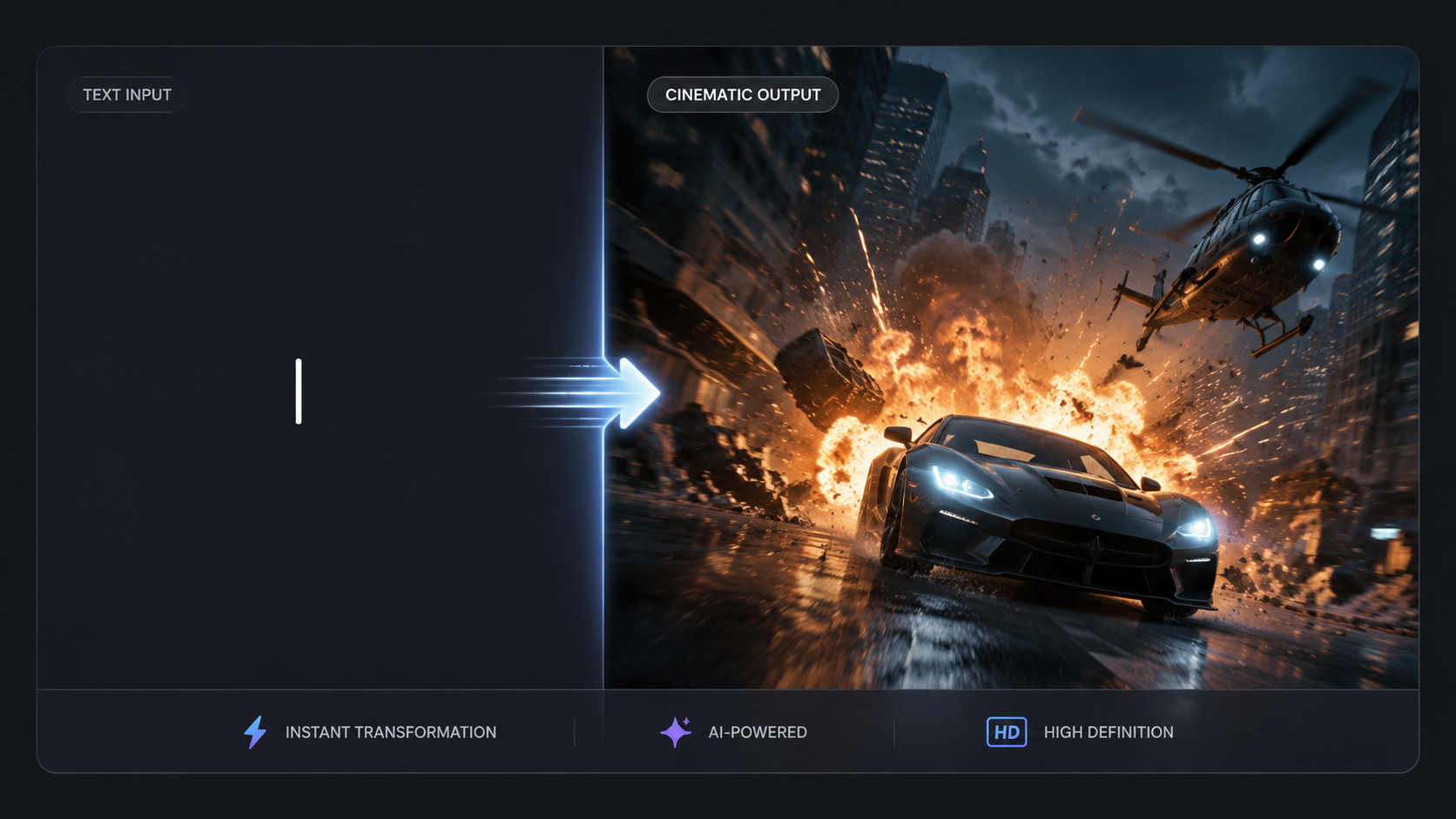
The landscape is divided between high-end cinematic tools and rapid-creation platforms. Below is a comparison of the leading tools based on the latest research and 2026 feature sets.
| Platform | Key Strength | Best For | Pricing Model |
|---|---|---|---|
| OpenAI Sora | Physics & Consistency | Filmmaking & Storytelling | Subscription/API |
| Mango AI | Ease of Use | Social Media & Business | Free Tier Available |
| Adobe Firefly | Commercial Safety | Marketing & Design | Creative Cloud Integration |
| xAI Grok Imagine | Real-time Integration | Social Engagement | Premium X Subscribers |
| Google VideoFX | Search Integration | Educational Content | Free for Workspace |
OpenAI Sora: The Gold Standard for Narrative Consistency
Since its significant updates in early 2026, OpenAI's Sora continues to dominate the high-end market for an ai video generator from text prompt. According to OpenAI, the model has been refined to understand not just what things look like, but how they exist in the physical world. This means that if a character walks behind a tree, they emerge on the other side with the same clothing and features, a feat that was difficult for earlier iterations of generative AI.
Sora’s 2026 version allows for multi-shot generation within a single prompt. Users can describe a sequence of events, and the AI will handle the "cuts" between scenes while maintaining visual continuity. This has made it a favorite among indie filmmakers who use it for storyboarding or even final visual effects. The ability to simulate complex camera movements—such as a drone shot transitioning into a close-up—without losing detail is what sets Sora apart from its competitors.
Advanced Physics and Motion in Sora
The 2026 update introduced a "Physics Engine" layer that prevents the common "hallucinations" seen in older AI videos. Objects now have weight and realistic collision. For example, if a prompt describes a glass breaking, the shards scatter according to gravity and surface friction. This level of realism is why many experts consider Sora the primary tool for high-fidelity digital twins and realistic simulations.
Mango AI: Democratizing Video Creation
While some tools focus on Hollywood-level production, Mango AI has taken a different approach by focusing on speed and accessibility. In May 2026, Mango AI unveiled its latest ai video generator from text prompt that is free for basic users, aiming to make video creation as easy as writing an email. This tool is specifically designed for users who need to visualize ideas quickly without a steep learning curve.
According to PR Underground, Mango AI’s new tool is optimized for "effortless video creation," making it ideal for educators, small business owners, and content creators who need to produce high volumes of content. The platform includes a library of pre-set styles that allow users to transform a simple text prompt into a polished video with background music and voiceovers automatically applied. This "all-in-one" approach has made Mango AI a significant player in the 2026 AI landscape.
Visualizing Ideas with Mango AI
WebWire reports that Mango AI’s primary mission in 2026 is to help users "visualize ideas" that were previously stuck in text format. The interface is streamlined, removing the need for complex parameter adjustments. You simply type your idea, and the AI suggests the best visual metaphors to represent your concepts. This makes it a powerful tool for internal corporate communications and rapid prototyping of marketing concepts.
Adobe Firefly: Enterprise-Grade Safety and Unlimited Generations
Adobe has solidified its position in the professional creative suite by focusing on the "commercial safety" of its AI models. In December 2025 and into 2026, Adobe Firefly introduced new models that allow for unlimited generations for enterprise subscribers. This is a massive shift in the industry, moving away from "credit-based" systems to a more utility-style model that encourages experimentation.
Adobe’s ai video generator from text prompt is trained exclusively on Adobe Stock images and public domain content. This ensures that any video generated is legally safe for use in global advertising campaigns. According to Adobe, the 2026 Firefly Video Model includes "Structure Reference" and "Style Reference" tools, allowing designers to upload a sketch or a brand mood board to guide the AI’s output, ensuring the generated video matches the brand’s specific aesthetic perfectly.
Integration with Creative Cloud
The true power of Firefly lies in its integration with Premiere Pro and After Effects. A video generated from a text prompt can be instantly imported into a timeline, where the AI can then be used to extend clips, remove unwanted objects, or change the lighting of the scene. This hybrid workflow—combining generative AI with traditional editing tools—is the standard for professional video production in 2026.
Grok Imagine and the Social AI Revolution
xAI’s Grok Imagine has changed how we interact with video on social platforms. As reported by BASENOR in May 2026, Grok Imagine now features a robust image and video generator integrated directly into the X ecosystem. This allows users to generate a video response to a post or create a viral clip based on trending news in seconds. The speed of generation is the core focus here, with Grok prioritizing low latency over long-form complexity.
Grok Imagine uses real-time data from the X platform to understand current trends, meaning it can accurately render modern celebrities, current events, and meme culture better than models trained on static datasets. This "real-time awareness" makes it a unique ai video generator from text prompt for those who need to stay relevant in the fast-moving world of social media. While it may not offer the 8K cinematic depth of Sora, its cultural accuracy is unmatched.
The Role of xAI in Generative Media
xAI has positioned Grok as a "truth-seeking" AI, and this extends to its video generation. The model is designed to follow prompts with extreme literalness, reducing the creative liberties that other AIs might take. This makes it excellent for technical visualizations or "how-to" snippets where accuracy is more important than artistic flair.
Ethics and Transparency in 2026 AI Video
As AI video becomes indistinguishable from reality, the industry has moved toward strict transparency standards. In 2026, most major players, including OpenAI, Adobe, and Google, have adopted the C2PA standard for "Content Credentials." This means every video generated from a text prompt carries metadata that identifies it as AI-generated, including the specific model used and the date of creation.
Studies show that by mid-2026, over 70% of digital video content will be AI-assisted or AI-generated. This has led to the development of "Deepfake Detection" tools that are often built directly into web browsers. The focus in 2026 is not just on making the videos look real, but on ensuring that the distinction between "captured" and "synthesized" media remains clear to the public. This ethical framework is what allows the technology to be used in journalism and education without eroding public trust.
What is the best free ai video generator from text prompt in 2026?
Mango AI is currently the leading choice for free video generation. It offers a user-friendly interface and a generous free tier that allows users to create high-quality clips for social media and personal projects without upfront costs.
Can I use AI-generated videos for commercial purposes?
Yes, but it depends on the platform. Adobe Firefly is specifically designed for commercial safety, ensuring that all generated content is cleared for copyright. Always check the terms of service for other platforms like Sora or Grok before using them in advertisements.
How long can AI videos be in 2026?
Most top-tier generators like OpenAI Sora and Adobe Firefly can now produce continuous clips up to 60 seconds. However, these can be stitched together using AI-driven editing tools to create much longer films with consistent characters and settings.
Do I need a powerful computer to run an ai video generator from text prompt?
No, almost all modern AI video tools are cloud-based. The heavy processing is handled on the provider's servers (like OpenAI or Adobe), meaning you only need a standard web browser and a stable internet connection to generate high-definition video.
How does the AI understand cinematic styles?
AI models in 2026 are trained on massive datasets of film, photography, and art. By using specific keywords in your text prompt—such as "bokeh," "chiaroscuro," or "handheld camera"—the AI applies the mathematical patterns associated with those visual styles to your video.



Comments ()