
Best AI Video Generator from Images: 2026 Top Tools Review
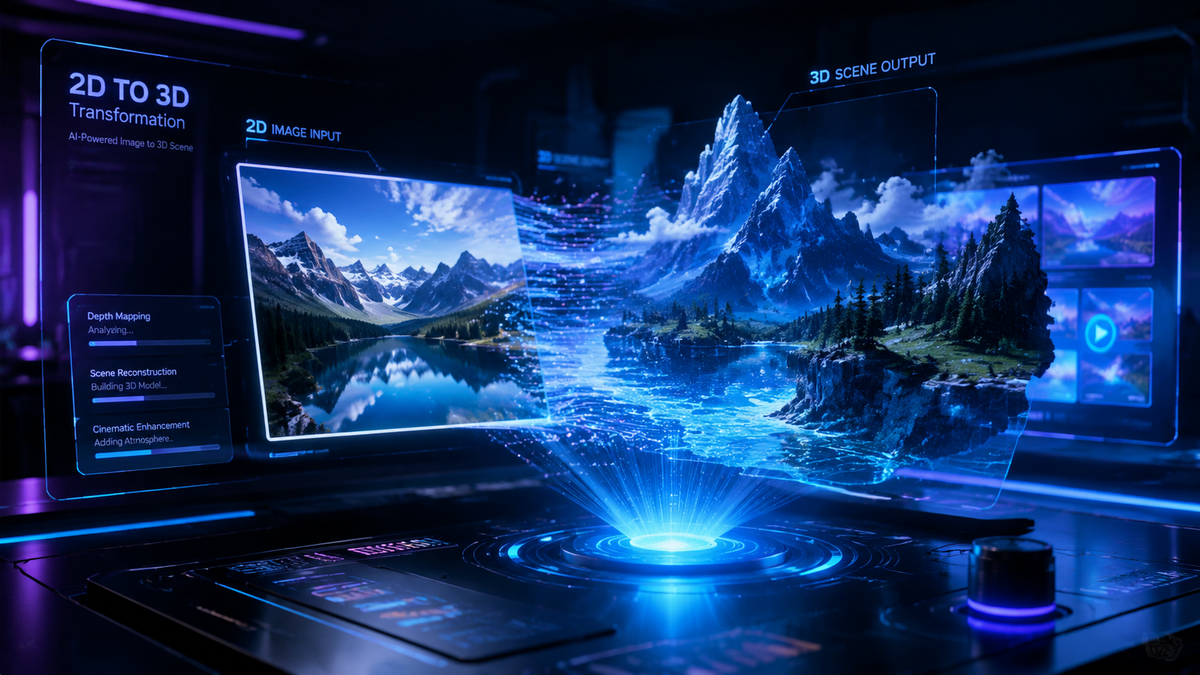
An ai video generator from images is a sophisticated artificial intelligence tool that utilizes temporal consistency and generative diffusion models to transform static photographs or digital art into high-definition, moving video content. These tools allow creators to breathe life into still frames by predicting motion paths, fluid dynamics, and lighting changes, making professional-grade animation accessible to anyone with a single source image. To find the best ai video generator from images in 2026, users must prioritize tools that maintain "structural integrity" between the source frame and the final render, ensuring the subject's identity remains consistent throughout the sequence.
The best ai video generator from images in 2026 is a tool that balances frame-one structural integrity with high temporal resolution. Leading options like Grok Imagine and specialized "Talking Photo" generators allow users to convert 2D images into 4K cinematic clips or realistic avatars by using advanced motion-prediction algorithms that maintain visual consistency across every second of footage.
- ✓ Prioritize tools that emphasize "First Frame Integrity" to avoid visual distortion in AI-generated ROI.
- ✓ Utilize "AI Talking Photo" features for high-engagement social media and urban culture content.
- ✓ Modern 2026 generators now support 4K resolution and extended 60-second clip durations.
- ✓ Integration with xAI’s Grok Imagine provides a seamless bridge between image generation and video motion.
How to Use an AI Video Generator from Images: A Step-by-Step Guide
In 2026, the process of animating a static image has been streamlined into a few simple steps. The evolution of "Text-to-Video" into "Image-to-Video" workflows has significantly improved the quality of the output because the AI has a concrete visual reference for textures, lighting, and composition. This reduces the "hallucination" effect often seen in purely text-based generation.
- Upload Your Source Image: Select a high-resolution image. According to recent insights from desdeSoria, the structural integrity of your first frame is the primary bottleneck for ROI, so ensure your starting image is clear and well-defined.
- Define Motion Parameters: Use a brush tool or motion sliders to indicate which parts of the image should move (e.g., flowing water, waving hair, or a blinking eye).
- Select a Style Preset: Choose from cinematic, 3D render, anime, or hyper-realistic styles to guide the AI’s generative process.
- Configure AI Talking Photo Settings (Optional): If animating a person, upload an audio file or text script to sync lip movements with the image.
- Generate and Refine: Render a low-resolution preview to check for artifacts before committing to a full 4K export.
The Evolution of Image-to-Video Technology in 2026
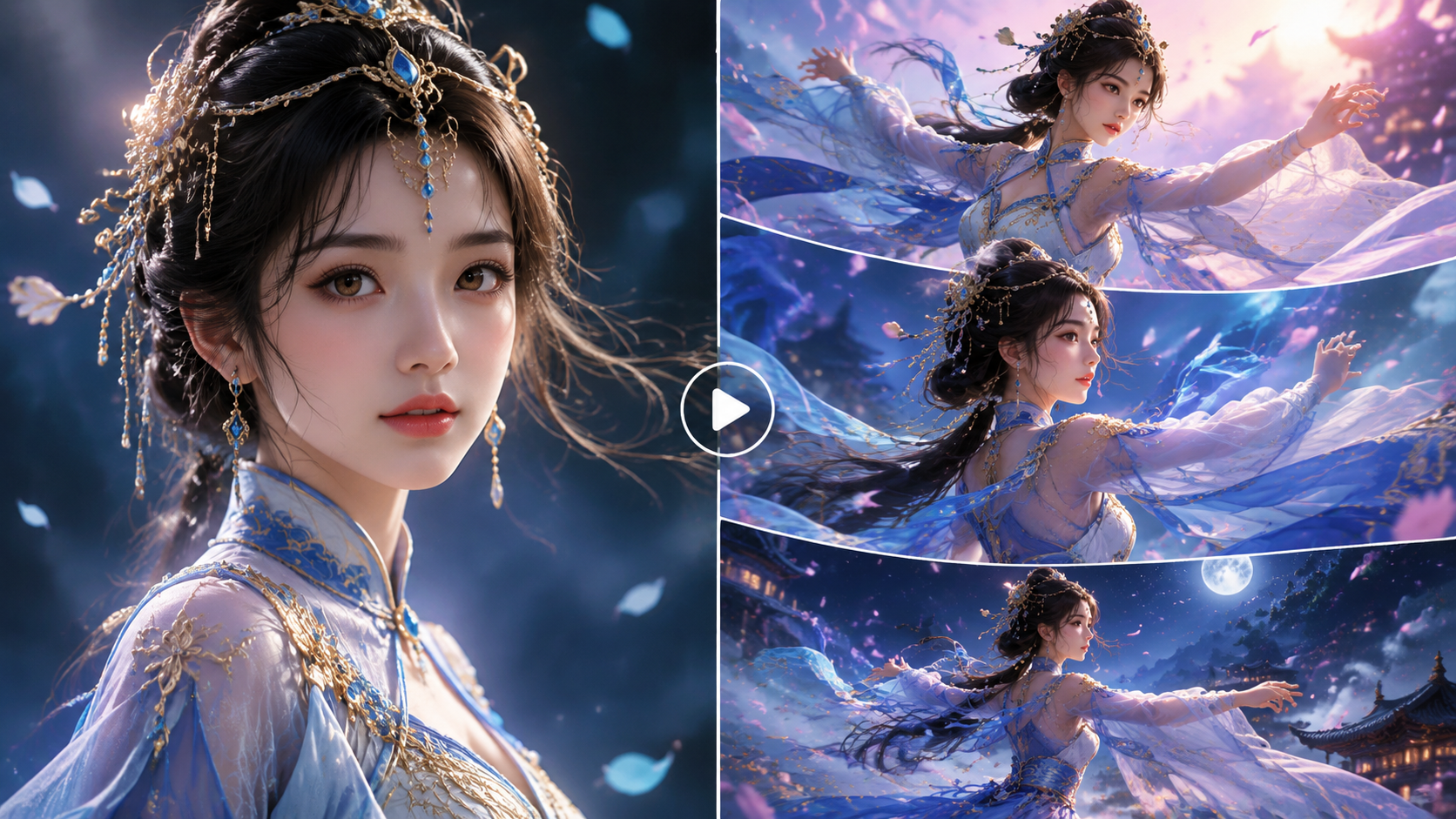
The landscape of digital creation has shifted dramatically this year. As reported by CNET in their May 2026 review of top AI tools, the focus has moved beyond mere novelty into professional-grade utility. We are no longer seeing the "uncanny valley" glitches of previous years; instead, the ai video generator from images has become a staple in marketing, filmmaking, and social media storytelling. The ability to take a single product photo and turn it into a 15-second commercial has revolutionized small business advertising.
One of the most significant breakthroughs in 2026 is the improvement in "Temporal Consistency." In earlier iterations, AI would often change the clothes of a character or the color of a car between frames. Today, modern architectures ensure that the data from the initial image is locked in. Programming Insider notes that AI is fundamentally changing the way we create videos from images by treating the source image as a "spatial anchor," ensuring that the background and foreground elements behave according to the laws of physics.
The Rise of AI Talking Photos
A specific niche that has seen explosive growth is the "AI Talking Photo." Platforms like PC Tech Magazine have highlighted how free AI video generators are now offering high-fidelity lip-syncing for any portrait. This technology is particularly popular in "Urban Culture" and "Hip Hop" storytelling, as mentioned by The Hype Magazine, allowing creators to bring historical figures or digital avatars to life for impactful editorials and interviews. These tools allow for a diverse tapestry of stories to be told without the need for a full camera crew or expensive animation studio.
Comparing the Top AI Video Generators from Images
When selecting the right ai video generator from images, it is essential to compare the technical capabilities and output quality. The following table summarizes the leading tools available as of May 2026, based on the latest industry reports from BASENOR and CNET.
| Tool Name | Key Feature | Max Resolution | Best For |
|---|---|---|---|
| Grok Imagine (xAI) | Seamless Image-to-Video | 4K Ultra HD | Real-time social content |
| Talking Photo Pro | Advanced Lip-Sync | 1080p / 4K | Digital Avatars & Interviews |
| MotionFlow AI | Physics-Based Motion | 8K Upscaling | Cinematic landscapes |
| FreeGen Video | No-Cost Basic Tiers | 720p / 1080p | Hobbyists & Beginners |
The Impact of First Frame Integrity on Video ROI
A critical concept discussed in the 2026 tech community is the "Structural Integrity" of the initial frame. As desdeSoria points out, if the first frame—the image you provide—is not optimized for the AI's motion engine, the Return on Investment (ROI) for the content drops significantly. This is because the AI spends too much computational power trying to "fix" a bad image rather than animating it smoothly.
To maximize your results with an ai video generator from images, professional creators are now using "Image-to-Image" refinement before they even start the video generation process. By using a tool like the 2026 version of Grok Imagine to first enhance the static image, the subsequent video output becomes significantly more stable. This workflow ensures that the final video maintains a professional look that is indistinguishable from traditional videography in many use cases.
Grok Imagine and the xAI Ecosystem
The integration of xAI’s Grok Imagine into the Tesla and X (formerly Twitter) ecosystems has made AI video generation more accessible than ever. According to BASENOR, Grok Imagine’s image and video generator is unique because it leverages real-world data to understand how objects move in 3D space. This makes it particularly effective for creating videos of vehicles, architecture, and nature, where realistic physics are paramount. The ability to prompt a video directly from a generated image within the same interface has set a new standard for user experience in 2026.
Future Trends: What’s Next for AI Video Generation?
As we look toward the second half of 2026, the trend is moving toward "Interactive Video Generation." This allows users to not only generate a video from an image but to "direct" the video in real-time. Imagine uploading a photo of a living room and being able to tell the AI to "pan left and open the window." This level of granular control is the next frontier for the ai video generator from images.
Furthermore, the democratization of these tools is a recurring theme. The Hype Magazine emphasizes that the future of content creation lies in the hands of the "Urban Culture" and independent creators who can now produce "Hollywood-level" visuals with a "Free AI Video Generator." This shift is breaking down the barriers to entry in the film and advertising industries, allowing for more diverse voices and stories to be heard globally.
Frequently Asked Questions
What is the best ai video generator from images for free?
As of May 2026, several platforms like those reviewed by PC Tech Magazine offer free tiers for "AI Talking Photos" and basic video generation. These typically allow for short 5-second clips with a watermark, which is ideal for testing the technology before upgrading.
Can I turn a portrait of a person into a talking video?
Yes, the "AI Talking Photo" technology has matured significantly in 2026. You can upload a single headshot and an audio file; the AI will accurately map the lip movements and facial expressions to match the speech, creating a realistic video avatar.
How long does it take to generate a video from an image?
With the high-speed servers available in 2026, a standard 10-second video clip usually takes between 30 to 90 seconds to render, depending on the complexity of the motion and the resolution selected.
Does the AI change the original image?
Top-tier generators prioritize "First Frame Integrity," meaning the first second of your video will look exactly like your uploaded image. The AI only adds motion to existing elements rather than redesigning the entire scene.
Is there a limit to the video length?
Most professional AI video generators in 2026 support clips up to 60 seconds. However, creators often "stitch" multiple generated clips together to create longer narratives for YouTube or commercial use.
In conclusion, the ai video generator from images has evolved from a experimental tool into a sophisticated engine for creativity. Whether you are using Grok Imagine for its physics-based realism or a Talking Photo tool for social media engagement, the key to success in 2026 lies in the quality of your source image and your understanding of motion parameters. As these tools continue to improve, the line between static photography and cinematic video will only continue to blur.



Comments ()