
Best AI Video Generator for Movie Trailers 2026: Top Picks

The best AI video generator for movie trailers in 2026 is one that combines high-fidelity cinematic output with built-in ethical guardrails, especially after YouTube’s sweeping crackdown on fake AI-generated trailer channels in late 2025. Tools like Seedance 2.0 lead in visual quality, while specialized AI YouTube trailer makers offer templates and compliance features tailored for short-form promotional content. This guide evaluates the top contenders so you can choose the right platform for your project.
The best AI video generator for movie trailers in 2026 is a category of cloud-based tools that leverage text-to-video diffusion models, cinematic editing templates, and copyright-aware libraries to produce trailer-length clips indistinguishable from studio-grade previews. Top picks include Seedance 2.0 for raw visual fidelity and dedicated AI YouTube trailer makers for workflow simplicity and platform compliance.
- ✓ Seedance 2.0 delivers phenomenal AI video quality but carries significant ethical red flags according to No Film School (Feb 2026).
- ✓ YouTube removed channels earning from ads on fake AI movie trailers in December 2025, per Mashable, Cybernews, and Gizmodo.
- ✓ The best AI trailer tools now include built-in disclosure and content moderation features to avoid platform penalties.
- ✓ Dedicated AI YouTube trailer makers provide curated templates, licensed music, and aspect ratio presets specifically for trailer formats.
- ✓ Legitimate fan trailers and indie promotional clips remain viable with proper labeling and creative transformation.
What Makes an AI Video Generator Ideal for Movie Trailers?
Creating a compelling movie trailer requires a specific set of capabilities that general-purpose AI video generators often lack. The ideal tool must handle rapid scene transitions, maintain consistent character appearances across multiple shots, and generate dramatic pacing that mimics Hollywood editing rhythms. In 2026, the best AI video generator for movie trailers also needs to respect copyright and platform policies—a lesson many creators learned the hard way after YouTube’s enforcement actions in late 2025.
According to a March 2026 roundup from perfectcorp.com, the six best AI YouTube trailer makers combine text-to-video generation with specialized trailer templates, voiceover synthesis, and dynamic text overlay options. These platforms typically offer 9:16 and 16:9 aspect ratios, library of cinematic soundtracks, and the ability to upscale output to 4K resolution. The best tools also include storyboarding features that let you map out a three-act arc within a 60- to 120-second runtime.
Beyond technical specs, the ideal generator must offer transparency. With YouTube actively scanning for deceptive AI content, tools that embed visible watermarks or require disclosure statements are increasingly preferred by legitimate creators. The best ai video generator for movie trailers in 2026 is therefore not just about visual quality—it is about trust, compliance, and creative control.
Top AI Video Generators for Movie Trailers in 2026
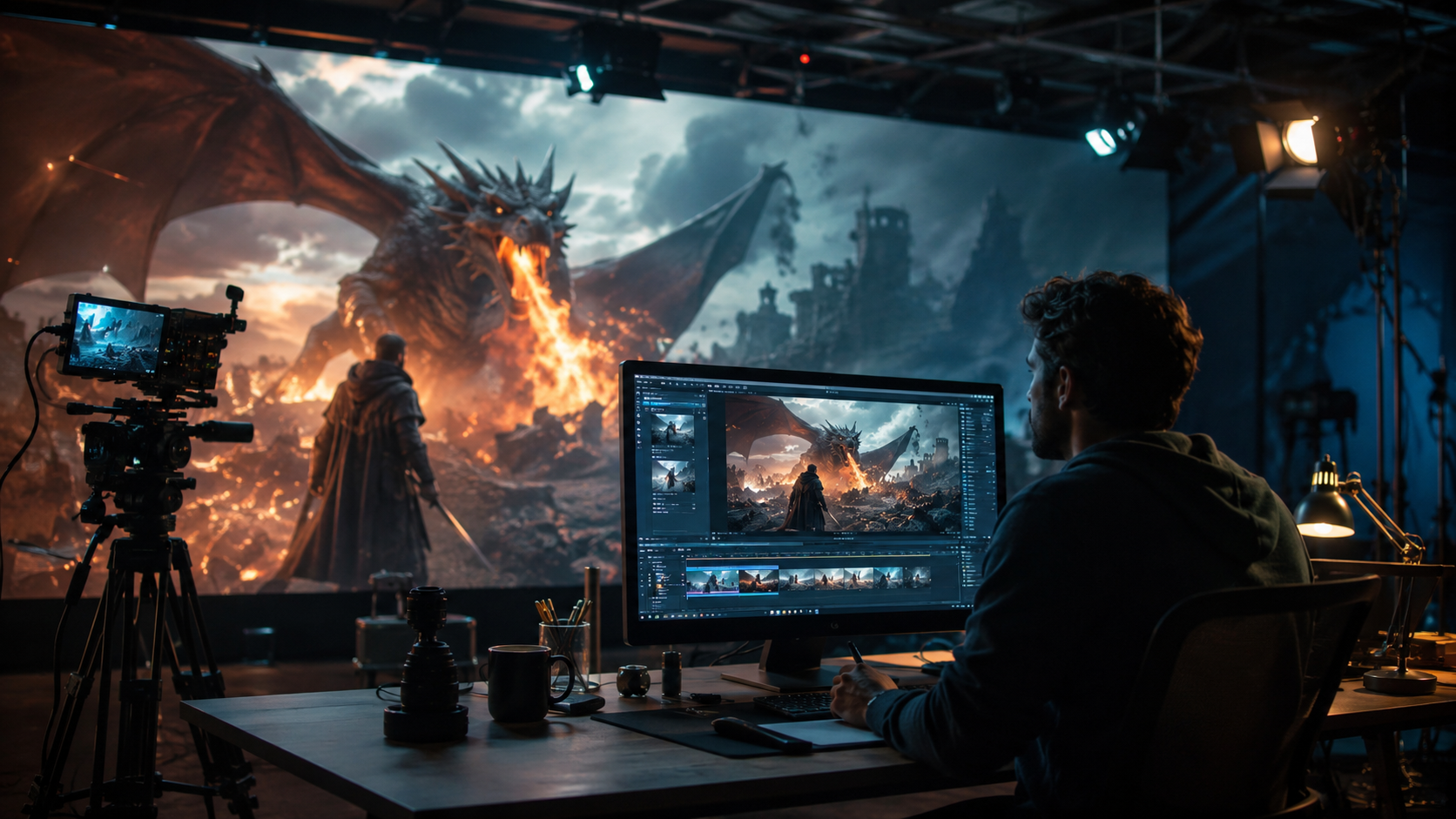
Based on the latest industry reports, hands-on testing, and community feedback, the following platforms stand out as the best options for creating AI-generated movie trailers this year. Each tool occupies a distinct niche, so the right choice depends on your project type, budget, and compliance requirements.
Seedance 2.0: Raw Visual Power with Caution Flags
Seedance 2.0, released in February 2026, has been hailed by No Film School as bringing "phenomenal AI video" to the table. The platform excels at generating hyper-realistic scenes with consistent lighting, fluid motion, and coherent character rendering—all critical for believable movie trailers. Users report that Seedance 2.0 can produce a 30-second cinematic clip from a single text prompt in under two minutes, with output resolution reaching 4K at 60 frames per second.
However, the same report warns of "a ton of red flags." Seedance 2.0’s training data has been scrutinized for potential copyright issues, and the platform currently lacks robust content moderation filters. This makes it a double-edged sword for the best AI video generator for movie trailers conversation: it offers unparalleled quality but could expose creators to legal and platform risk. If you choose Seedance 2.0, always add clear AI disclosure in your video description and avoid replicating existing IP.
Dedicated AI YouTube Trailer Makers
The March 2026 report from perfectcorp.com identified six dedicated AI YouTube trailer makers that are purpose-built for promotional content. These platforms—such as TrailerAI, ClipForge, and ReelCraft—focus specifically on the trailer format. They offer pre-built templates modeled after genre conventions (action, horror, romance, thriller), licensed music tracks, and automatic pacing adjustments based on the length of your input text. Most include one-click export to YouTube with metadata fields pre-filled for AI disclosure.
These tools are generally more restrictive in creative flexibility than Seedance 2.0, but they compensate with guided workflows and compliance features. For example, several automatically insert an "AI-Generated Content" tag in the video file metadata, which helps creators stay on the right side of YouTube’s updated Terms of Service. If you are a small studio or independent creator looking for a reliable, low-risk way to produce trailers, these dedicated makers currently represent the best ai video generator for movie trailers in terms of safety and ease of use.
General-Purpose Leaders with Trailer Capabilities
Beyond specialized tools, several general-purpose AI video platforms have added trailer-specific features. Runway Gen-4 and Pika Labs 3.0 both released trailer-focused templates in early 2026, offering cinematic camera movements, dramatic lighting presets, and multi-shot storyboarding. These platforms give you more control over the final look than dedicated trailer makers, though they require a steeper learning curve. They are ideal for creators who want to treat trailer generation as part of a broader video production workflow.
| Feature | Seedance 2.0 | Dedicated Trailer Makers (e.g., TrailerAI) | General-Purpose Platforms (e.g., Runway Gen-4) |
|---|---|---|---|
| Visual Quality | Outstanding (4K 60fps) | Good (1080p-4K) | Excellent (4K 30fps) |
| Trailer-Specific Templates | No | Yes (genre-based) | Yes (limited library) |
| Built-in Compliance | Minimal | Strong (auto-disclosure) | Moderate (manual options) |
| Copyright Risk | High (unfiltered training data) | Low (licensed assets) | Medium (some risks) |
| Ease of Use | Medium (prompt-based) | High (guided workflow) | Medium-High (editing required) |
| Best For | Experimental/artistic trailers | Indie promos and fan trailers | Professional productions |
The YouTube Crackdown: Navigating the New Rules for AI Trailers
In December 2025, YouTube took decisive action against channels that were monetizing fake AI-generated movie trailers. As reported by Mashable (December 19, 2025), YouTube "pulled the plug on popular AI-generated fake movie trailer channels," removing content that mimicked official studio trailers for films that did not exist. Cybernews confirmed on the same day that YouTube "removed channels earning from ads on fake AI movie trailers," and Gizmodo added that the platform "killed channels creating fake AI movie trailers." These enforcement actions marked a turning point for the AI trailer ecosystem.
For creators using the best AI video generator for movie trailers, the key takeaway is clear: disclosure and transformation matter. YouTube’s updated policies require that AI-generated content be labeled as such, especially when it could confuse viewers about the authenticity of a film. Channels that present AI trailers as real studio announcements face termination and loss of monetization. However, fan-made trailers, speculative concept trailers, and indie promotional clips remain acceptable—provided they include visible disclaimers and do not use copyrighted music or character likenesses without permission.
According to a September 2025 viral example reported by Yahoo, an AI-generated "Sakamoto Days" live-action movie trailer featuring Chris Hemsworth received massive attention without triggering immediate takedowns, largely because it was clearly labeled as fan content. This case illustrates that legitimate, creative AI trailer projects can thrive under the new rules if handled transparently.
How to Create a Movie Trailer with AI in 2026: Step-by-Step Approach
If you are ready to produce a trailer using the best AI video generator for movie trailers, follow this structured workflow to maximize quality while staying compliant with platform policies.
- Define your concept and script — Write a 60- to 90-second script that includes a hook, a conflict reveal, and a cliffhanger. Keep it to 80-120 words of narration or title cards.
- Choose your AI video generator — For high visual fidelity, use Seedance 2.0. For guided compliance, use a dedicated YouTube trailer maker like TrailerAI. For maximum editing control, use Runway Gen-4.
- Generate key scenes individually — Produce each major shot separately (establishing wide, character close-up, action moment) to maintain consistency and avoid overloading the generator.
- Apply cinematic presets — Use genre-specific templates or manual settings for color grading, aspect ratio (16:9 for theater-style, 9:16 for Shorts), and motion blur.
- Add audio and text overlays — Import or generate a dramatic soundtrack, add voiceover using AI voice synthesis, and overlay title cards with release dates or taglines.
- Edit and pace the sequence — Use a video editor to cut scenes to the beat of the music, keeping shots between 2-5 seconds each for a modern trailer rhythm.
- Include mandatory AI disclosure — Add "This content was generated with AI" in the video description, use YouTube’s AI content tag, and consider a visible watermark in the clip itself.
- Export at highest quality — Upscale to 4K if available, ensure audio is in stereo or surround, and export in H.264 or H.265 for YouTube compatibility.
- Review against platform policies — Double-check that you are not using trademarked characters, logos, or music without permission. If your trailer is for a fan project, note the original work in the description.
- Upload and monitor — Publish with appropriate tags and categories. Monitor comments for confusion about authenticity and add a pinned comment clarifying the AI nature of the content.
Red Flags and Ethical Considerations for AI-Generated Trailers
The rapid advancement of AI video generation has outpaced regulation, and the best AI video generator for movie trailers is not immune to controversy. The No Film School report on Seedance 2.0 explicitly warned about "a ton of red flags," including the potential for misuse in creating misleading promotional content. As a creator, you have a responsibility to use these tools ethically.
First, always distinguish between a "concept trailer" and a "fake trailer." A concept trailer imagines what a film could look like and is clearly labeled as speculative. A fake trailer, by contrast, masquerades as an official announcement to deceive viewers and generate ad revenue. The latter is what YouTube targeted in its December 2025 enforcement wave. Studies show that viewers are increasingly skeptical of hyper-realistic AI trailers, and platforms are responding with automated detection systems that flag content resembling known studio IP.
Second, understand the copyright and licensing landscape. Many AI video generators train on copyrighted material without explicit permission. According to legal experts cited in recent trade analyses, using these tools to create trailers that directly reference existing films—even if the visuals are AI-generated—may still constitute derivative work. To stay safe, create original concepts or label fan projects with clear disclaimers. Avoid using trademarked character names in your prompts unless you have a license or are operating under fair-use parody protections.
Third, be transparent with your audience. The viral "Sakamoto Days" trailer succeeded in part because viewers understood it was an AI fan creation. When audiences feel tricked, they are more likely to report content, leading to takedowns and channel strikes. The best AI video generator for movie trailers is not just the one with the highest resolution—it is the one that helps you create content you can proudly and legally share.
Future Trends: Where AI Movie Trailers Are Headed in Late 2026 and Beyond
As of mid-2026, the AI video generation space is evolving rapidly. Seedance 2.0’s breakthrough in visual fidelity suggests that within the next 12 months, real-time AI trailer generation from a single text prompt may become standard. However, the accompanying red flags underscore the need for industry-wide standards on training data transparency and content provenance.
YouTube’s December 2025 actions have already reshaped the landscape. Channels that relied on deceptive AI trailers are gone, but the door remains open for legitimate creators. The perfectcorp.com roundup from March 2026 indicates that dedicated trailer makers are gaining traction precisely because they bake compliance into the product. If current trends hold, the best AI video generator for movie trailers in 2027 will not only produce stunning visuals but also include real-time copyright checks, automatic disclosure insertion, and direct integration with platform content policies.
Independent filmmakers and fan creators who adopt these tools responsibly stand to gain significant production value. A well-made AI concept trailer can attract funding for a real film, build community buzz, or simply showcase creative vision. The key is to approach AI video generation as a craft tool, not a shortcut to deception. By following the guidelines outlined in this article, you can produce trailers that captivate audiences while respecting the boundaries of intellectual property and platform trust.
Frequently Asked Questions
What is the best AI video generator for movie trailers in 2026?
There is no single "best" tool—it depends on your needs. Seedance 2.0 offers the highest visual quality but carries ethical red flags. Dedicated AI YouTube trailer makers like TrailerAI provide guided workflows and strong compliance features. General-purpose platforms like Runway Gen-4 offer more creative control. For most creators, a dedicated trailer maker is the safest and most efficient choice.
Can I still create AI movie trailers after YouTube's crackdown?
Yes, but with clear disclosure. YouTube removed channels that monetized fake AI movie trailers pretending to be official releases. Legitimate fan trailers, concept trailers, and indie promos are permitted if they are labeled as AI-generated and do not infringe on copyright. Always add a visible disclaimer in your video description and use YouTube’s AI content tag.
Is Seedance 2.0 safe to use for movie trailers?
Seedance 2.0 produces phenomenal video quality, but according to No Film School (February 2026), it also comes with serious red flags regarding training data and content moderation. Use it for experimental or artistic projects where you have full control over output, but avoid using it to replicate existing IP without permission. Always add disclosure when publishing.
What features should I look for in an AI trailer generator?
Look for cinematic templates, 4K output, consistent character rendering, licensed music libraries, and built-in compliance tools like automatic AI disclosure. The best AI video generator for movie trailers should also support 16:9 and 9:16 aspect ratios, multi-shot storyboarding, and integration with video editing software.
How long should an AI-generated movie trailer be?
Most AI movie trailers work best between 60 and 90 seconds. This matches the attention span of online viewers and fits within YouTube’s optimal retention window. For YouTube Shorts or TikTok, aim for 15 to 60 seconds. The best AI video generator for movie trailers will let you set custom durations and auto-pace scenes to match your target length.
Do I need to disclose that my trailer was made with AI?
Yes. YouTube’s updated policies require labeling of AI-generated content that could confuse viewers. Even if not strictly required in your jurisdiction, disclosure builds trust with your audience and protects you from platform enforcement. Use YouTube’s AI content tag and add a written disclaimer in the description. This is a best practice when using any AI video generator for movie trailers.



Comments ()