
Best AI Video Generator for Filmmakers: 2026 Top Picks
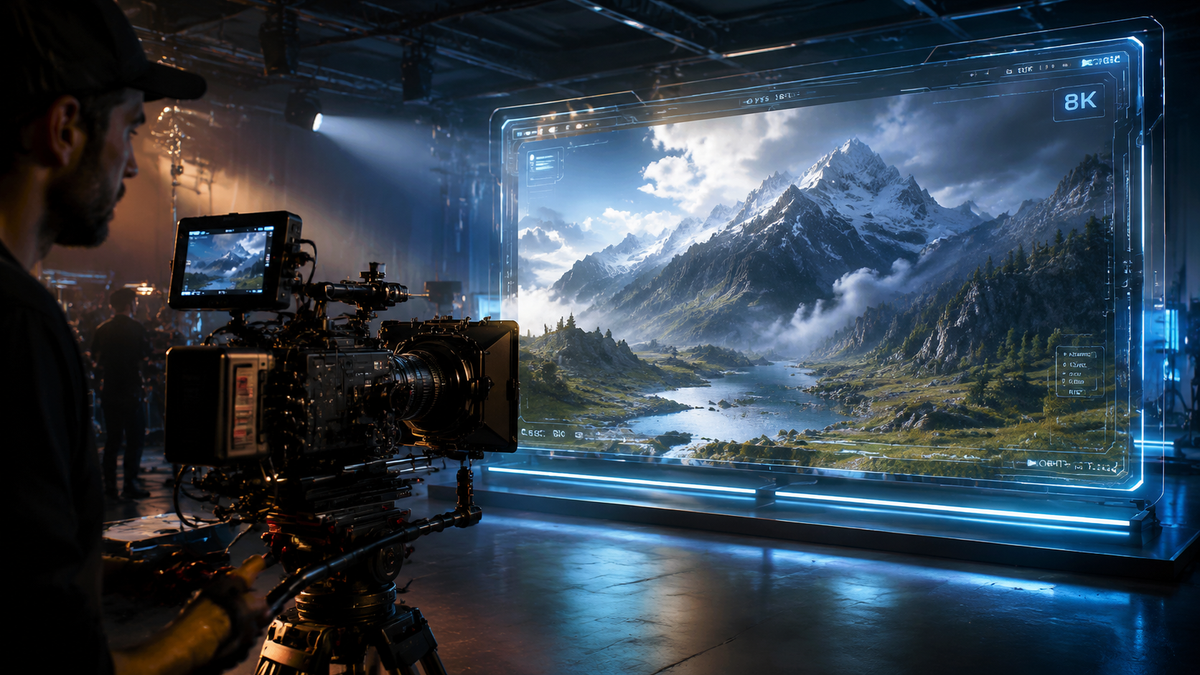
Finding the best ai video generator for filmmakers in 2026 requires a balance between cinematic consistency, temporal stability, and granular directorial control. As of mid-2026, the industry has shifted from mere novelty clips to production-ready tools like Seedance 2.0 and Flick, which offer the high-fidelity output required for professional cinema and indie filmmaking.
The best ai video generator for filmmakers in 2026 is Seedance 2.0 for high-end cinematic realism, followed closely by Flick for its robust $6M-backed workflow tools. These platforms provide 4K resolution, consistent character mapping, and advanced physics engines that allow directors to bridge the gap between prompt-based generation and traditional film production standards.
- ✓ Seedance 2.0 is currently the industry leader for photorealistic cinematic textures and lighting.
- ✓ Flick recently secured a $6M seed round to streamline collaborative AI film workflows.
- ✓ Higgsfield AI remains a top choice for creators needing specialized cinematic movement and action sequences.
- ✓ Professional AI filmmaking now requires "All-in-One" platforms to manage consistency across scenes.
How to Use the Best AI Video Generator for Filmmakers
In 2026, the workflow for creating a professional-grade film using AI has evolved. It is no longer about typing a single prompt and hoping for the best; it is a multi-stage process involving structural guidance and iterative refinement. Filmmakers are now using these tools as virtual cinematographers and visual effects houses rolled into one.
- Script-to-Storyboard Integration: Upload your screenplay into an all-in-one platform to generate consistent character sheets and environment concepts.
- Scene Generation: Use a tool like Seedance 2.0 to generate raw footage, ensuring you specify camera angles, focal lengths, and lighting conditions in the metadata prompts.
- Character Consistency Mapping: Apply "Character LoRAs" or identity locks to ensure the protagonist looks identical across different shots and lighting setups.
- Physics and Motion Refinement: Utilize Higgsfield AI’s specialized motion modules to fine-tune complex movements that standard generators might distort.
- Upscaling and Post-Production: Export the AI-generated sequences into traditional NLEs (Non-Linear Editors) for final color grading and sound design.
The Evolution of Cinematic AI in 2026
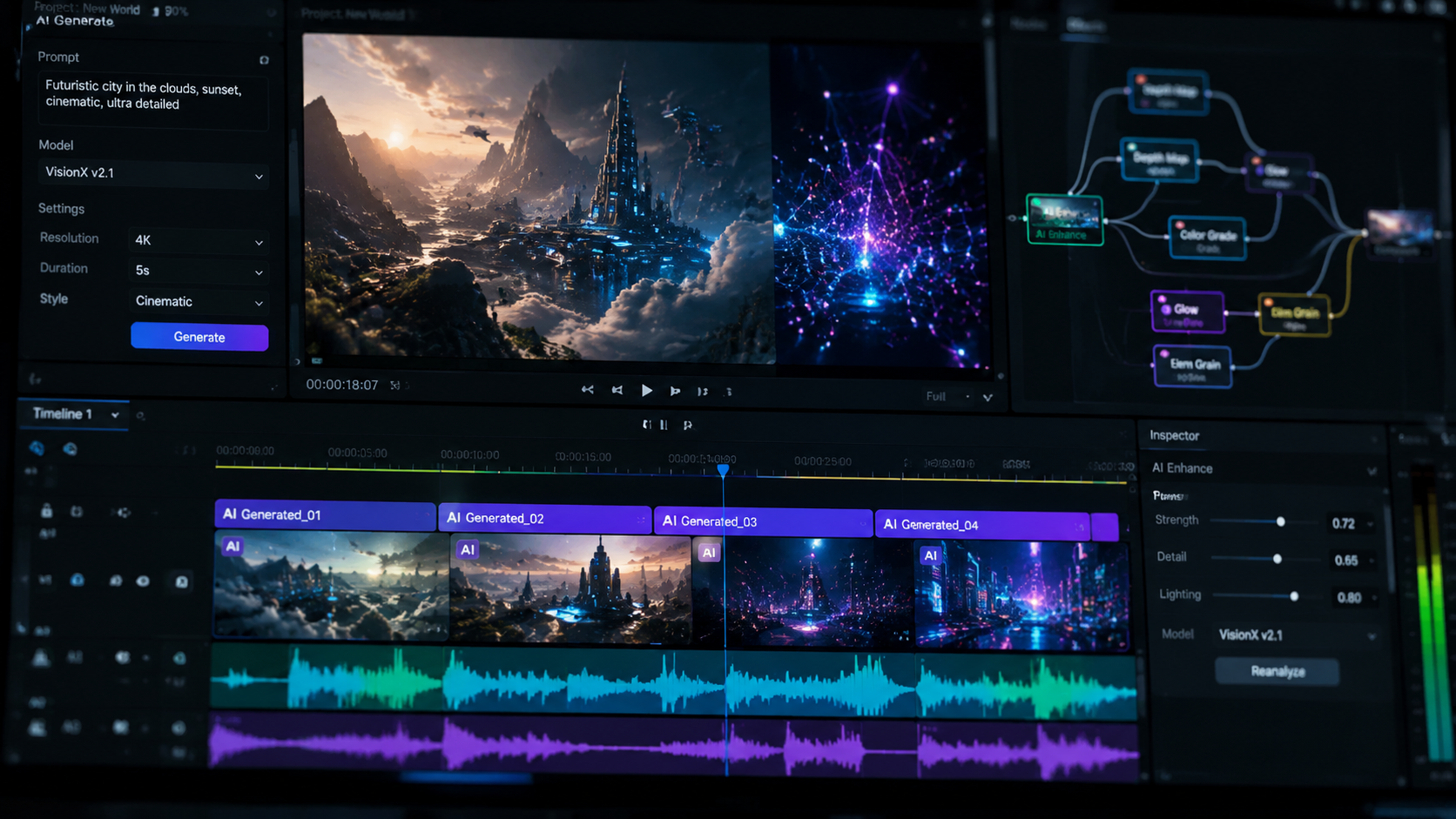
The landscape of digital creation changed significantly in early 2026. According to The Guardian, the February release of Seedance 2.0 sent shockwaves through Hollywood, with many industry veterans noting that the gap between AI-generated imagery and traditional cinematography has virtually closed. This version introduced a breakthrough in temporal consistency, meaning the "flicker" that plagued earlier AI videos is now a thing of the past.
Furthermore, the democratization of these tools has empowered a new generation of "Pro AI Filmmakers." As reported by No Film School in January 2026, all-in-one platforms are now providing integrated suites that handle everything from pre-visualization to final render. This allows a single creator to perform the roles of an entire camera crew, lighting department, and VFX team from a single workstation.
Comparing the Top AI Video Generators for Filmmakers
To help you decide which tool fits your specific production needs, we have compared the leading platforms based on their 2026 performance metrics, pricing structures, and unique cinematic features.
| Platform | Key Strength | Best For | Resolution/Quality |
|---|---|---|---|
| Seedance 2.0 | Photorealistic Physics | High-End Narrative Film | 8K Upscaled / 60fps |
| Flick | Collaborative Workflow | Indie Film Teams | 4K Cinematic |
| Higgsfield AI | Dynamic Motion Control | Action & Fast Paced Scenes | 4K / 120fps Interpolation |
| "All-in-One" Pro | End-to-End Suite | Solo Creators | 4K Multitrack |
Seedance 2.0: The Hollywood Disruptor
Seedance 2.0 has earned its reputation as the best ai video generator for filmmakers who refuse to compromise on visual fidelity. Its proprietary "Neural Lighting" engine simulates how light bounces off real-world surfaces, providing a depth of field and bokeh effect that was previously only achievable with expensive anamorphic lenses. When it was released in February 2026, it marked the first time an AI model could perfectly replicate the "film grain" and texture of 35mm stock without post-processing.
Filmmakers are particularly drawn to Seedance’s "Director Mode," which allows for precise control over camera movement. Instead of simple text prompts, users can use a 3D interface to plot camera paths, pans, and tilts. This level of control is why The Guardian noted that the platform "spooks Hollywood," as it significantly reduces the need for physical sets and massive grip crews for complex tracking shots.
Flick and the Rise of Collaborative AI Filmmaking
While Seedance focuses on the image, Flick focuses on the process. In May 2026, Flick raised a $6M seed round specifically to redefine how AI films are created by teams. The platform functions more like a collaborative cloud-based studio than a simple generator. It allows directors, editors, and prompt engineers to work on the same project file simultaneously, maintaining a unified visual style across hundreds of generated clips.
Flick’s unique "Asset Library" feature allows filmmakers to save specific 3D environments and characters. Once a character is "trained" within the Flick ecosystem, they can be placed in any scene with 100% visual continuity. This solves the primary hurdle of AI filmmaking: the "hallucination" of character features between shots. For indie filmmakers working on a budget, Flick offers a professional-grade pipeline that mimics the organization of a multi-million dollar studio.
Higgsfield AI: Mastering Movement and Action
Action sequences have historically been the "Achilles' heel" of AI video. However, a 2026 review by Cybernews highlighted Higgsfield AI as a breakthrough in cinematic motion. Higgsfield utilizes a specialized motion-prediction model that understands human anatomy and skeletal constraints. This means that in an action sequence, limbs move naturally rather than morphing into the background—a common issue in earlier iterations of AI technology.
For filmmakers specializing in music videos or high-energy shorts, Higgsfield AI provides a "Motion Transfer" feature. You can upload a low-quality video of yourself performing a movement, and the AI will "skin" that movement onto a high-fidelity cinematic character. This hybrid approach to performance capture is becoming a staple in the indie musician community, as noted by NoHo Arts District in their 2026 testing of music video tools.
Why 2026 is the Year of the "Pro AI Filmmaker"
The term "Pro AI Filmmaker" has gained significant traction this year. According to eWeek, the five video generators dominating 2026 have moved beyond "text-to-video" into "concept-to-cinema." The shift is driven by the integration of large language models (LLMs) that understand film theory. When you tell a 2026-era generator to use a "Dutch angle" or "Chiaroscuro lighting," the AI understands the emotional weight of those technical terms and applies them accurately.
This intelligence is what makes these tools the best ai video generator for filmmakers compared to general-purpose AI. Professionals need tools that speak the language of cinema. The "All-in-One" platforms discussed by No Film School include built-in storyboarding, automated color matching, and even AI-driven foley sound effects, allowing a creator to maintain a "flow state" without jumping between ten different applications.
Technical Requirements for Professional AI Video
While many of these tools are cloud-based, the professional filmmaker in 2026 still requires a robust local setup for the best results. High-speed fiber internet is a prerequisite for handling the 4K and 8K streams required by Seedance 2.0 and Flick. Additionally, while the AI does the heavy lifting, local GPU power is often used for "Neural Upscaling" and final assembly in software like DaVinci Resolve or Adobe Premiere Pro, which now feature native "AI Bridge" plugins for these generators.
The Impact on Indie Filmmaking and Music Videos
Indie musicians and short-film creators are perhaps the biggest beneficiaries of these 2026 advancements. As NoHo Arts District reported, testing five different tools revealed that the cost of producing a high-quality music video has dropped by nearly 80%. Creators are no longer limited by their physical surroundings; a musician in a small apartment can now place themselves in a sprawling sci-fi cityscape or a 1920s jazz club with perfect lighting and integration.
The key to success in this new era is "Prompt Engineering for Cinematographers." This involves understanding how to describe lens flares, shutter speeds, and ISO levels within the AI interface. The best filmmakers are those who combine their traditional knowledge of "Mise-en-scène" with the generative power of these new platforms.
Frequently Asked Questions
What is the best ai video generator for filmmakers in 2026?
Seedance 2.0 is widely considered the best for narrative filmmaking due to its superior photorealism and temporal consistency. Flick is the preferred choice for collaborative teams and indie studios needing a structured production pipeline.
Can AI video generators maintain character consistency?
Yes, 2026 tools like Flick and Seedance 2.0 feature "Identity Locking" or "Character LoRAs" that allow you to maintain the same facial features, clothing, and proportions across different scenes and angles.
Is AI-generated video high enough quality for theater screens?
According to recent industry reviews, platforms like Seedance 2.0 can output 4K native video with 8K upscaling options that meet the technical standards for digital cinema projection and streaming services.
How much does a professional AI video generator cost in 2026?
Most professional tiers for tools like Flick or Higgsfield AI range from $50 to $200 per month, depending on the render minutes and the level of GPU priority required for high-resolution exports.
Do I need a powerful computer to use these AI tools?
Most 2026 AI video generators are cloud-based, meaning the heavy processing happens on their servers. However, you will need a stable high-speed internet connection and a decent workstation for final editing and color grading.
In conclusion, the best ai video generator for filmmakers is no longer just a tool for generating random clips; it is a sophisticated digital backlot. Whether you are using Seedance 2.0 for its cinematic soul, Flick for its collaborative power, or Higgsfield AI for its kinetic action, the barriers to entry for high-end filmmaking have never been lower. As we move further into 2026, the only limit for a filmmaker is their imagination and their ability to direct the AI toward their unique vision.



Comments ()