
Best AI Video Generator for Business: 2026 Top Tools Guide
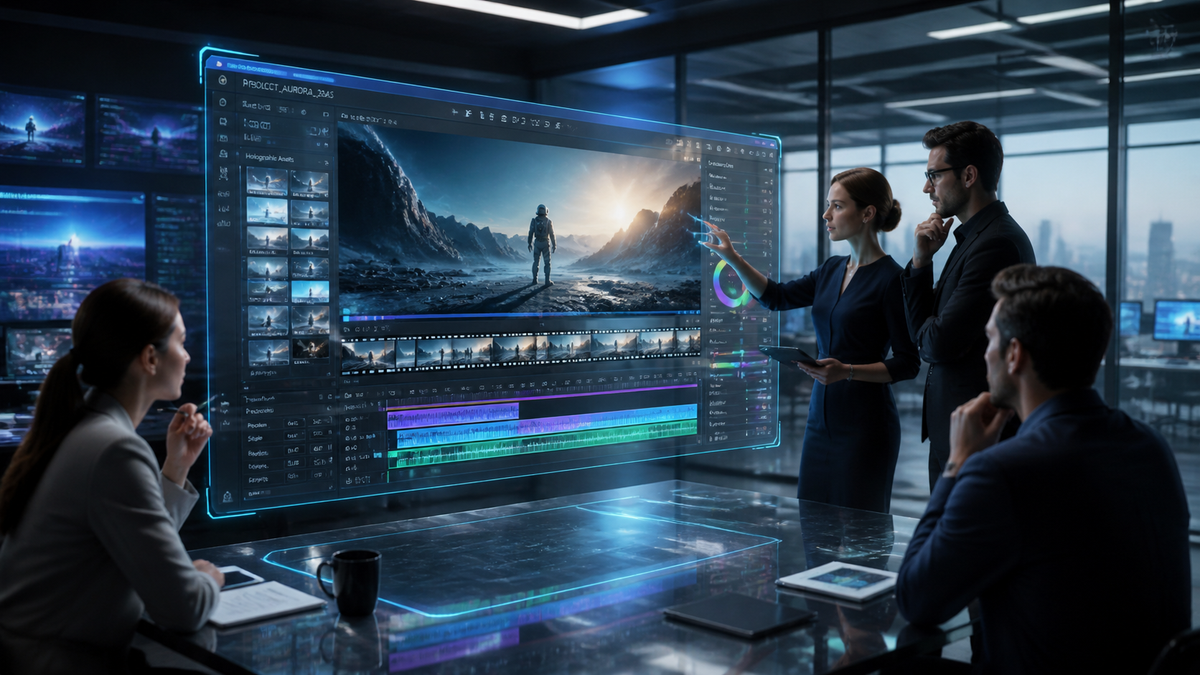
The best ai video generator for business in 2026 is a platform that balances high-fidelity cinematic output with enterprise-grade security and seamless workflow integration. As of April 2026, top-tier solutions like Runway Gen-4, Synthesia, and the newly expanded Amazon Ads AI Video Generator have become the industry standards for marketing, internal training, and localized advertising. While the landscape has shifted significantly with the recent retirement of OpenAI's Sora, businesses now prioritize reliability and ethical data sourcing over experimental features.
An ai video generator for business is a professional software solution that uses generative artificial intelligence to transform text, images, or scripts into high-quality video content. In 2026, these tools are essential for scaling video production, offering features like hyper-realistic digital twins, automated localization, and direct integration with e-commerce platforms like Amazon and Shutterstock.
- ✓ Runway and Google-integrated tools have emerged as the primary alternatives following the shutdown of OpenAI's Sora in March 2026.
- ✓ Amazon Ads has expanded its AI video capabilities to global markets, including Australia, to streamline product-to-ad workflows.
- ✓ Ethical AI models, such as those offered by Shutterstock, now provide legal indemnification for enterprise users.
- ✓ Cost-efficiency has peaked, with many platforms offering free "lite" generations to compete for market share in the mid-2026 fiscal quarter.
How to Implement an AI Video Generator for Business
Adopting generative video technology requires a strategic approach to ensure brand consistency and ROI. In 2026, the process has been simplified through "one-click" integrations, but the underlying strategy remains vital for professional results. Businesses are moving away from generic prompts toward "brand-tuned" models that understand specific visual identities.
- Define Your Use Case: Determine if you need "talking head" videos for training (Synthesia style) or cinematic b-roll for social media advertising (Runway or Amazon style).
- Select a Compliant Platform: Choose a tool that offers commercial rights. According to Stock Titan, platforms like Shutterstock now offer Google and Runway AI integrations that ensure all generated content is ethically sourced.
- Upload Brand Assets: Feed the AI your brand guidelines, logos, and color palettes to ensure the generated video aligns with your corporate identity.
- Generate and Iterate: Use text-to-video or image-to-video prompts to create a first draft, then use regional tools to localize the content for different markets.
- Deploy and Analyze: Export the video directly to your CMS or ad manager and track engagement metrics to refine future prompts.
The 2026 Market Shift: Why Reliability Trumps Hype
The business landscape for AI video underwent a massive correction in early 2026. Most notably, The New York Times reported on March 24, 2026, that OpenAI officially shut down Sora, its much-hyped video generator. This move sent shockwaves through the industry, leading enterprises to pivot toward more stable, business-centric platforms that prioritize long-term support over experimental "research previews."
Today, the focus for an ai video generator for business is on "controllability." Professional creators no longer want random outputs; they require precise control over camera angles, lighting, and character consistency. This has led to the rise of specialized tools that integrate directly into existing creative suites, such as the Adobe-Google-Runway ecosystem, which provides a seamless bridge between generative AI and traditional post-production.
The Rise of E-commerce Integrated Video
A significant trend in 2026 is the democratization of video for global brands. As reported by Little Black Book | LBBOnline in April 2026, Amazon Ads has expanded its AI-powered video generator to Australian brands. This allows small to medium-sized businesses to turn static product listings into high-converting video ads in seconds, leveling the playing field against larger competitors with massive production budgets.
Top AI Video Generators for Business Comparison (2026)
Choosing the right tool depends on your specific business objectives. The following table compares the leading platforms based on the latest 2026 market data and reviews from CNET.
| Platform | Best For | Key Feature (2026) | Pricing Model |
|---|---|---|---|
| Runway (via Shutterstock) | Cinematic Marketing | Multi-Motion Brush 3.0 | Subscription + Free Daily Credits |
| Synthesia | Corporate Training | Live-Sync Digital Twins | Enterprise Licensing |
| Amazon Ads Video | E-commerce/Retail | Direct Product-to-Ad Sync | Included with Seller Central |
| Google Video AI | Social Media Scale | YouTube Shorts Integration | Pay-per-generation |
| HeyGen | Personalized Sales | Instant Voice Translation | Tiered Monthly Plans |
Key Features of a Professional AI Video Generator for Business
When evaluating an ai video generator for business, the criteria have evolved beyond simple "text-to-video" capabilities. In 2026, the standard for "professional grade" includes several non-negotiable features that ensure the software can survive the rigors of a corporate environment. Security, scalability, and legal safety are now at the forefront of the selection process.
Ethical Sourcing and Legal Indemnification
One of the biggest hurdles for business adoption of AI has been the risk of copyright infringement. In response, 2026 has seen a surge in "clean-room" AI models. According to Stock Titan, Shutterstock's addition of Google and Runway AI to its platform includes a framework for two free video generations for users, backed by their extensive library of licensed assets. This ensures that the ai video generator for business you use won't result in legal complications down the line.
Hyper-Realistic Avatars and Digital Twins
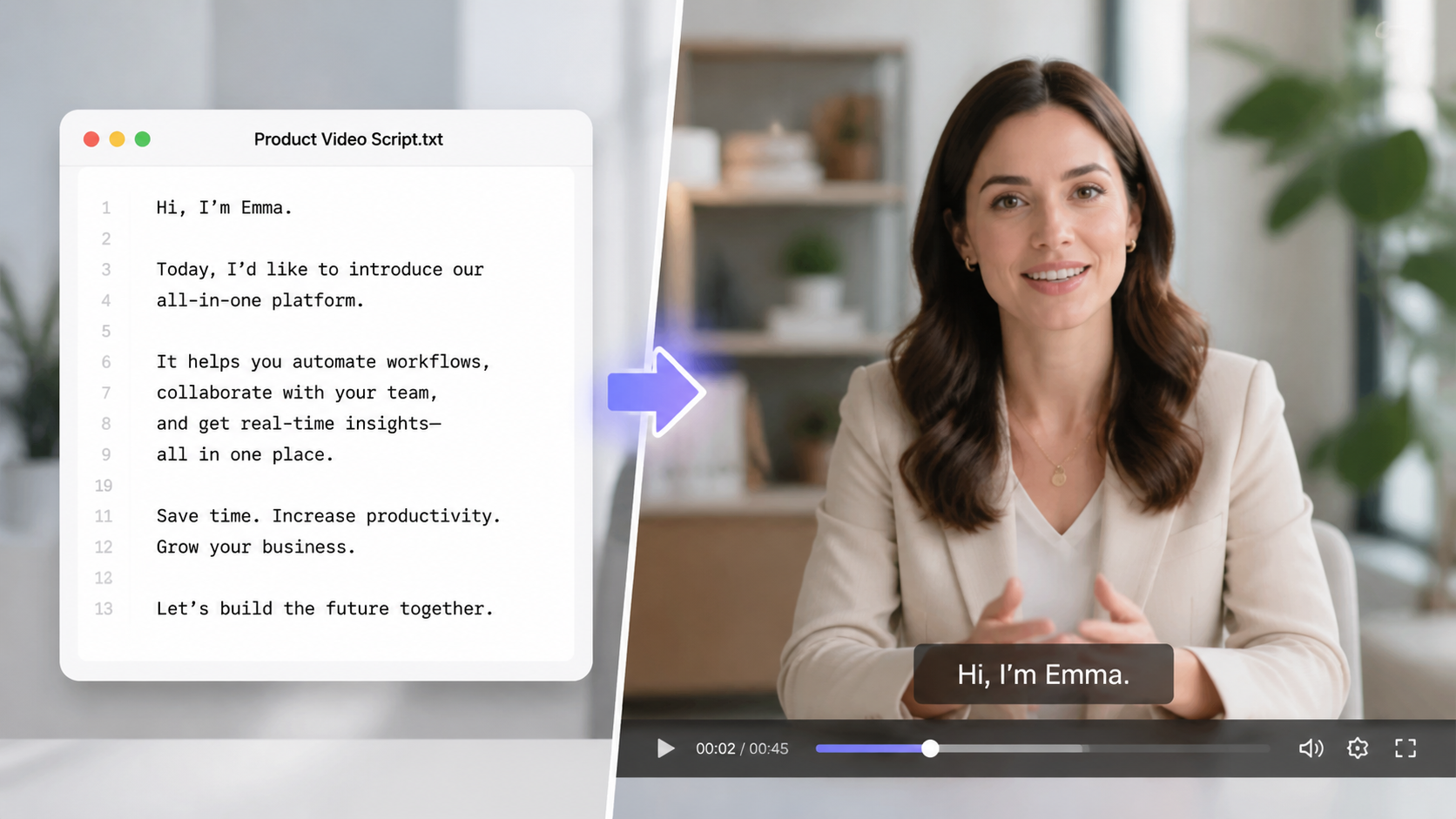
For internal communications and HR, the technology behind digital avatars has reached the "uncanny valley" crossover point. Platforms like Synthesia now allow executives to create "Digital Twins" that can deliver personalized messages in over 120 languages with perfect lip-syncing. According to appinventiv.com, the cost to build a sophisticated AI video generator like Synthesia involves significant investment in neural rendering and natural language processing, which is why most businesses opt for SaaS models rather than building in-house solutions.
The Cost of AI Video Production in 2026
The economics of video production have been completely rewritten. In 2024, a professional 30-second spot could cost upwards of $5,000. In 2026, the ai video generator for business has reduced that cost to the price of a monthly subscription. However, there are still hidden costs involved in professional implementation, such as prompt engineering training and API integration fees.
Research from appinventiv.com highlights that while the frontend cost for users is low, the backend infrastructure for these tools remains expensive. Businesses are currently paying for "compute time" rather than just "seats." This shift means that high-volume users—such as global marketing agencies—often negotiate custom enterprise contracts that include dedicated GPU clusters to ensure zero latency during high-stakes campaigns.
Free Tiers and Trial Periods
Competition in the 2026 market is fierce. To capture market share after the exit of Sora, many providers are offering substantial free trials. Stock Titan notes that major repositories are now offering free generations to prove the quality of their motion synthesis. This allows business owners to test the ai video generator for business workflow before committing to an annual contract, which is a significant change from the "waitlist" culture of previous years.
Future-Proofing Your Video Strategy
As we look toward the second half of 2026 and into 2027, the role of the ai video generator for business will expand into real-time interactive content. We are already seeing the first stages of this with Amazon's expansion into the Australian market, where video ads can dynamically change based on the viewer's weather, time of day, or browsing history. This level of personalization was previously impossible at scale.
To future-proof your strategy, focus on platforms that offer robust API support. The goal is to move away from manual "prompting" and toward automated systems where your product inventory automatically triggers the creation of new video assets. By integrating your ai video generator for business directly into your data pipeline, you ensure that your marketing remains as agile as the market itself.
What happened to OpenAI Sora in 2026?
According to reports from The New York Times and The Week, OpenAI officially shut down Sora in March/April 2026. The company pivoted away from the standalone video generator to focus on other core AI technologies, leaving the market open for competitors like Runway and Google.
Is AI-generated video legal for commercial use?
Yes, provided you use a platform that offers commercial licensing. In 2026, platforms like Shutterstock and Amazon Ads provide legally indemnified AI video tools that use licensed data, ensuring businesses are protected from copyright claims.
Which AI video generator is best for e-commerce?
The Amazon Ads AI Video Generator is currently the top choice for e-commerce, especially following its April 2026 expansion into international markets like Australia. It allows sellers to automatically generate ads from product images.
How much does a professional AI video generator cost?
While many platforms offer free trials or 2-3 free generations, professional enterprise plans in 2026 typically range from $50 to $500 per month, depending on the volume of "compute credits" and the need for custom digital twins.
Can I create a digital twin of myself for business presentations?
Yes, platforms like Synthesia and HeyGen specialize in creating high-fidelity digital twins. These tools allow you to record a few minutes of footage to create a permanent AI avatar that can speak any script you provide in 2026-era quality.

Comments ()