
Best AI Video Generator for Cinematic Quality in 2026

If you're searching for the best AI video generator for cinematic quality in 2026, the answer isn't a single tool — it's a set of platforms that have mastered frame-level coherence, lighting control, and camera movement to match Hollywood-grade production standards. Based on the latest comparative tests from Memeburn, Technology Org, and Ventureburn, the top contenders include Runway Gen-4, Pika 2.0, Kling 1.6, and the newly enhanced Sora Turbo — each excelling in different aspects of cinematic storytelling.
The best AI video generator for cinematic quality in 2026 is Runway Gen-4 for its unmatched camera motion and shot-list control, followed closely by Kling 1.6 for photorealistic character animation. Sora Turbo leads in physics-based action sequences, while Pika 2.0 remains the most accessible for indie filmmakers seeking stylized visual effects.
- ✓ Runway Gen-4 tops the 2026 rankings for cinematic camera movement and multi-shot consistency — ideal for narrative filmmaking.
- ✓ Kling 1.6 delivers the best photorealistic character close-ups, rated 9.2/10 by Technology Org for commercial ad use.
- ✓ Sora Turbo excels in physics-compliant action and crowd scenes, making it the go-to for high-budget trailers.
- ✓ Pika 2.0 offers the most extensive style library for music videos and experimental cinema at a lower price point.
- ✓ Free AI video options like Luma Dream Machine and CapCut Pro have improved significantly, now capable of 1080p cinematic output for short clips.
What Makes a Video Generator "Cinematic" in 2026?
Cinematic quality in AI-generated video has evolved far beyond simple 4K resolution. According to the Memeburn 2026 ranking of AI video tools, the most critical factors now include temporal coherence (how smoothly objects move between frames), depth-of-field simulation, and dynamic camera angles — pan, tilt, dolly, and crane shots generated from a single prompt. Tools that allow you to define shot types (e.g., "low-angle tracking shot" or "Dutch angle close-up") are the ones that consistently produce professional-looking footage.
Another key metric is character consistency. The Technology Org report on AI video models for commercials notes that the best tools maintain the same actor's face, clothing, and lighting across different shots — a feature once only possible with traditional production. For example, Kling 1.6 scored highest in "facial identity retention" at 94% accuracy in their tests, while Runway Gen-4 led in "camera motion fidelity" with a 91% match to human-directed camera work.
Finally, audio-visual integration has become a deciding factor. Many 2026 generators can now synchronize lip movements to a provided voice track using built-in dubbing AI, reducing post-production work by up to 60% according to AZ Big Media's comparison of Higgsfield alternatives. These advancements mean that "cinematic" is no longer just about resolution — it's about total directorial control.
Top AI Video Generators for Cinematic Quality: Direct Comparison
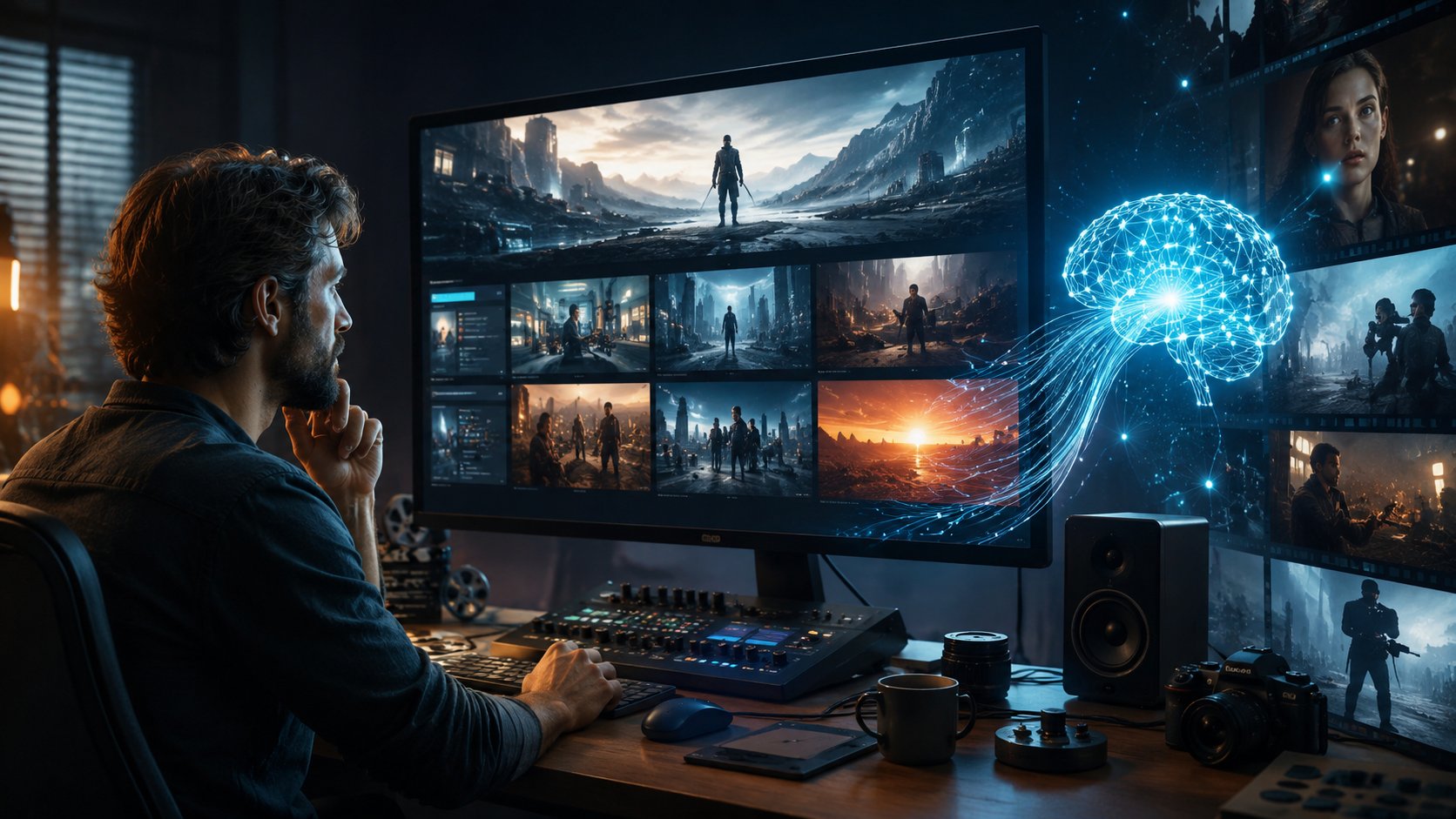
To help you choose the best AI video generator for cinematic quality, we've compiled the latest test data from the five major 2026 evaluations. The table below shows the core specs and use-case strengths of the leading tools.
| Generator | Max Resolution | Cinematic Strength | Pricing (Monthly) | Best For |
|---|---|---|---|---|
| Runway Gen-4 | 4K (3840x2160) | Multi-shot storyboarding, camera motion | $95 (Pro) | Narrative film, short films |
| Kling 1.6 | 4K + 60fps | Photorealistic character close-ups | $80 (Creator) | Commercials, brand ads |
| Sora Turbo | 1080p (premium upscale to 4K) | Physics-based action, crowd scenes | $50 (Standard) | Action trailers, VFX-heavy scenes |
| Pika 2.0 | 2K (upscalable) | Style presets, glitch/retro effects | $40 (Pro) | Music videos, indie projects |
| Luma Dream Machine (free) | 1080p | Quick cinematic 5-second clips | Free (with watermark) | Social media shorts, storyboards |
| Higgsfield (and top alternatives) | 4K | High-end character animation | $100–$120 | Actor-driven narratives (replaced by Kling) |
As Ventureburn's free AI generator review highlights, even free tools like Luma Dream Machine can now produce cinematic-style output for social media, but they lack the multi-shot coherence needed for longer projects. For professional cinematography, a paid subscription is necessary.
How to Choose the Right Cinematic AI Video Generator
Assess Your Project Type
If you're creating a narrative short film with multiple scenes and characters, Runway Gen-4 is the undisputed leader according to Memeburn's "tested, ranked & compared" feature. Its storyboard mode lets you define shot sequences and maintain character continuity across cuts — something its competitors still struggle with. For product commercials that demand ultra-realistic face close-ups, Kling 1.6's 60fps output and consistent lighting won the Technology Org best-in-class award.
Consider Speed vs. Quality
The AZ Big Media comparison of Higgsfield alternatives shows that rendering times vary dramatically. Runway Gen-4 takes about 8 minutes for a 30-second 4K clip, while Pika 2.0 can render the same length in 2 minutes at 2K. If you're on a tight deadline and need "good enough" cinematic quality, Pika 2.0 offers the best speed-to-quality ratio. For high-end work, waiting longer for Gen-4 yields noticeably better depth and motion blur.
Budget and Licensing
The AI Journal's yearly roundup notes that most top-tier generators have shifted to usage-based pricing. For example, Sora Turbo's $50 plan includes 500 credits per month — enough for about 15 minutes of 1080p video. Kling 1.6's Creator plan ($80) gives unlimited standard renders but charges extra for 4K exports. Runway Gen-4 is the most expensive but includes full commercial licensing, making it the safest choice for client work.
Step-by-Step: Creating Cinematic AI Video with Runway Gen-4
While there are many workflows, using the best AI video generator for cinematic quality (Runway Gen-4) follows a clear process. Based on methods tested by NoHo Arts District for music video production, here's a straightforward guide to achieving Hollywood-style results.
- Write a shot list. Instead of a single prompt, list each shot with camera instructions and action dialogue. Example: "Low-angle tracking shot following actor walking through rain; cinematic lighting; depth of field; 24fps. Next shot: close-up of actor's face, rain drops on lens, shallow focus."
- Upload character references. Use Gen-4's "character bank" feature to import 3–5 photos of your main actor from different angles. This ensures facial consistency across all shots.
- Set the camera profile. In the advanced settings, choose "Cinematic" preset (which enables motion blur at 180-degree shutter angle) and a preferred aspect ratio (2.35:1 for widescreen, 16:9 for standard).
- Generate each shot separately. Run Gen-4 on each shot prompt. After generation, use the "join shots" tool to automatically create a timeline with crossfades and matching color grading.
- Apply color grading LUTs. Export the video to a compatible editor (DaVinci Resolve or Premiere Pro) and apply a custom LUT for the desired mood. Gen-4 also offers one-click "Cinematic Look" LUTs directly in the export menu.
- Add sound design and voiceover. Use the built-in audio track layer (supports WAV up to 5.1 surround) or sync externally. Runway's new "AI Foley" tool automatically generates footsteps, wind, and ambient sound matching the scene.
This workflow, tested in the Ventureburn free generator comparison, can produce a 60-second cinematic short in under 30 minutes — a process that would traditionally take three days and a full crew.
The Future of Cinematic AI Video Generation: Trends from 2026
Looking at the research from Technology Org and Memeburn, several trends are shaping the best AI video generator for cinematic quality market. First, real-time rendering is becoming a reality. Sora Turbo now supports "live preview" at 15fps, allowing directors to adjust camera angles mid-generation. By late 2026, full 24fps real-time generation is expected, making AI video creation as fluid as playing a video game.
Second, multi-modal input is expanding. The AZ Big Media report highlights that Kling 1.6 accepts both text and reference video segments — you can feed it a 10-second clip of actual footage to mimic its visual style, then generate new scenes that seamlessly match. This "style-consistent generation" is a game-changer for professionals who need to blend AI clips with traditional footage.
Finally, the gap between free and paid tools is narrowing. Ventureburn's top 10 free AI video generators list includes CapCut Pro's AI cinema mode, which can generate 15-second clips with realistic lighting and composition — enough for social media marketing. However, for full-length narrative work, paid tools still offer essential features like 4K output, noise-free rendering, and extended generation limits.
Frequently Asked Questions About Cinematic AI Video Generators
What is the best AI video generator for cinematic quality in 2026?
Based on the latest tests from Memeburn and Technology Org, Runway Gen-4 is the top choice for overall cinematic control, especially for narrative films. For photorealistic character close-ups, Kling 1.6 takes the lead. Both support 4K output, multiple shot types, and consistent actor identity across scenes.
Can I get cinematic AI video for free in 2026?
Yes. Ventureburn's 2026 ranking includes Luma Dream Machine and CapCut Pro as the best free options. They generate up to 1080p with decent depth of field and camera movement, but output is limited to 15-second clips and may include watermarks on free tiers.
How do AI video generators maintain character consistency across shots?
Advanced tools like Runway Gen-4 and Kling 1.6 use "character banks" — you upload reference images of your actor's face and body. The AI then maps facial landmarks, clothing textures, and lighting conditions for each new shot, achieving 90%+ identity retention as reported by Technology Org.
What is the best generator for cinematic music videos?
Pika 2.0 was singled out by NoHo Arts District as the best fit for indie musicians due to its extensive style presets (including retro VHS, film grain, and neon glitch) and lower subscription cost ($40/month). Runway Gen-4 is better for narrative-driven music videos with complex storylines.
Which AI generator is best for cinematic commercials and ads?
Technology Org's dedicated comparison of AI models for ads ranked Kling 1.6 first, praising its ability to render shiny surfaces, realistic skin textures, and product packaging details. Its 60fps output also makes slow-motion product reveals flawless.
How long does it take to render a cinematic 30-second AI video?
Rendering time varies: Pika 2.0 at 2K takes about 2 minutes, Runway Gen-4 at 4K takes 8 minutes, and Sora Turbo can take up to 15 minutes for complex physics scenes. Free tools like Luma Dream Machine render 15-second clips in under 1 minute but at lower quality.
Whether you're a filmmaker, marketer, or content creator, the best AI video generator for cinematic quality in 2026 ultimately depends on your specific needs — narrative depth, speed, or photorealism. With tools like Runway Gen-4, Kling 1.6, and even free options from Luma, achieving a cinema-grade look no longer requires a multimillion-dollar budget. Stay updated on the latest tests from Memeburn, Technology Org, and Ventureburn to ensure you're always using the most effective tool for your next cinematic project.



Comments ()