
Best AI Video Editing Software for Windows (2026) - Top Picks
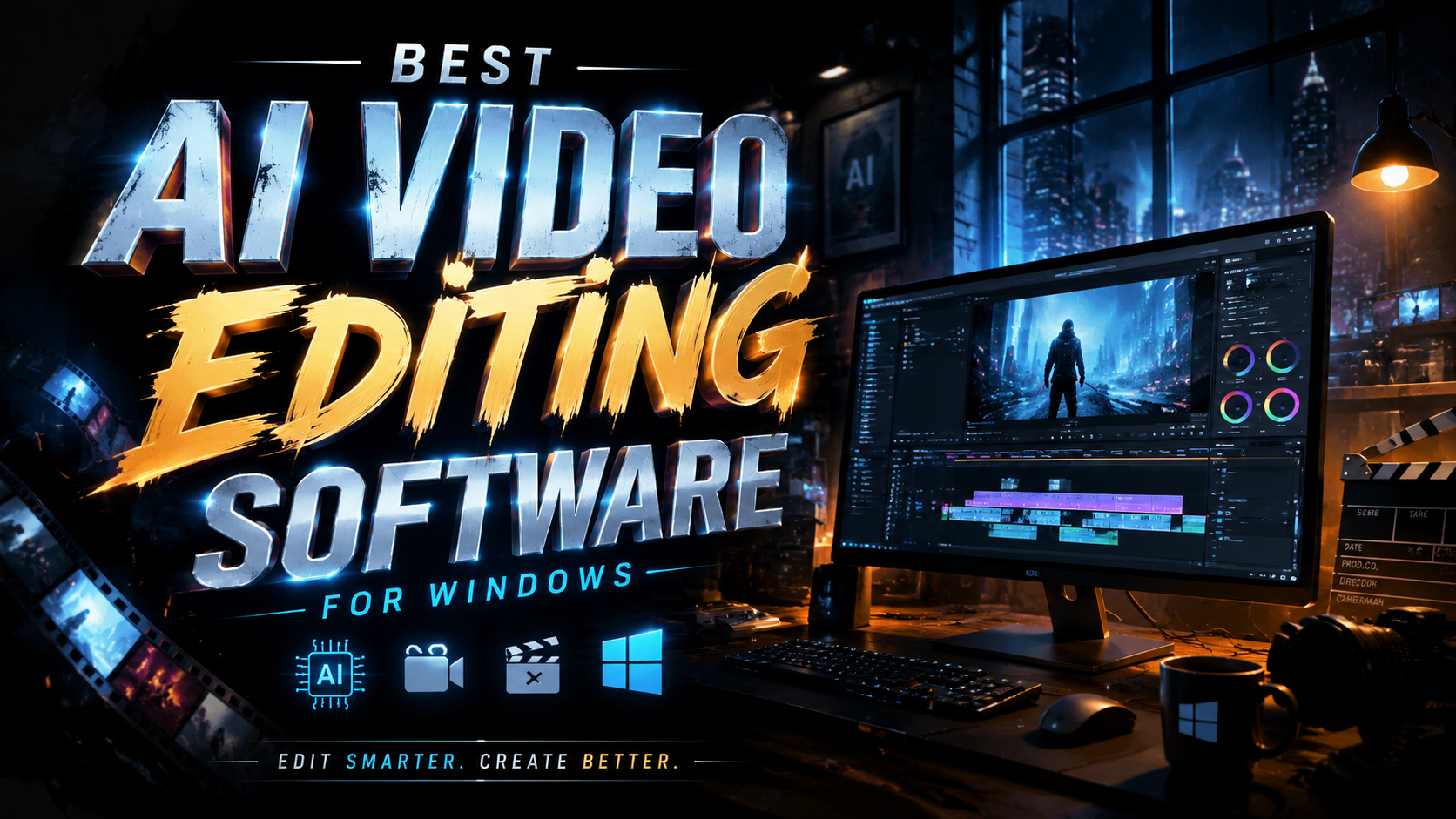
The best AI video editing software for Windows in 2026 combines powerful automation with intuitive tools to streamline your workflow. These solutions leverage artificial intelligence to handle tasks like scene detection, color correction, and even automatic clip sequencing, making professional-grade editing accessible to all skill levels. From built-in Windows editors to specialized AI tools, we've tested the top options to help you choose the right platform for your needs.
TL;DR: The best AI video editing software for Windows in 2026 includes built-in Microsoft solutions and third-party tools like Auto Video Editor, offering features such as automatic scene detection, AI-powered color grading, and smart clip sequencing for effortless video creation.
AI video editing software is a category of tools that use machine learning to automate complex editing tasks like scene transitions, audio syncing, and object removal. The best options for Windows in 2026 combine these AI capabilities with traditional editing features, offering both automation and manual control for creators of all levels.
- ✓ Windows now includes native AI video editing capabilities through built-in apps
- ✓ Third-party solutions like Auto Video Editor specialize in viral content creation
- ✓ AI dramatically reduces editing time through automatic scene analysis and sequencing
- ✓ Most professional AI editors now support hardware acceleration through NPUs
- ✓ Free options exist but often lack advanced AI features of paid solutions
What Makes AI Video Editing Software Special?
AI video editing software represents a significant leap forward from traditional editing tools by incorporating machine learning algorithms that can analyze and process footage automatically. According to Coursera, these systems can reduce editing time by up to 70% for common tasks like clip sequencing and color correction. The technology has matured significantly since its early iterations, now offering reliable results that often match manual editing quality.
Modern AI editors for Windows go beyond simple automation - they can understand context and narrative flow. Features like automatic scene detection now analyze not just visual cuts but also emotional tone and pacing. This allows the software to suggest edits that maintain consistent storytelling, a capability that was exclusive to professional editors until recently.
The integration with Windows-specific hardware gives these tools an additional advantage. Many 2026 Windows devices include dedicated neural processing units (NPUs) that accelerate AI tasks. As noted by Creative Bloq, laptops with onboard NPUs can process AI video edits up to 3x faster than relying solely on CPU/GPU combinations. This hardware synergy makes Windows an especially strong platform for AI-powered video editing.
Top AI Video Editing Features to Look For
When evaluating the best AI video editing software for Windows, certain features separate the exceptional from the merely adequate. Automatic scene detection remains the foundational AI capability, but leading solutions now offer much more sophisticated functionality. Look for software that can analyze footage for both technical quality (focus, lighting, stability) and content value (emotional impact, visual interest).
Smart Clip Sequencing
The most advanced AI editors can automatically arrange raw footage into a coherent sequence based on your selected style or template. This goes beyond simple chronological ordering - the software analyzes shot composition, subject movement, and even facial expressions to create dynamic sequences that maintain viewer engagement.
AI Color Grading
Professional color correction traditionally required extensive manual work, but AI solutions can now analyze your footage and apply appropriate color treatments automatically. The best implementations allow for style customization while maintaining natural skin tones and proper exposure balance across all clips.
Automated Audio Enhancement
Background noise reduction, voice clarity enhancement, and automatic music leveling are now standard in top-tier AI video editors. Some can even analyze your footage's emotional tone and suggest appropriate background music from integrated libraries.
Built-in Windows AI Video Editing Options
Microsoft has significantly enhanced its native video editing capabilities in Windows, as highlighted in their April 2026 update. The built-in video editor now includes AI-powered features like automatic highlight reel generation and smart trimming. While not as full-featured as professional third-party solutions, these tools provide surprisingly capable editing for casual users and social media creators.
The Windows video editor leverages the same AI models powering Microsoft's professional tools, optimized for consumer hardware. Its automatic highlight detection can identify key moments in long recordings (like sports events or presentations) and compile them into shareable clips. The software also includes basic AI stabilization and lighting correction that works particularly well with footage from Windows-powered devices.
One advantage of the built-in solution is its seamless integration with other Windows features. The editor can directly access files from the Photos app, OneDrive, and even Xbox Game Bar recordings. According to Microsoft's documentation, future updates will add more advanced AI features like automatic green screen effects and AI-powered upscaling for older footage.
Third-Party AI Video Editors for Windows
For users needing more advanced capabilities than the built-in Windows tools provide, several third-party options stand out in 2026. Perfect Corp's Auto Video Editor, featured in their June 2026 announcement, specializes in transforming raw clips into viral-ready content with minimal manual input. Its AI analyzes trending video formats and can automatically apply similar editing styles to your footage.
Professional-grade AI video editors typically offer more customization options than built-in solutions. They allow users to train the AI on their specific editing preferences over time, creating a personalized automated workflow. Many support plugin architectures that let you add specialized AI models for tasks like object removal or style transfer.
The most sophisticated third-party editors now integrate with cloud-based AI services for enhanced capabilities. This allows them to offer features like automatic subtitle generation in multiple languages or AI-powered voiceovers, even on modest local hardware. However, these cloud features often require subscription plans beyond the base software cost.
Free vs Paid AI Video Editing Software
The free video editing landscape in 2026 includes several capable options, though they typically offer limited AI functionality compared to paid solutions. As noted by Small Business Trends, free editors often include basic AI-assisted features like automatic trimming or simple color correction, but lack the more sophisticated automation found in premium products.
Paid AI video editors generally provide better performance, especially when handling high-resolution footage or complex projects. They're more likely to support hardware acceleration through Windows NPUs, resulting in faster processing times. Paid solutions also tend to receive more frequent AI model updates, keeping their automated suggestions current with evolving editing trends.
For professionals or frequent creators, the time savings from advanced AI features often justify the cost of paid software. Automatic scene analysis that would take hours manually can be completed in minutes, and AI-assisted color grading can match results that would require expensive calibration equipment to achieve manually. Many paid editors offer free trials, making it worthwhile to test their AI capabilities against your specific needs.
| Feature | Built-in Windows Editor | Mid-Range Third-Party | Professional AI Editors |
|---|---|---|---|
| AI Scene Detection | ✓ | ✓✓ | ✓✓✓ |
| Automatic Color Grading | Basic | Advanced | Professional + Custom |
| Hardware Acceleration | Limited | NPU Support | NPU + Cloud Hybrid |
| Audio Enhancement | Basic | Advanced | Studio Quality |
| Price | Free | $10-$30/month | $50+/month |
Future Trends in AI Video Editing
The AI video editing landscape continues to evolve rapidly, with several emerging technologies poised to further transform the field. Real-time AI editing during recording is becoming more common, with software able to suggest framing adjustments or even automatically switch between camera angles based on the action. This blurs the line between filming and editing, potentially revolutionizing content creation workflows.
Another significant development is the rise of personalized AI editing assistants. These systems learn an individual creator's style preferences over time, eventually being able to produce complete edits that match their unique aesthetic. Early implementations show promise for reducing repetitive work while maintaining creative control - a balance that earlier AI tools often struggled with.
Looking ahead, we can expect deeper integration between AI video editors and other creative tools. Imagine software that can automatically generate motion graphics to match your footage's style, or AI that suggests edits based on the emotional impact of background music. As NPUs become standard in Windows hardware and AI models grow more sophisticated, the possibilities for automated yet creative video editing will continue expanding.
What is the easiest AI video editor for beginners on Windows?
The built-in Windows video editor offers the gentlest learning curve, with its AI features automatically applied during simple editing workflows. Its interface is designed specifically for Windows users and requires no additional installation.
Do I need special hardware for AI video editing?
While not strictly necessary, a Windows PC with an NPU (neural processing unit) will significantly accelerate AI editing tasks. Many 2026 laptops include these dedicated AI processors specifically for creative applications.
Can AI video editors replace human editors completely?
Current AI editors excel at technical tasks and basic sequencing but still benefit from human oversight for creative decisions. They're best viewed as powerful assistants that handle repetitive work, freeing humans for higher-level storytelling.
Are there privacy concerns with cloud-based AI video editing?
Some cloud AI features process your footage on remote servers. Reputable editors use encryption and allow local-only processing for sensitive content, but always review the privacy policy before using cloud features.
How often do AI video editors receive updates?
Leading solutions update their AI models monthly or quarterly, with major interface updates typically annually. Cloud-connected editors can receive AI improvements continuously without requiring software updates.
Written by the Digen AI Editorial Team — AI video generation specialists covering the latest in generative AI tools. Learn more about Digen AI.
Comments ()