
Best AI Video Creator for Social Media: 2026 Trends Guide
The best ai video creator for social media in 2026 is a tool that balances high-fidelity generative output with one-click template accessibility, allowing content teams to scale production without sacrificing brand integrity. As social media algorithms increasingly prioritize short-form video, these platforms have evolved from experimental toys into essential utilities that automate the entire pipeline from script to final edit.
An AI video creator for social media is a generative software platform that utilizes large video models (LVMs) to transform text, images, or basic prompts into professional-grade video content. In 2026, these tools are defined by their ability to handle complex physics, maintain character consistency across scenes, and integrate seamlessly with mobile editing workflows for instant cross-platform publishing.
- ✓ One-click templates have become the industry standard for beginners, reducing production time by up to 90%.
- ✓ Mobile integration is critical, with PCMag reporting that the best editing apps now feature native generative AI layers.
- ✓ Modern content teams are using AI not just for creation, but as a practical tool for localization and rapid A/B testing.
- ✓ Ethical verification and watermarking are now mandatory features to combat the rise of synthetic misinformation.
How to Use an AI Video Creator for Social Media
Navigating the landscape of generative media requires a strategic approach to ensure your content resonates with human audiences while satisfying platform algorithms. The process has shifted from manual frame-by-frame editing to high-level creative direction where the user acts as the director rather than the technician.
- Define Your Concept and Script: Input your core message into the AI’s script generator, specifying the target platform (e.g., TikTok, Instagram Reels, or YouTube Shorts) to optimize the tone and pacing.
- Select a Template or Style: Choose from one-click templates that define the visual aesthetic, transitions, and aspect ratio suitable for mobile-first viewing.
- Generate and Iterate: Use text-to-video prompts to create specific scenes. If the initial output isn't perfect, use "inpainting" features to modify specific elements within the frame without regenerating the whole clip.
- Apply AI Voiceovers and Captions: Select a synthetic voice that matches your brand persona and auto-generate synchronized captions, which are essential for silent-scrolling environments.
- Export and Optimize: Finalize the video in 4K resolution and use AI-driven analytics to predict which thumbnail or hook will perform best on your chosen social network.
The Rise of Practical AI Video Creation in 2026
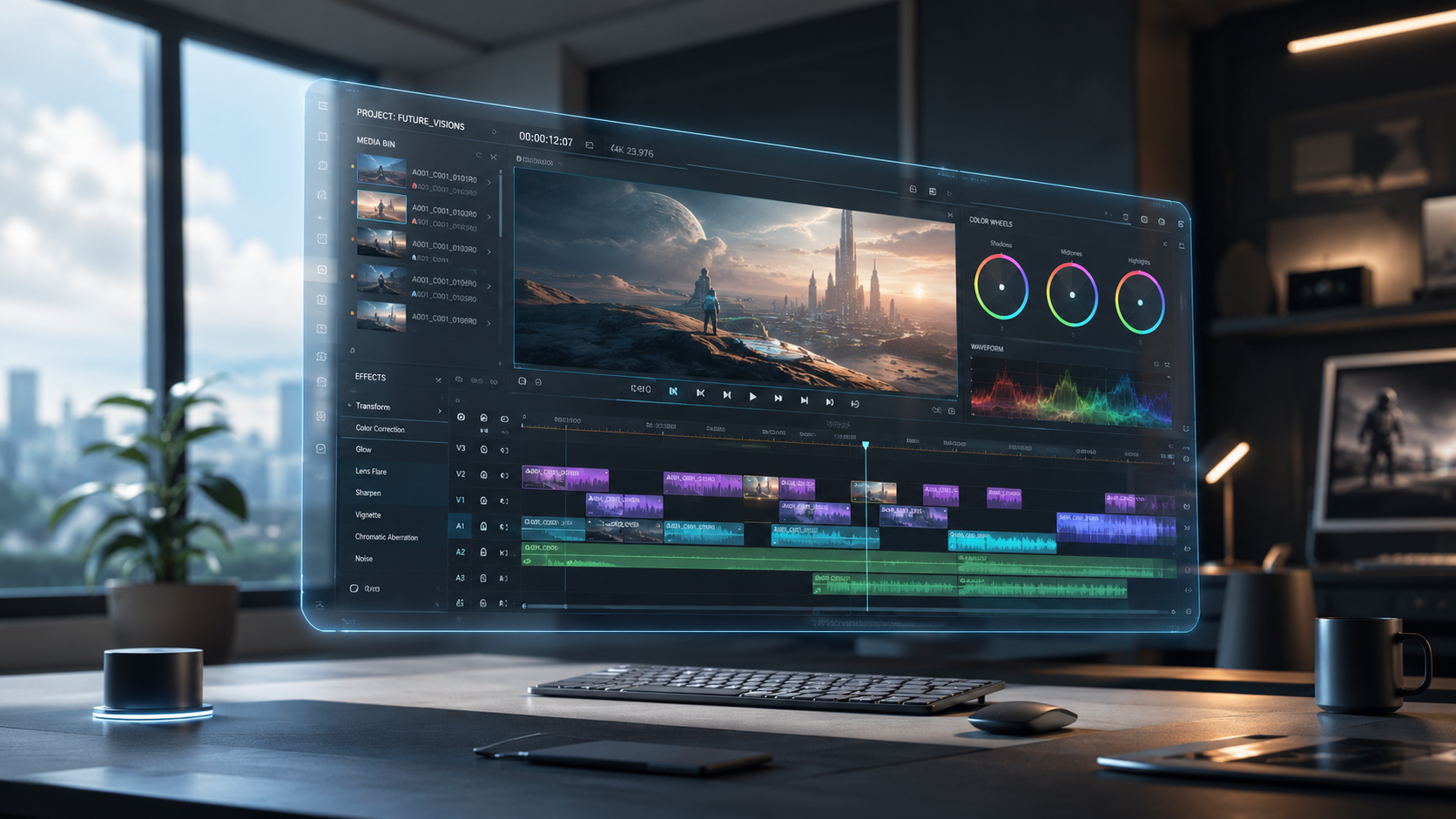
According to Programming Insider, AI video generation has officially transitioned into a practical tool for modern content teams. No longer relegated to niche experimental labs, these tools are now integrated into the daily workflows of marketing agencies and independent creators alike. The shift is driven by the need for "velocity"—the ability to respond to trending topics in real-time with high-quality visual assets.
The primary advantage of using an ai video creator for social media in the current year is the democratization of high-end production values. Small businesses can now produce cinematic advertisements that previously required five-figure budgets. This shift is particularly evident in the way brands handle "always-on" social strategies, where the volume of content required to stay relevant in the feed is higher than ever before.
Furthermore, The AI Journal highlights that the best tools this year are those that offer "multi-modal" capabilities. This means the AI can understand the relationship between the background music, the spoken word, and the visual rhythm, ensuring that every transition happens on the beat—a crucial factor for engagement on platforms like TikTok and Instagram.
Comparing the Top AI Video Features for 2026
When selecting the right platform, it is essential to compare how different engines handle the specific needs of social media creators. The following table breaks down the key performance indicators for the leading classes of AI video tools available this year.
| Feature Category | Beginner-Friendly Tools | Professional Suites | Mobile-Native Apps |
|---|---|---|---|
| Primary Input | One-click templates | Detailed Text Prompts | Image-to-Video / Filters |
| Max Resolution | 1080p (Optimized for Web) | 8K / Raw Export | 4K (Mobile Optimized) |
| Rendering Speed | Instant (< 30 seconds) | 5-10 Minutes | Real-time Preview |
| Best For | Daily Stories & News | High-End Ad Campaigns | Influencer Vlogs |
The Power of One-Click Templates for Beginners
A significant trend identified by findarticles.com is the dominance of one-click templates. For beginners, the barrier to entry has traditionally been "prompt engineering"—the difficult art of writing the perfect text description to get a usable video. In 2026, the best ai video creator for social media removes this hurdle by providing pre-configured styles that guarantee a professional result.
These templates are not just static overlays; they are "intelligent containers" that adapt to the user's uploaded assets. For example, if a creator uploads a photo of a product, the AI automatically identifies the subject, removes the background, and places it in a dynamic, 3D-rendered environment tailored for a 15-second promotional spot. This level of automation allows users with zero editing experience to compete with established media houses.
Moreover, these templates are updated weekly to reflect the latest social media trends. If a specific transition style or "challenge" format goes viral, template libraries are refreshed almost instantly. This ensures that creators are always using the most current visual language, which is vital for maintaining high engagement rates in fast-moving social feeds.
Mobile Integration and the "Edit-on-the-Go" Era
As PCMag noted in their latest testing of mobile video editing apps, the line between a traditional editor and an AI generator has blurred. The most successful ai video creator for social media platforms now offer robust mobile applications that allow for "on-the-fly" generation. This is particularly important for creators who attend live events or need to post updates while away from a desktop workstation.
The 2026 generation of mobile AI tools features "Neural Re-timing," a technology that allows users to change the duration of a video without losing quality or sync. If you have a 10-second clip but need it to fit a 7-second audio loop, the AI intelligently removes or speeds up non-essential frames while maintaining natural movement. This level of precision on a smartphone was unthinkable just two years ago.
Additionally, mobile-first AI tools are now specializing in "Vertical-First" generation. Unlike older models that cropped horizontal video into a vertical frame—often losing the subject in the process—modern AI creators generate pixels specifically for the 9:16 aspect ratio. This ensures that the composition, framing, and focal points are perfectly aligned for the smartphone screen from the moment of creation.
Social Media Marketing Transformation in 2026
According to PC Tech Magazine, AI video generators are fundamentally changing the ROI of social media marketing. One of the most impactful changes is the ability to perform "Dynamic Localization." A single video can be generated once, and the AI can then automatically swap out the actor’s voice, the text on the screen, and even the cultural references to suit different global markets. This allows brands to scale globally while feeling locally relevant.
Another major shift is the move toward "Hyper-Personalization." Advanced ai video creator for social media tools can now integrate with CRM data to generate personalized video messages for thousands of individual customers simultaneously. Imagine a follower receiving a video where the host mentions them by name and recommends a product based on their specific browsing history—this is the reality of marketing in 2026.
However, this power comes with new responsibilities. PC Tech Magazine emphasizes that the brands seeing the most success are those that maintain a "Human-in-the-Loop" philosophy. While the AI does the heavy lifting of rendering and editing, the creative direction, ethical oversight, and final "vibe check" remain firmly in human hands. This balance prevents the content from feeling "uncanny" or disconnected from the brand's authentic voice.
Ethical Considerations and Combating Misinformation
While the benefits of AI video are vast, 2026 has also seen the darker side of the technology. A report by the BBC recently traced a series of anti-immigration AI videos to overseas creators using generative tools to spread misinformation. This has led to a massive push for transparency within the industry. The best ai video creator for social media tools now include invisible digital watermarks and C2PA metadata that verify the origin of the content.
For legitimate creators, these security features are a benefit rather than a hindrance. They provide a "Proof of Origin" that protects their intellectual property and ensures that their audience knows the content is an official brand communication. Most major social platforms now require an "AI-Generated" label for any content that looks realistic but was created synthetically, and the top-tier tools automate this labeling process during the export phase.
Education is also a key component of the 2026 landscape. Creators are being encouraged to use AI to enhance reality rather than deceive. For instance, using AI to fix lighting in a vlog or to create a fantastical background for a music video is seen as a creative evolution, whereas using it to create fake news events is being met with strict platform bans and legal repercussions in many jurisdictions.
Future Trends: What’s Next for AI Video?
As we look toward the end of 2026 and into 2027, the focus is shifting toward "Interactive AI Video." This technology will allow social media users to interact with a video in real-time, changing the outcome of a story or the color of a product by simply typing a comment or clicking an on-screen element. The ai video creator for social media of the future will not just produce a static file, but a dynamic, generative experience.
We are also seeing the rise of "Personal AI Avatars" that are indistinguishable from their human counterparts. Many influencers are now training private AI models on their own likeness and voice, allowing them to "be in two places at once." This allows a creator to maintain a daily posting schedule on social media while they are actually taking a break or working on other projects, effectively solving the "creator burnout" crisis that plagued the early 2020s.
Finally, the integration of AI video with Augmented Reality (AR) glasses is beginning to take hold. AI video creators are starting to export "Spatial Video" formats that allow followers to view content in three dimensions, bringing a new level of immersion to social storytelling. The tools we use today are laying the groundwork for a completely holographic social media ecosystem.
What is the best AI video creator for beginners in 2026?
In 2026, the best tools for beginners are those that offer one-click templates, as highlighted by recent industry reports. These platforms allow users to generate high-quality social media content without needing to master complex prompt engineering or traditional editing software.
Can AI video generators create content for TikTok and Reels?
Yes, modern AI video creators are specifically optimized for vertical 9:16 aspect ratios. They include features like auto-captioning, beat-syncing to trending audio, and mobile-native editing to ensure the content meets the specific requirements of TikTok and Instagram Reels.
Is AI-generated video content allowed on social media?
Yes, it is allowed, but most platforms in 2026 require creators to disclose when content is AI-generated, especially if it depicts realistic scenes. The best tools automatically include the necessary metadata and labels to comply with platform policies.
How long does it take to generate an AI video?
For social media-length clips (15-60 seconds), generation times in 2026 range from near-instantaneous for template-based tools to about 5-10 minutes for high-fidelity, custom-prompted professional videos. Speed has improved significantly compared to previous years.
Do I need a powerful computer to use an AI video creator?
No, most 2026 AI video tools are cloud-based or mobile-optimized. The heavy processing is handled on the provider's servers, meaning you can create complex, high-resolution videos using a standard smartphone or a basic laptop.



Comments ()