
10 Best AI Video Animation Software Tools of 2026
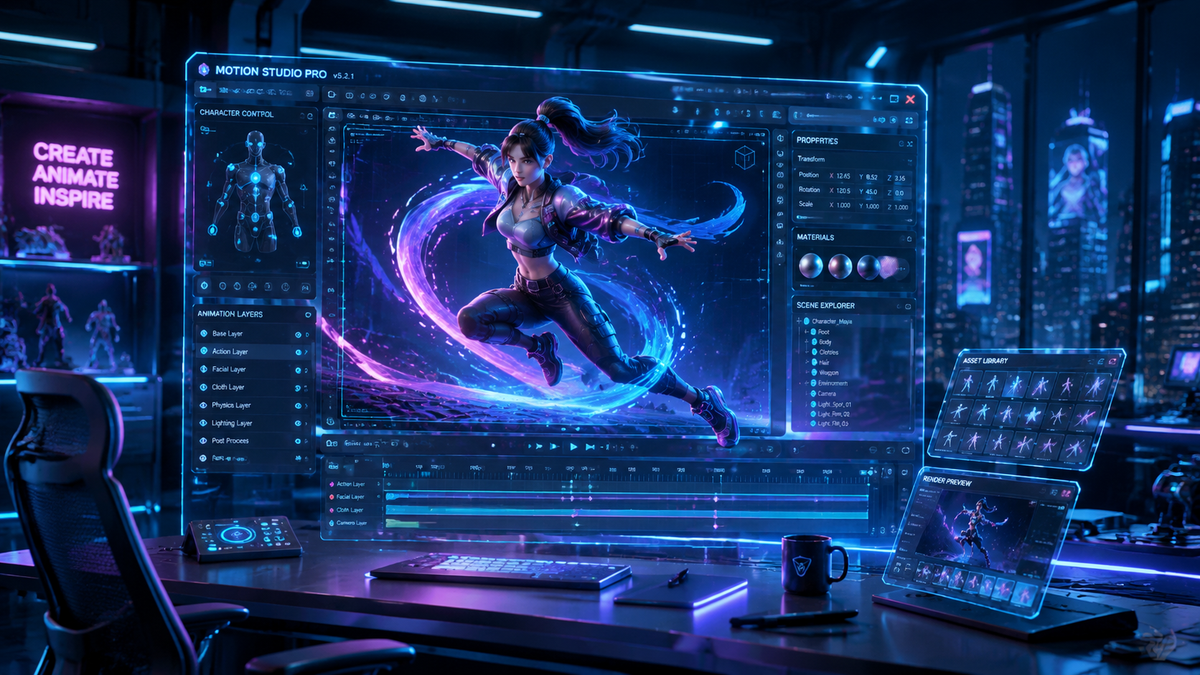
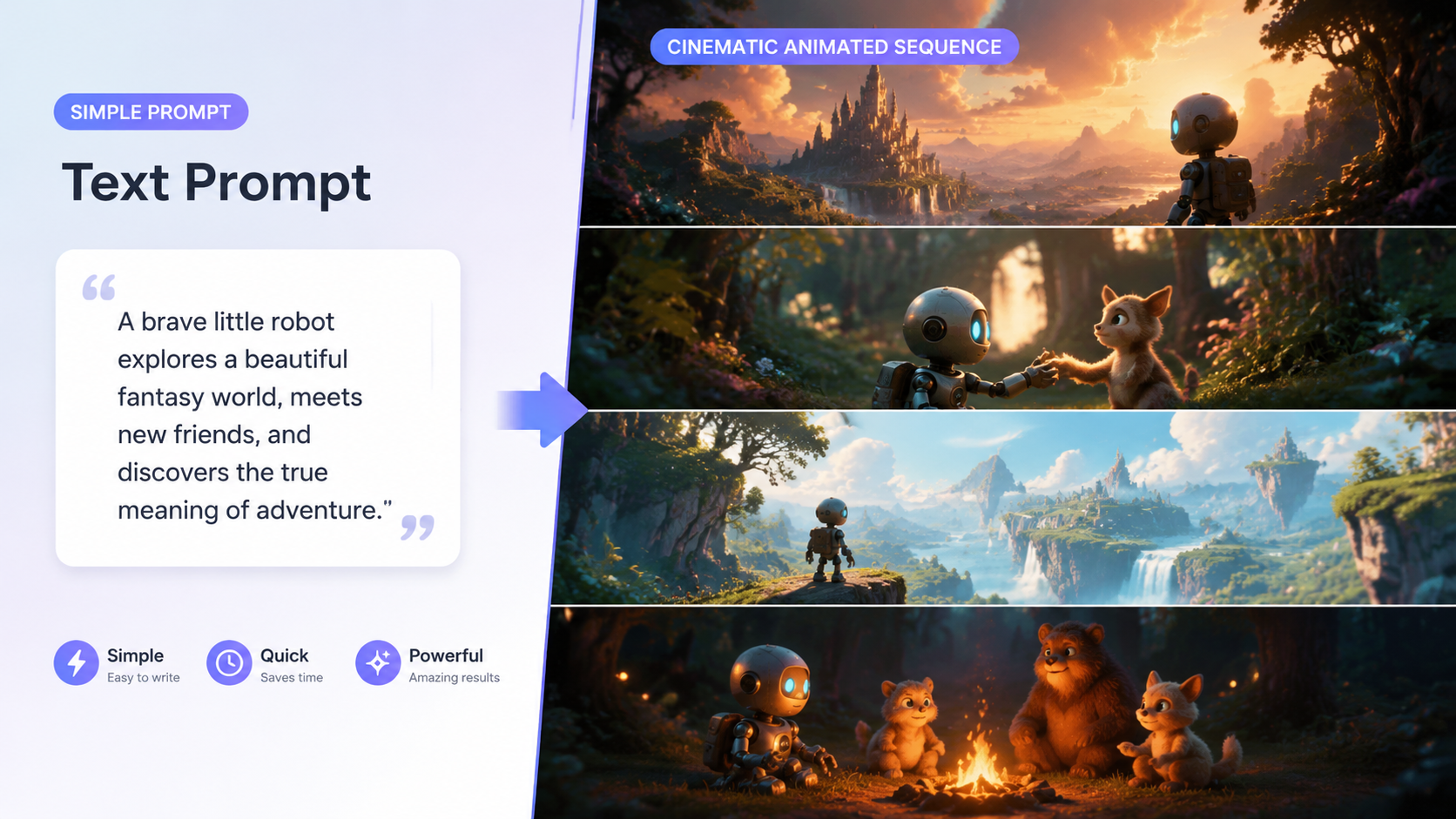
The best ai video animation software in 2026 allows creators to transform text prompts, static images, and rough sketches into professional-grade cinematic sequences in a matter of seconds. These tools leverage advanced diffusion models and motion-consistent neural networks to automate complex frame-by-frame rendering, making high-end animation accessible to businesses and independent creators alike. By integrating real-time physics and temporal consistency, the leading platforms of 2026 have effectively bridged the gap between generative AI and traditional Hollywood-style production.
The best ai video animation software is a category of generative tools—such as Sora Pro, Runway Gen-4, and Pika Art—that uses artificial intelligence to automate character movement, background rendering, and lighting. These platforms enable users to generate high-fidelity 4K animations from text, significantly reducing the time and technical skill required for professional video production.
- ✓ AI video generators now support full 4K resolution with consistent character physics.
- ✓ Integration with traditional editing suites like Adobe and DaVinci is now standard.
- ✓ Real-time "Image-to-Video" conversion has become the primary workflow for 2026 creators.
- ✓ Ethical AI training models are a major differentiator for enterprise-level software.
How to Use the Best AI Video Animation Software
Navigating the landscape of generative video requires a shift in mindset from manual keyframing to prompt engineering and iterative refinement. In 2026, the workflow has become streamlined, allowing for rapid prototyping and final exports within a single cloud-based interface. According to The AI Journal, the adoption of image-to-video workflows increased by 300% this year as creators seek more control over their visual outputs.
- Define Your Concept: Start with a detailed text prompt or, ideally, a high-resolution reference image to set the visual style and character consistency.
- Select Your Motion Parameters: Use specialized brushes or motion sliders to define which parts of the frame should move (e.g., flowing water, walking characters, or shifting light).
- Generate and Iterate: Produce a low-resolution preview to check for temporal consistency and "hallucinations" before committing to a full 4K render.
- Apply AI Upscaling: Once the movement is locked, use the software's built-in upscaler to enhance textures and facial details to cinema standards.
- Export and Integrate: Download your animation in professional formats like ProRes or MP4 for final assembly in your preferred video editing app.
Comparison of Leading AI Animation Tools in 2026
Choosing the right platform depends on your specific needs, whether you are looking for hyper-realistic cinematic shots or stylized 2D motion graphics. As noted by CNET in their April 2026 review, the market has bifurcated into "Generalist Generators" and "Specialized Motion Tools." The following table compares the top-tier options currently dominating the industry.
| Software Tool | Primary Strength | Resolution Support | Pricing (Monthly) |
|---|---|---|---|
| Runway Gen-4 | Multi-Motion Brush Control | Up to 8K Upscaled | $15 - $95 |
| Luma Dream Machine 2.0 | Photorealistic Physics | 4K Native | Free / $30 Pro |
| Pika Art Pro | Stylized & Anime Animation | 4K | $10 - $60 |
| Sora Enterprise | Long-form Consistency | 4K Cinematic | Custom / Enterprise |
| Kling AI Global | Humanoid Movement Realism | 4K | $20 Standard |
1. Runway Gen-4: The Industry Standard for Creative Control
Runway remains at the forefront of the best ai video animation software market in 2026. Their Gen-4 model introduces "Deep Motion Control," a feature that allows users to manipulate specific limbs or objects within a frame using a simple drag-and-drop interface. This level of granular control was previously only possible in dedicated 3D rigging software like Maya or Blender.
According to PCMag, Runway’s 2026 update has focused heavily on "Temporal Stability," ensuring that characters do not morph or change features between frames. This makes it the preferred choice for advertising agencies and film studios that require pixel-perfect consistency across multiple scenes. The platform also offers an extensive API for developers looking to integrate generative video into custom applications.
One of the standout features of Runway Gen-4 is the "Director Mode," which provides virtual camera controls. Users can simulate pans, tilts, and zooms as if they were on a physical set. This bridge between AI generation and traditional cinematography is why Runway continues to lead the rankings for professional-grade animation tools.
2. Luma Dream Machine 2.0: Real-Time Photorealism
Luma Labs has revolutionized the industry with the Dream Machine 2.0, a tool that specializes in high-fidelity physics. Whether it is the way light refracts through a glass of water or the complex movement of fabric in the wind, Luma’s engine understands the laws of physics better than almost any other competitor. This makes it an essential tool for VFX artists who need to generate realistic background plates or atmospheric effects.
In a recent review by Cybernews, Luma was praised for its "Zero-Shot" capabilities, meaning it can create stunning animations from a single image without requiring complex prompting. The 2026 version has significantly reduced rendering times, with a 10-second 4K clip now taking less than two minutes to generate on their cloud servers. This speed-to-quality ratio is currently unmatched in the consumer market.
The platform also features a unique "World Building" mode, where users can upload a 360-degree photo and have the AI animate a walkthrough of the environment. This is particularly useful for real estate marketing and architectural visualization, where showing a "lived-in" feel is crucial for client presentations.
3. Pika Art Pro: The King of Stylized Animation
While other tools chase photorealism, Pika Art has carved out a massive niche in the best ai video animation software space by focusing on style. Pika Art Pro is the go-to solution for creators working in anime, 2D cartooning, and claymation styles. The software includes a "Style Transfer" engine that can take any live-action footage and instantly convert it into a high-quality animated sequence while maintaining the original performance.
The 2026 iteration of Pika includes an advanced "Lip Sync" feature that is widely considered the best in the industry. It analyzes audio files and perfectly matches the character’s mouth movements and facial expressions to the dialogue, including micro-expressions like eye blinks and brow furrows. Robotics & Automation News highlighted Pika’s utility in creating training videos where a friendly, animated avatar is more engaging than a static presenter.
4. Sora Enterprise: Cinematic Storytelling at Scale
OpenAI’s Sora Enterprise remains a dominant force, particularly for long-form content. While most AI video tools struggle with clips longer than 10 seconds, Sora 2026 can generate continuous sequences up to two minutes long while maintaining narrative and visual coherence. This makes it a powerful tool for storyboarding and even producing short films. Its "Multi-Shot" feature allows the AI to understand that different camera angles are all part of the same scene, keeping the environment and characters identical across cuts.
Key Features to Look for in AI Animation Software
When searching for the best ai video animation software, you must look beyond the initial "wow factor" of the generated images. Reliability and integration are the true markers of a professional tool in 2026. As Creative Bloq points out, the best apps now feature "Layered Generation," allowing users to separate the foreground character from the background, which is essential for professional compositing workflows.
Another critical feature is "Character Consistency Models." In the past, AI would often change a character's clothing or facial structure from one shot to the next. The top tools of 2026 allow you to upload a "Character Reference Sheet," ensuring that your protagonist looks exactly the same throughout an entire project. This is a non-negotiable feature for anyone looking to do serious storytelling or branding.
Finally, consider the ethical implications and licensing. Enterprise-grade software now provides "Indemnity Guarantees," ensuring that the data used to train the AI was legally sourced and that the user holds full commercial rights to the output. This has become a standard requirement for corporate clients and major film studios in 2026.
5. Kling AI: The Global Challenger
Kling AI has made significant waves in 2026 by offering a model that excels at complex human movements. Activities that were previously difficult for AI—such as eating, typing, or complex dancing—are handled with surprising fluidity by Kling. Their global version, released in early 2026, includes a robust "Motion Strength" slider that lets users tune the intensity of the animation from subtle breathing to high-energy action.
6. Leonardo Motion: Design-Centric Animation
Leonardo.ai has evolved from a popular image generator into a powerhouse for motion graphics. Its "Motion Canvas" allows designers to paint motion onto specific areas of an image. It is particularly popular among social media managers who need to create "thumb-stopping" content quickly. The integration between their static image generation and motion tools provides a seamless "all-in-one" creative suite.
The Future of AI Animation: What to Expect Post-2026
As we look toward the latter half of the decade, the line between "generating" and "directing" will continue to blur. Industry experts suggest that we are moving toward a future of "Real-Time Interactive Video," where the AI generates the animation as the user interacts with it, similar to a high-end video game engine but with cinematic visual quality. This will likely revolutionize the gaming and VR industries first.
According to research cited by The AI Journal, by the end of 2026, over 60% of all digital video content will involve some form of AI-assisted animation. This shift is driving a massive demand for "Hybrid Creators"—professionals who combine traditional film theory with advanced AI prompting skills. The best ai video animation software is no longer a shortcut; it is a sophisticated instrument that requires a new kind of mastery.
What is the best AI video animation software for beginners in 2026?
Luma Dream Machine 2.0 and Pika Art are widely considered the most beginner-friendly options due to their intuitive interfaces and strong "one-click" generation capabilities. They require less technical knowledge of prompting compared to enterprise tools like Sora.
Can AI animation software replace professional animators?
No, it acts as a powerful co-pilot. While it automates the tedious aspects of rendering and tweening, professional animators are still needed to provide creative direction, storyboarding, and fine-tuned emotional nuances that AI cannot yet replicate autonomously.
Is the content generated by AI video tools copyrightable?
In 2026, copyright laws vary by jurisdiction, but most major platforms now offer "Enterprise Shields" and tools to ensure that the human creative input is sufficient to claim ownership of the final edited work.
Do I need a powerful computer to run these AI tools?
Most of the best ai video animation software in 2026 is cloud-based, meaning the heavy processing happens on the provider's servers. You only need a stable internet connection and a modern web browser to generate 4K video.
How much does AI video animation software cost in 2026?
Prices typically range from $10 per month for basic hobbyist tiers to over $100 per month for professional suites with 8K export capabilities and commercial usage rights. Many offer limited free trials or "pay-as-you-go" credit systems.



Comments ()