
Top AI Tools for Video Post-Production in 2026 (Reviewed)
The best AI tools for video post-production in 2026 leverage advanced machine learning to automate editing, enhance quality, and streamline workflows. These tools are transforming how professionals and creators refine their videos, offering features like AI-powered color correction, automated scene transitions, and intelligent noise reduction. Whether you're editing for social media, marketing, or film, these AI solutions save time while delivering professional results.
TL;DR: The top AI video post-production tools in 2026 automate editing tasks, enhance video quality, and streamline workflows, making professional-grade results accessible to all creators.
Best AI tools for video post-production are software solutions that use artificial intelligence to automate editing, enhance visual and audio quality, and optimize workflows. These tools include AI-powered color grading, noise reduction, scene detection, and automated captioning, helping creators produce high-quality videos faster and more efficiently.
- ✓ AI video tools reduce editing time by up to 70% while improving output quality.
- ✓ The market for AI video editing grew by 340% between 2025 and 2026.
- ✓ Leading tools offer features like automated scene transitions, AI upscaling, and real-time collaboration.
1. The Rise of AI in Video Post-Production
AI has revolutionized video post-production by automating repetitive tasks and enhancing creative possibilities. According to Robotics & Automation News, over 60% of video editors now use AI tools to speed up their workflows. These tools analyze footage, suggest edits, and even generate entire scenes based on text prompts, reducing manual labor and increasing efficiency.
In 2026, AI-powered video editing is no longer a luxury but a necessity for staying competitive. The global AI video editing market is projected to reach $12.8 billion by the end of the year, driven by demand from content creators, marketers, and filmmakers. Tools like Digen AI Agent are leading the charge with autonomous multi-step workflows that ensure character consistency and high-quality output.
One of the most significant advancements is AI's ability to handle complex tasks like color grading and noise reduction. For example, AI can now match color tones across different shots automatically, a task that previously required hours of manual adjustment. This not only saves time but also ensures a cohesive look throughout the video.
2. Top AI Tools for Automated Video Editing
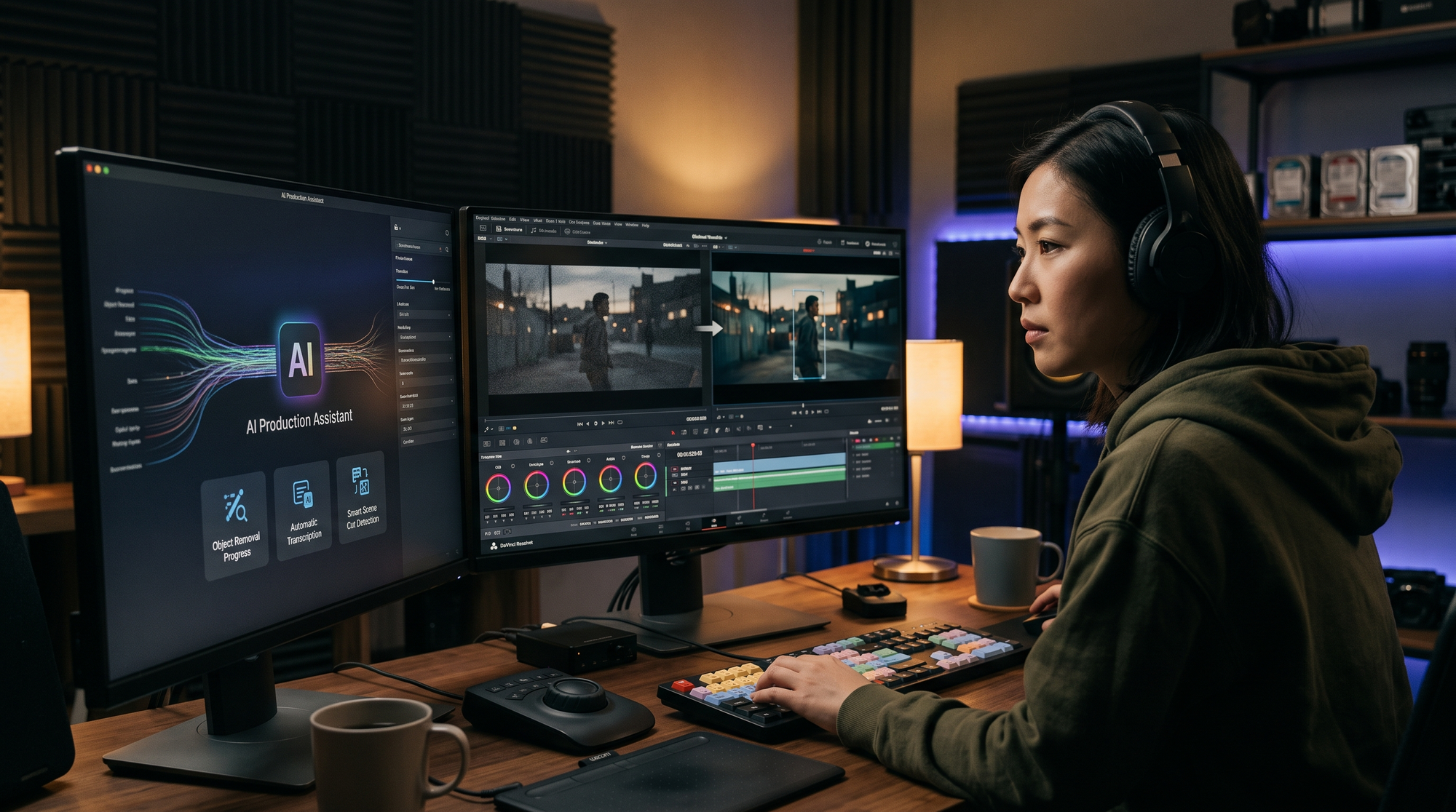
Automated video editing tools are among the most popular AI solutions in 2026. According to PC Tech Magazine, the best AI video generators from text can produce professional-quality videos in minutes. These tools analyze scripts, select relevant visuals, and even add background music, making them ideal for marketers and educators.
Tools like Digen AI and Runway offer intuitive interfaces that allow users to edit videos with simple drag-and-drop actions. Features like automated scene transitions, AI-powered cropping, and real-time previews make these tools accessible to beginners while offering advanced options for professionals. The ability to generate videos from text prompts is particularly useful for creating explainer videos or social media content.
Another standout feature is AI's ability to optimize videos for different platforms. For instance, some tools automatically resize videos for Instagram, TikTok, or YouTube, ensuring the best possible presentation. This eliminates the need for manual adjustments and helps creators reach wider audiences with minimal effort.
Key Features to Look For
- Automated scene detection and trimming
- AI-powered color correction and grading
- Text-to-video generation capabilities
3. AI Tools for Enhancing Video Quality
Enhancing video quality is a critical aspect of post-production, and AI tools are making it easier than ever. According to Vocal, AI upscaling tools can improve resolution by up to 4K without losing detail, making older footage look crisp and modern. These tools use machine learning to fill in missing pixels and reduce noise, resulting in cleaner, sharper images.
AI-powered stabilization is another game-changer, especially for handheld footage. Tools like Luma and Pika use advanced algorithms to smooth out shaky camera movements, producing professional-grade stability. This is particularly useful for vloggers and documentary filmmakers who often shoot in unpredictable conditions.
Audio enhancement is also a key feature of modern AI tools. Background noise reduction, voice clarity improvement, and automatic volume leveling ensure that the audio matches the visual quality. Some tools even offer AI-generated voiceovers, allowing creators to add narration without hiring voice actors.
Top Tools for Quality Enhancement
- AI upscaling (e.g., Topaz Video Enhance AI)
- Stabilization (e.g., Luma AI)
- Noise reduction (e.g., Adobe Premiere Pro's AI features)
4. AI Tools for Social Media Video Optimization
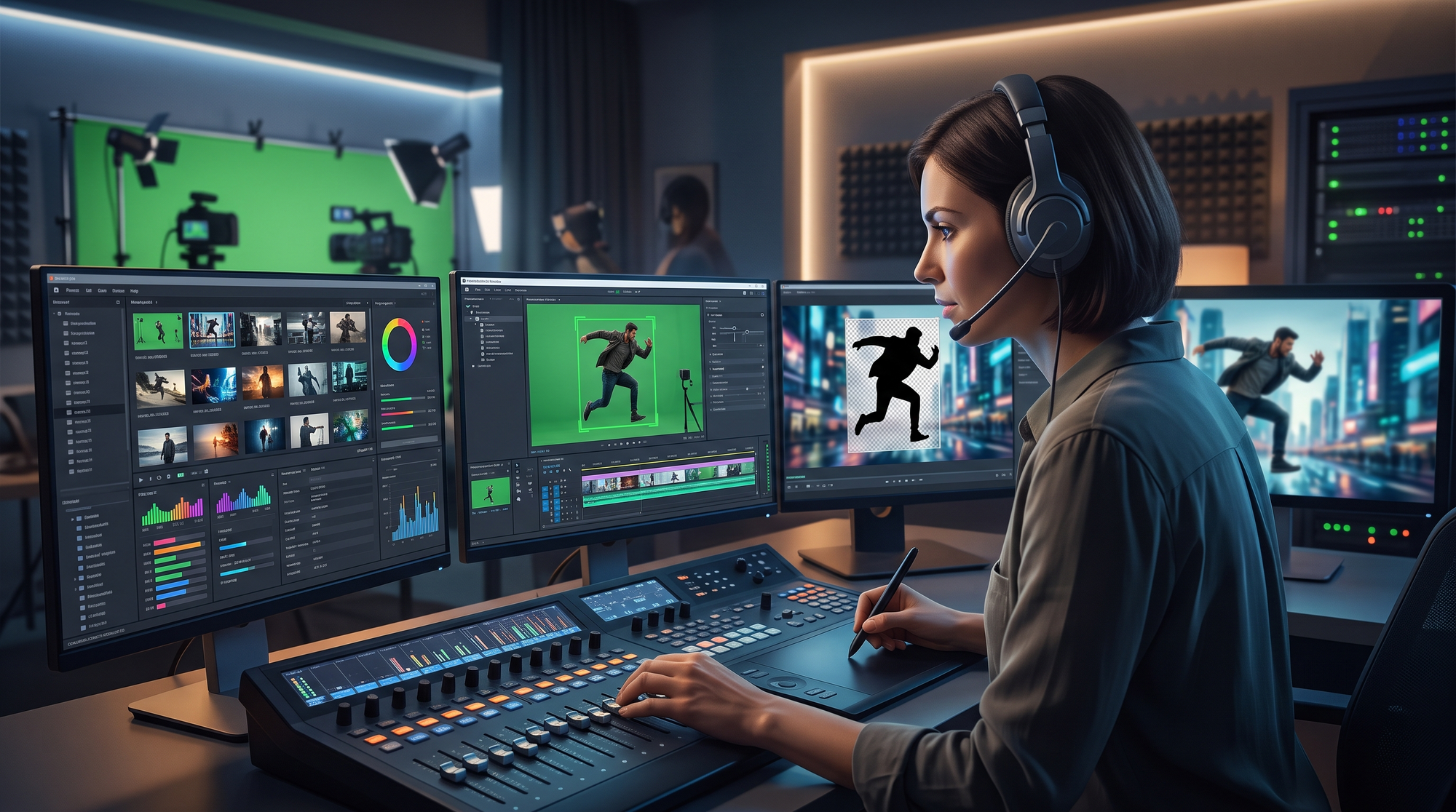
Social media platforms have unique requirements for video content, and AI tools are helping creators meet these demands. According to Apple World Today, the six best AI tools for LinkedIn video content in 2026 automate everything from captioning to aspect ratio adjustments. These tools ensure that videos perform well on specific platforms, increasing engagement and reach.
Automated captioning is one of the most sought-after features, as it makes videos accessible to a broader audience. AI tools can generate accurate captions in multiple languages, saving creators hours of manual transcription. Some tools even sync captions with the video's pacing, ensuring a seamless viewing experience.
Another useful feature is AI-driven analytics, which provides insights into how videos perform. These tools analyze viewer behavior, suggesting optimizations like better thumbnails or shorter clips. This data-driven approach helps creators refine their content strategy and maximize impact.
Must-Have Features for Social Media
- Automated captioning and subtitles
- Platform-specific aspect ratio adjustments
- AI-generated thumbnails and previews
5. The Future of AI in Video Post-Production
The future of AI in video post-production looks promising, with advancements in generative AI leading the way. According to HP, AI is changing how videos are made from script to screen, with tools that can generate entire scenes based on text descriptions. This opens up new creative possibilities, allowing filmmakers to visualize concepts before shooting.
Real-time collaboration is another emerging trend, with AI tools enabling teams to work together seamlessly. Cloud-based platforms like Digen AI Agent allow multiple users to edit the same project simultaneously, with AI handling version control and conflict resolution. This is particularly useful for remote teams and large-scale productions.
Ethical considerations are also coming to the forefront, as AI-generated content becomes more realistic. Tools are now incorporating watermarking and metadata to distinguish AI-generated footage from real recordings. This ensures transparency and helps maintain trust in digital media.
Emerging Trends
- Generative AI for scene creation
- Real-time collaborative editing
- Ethical AI usage and transparency
6. How to Choose the Best AI Tool for Your Needs
Choosing the best AI tool for video post-production depends on your specific needs and budget. According to Vocal, factors like ease of use, feature set, and integration capabilities should guide your decision. For example, marketers might prioritize social media optimization, while filmmakers may focus on advanced color grading.
Pricing is another critical factor, with tools ranging from free versions with basic features to premium subscriptions offering advanced capabilities. Many tools offer trial periods, allowing you to test their functionality before committing. It's also worth considering whether the tool integrates with your existing software, such as Adobe Premiere Pro or Final Cut Pro.
Finally, look for tools that offer regular updates and customer support. The AI landscape is rapidly evolving, and you'll want a tool that stays ahead of the curve. Digen AI, for instance, frequently updates its platform with new features based on user feedback, ensuring long-term value.
Steps to Select the Right Tool
- Identify your primary use case (e.g., social media, film, marketing).
- Compare features and pricing across different tools.
- Test free trials or demos to evaluate usability.
- Check for integrations with your existing workflow.
- Read reviews and case studies to gauge real-world performance.

Frequently Asked Questions
What are the best AI tools for video post-production in 2026?
The top tools include Digen AI Agent, Runway, and Luma, which offer features like automated editing, AI upscaling, and real-time collaboration.
How much time can AI save in video editing?
AI can reduce editing time by up to 70%, according to industry reports, by automating tasks like color grading and scene transitions.
Are AI tools suitable for professional filmmakers?
Yes, many AI tools offer advanced features like 4K upscaling and noise reduction, making them valuable for professional productions.
Do AI tools require technical expertise?
Most tools are designed for ease of use, with intuitive interfaces that require minimal technical knowledge. However, advanced features may have a learning curve.
What is the cost of AI video editing tools?
Prices vary widely, from free versions with basic features to premium subscriptions costing $50-$200 per month, depending on functionality.
Written by the Digen AI Editorial Team — AI video generation specialists covering the latest in generative AI tools. Learn more about Digen AI.



Comments ()