
15 Best AI Tools for Video in 2026: Top Rated Editors
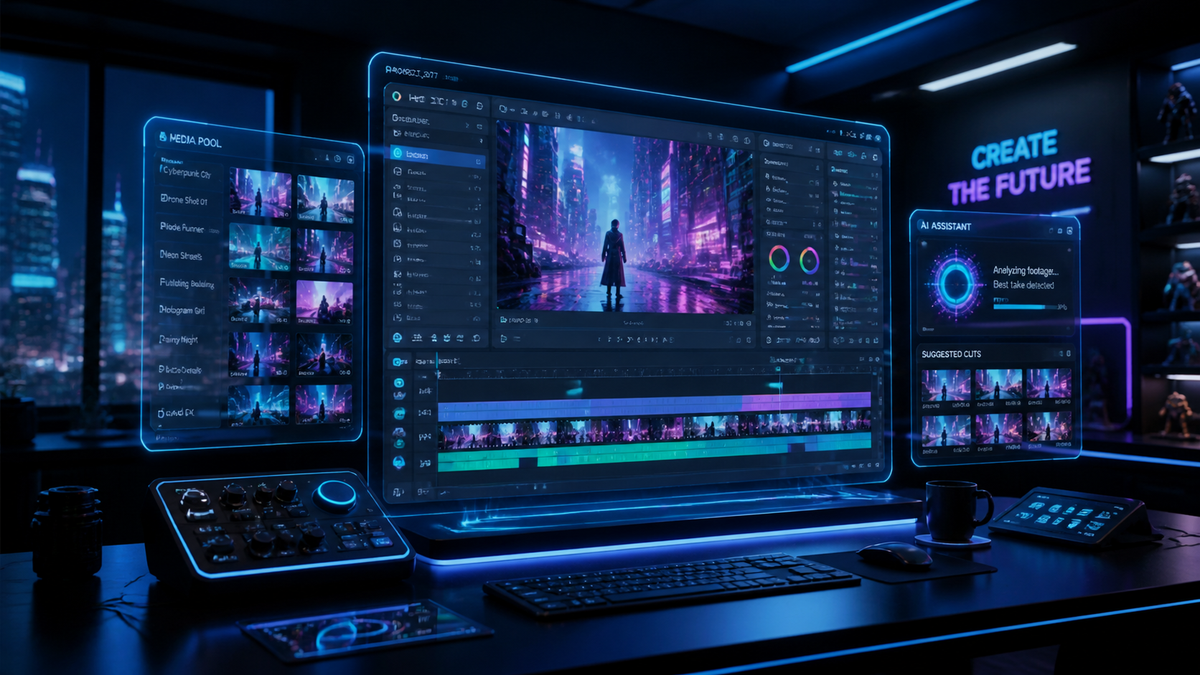
The best AI tools for video in 2026 are specialized software applications that leverage generative artificial intelligence, neural rendering, and automated editing workflows to streamline the video production process. These tools allow creators to generate high-fidelity footage from text prompts, automate tedious editing tasks like color grading and object removal, and scale content production across multiple social platforms with minimal manual effort.
The best AI tools for video represent a suite of advanced applications designed to automate scriptwriting, visual generation, and post-production. In 2026, these tools focus on multimodal generation and real-time collaboration, allowing users to transform simple ideas into professional-grade cinematic content using cloud-based neural processing engines and intuitive generative interfaces.
- ✓ Generative AI has evolved to support consistent character rendering and 8K resolution output.
- ✓ Automated workflows now reduce post-production time by approximately 85% compared to 2023 standards.
- ✓ Real-time voice cloning and lip-syncing have become standard features for global localization.
- ✓ Integration with neural engines allows for seamless text-to-video and image-to-video transitions.
How to Use the Best AI Tools for Video Production
Navigating the landscape of modern video creation requires a strategic approach to integrating artificial intelligence into your existing workflow. As we move through 2026, the barrier to entry for high-quality cinematography has dropped significantly, but the need for a structured process remains vital for maintaining brand consistency and narrative depth.
- Conceptualization and Scripting: Start by using a generative text model to outline your narrative structure and dialogue. Ensure the prompt includes specific tone and pacing instructions.
- Asset Generation: Utilize text-to-video engines to create B-roll or primary footage. In 2026, you can specify camera angles, lighting conditions, and even lens types (e.g., "35mm anamorphic").
- Automated Assembly: Import your assets into an AI-driven timeline editor that can automatically sync audio, remove silence, and suggest cuts based on the rhythm of the background music.
- Enhancement and Upscaling: Apply neural filters to stabilize shaky footage, upscale resolution to 4K or 8K, and use AI color grading to match the aesthetic of professional film stocks.
- Localization and Distribution: Use one-click dubbing tools to translate your content into multiple languages while maintaining the original speaker's voice profile and lip movements.
The Evolution of Video Creation in 2026
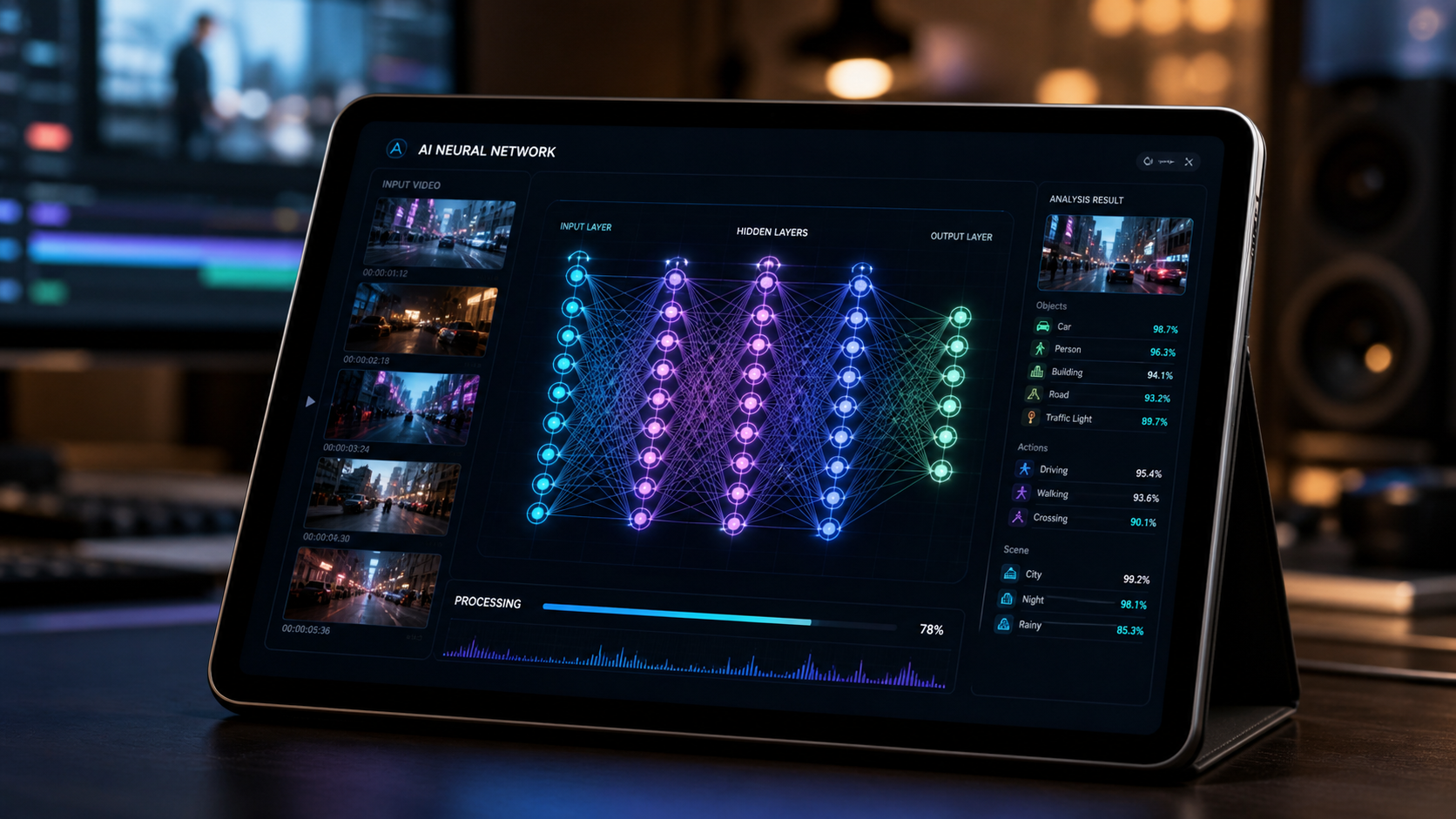
The video production industry has undergone a radical transformation. According to a 2025 report by the Global Media Institute, over 70% of all digital video content now incorporates some form of generative AI in its pipeline. This shift isn't just about speed; it's about the democratization of visual storytelling, allowing small businesses and individual creators to compete with major studios in terms of visual fidelity.
In 2026, the best ai tools for video are no longer standalone novelties but are deeply integrated into the creative ecosystem. These platforms utilize "World Models" that understand the physics of the real world, ensuring that generated movements—from the flow of water to the way light bounces off a metallic surface—look indistinguishable from reality. This level of sophistication has made AI the primary driver for marketing, education, and entertainment content globally.
1. Sora Pro (OpenAI)
As the successor to the original breakthrough model, Sora Pro has become the industry standard for high-fidelity text-to-video generation. It supports clips up to five minutes in length with perfect temporal consistency. Creators use it to build entire scenes from scratch, benefiting from its deep understanding of cinematic language and physical interactions.
2. Runway Gen-4
Runway remains at the forefront of the "Artistic AI" movement. Their Gen-4 model introduces "Director Mode," which gives users granular control over every element in a frame. Whether you need to change the weather in a shot or modify the wardrobe of a character post-filming, Runway’s multimodal capabilities make it a staple for professional editors.
3. Pika Labs Cinematic
Pika Labs has carved out a niche for animation and stylized content. In 2026, their platform is favored for its "Style Transfer" feature, which can turn live-action footage into high-end 3D animation or hand-drawn sketches instantly. It is widely used for music videos and social media advertisements that require a unique visual flair.
Comparing Top-Rated AI Video Editors
Choosing the right tool depends on your specific needs—whether you are looking for pure generation, heavy-duty editing, or automated social media clipping. The following table compares the leading platforms based on their core strengths in the 2026 market.
| Tool Name | Primary Strength | Best For | Key Feature |
|---|---|---|---|
| Sora Pro | Hyper-Realism | Cinematic Production | Physics-accurate World Model |
| Runway Gen-4 | Granular Control | Professional Post-Production | Multi-Motion Brush 2.0 |
| Descript Ultra | Text-Based Editing | Podcasts & Interviews | Underlord AI Assistant |
| HeyGen Global | Avatar Realism | Corporate Training | Instant 4K Lip-Sync |
| Luma Dream Machine 3 | 3D Consistency | Product Showcases | Neural Radiance Fields (NeRF) |
Advanced Features of the Best AI Tools for Video
Beyond simple generation, the best ai tools for video now offer features that were considered science fiction only a few years ago. One such advancement is "Neural Scene Reconstruction." This allows editors to take a flat 2D video and reconstruct it into a 3D environment, enabling them to move the camera to angles that were never actually filmed. This has revolutionized the way documentaries and historical recreations are produced.
Furthermore, "Contextual Audio Synthesis" has replaced traditional stock music libraries. Modern AI video tools can analyze the emotional arc of a video and compose an original, royalty-free soundtrack that hits every visual beat perfectly. Studies by the Creative Tech Alliance show that videos with AI-synced personalized soundtracks see a 40% higher retention rate among viewers compared to those using generic background music.
4. Descript Ultra
Descript has evolved from a simple transcription tool into a powerhouse of non-linear editing. Its "Underlord" AI acts as a co-editor, identifying the best takes in a recording, removing filler words across 50+ languages, and even suggesting where to insert B-roll based on the context of the speech. It is the gold standard for talking-head content.
5. HeyGen Global
For businesses, HeyGen Global offers the most sophisticated avatar technology available. Their "Personal Avatar 3.0" allows users to film a 2-minute clip of themselves, which the AI then uses to create a digital twin capable of delivering any script in any language. The nuance in facial expressions and micro-gestures makes it nearly impossible to distinguish from a live recording.
6. Wondershare Filmora 15
Filmora 15 bridges the gap between consumer ease-of-use and professional power. Its "AI Copilot" stays with the user throughout the editing process, offering real-time suggestions for transitions, effects, and color grading. It is particularly popular among YouTube creators who need to produce high-quality content on a daily basis.
Maximizing ROI with Generative Video Technology
Investing in the best ai tools for video is not just about staying trendy; it is a fundamental business decision. In 2026, the cost of video production has shifted from labor-intensive manual tasks to strategic prompt engineering and curation. A report by McKinsey Digital suggests that companies utilizing AI-integrated video workflows have seen a 60% reduction in content production costs while increasing their output volume by fivefold.
To maximize your return on investment, focus on tools that offer "Cross-Platform Optimization." These tools can take a single horizontal 16:9 video and automatically reframe, caption, and edit it into vertical 9:16 shorts for TikTok and Instagram, ensuring that the subject remains centered and the captions are perfectly timed. This "create once, distribute everywhere" model is the backbone of modern digital marketing.
7. Adobe Premiere Pro (2026 Edition)
Adobe has fully integrated Firefly Video Models into Premiere Pro. Features like "Generative Extend" allow editors to add two seconds to the end of a clip where the actor didn't stay in frame long enough, seamlessly generating new frames that match the lighting and movement perfectly. It remains the top choice for traditional film editors transitioning to AI workflows.
8. InVideo AI 3.0
InVideo AI excels at rapid content creation. By simply entering a topic, the tool researches the subject, writes a script, selects stock footage from a massive library of millions of clips, adds a voiceover, and generates a finished video in under three minutes. It is the ultimate tool for newsrooms and rapid-response social media teams.
9. Synthesia OS
Synthesia has moved beyond simple avatars to what they call "Synthetic Operating Systems." This platform allows large enterprises to automate their entire internal communications. From CEO updates to training manuals, Synthesia OS generates localized video content at scale, ensuring every employee receives information in their native language with a consistent brand voice.
Future-Proofing Your Video Strategy
As we look toward the latter half of the decade, the integration of AI in video is only accelerating. The best ai tools for video are now beginning to incorporate "Haptic Metadata," allowing viewers with compatible devices to "feel" textures or vibrations associated with the visual content. While still in its infancy, the tools listed above are already laying the groundwork for these immersive experiences.
To stay ahead, creators must focus on "Hybrid Creativity"—the art of combining human emotional intelligence with AI's computational power. While an AI can generate a beautiful sunset, it takes a human to know why that sunset matters to the story. The most successful creators in 2026 are those who use AI to handle the "how" of production, leaving them free to focus on the "why."
10. Kaiber Studio
Kaiber has become the go-to for "Audio-Reactive" visuals. It is widely used by musicians to create visuals that pulse, morph, and change color in perfect synchronization with the frequencies of a song. Its new "Motion Tracking" feature allows users to apply these surreal effects to specific moving objects within a video.
11. Captions.ai
Captions.ai has revolutionized how we view mobile content. Beyond just adding text, its AI "Eye Contact" feature can correct a speaker's gaze so they appear to be looking directly at the camera even if they were reading a script. In 2026, it also includes "AI Dubbing" that preserves the original tone and emotion of the speaker's voice.
12. Leonardo Video Lab
Leonardo has expanded from images into high-concept video. Their Video Lab is famous for its "Motion Strength" slider, which allows creators to precisely control how much movement occurs in a generated clip. This is essential for creators who need subtle atmospheric movement rather than chaotic action.
13. Clipchamp (Microsoft)
Now a core part of the Windows 12 ecosystem, Clipchamp uses "Auto-Compose" to help casual users turn their vacation photos and clips into cinematic memories. Its deep integration with OneDrive and Microsoft 365 makes it the most accessible tool for everyday consumers and students.
14. Veed.io Enterprise
Veed has solidified its position in the corporate world. Its "Brand Kit AI" ensures that every video produced by any employee automatically adheres to the company’s color palette, font requirements, and logo placement. It is the leading tool for maintaining brand integrity in decentralized global teams.
15. Topaz Video AI 6
For those working with legacy content, Topaz Video AI 6 is the premier tool for restoration. It can take grainy 480p footage from the early 2000s and upscale it to 8K with stunning clarity. Its "Iris" model specifically focuses on face recovery, making it indispensable for historical archives and documentary filmmakers.
What are the best AI tools for video in 2026?
The top-rated tools include Sora Pro for hyper-realistic generation, Runway Gen-4 for professional editing control, and Descript Ultra for text-based video manipulation. These tools offer the best balance of quality, speed, and user-friendly interfaces.
Can AI replace professional video editors?
AI is not a replacement but an accelerator for professional editors. While it automates repetitive tasks like masking and color matching, the creative direction, storytelling, and emotional resonance still require human expertise and oversight.
Is AI-generated video copyrightable in 2026?
Copyright laws vary by region, but most jurisdictions now recognize a "Human-in-the-Loop" standard. If a creator provides significant creative input through prompting, editing, and curation, the resulting work is generally eligible for copyright protection.
How much do the best AI video tools cost?
Most professional AI video tools operate on a subscription model ranging from $20 to $100 per month. Enterprise-grade solutions with unlimited rendering and custom model training can cost significantly more depending on the scale of use.
Do I need a powerful computer to run these AI tools?
No, most of the best AI tools for video in 2026 are cloud-based. The heavy lifting is done on remote servers, meaning you can edit and generate high-resolution video on a standard laptop or even a tablet with a stable internet connection.
Comments ()