
15 Best AI Tools for Faceless YouTube Channels in 2026
The best ai tools for faceless youtube channels in 2026 allow creators to automate scriptwriting, voiceovers, and visual production, enabling them to scale viral niches without ever appearing on camera. By leveraging generative video models and advanced audio synthesis, these tools have lowered the barrier to entry, allowing creators to earn significant revenue through automated content streams.
AI tools for faceless YouTube channels are specialized software applications that use generative artificial intelligence to automate video production. These include text-to-video generators like Sora or Kling, AI voice synthesizers like ElevenLabs, and script generators like ChatGPT-5, designed to create high-quality content without requiring a human presenter or expensive filming equipment.
- ✓ Leverage text-to-video AI to generate high-retention visuals from simple prompts.
- ✓ Use audio-reactive technology for viral music and "lo-fi" aesthetic channels.
- ✓ Automate the "AI Slop" or viral niche cloning process to maximize monthly revenue.
- ✓ Implement multi-modal AI workflows to reduce production time by over 90%.
According to recent reports from Fortune, the "AI slop" phenomenon has become a lucrative industry, with creators as young as 22 earning upwards of $700,000 annually by producing high volumes of automated content that viewers consume for relaxation or background noise. Furthermore, a study by TechVideoBlog indicates that the directory of AI video tools has expanded by 300% in early 2026, signaling a massive shift toward decentralized, AI-driven media houses.
How to Launch a Viral Faceless Channel in 2026
Starting a channel today is less about technical skill and more about workflow orchestration. With the right ai tools for faceless youtube channels, you can move from an idea to a published 4K video in under thirty minutes. The current trend focuses on "niche cloning," where creators identify successful patterns—such as sports commentary or home improvement—and replicate them using generative assets.
- Identify a High-CPM Niche: Research trending topics like AI-generated epoxy flooring tutorials or niche sports updates (e.g., Lakers viral news).
- Generate the Script: Use an LLM to write a high-retention script based on current viral hooks.
- Synthesize the Voiceover: Select an AI voice that matches the tone of your niche, ensuring it sounds indistinguishable from a human.
- Create Visuals: Use text-to-video tools or audio-reactive templates to generate the footage.
- Assemble and Optimize: Use an AI video editor to sync the audio and visuals, then generate SEO-optimized titles and thumbnails.
Top 15 AI Tools for Faceless YouTube Channels
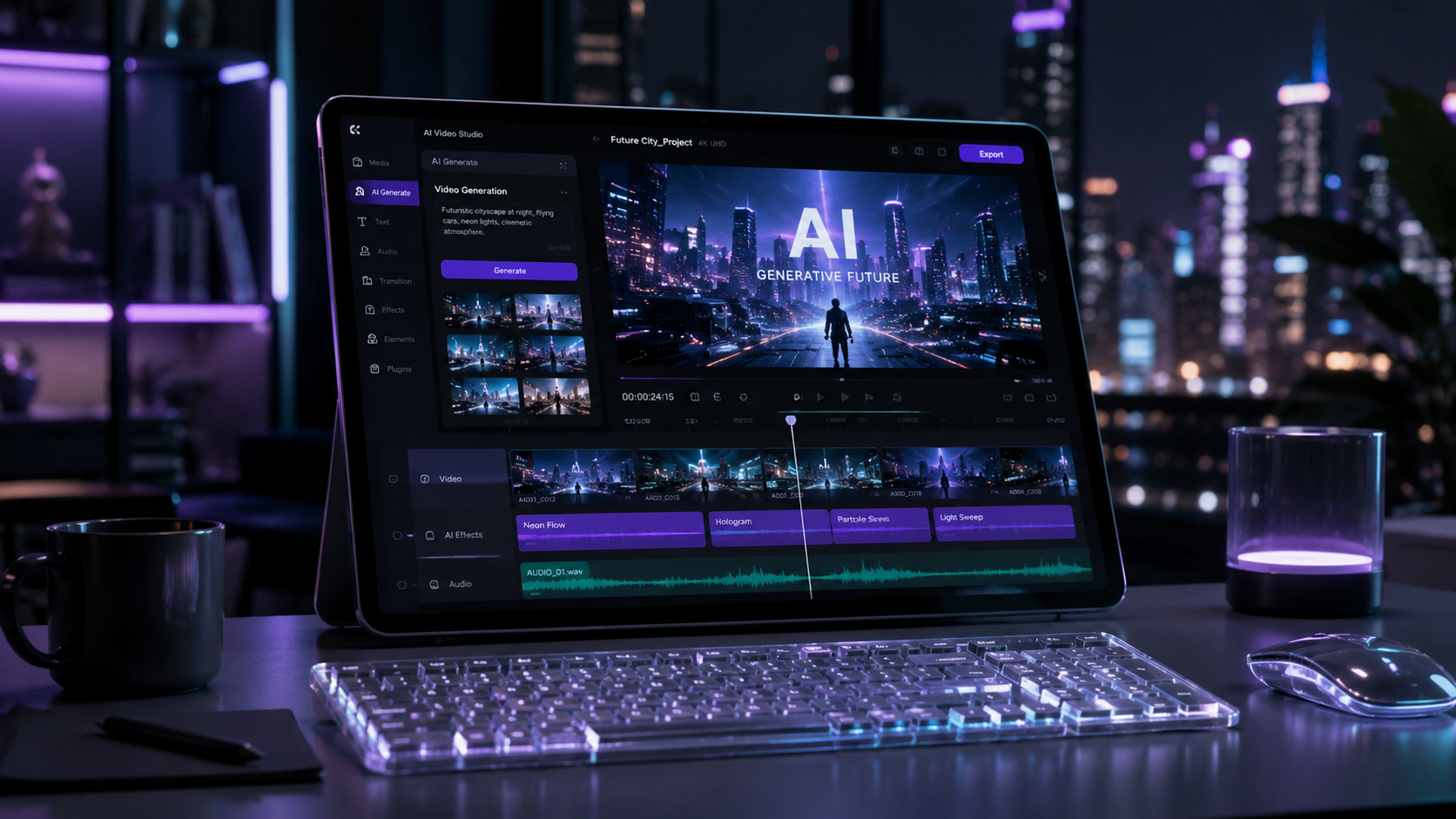
1. OpenAI Sora (2026 Pro Version)
Sora remains the gold standard for high-fidelity video generation. In 2026, the Pro version allows for consistent character rendering across multiple scenes, which is essential for faceless storytelling. It can generate up to 2 minutes of continuous 1080p footage from a single prompt, making it ideal for documentary-style channels.
2. Suno AI (v5)
As noted by Live Music Blog, Suno AI is the primary engine behind the 2026 surge in viral faceless music channels. It generates full-length songs with vocals and instrumentation. Creators are pairing Suno’s tracks with audio-reactive visuals to dominate the "Study Beats" and "Viral Parody" niches.
3. ElevenLabs Multi-Modal
ElevenLabs has evolved beyond simple text-to-speech. Its 2026 suite includes "Speech-to-Emotion," allowing creators to dictate the exact inflection and emotional weight of a script. This is the tool of choice for faceless channels that require high-energy commentary or dramatic narration.
4. Kling AI
Kling has emerged as a powerful competitor in the text-to-video space, offering superior physics simulations. For channels focusing on "oddly satisfying" content—like the viral epoxy flooring videos mentioned by Mshale—Kling’s ability to simulate liquid and texture is unmatched.
5. Runway Gen-4
Runway Gen-4 introduces "Director Mode," which gives creators granular control over camera movement and lighting within generated clips. It is frequently used for high-end faceless travel or "Top 10" channels that require a cinematic aesthetic without stock footage.
6. Midjourney v7
While primarily an image generator, Midjourney v7’s "Zoom Out" and "Pan" features are used to create parallax animations for faceless history and mystery channels. Its ability to maintain hyper-realistic detail makes it the best tool for creating custom thumbnails that drive high click-through rates (CTR).
7. InVideo AI
InVideo AI acts as an all-in-one co-pilot. You provide a topic, and it handles the script, voiceover, and stock footage assembly. It is the preferred tool for beginners looking to enter the "AI slop" market quickly, as it automates the entire editing timeline.
8. HeyGen (Avatar 3.0)
For faceless channels that still want a "human" presence, HeyGen provides hyper-realistic AI avatars. In 2026, these avatars feature micro-expressions and natural body language, making them perfect for educational or corporate-style faceless channels where a "host" adds authority.
9. Adobe Premiere Pro (AI-Integrated)
Adobe’s 2026 update includes "Generative Extend," which allows editors to lengthen any clip by generating new frames. This is a lifesaver for faceless creators who need to stretch a 5-second stock clip to fit a 10-second script segment.
10. Jasper AI
Jasper remains a powerhouse for scriptwriting. Its "YouTube Viral Hook" templates are specifically tuned to the 2026 algorithm, ensuring that the first 5 seconds of your faceless video maximize viewer retention.
11. Leonardo.ai
Leonardo is utilized for "Motion Art." It can take a static image and turn it into a looping 4K background. This is a staple for faceless "Philosophy" or "Meditation" channels that require beautiful, non-distracting visuals.
12. Descript (Underlord)
Descript’s "Underlord" AI assistant handles the tedious parts of faceless video production, such as removing filler words, adding automated subtitles, and "Eye Contact" correction (though less relevant for faceless, its studio sound feature is vital for audio quality).
13. CapCut Desktop (Pro AI)
CapCut’s 2026 AI features include "Auto-Reframe" and "Script-to-Shorts." As TyN Magazine points out, this is the leading tool for creating viral faceless Shorts, allowing creators to batch-produce 20-30 videos in a single afternoon.
14. VidIQ (Vision 2026)
Success in the faceless space requires data. VidIQ’s 2026 AI predicts which niches are about to explode. It was instrumental for creators who "cloned" the $32k/month Lakers niche by identifying the trend 48 hours before it peaked.
15. Canva Magic Studio
Canva has become an essential tool for faceless creators to build brand kits and automated templates. Its "Magic Switch" feature allows you to turn one faceless YouTube video into a series of Pinterest pins and TikToks instantly.
Comparison of Leading AI Video Tools
| Tool Name | Primary Use Case | Best Feature (2026) | Pricing Tier |
|---|---|---|---|
| Sora Pro | Cinematic Storytelling | Physics-consistent motion | Enterprise/Pro |
| Suno AI | Music Channels | Audio-reactive video sync | Freemium |
| Kling AI | Realistic Simulations | High-fidelity textures | Subscription |
| InVideo AI | Rapid Prototyping | Full automation from prompt | Free/Paid |
| CapCut | YouTube Shorts | Viral transition AI | Free/Pro |
Niche Selection and Revenue Potential
The profitability of ai tools for faceless youtube channels depends heavily on the chosen niche. According to Mshale, niche cloning—such as the Lakers viral news channel—can generate up to $32,000 per month. These channels succeed because they provide timely, high-interest information without the overhead of a traditional production team.
Another emerging trend is the "Epoxy Flooring" or "DIY Simulation" niche. By using tools like Kling or Sora, creators can generate visually stunning "how-to" videos for processes that are expensive or difficult to film in real life. These videos often go viral due to their "oddly satisfying" nature, attracting massive ad revenue from a global audience.
Maximizing Retention with AI Audio
Visuals may grab attention, but audio keeps it. The 2026 landscape for faceless channels is dominated by those who master the "audio-visual" sync. Live Music Blog highlights that starting a viral music channel now requires "audio-reactive" videos, where the AI visuals pulse and change in real-time based on the beat of the music generated by Suno or Udio.
High-quality voiceovers are equally critical. Using ai tools for faceless youtube channels like ElevenLabs ensures that the narration doesn't sound "robotic," which is a common reason for viewer drop-off. By using "Speech-to-Speech" technology, creators can record their own rough take and have the AI transform it into a professional, studio-quality voiceover in any language, facilitating global channel expansion.
Frequently Asked Questions
Is it still possible to make money with faceless channels in 2026?
Yes, faceless channels remain highly profitable. Some creators are earning over $700,000 a year by utilizing AI to produce high volumes of content in "low-effort, high-reward" niches often referred to as AI slop.
Which AI tool is best for generating YouTube Shorts?
CapCut and InVideo AI are currently the best tools for Shorts. They offer "Script-to-Short" features that automatically trim, caption, and format videos for the vertical 9:16 aspect ratio favored by the YouTube algorithm.
Do I need a powerful computer to use these AI tools?
No, most 2026 AI tools are cloud-based. Since the heavy processing is done on the software provider's servers, you can run an entire faceless empire from a standard laptop or even a tablet.
How do I avoid "AI detection" on YouTube?
YouTube focuses on "Added Value" rather than just the origin of the content. By using AI to create unique scripts and high-quality visuals, and then manually reviewing the final edit, you ensure the content meets YouTube's monetization guidelines.
What is "Niche Cloning" in the context of AI?
Niche cloning is a strategy where creators use AI tools to replicate the format and success of a high-performing channel. For example, if a sports news channel is viral, a creator can use AI to produce similar updates at a faster rate and lower cost.



Comments ()