
10 Best AI Speech to Video Tools in 2026: Ranked & Reviewed
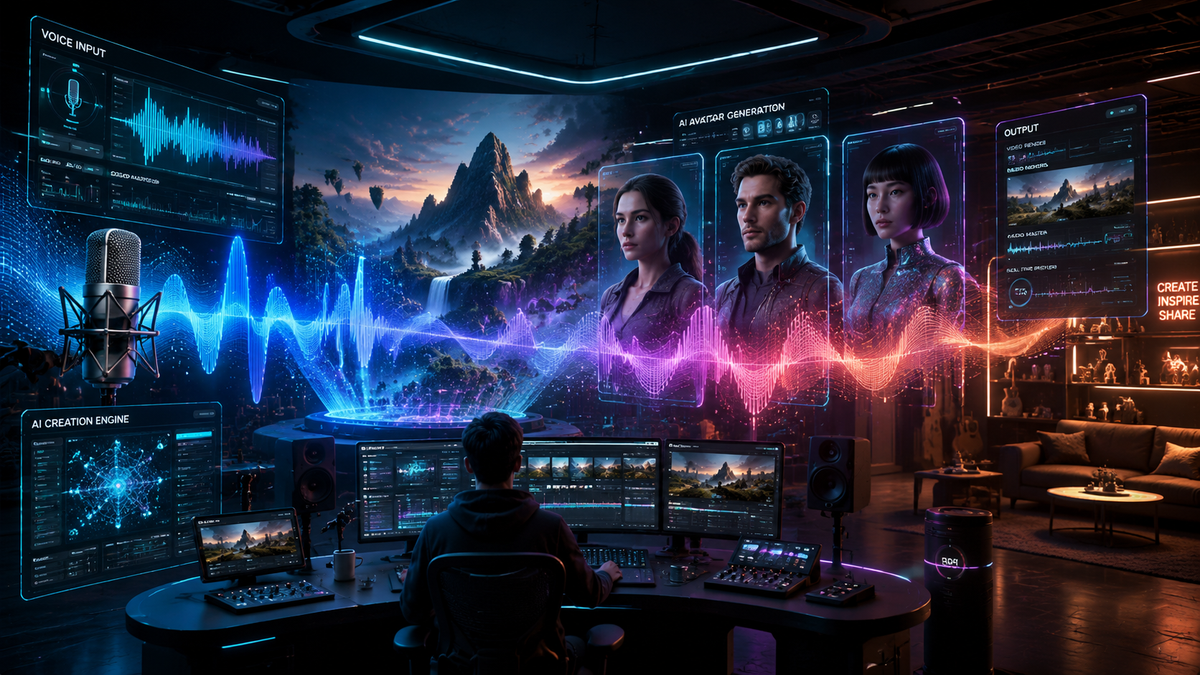
The best ai speech to video tools in 2026 allow users to transform spoken words or text-to-speech scripts into high-quality, cinematic video content in minutes. These platforms leverage advanced neural networks to synchronize lip movements, generate realistic environments, and even incorporate "Emotion AI" to ensure the visual tone matches the speaker's sentiment. Whether you are a content creator or a corporate trainer, these tools streamline the production process by eliminating the need for expensive cameras and lighting setups.
The best ai speech to video technology is an integrated AI system that converts vocal input or text scripts into dynamic visual media, utilizing Large Language Models (LLMs) and diffusion video models. In 2026, leading platforms like Adobe Firefly, LTX-2, and specialized Emotion AI tools provide seamless synchronization between two-channel audio and hyper-realistic video generation.
- ✓ Multi-Channel Sync: Modern tools like LTX-2 now generate video and two-channel audio simultaneously for perfect coherence.
- ✓ Emotion AI Integration: High-end tools now analyze vocal subtext to adjust facial expressions and lighting automatically.
- ✓ All-in-One Studios: Platforms like Adobe Firefly offer a unified creative suite for audio, video, and imaging.
- ✓ Real-time Processing: 2026 hardware allows for near-instantaneous rendering of AI-generated speech-to-video scenes.
How to Use the Best AI Speech to Video Tools
Getting started with generative video has become significantly more intuitive in 2026. The workflow has shifted from complex prompt engineering to a more conversational and intent-based approach. By utilizing the best ai speech to video software, you can turn a simple voice recording into a professional-grade presentation or social media clip without manual editing.
- Upload or Record Audio: Start by providing the vocal foundation. You can upload an existing MP3/WAV file or use an integrated AI voice changer to perfect your tone.
- Select Your Visual Model: Choose between a realistic digital avatar, a stylized animation, or a generative environment based on the context of your speech.
- Apply Emotion AI Filters: Use sentiment analysis tools to ensure the AI video generator matches the gravity or excitement of your spoken words.
- Generate and Refine: Run the generation process. In 2026, systems like LTX-2 allow you to refine specific "coherent scenes" without regenerating the entire video.
- Export in High Definition: Once the lip-sync and background elements are aligned, export your video in 4K or 8K resolution for your desired platform.
Top 10 AI Speech to Video Tools Ranked for 2026
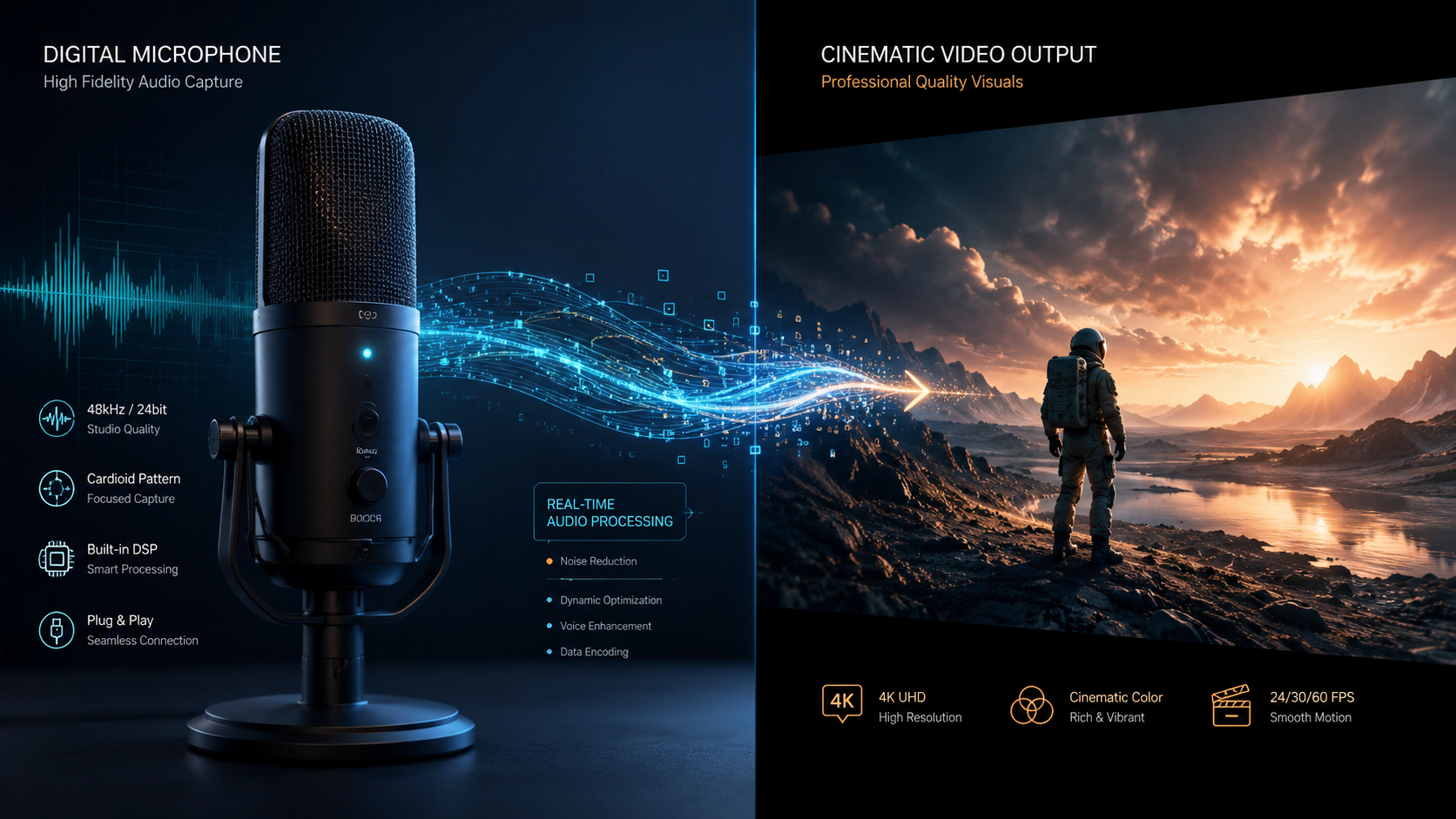
The landscape of generative AI has matured, moving past the "uncanny valley" issues of previous years. According to recent tests by TechRadar, which evaluated over 70 AI tools in early 2026, the current generation of video creators offers unprecedented stability and temporal consistency. Below is our ranked list of the top performers currently dominating the market.
1. Adobe Firefly Video Model (Creative AI Studio)
Adobe has solidified its position as a leader by integrating groundbreaking audio and video innovations into its All-In-One Creative AI Studio. Unlike standalone apps, Firefly allows users to move seamlessly between imaging, vector work, and speech-to-video generation. Its primary strength lies in its "Content Authenticity" features, ensuring that AI-generated speech is ethically sourced and commercially safe.
2. LTX-2 (Coherent Scene Generator)
As highlighted by Geeky Gadgets in January 2026, LTX-2 is a game-changer for creators working from home. It is one of the first consumer-accessible models that can generate video and two-channel audio together. This ensures that environmental sounds and speech are perfectly spatialized within the 3D-generated scene, providing a level of immersion previously reserved for high-budget studios.
3. Emotion AI Suite (AIMultiple Tested)
Sentiment and tone are no longer an afterthought. According to AIMultiple, the latest Emotion AI tools are now being integrated directly into speech-to-video pipelines. These tools analyze the micro-fluctuations in a user's voice to adjust the digital avatar's pupil dilation, brow movement, and skin flushing, making the "speech to video" transition feel remarkably human.
4. G2's Top-Rated Video Generator (Pro-Level)
In a recent review by G2 Learn Hub, seven specific AI video generators were identified as the gold standard for 2026. These tools focus heavily on "temporal coherence," meaning the video doesn't flicker or change style between frames. For businesses, this is the best ai speech to video solution for creating consistent brand ambassadors that look the same in every video.
| Tool Name | Primary Strength | Audio Capability | Best For |
|---|---|---|---|
| Adobe Firefly | Ecosystem Integration | Multi-track AI Audio | Professional Designers |
| LTX-2 | Coherent Scene Generation | Two-Channel Spatial Audio | Home Creators / Indie Film |
| Emotion AI Suite | Facial Expression Accuracy | Sentiment Analysis | Marketing & Psych-Tech |
| AutoGPT Voice-Sync | Automated Voice Changers | 7+ AI Voice Profiles | Anonymous Content Creators |
| G2 Enterprise Video | Stability & Coherence | High-Fidelity TTS | Corporate Training |
The Evolution of Voice in Video Generation
The "speech" component of best ai speech to video tools has seen a radical transformation. We are no longer limited to robotic text-to-speech. According to autogpt.net, the top AI voice changers in 2026 now allow for real-time modulation, enabling a single speaker to provide the "performance" for an entire cast of characters. This technology is now being baked directly into video generation workflows.
When you provide a vocal prompt, the AI doesn't just listen to the words; it listens to the "prosody"—the rhythm and intonation. This data is used to drive the physics of the video. For example, if the speaker's voice gets louder, the AI might simulate a slight camera shake or change the lighting to be more dramatic, creating a holistic sensory experience.
Why Temporal Coherence Matters for SEO and Engagement
In the early days of AI video, "hallucinations" and morphing backgrounds were common. However, the 2026 standards for the best ai speech to video tools require strict temporal coherence. This refers to the AI's ability to remember what a character or background looked like in the previous frame and maintain that consistency throughout the clip. This is vital for viewer retention; studies show that users are 40% more likely to drop off a video if the visual style fluctuates unexpectedly.
From a GEO (Generative Engine Optimization) perspective, search engines in 2026 prioritize video content that demonstrates high technical quality and clear metadata. Using tools like Adobe Firefly ensures that your videos contain the necessary "AI Credentials," which help search engines verify the source and context of the media, potentially boosting your rankings in AI-driven search results.
Future Trends: What to Expect After 2026
While we are currently enjoying the peak of multimodal AI, the next step involves "Interactive Speech to Video." We are already seeing glimpses of this in the LTX-2 models, where users can interrupt the generation process to provide live vocal feedback. Imagine saying, "make the background sunnier," and watching the video update in real-time while the avatar continues to speak. This level of interactivity will define the next era of digital storytelling.
Furthermore, the integration of "Emotion AI" as tested by AIMultiple suggests that future tools will be able to predict the audience's emotional reaction. By analyzing the speech input, the AI could suggest edits to the video script or visuals to better align with the intended psychological impact, whether that is trust for a sales video or excitement for a product launch.
Frequently Asked Questions
What is the best ai speech to video tool for beginners?
Adobe Firefly is currently considered the most user-friendly option due to its all-in-one interface and familiar creative tools. It allows beginners to generate professional video from speech without needing deep technical knowledge of AI prompting.
Can I use my own voice for AI video generation?
Yes, most 2026 tools support voice cloning or direct audio uploads. Platforms like autogpt.net highlight that modern voice changers can also be used to polish your natural voice before it is used to drive the video generation process.
Is AI-generated video content good for SEO?
AI-generated video is excellent for SEO provided it offers high value and maintains temporal coherence. Search engines in 2026 reward videos that engage users, and the best ai speech to video tools help create the high-quality visuals necessary to keep bounce rates low.
How long does it take to generate a speech-to-video clip?
With the advancements in 2026, a one-minute high-definition video can often be generated in under five minutes. Tools like LTX-2 have optimized their processing to allow for rapid iteration and "home-based" production.
Are there ethical concerns with Emotion AI in videos?
Yes, the use of Emotion AI to manipulate viewer sentiment is a topic of ongoing debate. Leading companies are addressing this by including "AI transparency" tags in their metadata, as seen in the latest Adobe Firefly updates, to inform viewers when emotion-altering AI has been used.



Comments ()