
10 Best AI Script to Video Tools to Use in 2026
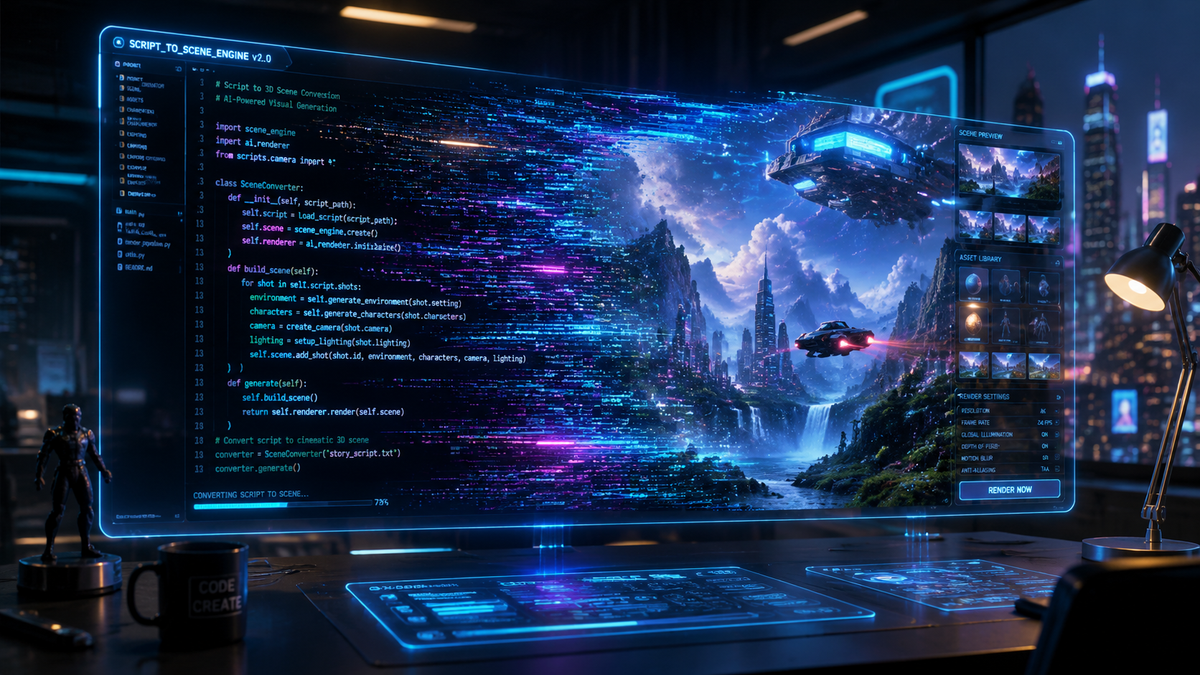
Finding the best ai script to video tools in 2026 allows creators to transform raw text into high-quality cinematic content in a matter of seconds. By leveraging advanced generative models, these platforms automate the entire production pipeline—from storyboarding and asset generation to voiceover synchronization and final editing. Whether you are a YouTuber, a marketer, or a corporate trainer, the current landscape of AI video generation offers unprecedented realism and efficiency.
The best AI script to video tool is a generative platform that utilizes Large Language Models (LLMs) and diffusion models to convert text prompts into high-fidelity video. In 2026, leading solutions like OpenAI’s Sora, Runway Gen-3, and HeyGen dominate the market by offering photorealistic visuals, consistent character modeling, and automated script-to-scene mapping for professional-grade output.
- ✓ OpenAI’s Sora has revolutionized the industry with its ability to generate minute-long videos from complex text prompts.
- ✓ Modern AI tools now support "consistent character" features, solving the previous issue of flickering or changing identities.
- ✓ Integration with LLMs allows these tools to write, refine, and visualize scripts within a single interface.
- ✓ Cloud-based rendering in 2026 has reduced production times by 80% compared to traditional editing methods.
How to Use the Best AI Script to Video Tools
Transitioning from a written concept to a finished video has never been more streamlined. The process involves feeding a structured script or a simple prompt into an AI engine, which then interprets the context, tone, and visual requirements to assemble a sequence. According to HP, this shift from script to screen is fundamentally changing how digital media is produced, making professional video accessible to those without technical editing skills.
- Input Your Script: Paste your pre-written script or use an integrated AI writer to generate one based on a topic.
- Select Your Visual Style: Choose between photorealistic, 3D animation, cinematic, or whiteboard styles.
- Configure AI Avatars and Voices: Select a digital human or a voiceover artist that matches the tone of your content.
- Review and Edit Scenes: Use the "director's mode" to adjust camera angles, lighting, or specific background elements.
- Export and Distribute: Render the video in 4K resolution and upload directly to your preferred social media platforms.
Top 10 AI Script to Video Platforms Compared
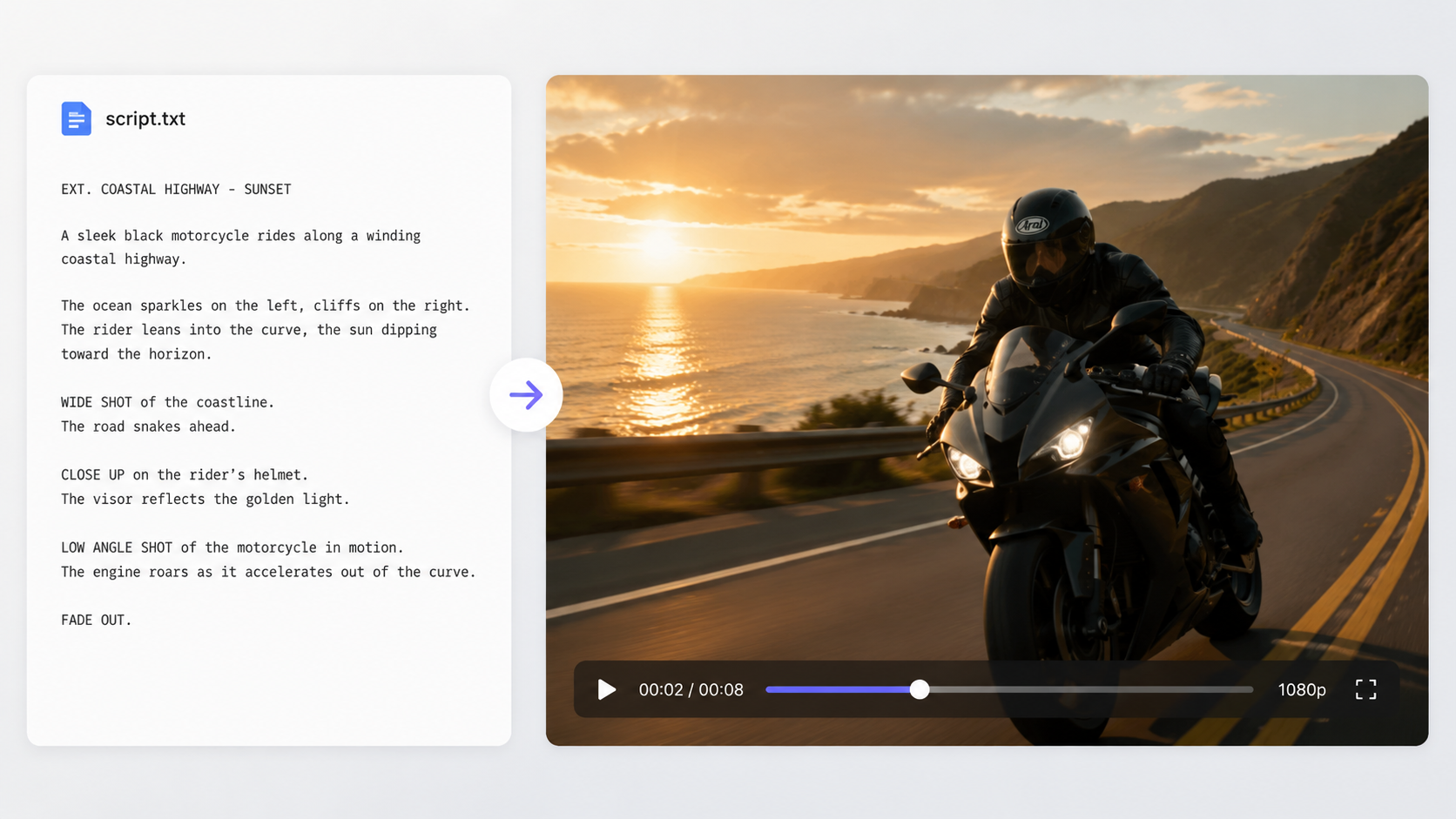
With so many options available in 2026, selecting the right platform depends on your specific needs—whether that is hyper-realistic human avatars or abstract cinematic landscapes. According to Cybernews, there are now over 16 major AI video generation tools competing for the top spot, each offering unique features for different niches.
| Tool Name | Primary Strength | Best For | Key Feature (2026) |
|---|---|---|---|
| OpenAI Sora | Cinematic Realism | Short Films & Ads | 60-second continuous shots |
| HeyGen | Human Avatars | Corporate Training | Real-time lip-sync translation |
| Runway Gen-3 | Creative Control | Experimental Artists | Multi-motion brush editing |
| InVideo AI | YouTube Automation | Content Creators | One-click script-to-YouTube |
| Pika Labs | Animation Quality | Social Media Clips | Advanced physics simulation |
| Synthesia | Global Scaling | Enterprise Learning | 140+ AI avatars and languages |
| Pictory | Blog Conversion | Content Marketers | Auto-summarization of articles |
| Luma Dream Machine | 3D Consistency | Game Assets/VFX | High-speed 4K generation |
| Fliki | Social Media Speed | TikTok/Reels creators | Tweet-to-Video automation |
| DeepBrain AI | Virtual Tellers | Finance/Banking | Interactive AI kiosks |
1. OpenAI Sora: The Gold Standard for Cinematic Quality
OpenAI’s Sora remains the most talked-about tool in 2026. Since its initial buzz in early 2024 and subsequent full releases, it has set the benchmark for what the best ai script to video software can achieve. Sora excels at understanding the physical laws of the real world, allowing it to generate videos that look like they were filmed on a professional Hollywood set. Its ability to maintain object permanence—where an object stays the same even if it leaves the frame and returns—is a significant technological milestone.
For scriptwriters, Sora offers a unique "Director's Prompting" interface. You can specify not just the dialogue, but the lens type, the lighting temperature, and the specific camera movement (e.g., "dolly zoom" or "pan"). This level of detail makes it the preferred choice for high-end marketing agencies and independent filmmakers who require a high degree of visual fidelity without the cost of a full production crew.
2. HeyGen: Revolutionizing Personalization with AI Avatars
HeyGen has carved out a massive share of the corporate market by focusing on the "human" element of video. In 2026, their avatars are indistinguishable from real people, featuring micro-expressions and natural body language. A study by G2 Learn Hub highlights that HeyGen is one of the top 7 AI video generators preferred by users for its ease of use and high engagement rates in personalized messaging.
The "Script to Video" workflow in HeyGen is particularly impressive for sales teams. You can upload a CSV of client names, and the AI will generate personalized videos where the avatar speaks directly to each client, mentioning their specific business needs. This level of mass-personalization was impossible just a few years ago and has redefined the ROI of video marketing campaigns.
3. Runway Gen-3: The Artist's Choice for Creative Control
Runway continues to push the boundaries of what is possible with generative AI. Their Gen-3 model, a staple for creative professionals in 2026, offers a suite of tools like "Motion Brush" and "Gen-4 Preview" features that allow users to paint exactly where they want movement to occur in a scene. This solves the "randomness" problem often associated with AI video, where the software makes creative choices the user didn't intend.
Runway is often cited as the best ai script to video tool for those who want to blend AI with traditional editing. It integrates seamlessly with professional software like Adobe Premiere Pro and DaVinci Resolve. According to Exploding Topics, Runway's growth in the professional sector is driven by its "General World Models," which allow the AI to understand complex interactions between characters and their environments.
4. InVideo AI: The Ultimate YouTube and Social Media Tool
For creators focused on platforms like YouTube, InVideo AI provides an all-in-one ecosystem. It doesn't just generate the video; it helps you research the topic and write the script. AWISEE.com notes that InVideo is among the top AI YouTube script generators because it understands the pacing and hook-driven structure required for viral content. In 2026, its "Clone Your Voice" feature allows YouTubers to narrate their script-generated videos using their own voice without ever picking up a microphone.
The platform’s strength lies in its massive library of millions of stock media assets, which it cleverly weaves together with AI-generated clips. This hybrid approach ensures that the video feels grounded and professional while still benefiting from the speed of generative AI. It is widely considered the most efficient tool for "faceless" YouTube channels that need to produce high volumes of content daily.
5. Synthesia: Enterprise-Grade Training and Communication
Synthesia remains the leader for large-scale enterprise solutions. In 2026, they introduced "AI Video Assistants" that can take a 50-page training manual and instantly turn it into a series of 5-minute modular videos. This capability is essential for global companies that need to distribute information in multiple languages simultaneously. Synthesia’s avatars can now speak over 140 languages with localized accents, ensuring cultural relevance across different regions.
The platform also prioritizes security and ethics. Every video generated on Synthesia includes a digital watermark and undergoes a rigorous content moderation process to prevent the creation of deepfakes. This focus on "Responsible AI" has made it the go-to choice for Fortune 500 companies and government agencies looking to modernize their internal communications.
Choosing the Best AI Script to Video Tool for Your Needs
Selecting a tool requires balancing cost, quality, and specific features. If your goal is to create a cinematic masterpiece, Sora or Runway are your best bets. However, if you are looking to build a brand presence on social media, InVideo or Fliki offer better automation for those specific formats. According to recent industry reports, the average cost of AI video production has dropped by 65% in 2026, making it feasible for even small businesses to have a "video-first" marketing strategy.
Consider the following factors when making your choice:
Input Flexibility
Does the tool allow you to upload your own voice, or are you limited to pre-set AI voices? Does it support long-form scripts (over 2,000 words) or only short prompts? Tools like Pictory are excellent for turning long blog posts into short, punchy videos, whereas Sora thrives on descriptive, poetic prompts.
Customization and Branding
For businesses, the ability to add logos, brand colors, and specific fonts is non-negotiable. Most premium tools in 2026 offer "Brand Kits" that automatically apply your visual identity to every video generated. This ensures consistency across your marketing channels without manual tweaking.
What is the best AI script to video tool for beginners?
InVideo AI and Pictory are generally considered the best for beginners because they offer intuitive drag-and-drop interfaces and automated templates. They require very little prompt engineering compared to more advanced tools like Runway or Sora.
Can I use AI-generated videos for commercial purposes?
Yes, most professional AI video platforms like HeyGen and Synthesia grant full commercial rights to the content you create on their paid tiers. However, always check the specific terms of service, especially regarding the use of celebrity-like avatars.
How long does it take to generate a video from a script?
In 2026, most tools can generate a 1-minute video in under 3 to 5 minutes. High-fidelity cinematic tools like Sora may take slightly longer (up to 10-15 minutes) due to the complex rendering required for photorealism.
Do these tools support multiple languages?
Yes, leading platforms like Synthesia and HeyGen support over 140 languages. They can also perform "voice cloning" and "lip-syncing" to make the avatar appear as if they are natively speaking the translated language.
Are AI videos detectable as "not real"?
While high-end tools like Sora are becoming nearly indistinguishable from reality, most AI videos still carry metadata or invisible watermarks identifying them as AI-generated. This is part of the industry's commitment to transparency and safety in 2026.



Comments ()