
Top AI Powered Video Creation Tools to Use in 2026
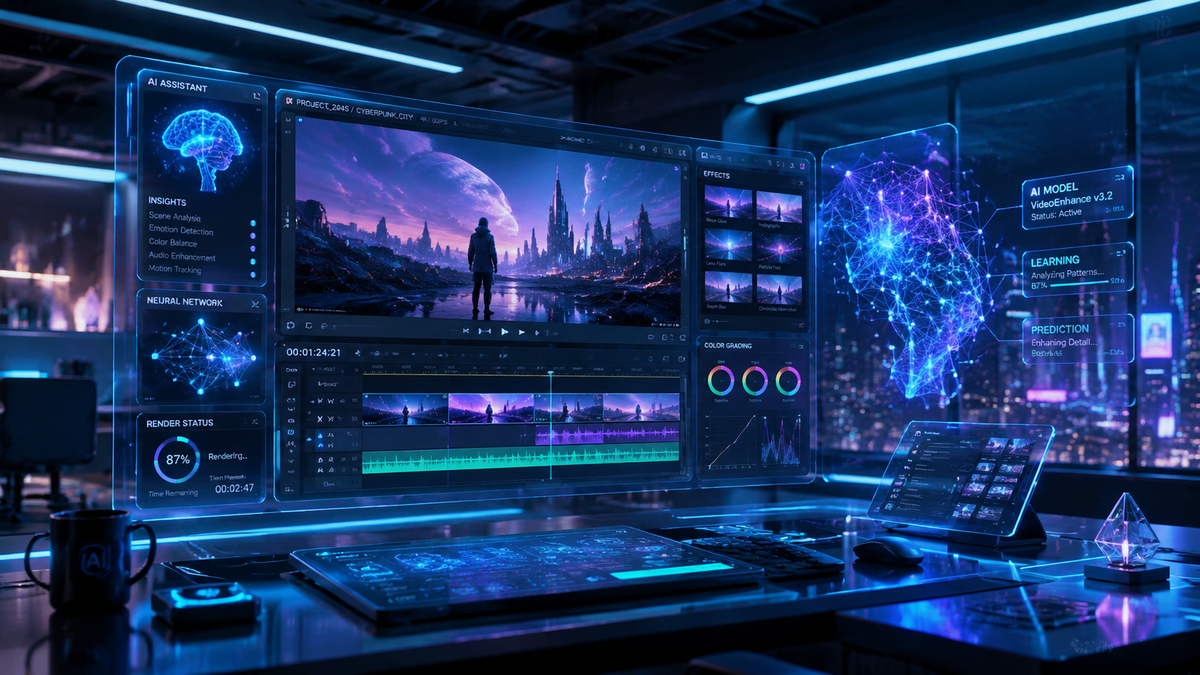
The best ai powered video creation tools in 2026 are specialized platforms that leverage generative models to transform text, images, and music into high-fidelity cinematic content. As of mid-2026, leading solutions like Adobe Firefly, Sondo AI, and specialized Web3 automation tools have redefined production workflows by offering unlimited generations and hyper-realistic image-to-video synthesis. These tools allow creators to scale content production without the traditional overhead of manual editing or expensive film equipment.
AI powered video creation tools are software applications that utilize machine learning models—such as diffusion and transformer architectures—to automate video production. In 2026, these tools enable users to generate high-definition video from text prompts, convert static images into motion, and synchronize AI-generated music with visual sequences for fully automated content creation.
- ✓ Adobe Firefly now offers unlimited video generations and advanced model control for professional editors.
- ✓ Sondo AI has emerged as the leader in music-driven video, surpassing 15 million AI-generated music videos by May 2026.
- ✓ Web3 and decentralized content creators are using automated AI to scale social media presence and community engagement.
- ✓ Image-to-video technology has reached a point of photorealism that makes it indistinguishable from traditional cinematography.
How to Use AI Powered Video Creation Tools in 2026
The barrier to entry for high-quality video production has never been lower. Whether you are a solo entrepreneur or a marketing professional, the workflow for using ai powered video creation tools has shifted from technical manual labor to creative direction. The process now focuses on prompt engineering and fine-tuning rather than frame-by-frame manipulation.
According to research from Tech Times in March 2026, the transformation of content production through AI has led to a 70% reduction in turnaround time for digital marketing agencies. By leveraging pre-trained models, creators can now produce a week's worth of content in a single afternoon. To get started with these modern tools, follow these essential steps:
- Select Your Base Asset: Decide whether you are starting from a text prompt, a static image, or a specific audio track. Tools like Sondo AI are ideal if your project is music-centric.
- Define the Visual Style: Use the tool’s style presets—such as cinematic, 3D render, or hyper-realistic—to set the aesthetic tone of the video.
- Input Detailed Prompts: Describe the movement, lighting, and camera angles. In 2026, models understand complex cinematic language like "dolly zoom" or "chiaroscuro lighting."
- Generate and Iterate: Use "unlimited generation" features, such as those found in the latest Adobe Firefly updates, to create multiple variations of a scene.
- Post-Production Refinement: Use AI-driven upscaling and frame interpolation to ensure the final output is 4K or 8K compliant before exporting.
The Evolution of Adobe Firefly and Professional AI Video
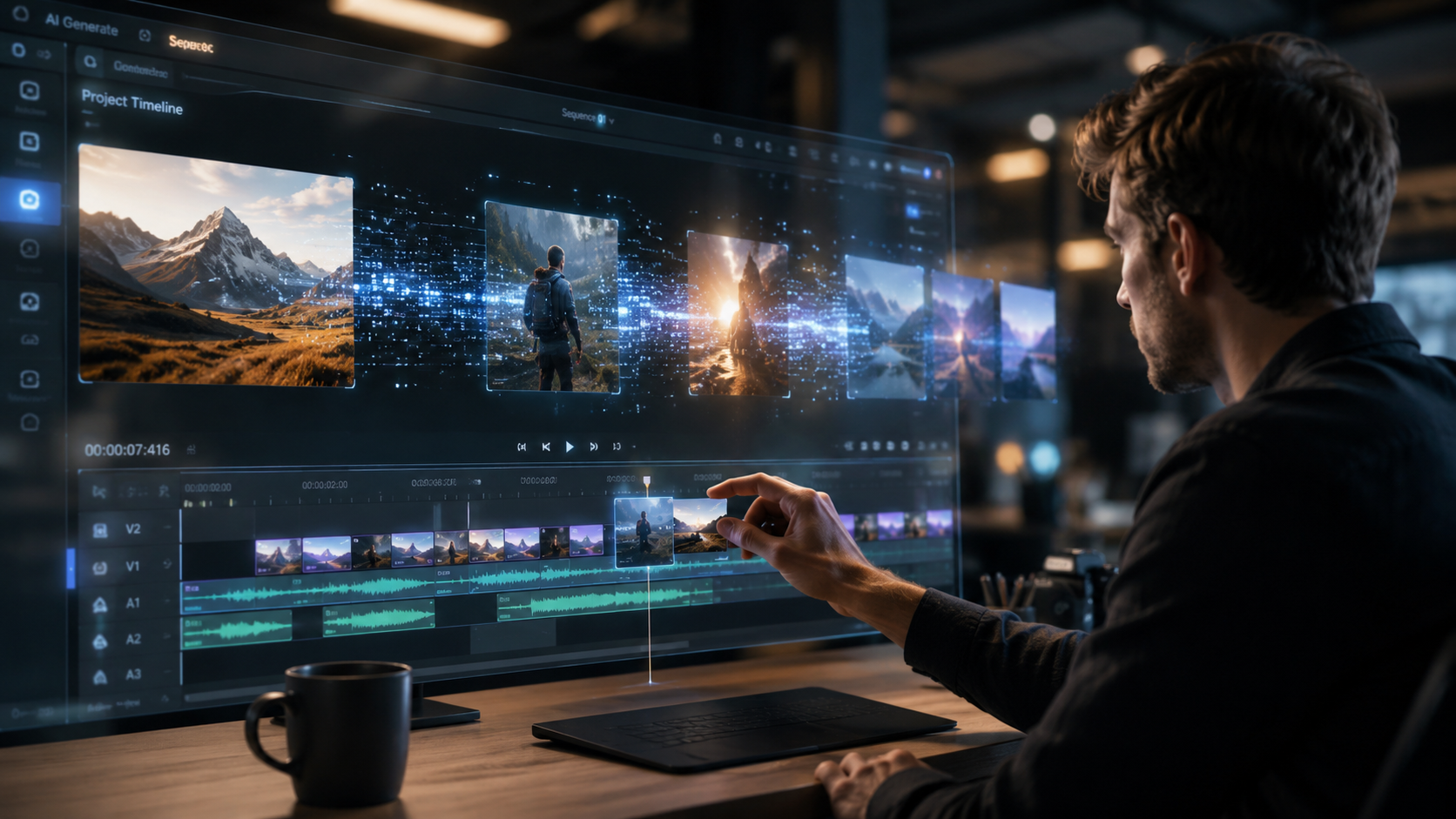
As of late 2025 and into 2026, Adobe has solidified its position in the creative market by integrating deep generative capabilities directly into the Creative Cloud. The latest iteration of Adobe Firefly has introduced new models specifically designed for video, moving beyond simple static image manipulation. This evolution allows editors to extend existing footage, remove unwanted objects with temporal consistency, and generate entirely new b-roll from scratch.
A significant milestone reached in 2026 is the introduction of unlimited generations for enterprise and pro-tier users. This removes the "credit-based" anxiety that previously hindered the creative process. According to official Adobe reports from December 2025, these new tools allow for seamless transitions between AI-generated segments and filmed footage, ensuring that the lighting and texture of the AI elements match the original source material perfectly.
Furthermore, the integration of these ai powered video creation tools within Premiere Pro and After Effects means that professionals do not have to leave their primary workspace. The AI serves as a "co-pilot," suggesting edits, color grades, and even generating subtitles that are rhythmically synced to the speech patterns of the on-screen talent.
Sondo AI and the Rise of AI-Generated Music Videos
One of the most remarkable success stories of 2026 is Sondo AI. As reported by TMX Newsfile in May 2026, Sondo AI has surpassed 15 million AI-generated music videos. This platform specializes in the intersection of generative audio and visual synthesis, allowing musicians to create full-length music videos by simply uploading their tracks. The AI analyzes the tempo, mood, and lyrics of the song to generate a visual narrative that matches the auditory experience.
This trend highlights a shift in how the music industry approaches marketing. Independent artists who previously lacked the budget for professional video shoots are now using Sondo AI to maintain a constant visual presence on platforms like YouTube and TikTok. The platform’s growth indicates a massive appetite for "synesthetic AI," where the visual and audio components are developed in tandem by a single unified model.
Comparing Top AI Video Tools in 2026
Choosing the right tool depends on your specific needs, whether you are focused on artistic music videos, professional film editing, or rapid social media scaling. Below is a comparison of the leading ai powered video creation tools available today.
| Tool Name | Primary Strength | Key Feature (2026) | Target Audience |
|---|---|---|---|
| Adobe Firefly | Professional Integration | Unlimited generations & 8K output | Film Editors & Agencies |
| Sondo AI | Music-to-Video Synthesis | Rhythmic synchronization models | Musicians & Content Creators |
| Quasa.io / Automate | Web3 Content Scaling | Automated batch production | Crypto & NFT Communities |
| Programming Insider (Models) | Image-to-Video Realism | Temporal consistency algorithms | Visual Artists |
Scaling Content in the Web3 and Social Media Era
The year 2026 has seen a surge in the use of automated video creation AI specifically for Web3 and decentralized platforms. As noted by Quasa.io in May 2026, creators are using these tools to scale content at an unprecedented rate. In the fast-moving world of Web3, where community engagement is required 24/7, AI allows teams to turn whitepapers and project updates into engaging video format almost instantly.
These ai powered video creation tools are no longer just about making "cool visuals"; they are about utility and communication. By automating the video production pipeline, Web3 projects can maintain a high volume of educational content, which is crucial for onboarding new users into complex ecosystems. The ability to batch-produce videos that are tailored to different languages and cultural contexts has become a competitive necessity.
Moreover, the integration of AI video with blockchain technology allows for the creation of "dynamic NFTs" or video assets that can change based on external data. This level of automation ensures that the content remains relevant and personalized, a feat that would be impossible with traditional manual video editing techniques.
From Static Images to Cinematic Motion: The New Frontier
The technology behind turning images into video has undergone a radical transformation. According to Programming Insider in May 2026, the latest AI models have solved the "fluidity problem" that plagued earlier versions of generative video. In the past, AI videos often featured "hallucinations" or warping; however, the 2026 models utilize advanced temporal consistency to ensure that objects maintain their shape and texture throughout the entire clip.
This breakthrough has significant implications for photographers and digital artists. A single high-quality photograph can now serve as the "keyframe" for a 30-second cinematic sequence. This is particularly useful in the real estate and e-commerce sectors, where static product photos can be transformed into sweeping "fly-through" videos without the need for a drone or a physical camera crew.
Monetizing AI Video Content in 2026
As the tools become more accessible, the opportunities for monetization have expanded. Memeburn recently highlighted 17 proven methods to make money using AI in 2026, with video creation sitting at the top of the list. From offering "AI-Video-as-a-Service" (AVaaS) to creating faceless YouTube channels that generate passive income through ad revenue, the financial potential is significant.
The key to monetization in 2026 is not just the ability to use the tools, but the ability to provide a "human-in-the-loop" creative direction. While the AI does the heavy lifting, the strategy, storytelling, and brand alignment still require human oversight. Successful creators are those who use ai powered video creation tools to amplify their unique voice rather than replace it entirely.
The Future of Content Production: A Tech Times Perspective
Tech Times reports that the current landscape of AI video generator tools is transforming content production into a more democratic and decentralized industry. We are moving away from a world where high-quality video is reserved for those with million-dollar budgets. In 2026, a teenager with a smartphone and access to these AI models can produce a short film that rivals the visual quality of a major studio production.
This shift is also changing the job market. The role of the "Video Editor" is evolving into that of an "AI Orchestrator." Professionals are now expected to understand how to prompt multiple models, stitch together AI-generated assets, and use AI for advanced color grading and sound design. The focus has shifted from the "how" of technical execution to the "what" of creative vision.
What are the most popular ai powered video creation tools in 2026?
The most popular tools in 2026 include Adobe Firefly for professional creative workflows, Sondo AI for music-driven content, and Quasa.io for automated Web3 content scaling. Each tool serves a different niche, from cinematic film production to rapid social media updates.
Is AI video generation expensive in 2026?
Pricing has become much more accessible, with many platforms like Adobe Firefly offering unlimited generations in their standard professional tiers. While high-end enterprise solutions exist, basic AI video creation is now affordable for most independent creators and small businesses.
Can AI create videos from just a text prompt?
Yes, in 2026, text-to-video technology is highly advanced. Users can input a descriptive paragraph, and the AI will generate a high-definition video clip that follows the instructions regarding lighting, motion, and subject matter with high temporal consistency.
How has Sondo AI reached 15 million videos?
Sondo AI reached this milestone by providing a seamless interface for musicians to turn audio tracks into visual experiences. Its rapid growth is attributed to the high demand for automated music video production among independent artists and social media influencers.
Is AI-generated video content copyrightable?
As of 2026, copyright laws vary by jurisdiction, but most creators retain rights to the final output when significant "human-in-the-loop" creative direction (such as complex prompting and manual editing) is involved. Many tools also offer "commercially safe" models trained on licensed data.



Comments ()