
Automated AI Video Creation for Businesses: 2026 Trends

Automated AI video creation for businesses is the use of artificial intelligence technologies to generate, edit, and optimize professional-grade video content with minimal manual intervention. In 2026, this technology has evolved from simple template-based tools into sophisticated generative engines capable of producing hyper-personalized, cinematic-quality marketing and training assets in real-time. By leveraging automated ai video creation for businesses, organizations can scale their digital presence across multiple platforms while reducing production costs and time-to-market by up to 90%.
Automated AI video creation for businesses is a transformative workflow where generative models handle scriptwriting, visual synthesis, and voiceovers. In 2026, it is defined by real-time rendering and "digital twin" technology, allowing brands to produce thousands of unique video variations instantly for personalized customer journeys, internal training, and global social media campaigns at an enterprise scale.
- ✓ The AI video market is experiencing a massive enterprise growth surge of 36.2%, according to Market.us Scoop.
- ✓ Modern platforms now support "Digital Twins" and real-time localization for global brand consistency.
- ✓ Automation has shifted from simple editing to full generative synthesis, including AI-driven cinematography.
- ✓ Businesses are utilizing these tools to monetize content through 17 proven methods, ranging from automated ad generation to niche video services.
How to Implement Automated AI Video Creation for Businesses
Adopting an automated video strategy requires a shift from traditional production mindsets to a data-driven, generative approach. As of May 2026, the barrier to entry has never been lower, yet the potential for high-quality output has never been higher. Businesses are no longer just "making videos"; they are architecting content systems that respond to user behavior and market trends in seconds.
- Define Your Brand Persona: Upload your brand guidelines, logos, and voice samples to your chosen AI video platform to ensure consistent output across all generated assets.
- Select a Generative Model: Choose between text-to-video, image-to-video, or "digital twin" avatars depending on whether you need marketing explainers or personalized sales messages.
- Input Data or Prompts: Feed the system your core message, a blog URL, or a product description. Advanced 2026 tools can scrape live web data to ensure content is current.
- Review and Refine: Use natural language commands to adjust lighting, pacing, or tone. The AI handles the technical rendering while you act as the creative director.
- Distribute and Optimize: Deploy the video across social channels and use integrated analytics to let the AI automatically tweak future versions based on viewer engagement.
The Evolution of AI Video Generators in 2026
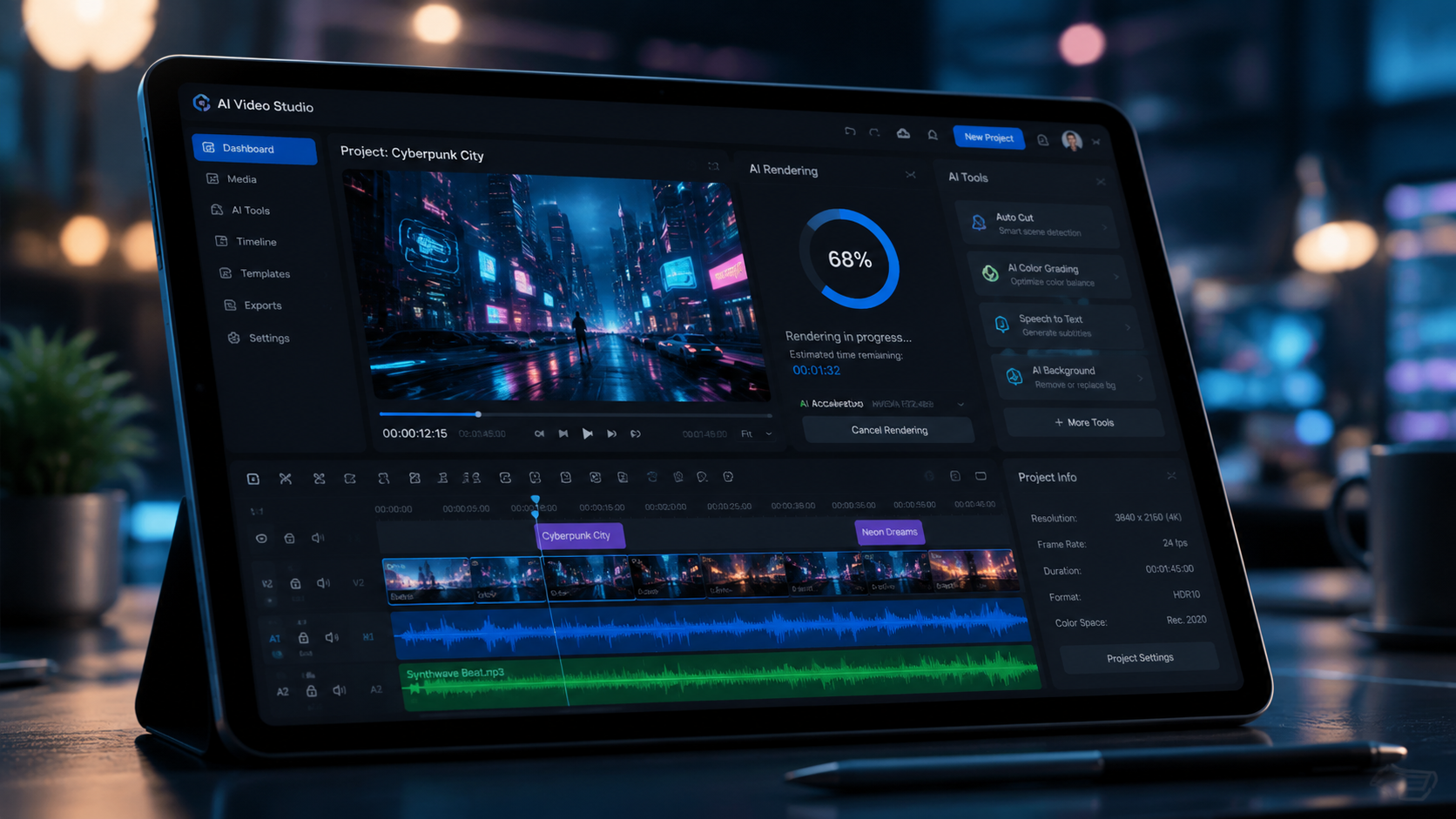
The landscape of digital content has undergone a radical transformation. According to findarticles.com, video AI generators are transforming digital content creation in 2026 by moving beyond the "uncanny valley" to produce visuals that are indistinguishable from human-shot footage. This leap in quality is driven by multi-modal LLMs that understand the nuances of human emotion and cinematic timing.
The Shift to Enterprise-Grade Synthesis
In previous years, AI video was often relegated to short social clips or low-stakes internal updates. However, The AI Journal notes that every brand now needs an AI video creation platform in 2026 to remain competitive. The current generation of tools offers "Enterprise-Grade Synthesis," which includes features like automated legal compliance checks, brand-safe asset libraries, and collaborative workspaces where human editors and AI agents work in tandem. This ensures that the automated ai video creation for businesses remains high-quality and aligned with corporate values.
Market Growth and Economic Impact
The financial justification for these tools is backed by significant market data. According to Market.us Scoop, the AI video market represents a high-growth enterprise opportunity, expanding by 36.2% annually. This growth is fueled by the demand for "just-in-time" content—videos that are created for a specific moment, such as a trending news topic or a personalized birthday greeting for a customer. Businesses are reinvesting the savings from traditional production into broader reach and more frequent touchpoints.
Comparing Top AI Video Solutions for 2026
Choosing the right platform is critical for scaling your video efforts. The "Top 10 AI Tools for Business in 2026" report by Simplilearn.com highlights that the best tools are those that integrate seamlessly into existing CRM and CMS workflows. Below is a comparison of the key features currently dominating the market.
| Feature Category | Standard AI Video (2024-2025) | Advanced Automated AI Video (2026) |
|---|---|---|
| Visual Fidelity | 720p/1080p, noticeable artifacts | 4K Ultra-HD, photorealistic physics |
| Personalization | First-name tags only | Full "Digital Twin" integration with dynamic backgrounds |
| Processing Speed | Hours for 5 minutes of video | Near real-time (Seconds for minutes of video) |
| Localization | Dubbing only | Full lip-syncing and cultural visual adaptation |
| Cost Efficiency | Pay-per-video | Enterprise API-based subscription models |
Monetization Strategies Using Automated AI Video
The ability to create high-quality video at scale has opened new revenue streams for savvy entrepreneurs and established corporations alike. Memeburn recently detailed 17 proven methods to use AI to make money in 2026, many of which center on video production. These methods range from beginner-level content creation to advanced enterprise consulting.
Automated Advertising Agencies
One of the most lucrative applications of automated ai video creation for businesses is the "Automated Ad Agency" model. Instead of spending weeks on a single commercial, agencies now use AI to generate hundreds of micro-targeted video ads. These ads are tailored to specific demographics, interests, and even local weather conditions, resulting in significantly higher click-through rates and ROI for clients.
Niche Video Content Services
For smaller businesses, the opportunity lies in providing niche video services. This includes creating automated real estate walkthroughs, personalized "thank you" videos for e-commerce brands, and automated news summaries for local communities. By utilizing 2026-era AI tools, a single operator can manage a client load that previously required a full production house, drastically increasing profit margins.
Key Features of Modern AI Video Platforms
When evaluating an automated ai video creation for businesses platform, certain features have become non-negotiable in 2026. Trend Hunter reports that the latest AI video creation tools are focusing on "Intuitive Directing," where the user interacts with the software through voice commands rather than complex timelines and sliders.
Real-Time Localization and Translation
In a globalized economy, the ability to speak to your audience in their native tongue is vital. Modern AI video tools don't just translate text; they re-animate the speaker's mouth movements to match the phonemes of the target language. This "Global-First" approach allows businesses to launch worldwide campaigns simultaneously without the need for multiple film crews or expensive translation services.
Dynamic Data Integration
Advanced platforms now allow for dynamic data injection. This means a video can change its content based on who is watching it. For example, a financial services firm can send an automated video to a client where the charts, numbers, and advice shown are pulled directly from that client's real-time portfolio data. This level of automation turns video from a static asset into a dynamic, interactive tool.
Future-Proofing Your Business with AI Video
As we look toward the latter half of 2026 and into 2027, the role of video in business will only continue to expand. The trend toward "Video-First" communication is no longer a prediction; it is a reality. Companies that fail to adopt automated ai video creation for businesses risk being drowned out by competitors who can produce more content, more quickly, and with greater relevance to their audience.
The key to success lies in experimentation and integration. Start by automating your most repetitive video tasks—such as weekly internal updates or basic product explainers—and gradually move toward more complex generative projects. By the end of 2026, the distinction between "AI-generated" and "human-made" will be irrelevant; the only metric that will matter is the value and engagement the content provides to the viewer.
Is AI video creation expensive for small businesses in 2026?
No, the cost has dropped significantly due to increased competition and more efficient cloud computing. Most platforms offer tiered pricing, allowing small businesses to access professional-grade automation tools for a fraction of the cost of a traditional video shoot.
Can AI videos be used for legal or medical training?
Yes, provided the AI is trained on verified, brand-safe data. Many 2026 platforms include built-in compliance modules that cross-reference scripts against industry regulations to ensure accuracy and safety in sensitive sectors.
How long does it take to generate a 5-minute business video?
With current 2026 technology, a 5-minute high-definition video can be synthesized and rendered in under three minutes, depending on the complexity of the visual assets and the specific model being used.
Do I need specialized hardware to run these AI tools?
Most modern automated ai video creation for businesses platforms are cloud-based. This means you only need a standard web browser and a stable internet connection; the heavy lifting and rendering are handled by the provider's remote GPU clusters.
Will AI video replace human creative teams?
Rather than replacing teams, AI acts as a "force multiplier." Creative professionals are shifting their roles toward prompt engineering, creative direction, and strategic oversight, allowing them to produce a higher volume of work with greater impact.



Comments ()