
Automated AI Video Creation for Brands: 2026 Strategy Guide
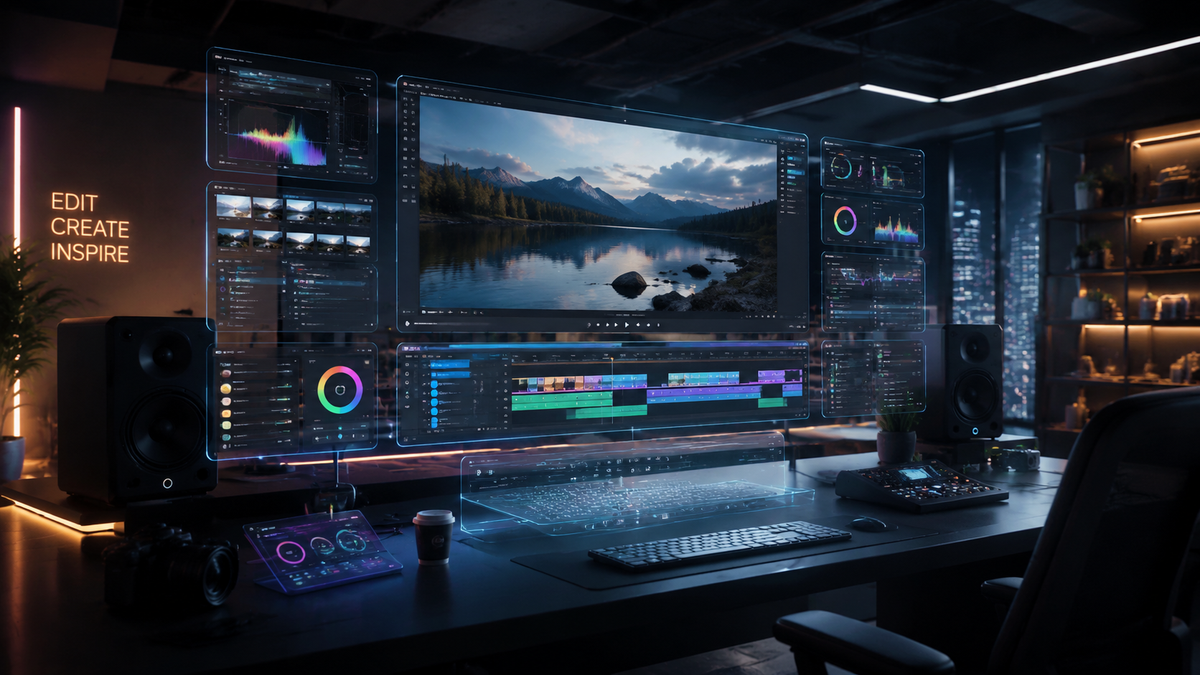
Automated AI video creation for brands is the process of using artificial intelligence technologies—including generative video models, automated editing workflows, and AI-driven distribution tools—to produce high-quality video content at scale without manual intervention. In 2026, this technology has moved from a niche experiment to a core marketing pillar, allowing brands to generate personalized, platform-specific video assets in real-time. By leveraging automated ai video creation for brands, companies can now maintain a constant presence across social channels while significantly reducing production costs.
Automated AI video creation for brands is a data-driven content strategy that utilizes generative AI and automation tools to produce, edit, and publish video content. In 2026, it serves as the primary method for brands to scale their digital presence, enabling the rapid generation of UGC-style ads, social media clips, and personalized customer messaging with minimal human oversight.
- ✓ AI video platforms now bridge the gap between low-cost automation and high-end human creativity.
- ✓ Platforms like TikTok GO and Cloudinary MediaFlows have standardized automated publishing.
- ✓ 2026 is the year of "AI UGC," where synthetic creators drive higher engagement than traditional stock footage.
- ✓ Success requires a "Middle Class" strategy: using cheap AI for volume and premium humans for strategy.
The Shift to Automated AI Video Creation for Brands in 2026
As we navigate the mid-point of 2026, the landscape of digital marketing has undergone a fundamental transformation. The era of spending weeks on a single social media video is over. According to The AI Journal, every brand now needs an AI video creation platform to remain competitive in an environment where content decay happens in hours, not days. This shift is driven by the democratization of high-fidelity generative video, which allows brands to input simple text prompts or product URLs and receive polished, brand-aligned video assets in seconds.
The "marketing middle class" has been redefined this year. As noted by Intelligent Living, the industry has split into two distinct tiers: ultra-cheap, highly efficient AI-generated content for daily engagement, and premium, human-led creative for high-stakes brand storytelling. There is no longer a middle ground for mediocre, manually-produced content. For brands, the goal is to master automated ai video creation for brands to handle the "volume" tier, freeing up human talent to focus on high-level strategy and emotional resonance that AI cannot yet replicate.
How to Implement an Automated AI Video Strategy
- Define Your Brand DNA: Upload your brand guidelines, logos, and color palettes into your chosen AI video maker to ensure consistency across all generated outputs.
- Select Your AI Video Platform: Choose a tool that supports 2026 features like "TikTok GO" integration or Cloudinary’s MediaFlows for automated publishing.
- Generate AI UGC: Use AI User-Generated Content generators to create relatable, "human-centric" videos that feature synthetic avatars or voiceovers.
- Automate the Workflow: Connect your video creation tool to your CMS and social media schedulers using API-based automation.
- Review and Optimize: While the creation is automated, use human editors to perform a final brand-safety check and analyze performance data to refine future prompts.
The Rise of AI UGC and Synthetic Influencers
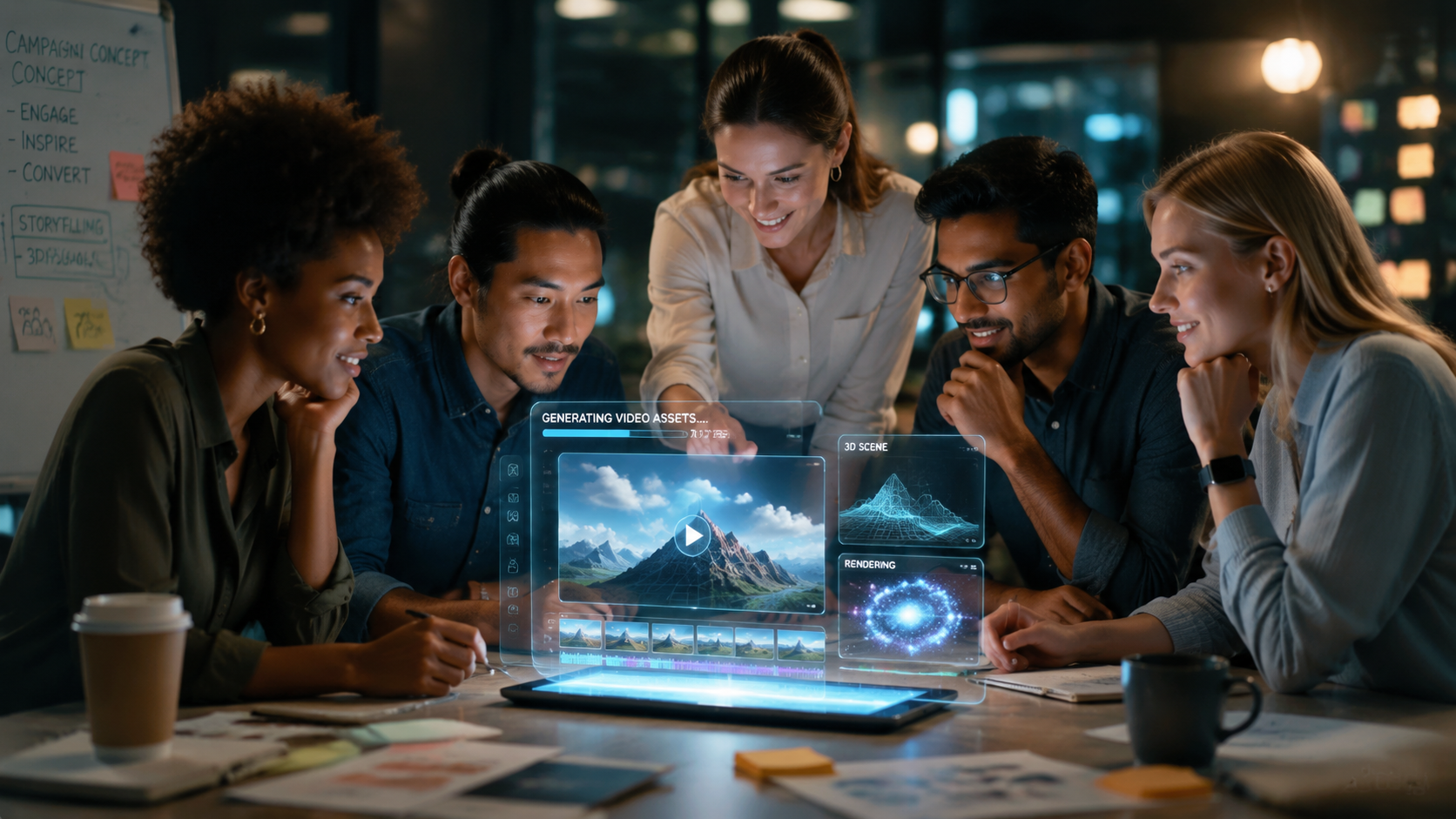
One of the most significant trends in 2026 is the explosion of AI-generated User-Generated Content (UGC). Research from Nokiamob highlights that the 5 best AI UGC video generators are now capable of producing content that is virtually indistinguishable from videos filmed by real customers. These tools use advanced motion synthesis to create "creators" who demonstrate products, share testimonials, and participate in trending challenges. For brands, this means the ability to produce hundreds of unique testimonials without the logistical nightmare of shipping products to influencers and managing contracts.
This automation extends beyond just the visuals. Modern AI video makers for social media content now include sophisticated voice synthesis that captures regional accents and emotional nuances. By utilizing automated ai video creation for brands, a global company can take a single script and instantly generate 50 different versions featuring various "creators" speaking different languages, all perfectly synced to the brand's core message. This level of localization was impossible just two years ago.
Comparing Top AI Video Creation Approaches in 2026
| Feature | AI UGC Generators | Automated Publishing (e.g., MediaFlows) | Platform-Native AI (e.g., TikTok GO) |
|---|---|---|---|
| Primary Use Case | Social proof and testimonials | Workflow and distribution scaling | Direct ad creation and placement |
| Human Effort | Low (Prompt-based) | Minimal (Set-and-forget) | Medium (Strategic oversight) |
| Turnaround Time | Minutes | Seconds (Real-time) | Instantaneous |
| Key Benefit | High relatability | Operational efficiency | Platform-specific optimization |
Integration with Social Media Ecosystems: TikTok GO and Beyond
The integration of AI tools directly into social platforms has reached a fever pitch. At TikTok World 2026, the unveiling of "TikTok GO" signaled a new era for advertisers. This tool allows brands to automate the entire lifecycle of an ad—from identifying a trending sound to generating a video that fits the trend and bidding on ad space. This is the pinnacle of automated ai video creation for brands, where the platform itself acts as the creative agency and the media buyer simultaneously.
Furthermore, technical infrastructure providers like Cloudinary have added AI-powered video publishing automation to their MediaFlows product. This allows brands to create "logic-based" video workflows. For example, when a new product is added to an e-commerce store, MediaFlows can automatically trigger an AI video generator to create a 15-second promo, add a localized voiceover, and publish it to the brand's Instagram and TikTok channels. This level of connectivity ensures that a brand's video presence is always synchronized with its inventory and marketing calendar.
The Economics of AI Video: Cheap AI vs. Premium Human
As Intelligent Living reports, the "marketing middle class" is disappearing because AI has made the production of "good enough" content essentially free. Brands are now reallocating their budgets. Instead of hiring a mid-tier agency to produce ten social clips, they use automated ai video creation for brands to produce 1,000 clips for a fraction of the cost. The remaining budget is then funneled into "Premium Human" content—high-budget brand films or live-action experiences that provide the prestige and deep emotional connection that AI still lacks.
This economic shift is forcing creative professionals to evolve. In 2026, the most successful brand managers are those who act as "AI Orchestrators." They do not spend their time editing timelines; they spend their time fine-tuning the algorithms and prompts that govern their automated systems. The goal is to ensure that the "Cheap AI" output still maintains a "Premium" feel through rigorous brand-safety filters and high-quality data inputs.
Key Advantages of Automated Video Workflows
- Hyper-Personalization: Generate unique videos for specific customer segments based on their browsing history or purchase behavior.
- Rapid Testing: Run A/B tests on hundreds of video variations simultaneously to see which visual hooks perform best.
- Cost Efficiency: Reduce the cost per video asset from hundreds of dollars to mere cents.
- Global Reach: Instant translation and cultural adaptation of video content for international markets.
Future-Proofing Your Brand Strategy for 2027 and Beyond
While 2026 is the year of implementation, brands must look ahead to maintain their edge. The evolution of automated ai video creation for brands is moving toward "interactive generative video," where viewers can influence the narrative of the video in real-time. To prepare for this, brands should begin building robust "Creative Data Sets"—libraries of high-quality brand assets, historical successful ads, and specific aesthetic markers that can be used to train custom AI models.
According to Breaking AC News, a complete guide for creators in 2026 must emphasize the importance of "Human-in-the-Loop" (HITL) systems. Even as automation takes over the heavy lifting, the human element remains the final arbiter of taste and ethics. Brands that rely 100% on automation without human oversight risk "algorithmic drift," where the content becomes repetitive or uninspired. The winners of 2026 are those who find the perfect harmony between the speed of AI and the soul of human creativity.
What is the best AI video maker for social media in 2026?
The "best" platform depends on your needs, but industry leaders in 2026 include TikTok GO for native social ads and Cloudinary MediaFlows for enterprise-level publishing automation. For UGC-style content, specialized AI UGC generators are currently the top choice for brands seeking high engagement.
Is AI video creation expensive for small brands?
No, 2026 has seen the rise of "Cheap AI" which allows small brands to produce professional-quality video for a nominal monthly subscription. The cost of producing a video has dropped significantly, making it accessible for businesses of all sizes to compete with larger corporations.
Can AI videos pass as real human content?
Yes, advanced AI UGC generators in 2026 produce synthetic humans with realistic micro-expressions and natural speech patterns. While high-end cinema still requires humans, daily social media content is now frequently and successfully produced using entirely synthetic assets.
How does TikTok GO help with video automation?
TikTok GO is an integrated tool suite that automates the creation, optimization, and placement of ads. It uses real-time platform data to suggest trends and automatically generates video content that aligns with what is currently viral on the app.
What are the risks of using automated AI video?
The primary risks include brand-safety issues if the AI generates inappropriate content and "content fatigue" if the AI produces repetitive visuals. Brands must implement human oversight and use high-quality, proprietary data to keep their automated output fresh and aligned with their values.



Comments ()