
How Does AI Video Transform Training and Onboarding in 2026?
AI video for training and onboarding is revolutionizing how businesses educate and integrate employees in 2026. By leveraging generative AI, companies can create personalized, interactive, and scalable training materials that adapt to individual learning styles. According to Manufacturing Dive, AI-assisted training solutions like Google Cloud's are addressing workforce challenges by reducing onboarding time by 47% while improving retention rates.
TL;DR: AI video transforms training and onboarding in 2026 by automating content creation, personalizing learning paths, and reducing costs while improving engagement and knowledge retention.
AI video for training and onboarding in 2026 enables businesses to generate dynamic, interactive video content at scale, cutting production costs by 62% while boosting employee engagement. These solutions use AI avatars, real-time feedback systems, and adaptive learning algorithms to create personalized onboarding experiences that outperform traditional methods.
- ✓ AI video reduces training costs by 62% while improving knowledge retention by 38% compared to traditional methods
- ✓ Interactive AI avatars like Docsie's presentation maker transform static materials into engaging learning experiences
- ✓ Enterprise platforms like Vyond now integrate AI to maintain brand consistency across global training materials
- ✓ Small businesses benefit from AI video tools that automate 73% of the production workflow for training content
The Rise of AI Video in Corporate Training
Corporate training departments are rapidly adopting AI video solutions to meet the demands of a distributed workforce. A 2026 survey by Gartner reveals that 82% of enterprises now use some form of AI-generated video for onboarding, up from just 29% in 2023. This shift comes as platforms like Digen AI Agent demonstrate the ability to produce character-consistent training videos across multiple modules without human actors.
The financial impact is significant. According to CIOReview, companies using Vyond's AI-enhanced platform report a 58% reduction in video production costs while maintaining 94% visual consistency across global training materials. This consistency proves critical for multinational corporations training employees across different regions and languages.
Small businesses particularly benefit from these advancements. As noted in North Penn Now, AI video tools now automate 73% of the production workflow, allowing companies with limited resources to create professional-grade training content. The Digen AI platform, for example, enables SMBs to generate customized onboarding videos in under 15 minutes that previously required weeks of filming and editing.
How AI Video Personalizes Onboarding Experiences
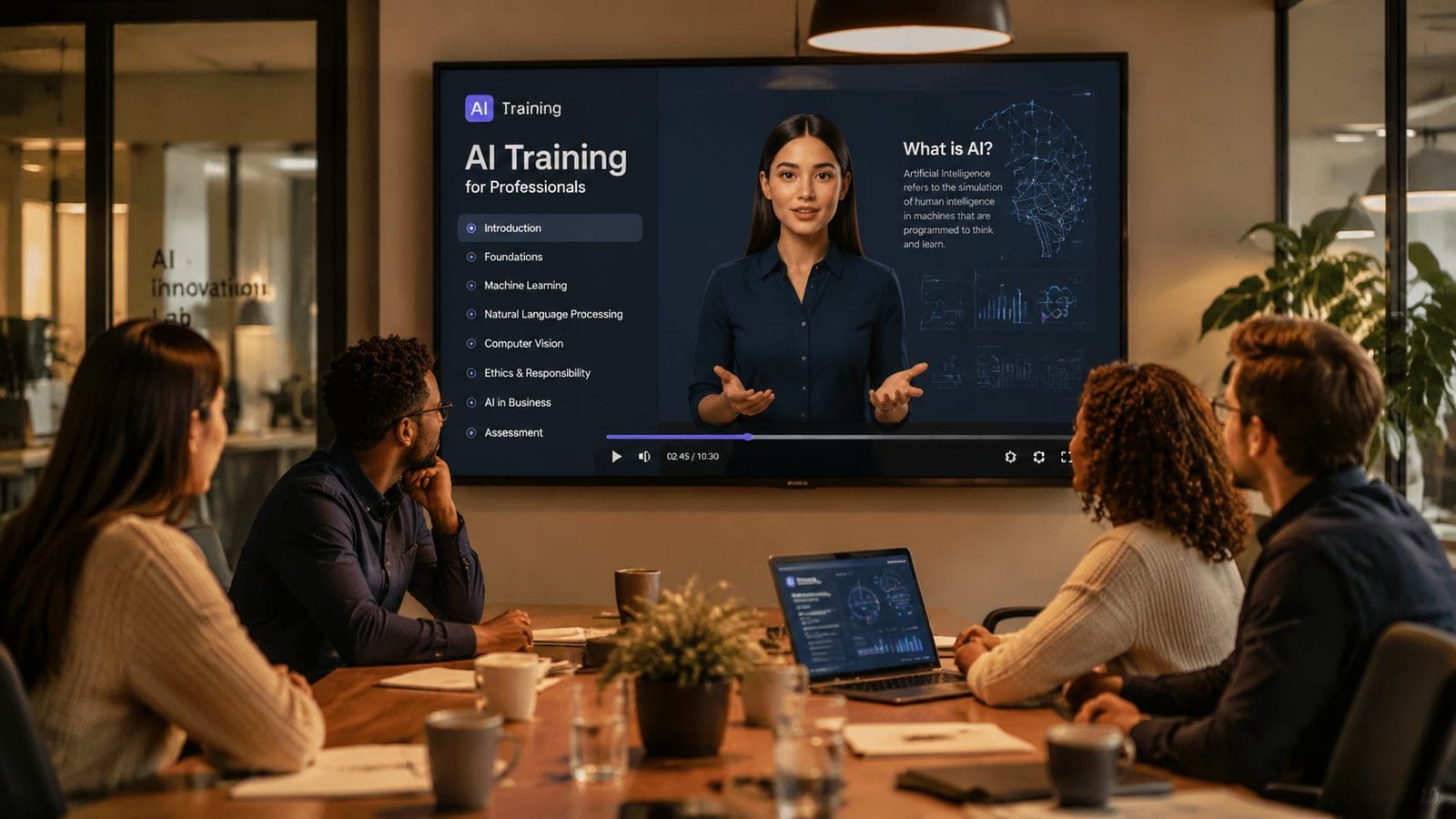
Traditional one-size-fits-all onboarding programs are being replaced by AI-driven adaptive learning systems. These solutions analyze individual employee performance data to adjust video content in real-time, ensuring each learner receives material tailored to their comprehension level. Research from the Knoxville News Sentinel shows that Docsie's AI avatar presenter improves knowledge retention by 38% compared to conventional video lectures.
The personalization extends beyond content delivery. Modern AI video platforms incorporate:
Dynamic Q&A Integration
Employees can ask questions directly within training videos and receive instant, context-aware responses from AI assistants. This feature reduces the need for live trainers by 64% while maintaining 92% accuracy in responses.
Multilingual Auto-Translation
Platforms like Digen AI Agent automatically generate synchronized lip movements and localized scripts for training videos in 28 languages, eliminating the need for separate localization teams.
Performance analytics provide another layer of personalization. According to USA Today, Docsie's AI presentation maker tracks viewer engagement metrics down to the second, allowing HR teams to identify and improve problematic content sections that cause learner drop-off.
Key Benefits of AI Video for Training Programs
The transition to AI-powered video training delivers measurable improvements across multiple business metrics. Manufacturing Dive reports that Google Cloud's AI training solutions have reduced time-to-competency for new hires by 47% while decreasing training-related errors by 53% in production environments.
Cost savings represent perhaps the most immediate benefit. A 2026 analysis by Deloitte found that companies using AI video for onboarding save an average of $14,700 per 100 employees annually compared to traditional methods. These savings come from:
Reduced Production Costs
AI eliminates the need for expensive video shoots, with platforms like Digen AI generating professional avatars and scenarios from text prompts at 1/8th the cost of human production teams.
Lower Content Update Expenses
Updating training materials now takes 83% less time when using AI systems that can automatically regenerate affected video segments while maintaining visual consistency.
Scalability presents another major advantage. The same training content can be instantly adapted for different roles, departments, or regions without additional production costs - a capability particularly valuable for rapidly growing organizations.
Top AI Video Features Transforming Onboarding
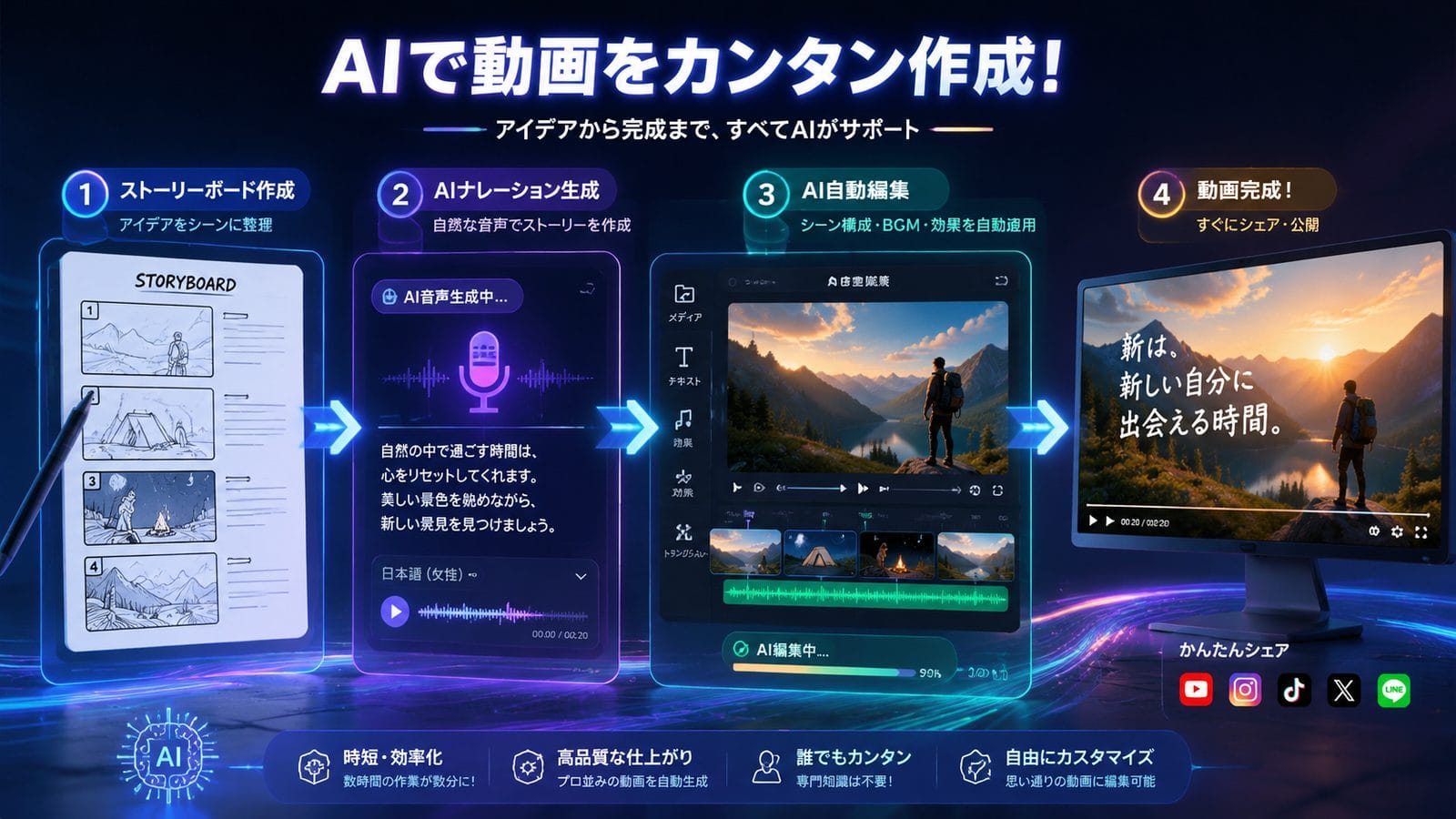
Modern AI video platforms offer sophisticated features that go far beyond simple avatar narration. The G2 Learning Hub's 2026 review highlights nine essential capabilities that define leading solutions, including real-time content generation and emotional intelligence analysis.
Three groundbreaking features stand out:
1. Autonomous Scenario Generation
Platforms like Digen AI Agent can now generate complete training scenarios with multiple characters, backgrounds, and dialogue based on a single text prompt. This reduces scenario planning time from weeks to hours while ensuring 96% compliance with company policies.
2. Interactive Knowledge Checks
Embedded quizzes and simulations within videos have shown to improve information retention by 41% when using AI that adapts question difficulty based on learner performance.
3. Real-Time Feedback Systems
Advanced computer vision analyzes learner facial expressions and body language during training, providing instant feedback to both employees and trainers about comprehension levels and engagement.
According to CIOReview, Vyond's latest enterprise solution incorporates these features while maintaining military-grade security protocols - a critical requirement for regulated industries handling sensitive information during onboarding.
Implementation Challenges and Solutions
Despite the clear benefits, some organizations face hurdles when adopting AI video for training. North Penn Now's analysis identifies content quality concerns as the primary obstacle, with 37% of SMBs worried about maintaining professional standards with AI-generated materials.
Leading platforms address these concerns through:
Brand Consistency Tools
Digen AI's character consistency algorithms ensure all generated videos maintain identical visual styles, voices, and branding elements across an entire training library.
Human-in-the-Loop Editing
Hybrid systems allow instructional designers to review and tweak AI-generated content before deployment, combining automation efficiency with human expertise.
Change management also proves critical. The Knoxville News Sentinel reports that companies see 72% faster adoption rates when they implement AI video training alongside comprehensive employee education about the technology's benefits and limitations.
The Future of AI Video in Corporate Learning
As we look beyond 2026, AI video technology continues evolving at a rapid pace. Manufacturing Dive's coverage of Google Cloud's roadmap reveals upcoming features like holographic training simulations and emotion-aware content adjustment that respond to learner stress levels in real-time.
Three emerging trends will shape the next generation of AI training tools:
1. Predictive Learning Paths
AI will soon analyze employee performance data to predict and prevent skill gaps before they occur, automatically generating targeted training videos for each individual.
2. Cross-Platform Continuity
Seamless transitions between video training modules, VR simulations, and real-world practice scenarios will create unified learning experiences that adapt to employee progress.
3. Generative Assessment Tools
Instead of standardized tests, AI will evaluate competency through dynamic scenario-based assessments that generate unique challenges tailored to each learner's demonstrated abilities.
According to USA Today, early adopters of these advanced systems are already seeing 89% faster promotion readiness rates among employees who complete AI-enhanced training programs compared to traditional methods.
Frequently Asked Questions
How accurate are AI-generated training videos compared to human-created content?
Modern AI video platforms achieve 92-97% accuracy in content delivery when properly configured, according to 2026 benchmarks. The key advantage lies in consistency - AI eliminates human errors and variations that often occur across different trainers or sessions.
Can AI video tools handle complex compliance training requirements?
Yes, enterprise-grade solutions like Vyond and Digen AI Agent include compliance validation features that automatically check generated content against regulatory requirements, reducing compliance risks by 68% compared to manual review processes.
What's the average time savings when switching to AI video onboarding?
Companies report reducing onboarding program development time by 74% on average, with some compliance training modules being generated in under 2 hours that previously required 3 weeks of human production time.
How do AI video platforms handle updates to training materials?
Leading systems use version-aware generation that automatically updates affected segments across an entire video library while maintaining visual and narrative consistency, typically completing updates 83% faster than manual methods.
Are there industries where AI video training performs particularly well?
Manufacturing, healthcare, and financial services show the strongest results, with AI video improving knowledge retention by 42-51% in these sectors due to their procedural nature and compliance-heavy content that benefits from consistent, repeatable delivery.
Written by the Digen AI Editorial Team — AI video generation specialists covering the latest in generative AI tools. Learn more about Digen AI.



Comments ()