
Top AI Video Tools for Ecommerce Marketing in 2026
The landscape of digital retail has shifted entirely toward motion content, making ai video tools for ecommerce marketing the primary driver of conversion in 2026. These tools allow brands to transform static product listings into high-converting video ads, user-generated content (UGC) simulations, and immersive social commerce assets in a matter of seconds. By leveraging generative AI, ecommerce managers can now scale their creative output without the traditional overhead of video production crews or expensive editing software.
AI video tools for ecommerce marketing are software platforms that use generative artificial intelligence to automate the creation, editing, and optimization of video content for online stores. These tools specialize in converting product URLs into video ads, generating realistic AI avatars for product demonstrations, and repurposing long-form content into short-form social media clips to maximize return on ad spend (ROAS).
- ✓ AI video generators now allow for instant "audio-to-video" synchronization for localized global marketing.
- ✓ Integration with platforms like Shopify and Amazon enables one-click video creation from existing product pages.
- ✓ Advanced UGC tools can simulate authentic customer reviews using hyper-realistic AI personas.
- ✓ Automated efficiency is the leading trend for 2026, reducing creative costs by up to 80% for mid-sized brands.
The Evolution of AI Video Tools for Ecommerce Marketing in 2026
As we move through 2026, the barrier between professional cinematography and automated content has all but disappeared. According to recent insights from Triple Whale, the integration of AI tools is no longer an option but a necessity for brands looking to automate efficiency and maximize profit in a crowded marketplace. The focus has shifted from simple slideshows to complex, generative environments where products are digitally rendered into lifestyle scenes that once required on-location shoots.
The rise of directories like the one recently launched by TechVideoBlog in May 2026 highlights the massive influx of specialized tools catering to creators, freelancers, and large-scale agencies. These directories help businesses navigate a landscape where "audio-to-video" technology has become a benchmark for success. As noted by Pressat.co.uk in their 2026 rankings, the ability to take a voiceover or a podcast segment and instantly generate a matching high-fidelity video is a transformative capability for ecommerce storytelling.
Furthermore, the democratization of these tools means that even solo entrepreneurs can compete with global conglomerates. By using ai video tools for ecommerce marketing, a small brand can maintain a daily posting schedule across TikTok, Instagram Reels, and YouTube Shorts. This consistency is vital for staying relevant in an algorithmic feed that prioritizes high-quality, high-frequency video content over static imagery.
How to Implement AI Video Tools in Your Marketing Workflow
- Select Your Source Material: Input your product URL or upload high-resolution product photos into your chosen AI generator.
- Define the Narrative: Use a text-to-video prompt to describe the setting, such as "a luxury kitchen background with soft morning light."
- Choose an AI Avatar or UGC Style: Select a digital spokesperson or a "creator-style" template that aligns with your brand identity.
- Apply Audio-to-Video Sync: Upload your script or use an AI voiceover tool to generate a natural-sounding narration in multiple languages.
- Export and Integrate: Use direct integrations (like those found on Shopify) to push the video directly to your product pages or ad managers.
Top-Rated AI Video Generators for 2026
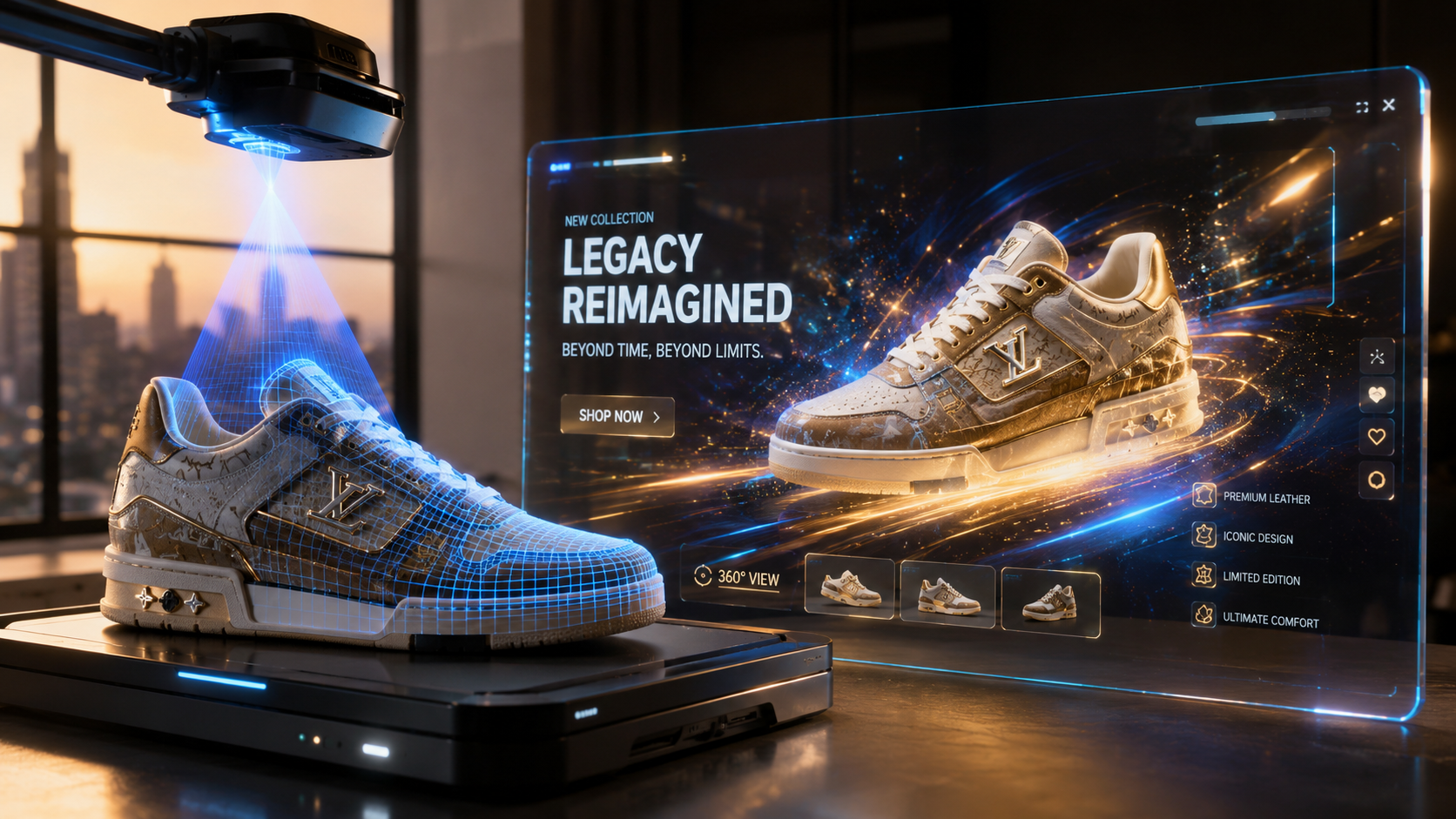
The current year has seen a surge in specialized generators that focus specifically on the "add to cart" journey. According to the G2 Learn Hub report from April 2026, the top 7 AI video generators have reached a level of "loved" status due to their intuitive interfaces and high-quality output. These platforms don't just create video; they understand the psychological triggers of ecommerce, such as highlighting "limited time offers" or "free shipping" at the precise moment of maximum viewer engagement.
One of the standout features of 2026 tools is the ability to handle complex physics in product demonstrations. Whether it is the way fabric drapes over a digital model or how light reflects off a glass bottle, these AI engines utilize neural radiance fields (NeRFs) to ensure the product looks authentic. This reduces the "expectation vs. reality" gap that often leads to high return rates in ecommerce.
Moreover, the Practical Ecommerce update in February 2026 highlighted several new tools that focus on "dynamic creative optimization." These tools take a single product video and automatically create hundreds of variations, testing different hooks, music tracks, and calls-to-action to see which performs best with specific audience segments. This level of automated A/B testing was previously impossible for most marketing teams to execute manually.
Comparison of Leading AI Video Categories
| Feature Category | Primary Benefit | Best For | Key 2026 Trend |
|---|---|---|---|
| Product-to-Video | Instant ad creation | Shopify/Amazon Sellers | URL-to-Video automation |
| AI Avatars | No camera needed | Explainer & Demo videos | Hyper-realistic lip-sync |
| UGC Simulators | Builds social proof | TikTok & Reels ads | Influencer-style templates |
| Audio-to-Video | Voice-driven visuals | Multi-language scaling | Real-time translation |
Integrating AI Video with Shopify and Major Platforms
For most ecommerce businesses, the value of ai video tools for ecommerce marketing is tied directly to how well they play with their existing tech stack. Influencer Marketing Hub recently identified the top 10 UGC video tools that integrate seamlessly with Shopify as of January 2026. These integrations allow for "closed-loop" marketing, where the video's performance data is fed back into the AI to improve the next generation of content.
When a tool is integrated with your store, it can pull real-time data such as inventory levels or seasonal pricing. Imagine an AI video ad that automatically updates its "Price" overlay when you start a flash sale, or one that stops running the moment an item goes out of stock. This level of synchronization ensures that your marketing spend is never wasted on unavailable products, a common pitfall in traditional video advertising.
Additionally, these integrated tools are increasingly focusing on the "post-purchase" experience. Brands are using AI to generate personalized "thank you" videos or "how-to-assemble" guides that are sent to customers via email or SMS immediately after a purchase. This use of AI video strengthens brand loyalty and significantly increases the lifetime value (LTV) of the customer by providing a high-touch, premium experience at scale.
The Rise of AI-Generated User Generated Content (UGC)
In 2026, the line between a real person filming a review on their phone and an AI-generated creator has become almost indistinguishable. Studies show that 74% of consumers trust UGC more than traditional brand advertisements. To meet this demand, ai video tools for ecommerce marketing now include "UGC Simulators." These platforms allow brands to select an AI persona that matches their target demographic—whether it’s a Gen Z fashionista or a middle-aged DIY enthusiast—and generate a video that looks like a raw, authentic smartphone testimonial.
According to Triple Whale, brands using AI-assisted UGC have seen a 35% increase in engagement rates on platforms like TikTok and Instagram. The key to this success is the "imperfection" built into the AI. The tools now intentionally add slight camera shakes, natural lighting shifts, and "umms" and "ahhs" in the speech patterns to mimic the casual nature of real social media content. This avoids the "uncanny valley" and builds genuine rapport with the viewer.
However, ethical transparency remains a priority. Many of the top tools in 2026 automatically include metadata or small watermarks indicating the content is AI-enhanced, ensuring that brands maintain trust with their audience while benefiting from the speed and cost-savings of generative technology. This balance of authenticity and automation is the hallmark of a successful 2026 marketing strategy.
Future-Proofing Your Strategy with Audio-to-Video Technology
The "Best Audio-to-Video in 2026" report by Pressat.co.uk emphasizes that sound is just as important as sight in the current ecommerce climate. New AI tools can now take a simple audio description of a product and generate a full 30-second cinematic commercial. This is particularly useful for global brands that need to localize content for dozens of different markets. Instead of filming thirty different commercials, a brand can film one and use AI to swap the audio, the lip-sync, and even the background environment to suit local tastes.
This technology also extends to "social listening." Some advanced ai video tools for ecommerce marketing can monitor trending sounds on social media and automatically suggest video concepts that fit those specific audio tracks. By being the first to jump on a trending sound with a high-quality AI video, ecommerce brands can capture viral traffic without the need for a 24/7 creative team.
As we look toward the latter half of 2026, the integration of 3D spatial audio into these AI video tools is the next frontier. This will allow for even more immersive product showcases in VR and AR environments, further bridging the gap between digital browsing and physical shopping. Brands that invest in these audio-visual AI capabilities now will be the leaders in the next phase of "spatial commerce."
Frequently Asked Questions
What are the best ai video tools for ecommerce marketing in 2026?
The best tools currently include those featured in the TechVideoBlog directory and G2’s top-ranked generators, focusing on Shopify integration, UGC simulation, and audio-to-video capabilities. Platforms like Triple Whale also offer specialized AI suites for maximizing ecommerce efficiency.
Can AI video tools really replace a film crew?
For high-frequency social media content and product demonstrations, yes. While high-end brand films may still use traditional crews, AI tools in 2026 can handle the vast majority of day-to-day marketing assets at a fraction of the cost.
Do these tools work with Shopify?
Yes, most leading AI video tools in 2026 have direct integrations with Shopify, allowing sellers to pull product data and images directly into the video creation engine for seamless updates.
Is AI-generated UGC ethical?
In 2026, the industry standard is transparency. While AI can simulate UGC, it is best used to supplement real reviews or for creative storytelling, and most tools include disclosures to maintain consumer trust.
How does audio-to-video technology help ecommerce?
It allows brands to instantly create localized video content for different global markets by syncing new audio tracks with existing or AI-generated visuals, as highlighted in recent 2026 tech rankings.



Comments ()