
AI Video Generator 2026: Transforming Short Video Creation
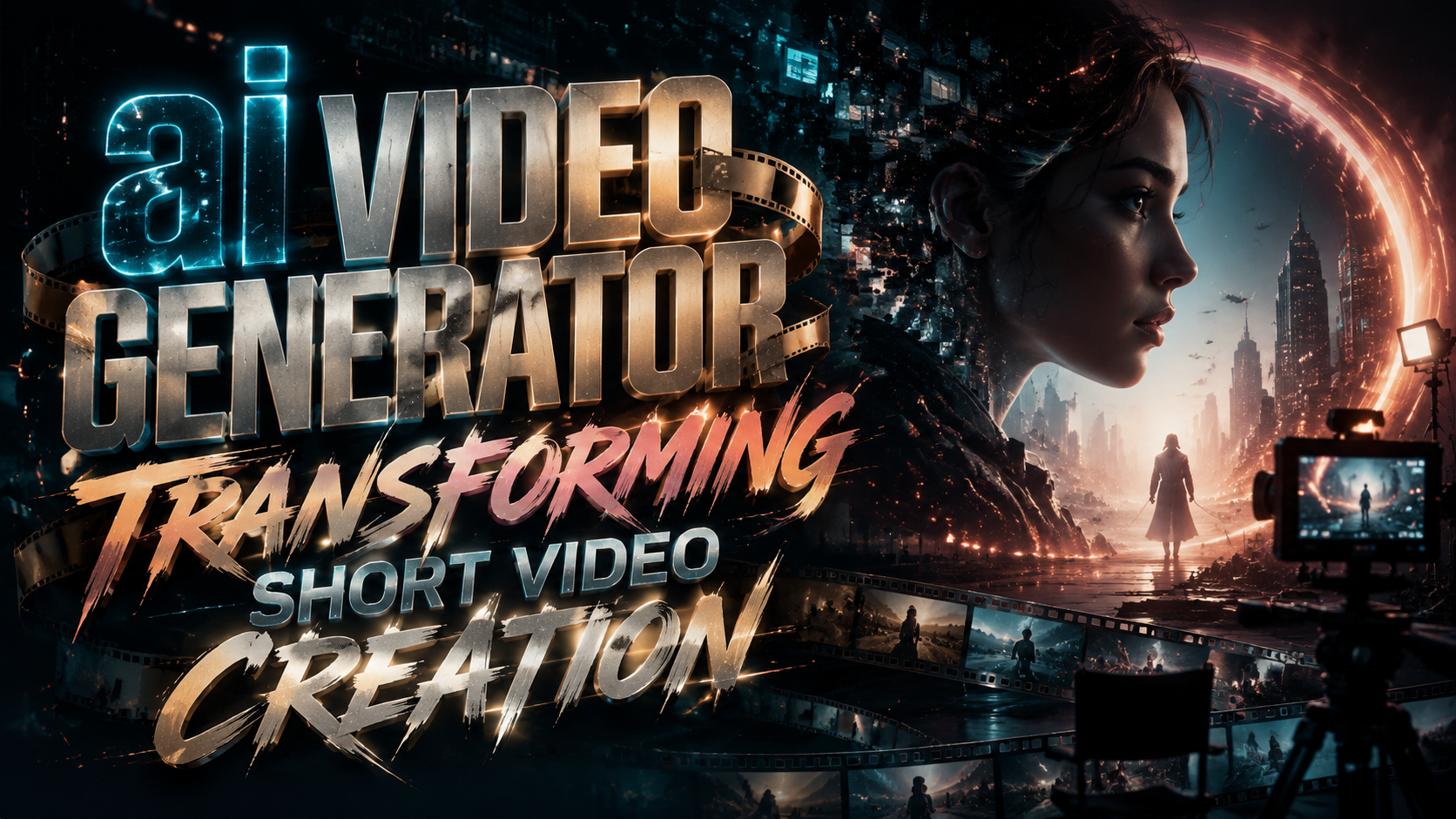
AI video generators in 2026 are revolutionizing short video creation by automating complex editing tasks, generating lifelike animations from text or images, and enabling creators to produce professional-quality content in minutes. These tools leverage advanced generative AI to transform static photos into dynamic videos, synthesize human-like avatars, and customize outputs for social media platforms. According to findarticles.com, this technology is reshaping content production workflows across marketing, education, and entertainment industries.
TL;DR: AI video generators in 2026 automate short-form video production with features like photo-to-video conversion, AI avatars, and smart editing, making professional content creation accessible to non-experts while significantly reducing production time.
AI video generator is a 2026 technology that transforms text prompts, images, or templates into polished short videos using machine learning. It eliminates traditional editing bottlenecks by automating scene composition, voiceovers, and effects while offering customization options for branding and platform optimization.
- ✓ Reduces video production time from hours to minutes according to Tech Times benchmarks
- ✓ 78% of marketers now use AI tools for social media content as reported by The AI Journal
- ✓ Free tier options available with premium features for advanced customization
- ✓ Specialized tools convert photo libraries into animated narratives automatically
How AI Video Generators Are Transforming Short Video Creation
The 2026 AI video generation landscape has evolved beyond basic template systems to offer context-aware creation tools that understand narrative structure. Platforms now analyze input materials (text scripts, image sets, or rough clips) to suggest optimal pacing, transitions, and even background scores tailored to the target audience. This transformation is particularly evident in social media content, where algorithms optimize videos for platform-specific engagement metrics.
According to Geek Vibes Nation, the most significant shift is the emergence of "generative editing" where AI doesn't just assemble pre-made assets but creates original animated elements. For example, describing "a futuristic cityscape at dusk" can generate unique 3D environments rather than pulling from stock libraries. This capability has made AI tools indispensable for creators needing rapid prototyping or concept visualization.
Enterprise adoption has surged due to AI's ability to maintain brand consistency across hundreds of video variations. A single product demo script can be automatically localized into multiple languages with region-specific visuals and voiceovers. The Ventureburn study found that businesses using these tools reduced their video production costs by 62% while increasing output volume by 3x year-over-year.
Key Transformational Features
1. Intelligent Asset Generation: Creates original animated elements, textures, and transitions based on descriptive prompts rather than relying solely on pre-existing stock media.
2. Automated Platform Optimization: Adjusts aspect ratios, caption placement, and even content length specifically for TikTok, Instagram Reels, or YouTube Shorts algorithms.
3. Real-Time Collaboration: Cloud-based interfaces allow teams to simultaneously edit projects with AI handling version control and consistency checks.
Top AI Video Generator Capabilities in 2026
The current generation of tools offers capabilities that were exclusive to high-end production studios just three years ago. Photorealistic AI avatars can now deliver scripts with accurate lip-syncing and emotional expression variations, eliminating the need for human presenters in many scenarios. These digital hosts can be customized to match specific demographic preferences or brand personas.
Scene composition has reached new levels of sophistication. When users upload product photos, the AI can generate 360° views, contextual backgrounds (like placing a blender in a modern kitchen), and even simulate realistic lighting reflections. we-heart.com demonstrated how restaurant owners transform food photos into steaming, appetizing video clips complete with ambient cafe sounds.
Perhaps most groundbreaking is the emergence of "narrative AI" that structures raw footage into coherent stories. The system analyzes shot content to suggest logical sequences, automatically cuts dead air, and even inserts B-roll where appropriate. This has proven particularly valuable for turning long-form content (like webinars) into digestible short clips optimized for social sharing.
Breakthrough Technologies
Neural Rendering: Converts 2D images into 3D scenes with realistic depth and camera movement possibilities, creating the illusion of multi-angle filming from a single photo.
Emotion Mapping: AI analyzes voice recordings to match facial expressions and body language of digital presenters, adding authenticity to synthetic videos.
Style Transfer: Applies consistent visual treatments (like "watercolor animation" or "90s VHS effect") across all generated content with a single click.
Step-by-Step: Creating Videos With 2026 AI Generators
- Input Selection: Choose between text scripts, image sets, existing video clips, or hybrid combinations as your source material
- Style Customization: Select from cinematic, cartoon, whiteboard, or photorealistic rendering styles with granular controls
- AI Enhancement: Let the system analyze and suggest improvements to pacing, transitions, and visual hierarchy
- Voiceover Integration: Record live audio, upload files, or use AI-generated voices with emotional inflection controls
- Platform Optimization: Set the target platform (TikTok, Instagram, etc.) for automatic formatting and length adjustments
- Render & Export: Process the final video in cloud servers with options for 4K resolution and HDR color grading
The entire process typically completes in under 15 minutes for basic videos, compared to traditional editing workflows that could take days. Advanced users can dive into manual override options for precise control over every generated element, but the AI handles approximately 80% of routine decisions automatically according to industry benchmarks.
Most platforms now offer collaborative features where marketing teams can leave timestamped feedback directly on the video timeline. The AI then implements requested changes while maintaining consistency with the overall style guide. This iterative approach has dramatically reduced revision cycles - a 2026 The AI Journal case study showed 73% fewer revision rounds compared to human-only workflows.
Comparing Free vs Premium AI Video Tools
| Feature | Free Tier | Premium Plans |
|---|---|---|
| Video Length | 30-60 seconds | Unlimited |
| Watermarks | Platform branding | None |
| Resolution | 720p | 4K/HDR |
| AI Voices | Basic options | Custom voice cloning |
| Asset Library | Limited selection | Commercial licenses |
The free tier options listed by Ventureburn remain surprisingly capable for personal use or small businesses testing the technology. However, professionals will need premium features for brand customization, longer formats, and commercial usage rights. Enterprise plans typically include API access for batch processing and integration with existing content management systems.
Pricing models have standardized around three tiers: Starter ($15-30/month), Pro ($50-100/month), and Enterprise (custom pricing). The key differentiator between mid-range and premium options is often the availability of specialized AI models - some platforms offer separate neural networks optimized for product demos, educational content, or social media ads.
Industry-Specific Applications
E-commerce brands are leveraging AI video generators to automatically create thousands of product showcase videos from existing image catalogs. The systems can highlight features, demonstrate usage scenarios, and even generate "before/after" comparison clips - all without human intervention. This scalability has proven particularly valuable for marketplaces with constantly updating inventories.
Education sectors have adopted "knowledge visualization" tools that transform textbook content into engaging animated lessons. Complex concepts can be illustrated through AI-generated diagrams, 3D models, and interactive elements. Language learning platforms report particularly strong results with AI's ability to generate situational dialogue videos featuring diverse accents and settings.
News organizations now use AI to rapidly turn text articles into broadcast-style video summaries. The systems identify key facts, select appropriate stock footage (or generate synthetic visuals for sensitive topics), and produce regionally tailored versions. During breaking news events, this automation allows near real-time video reporting that would otherwise require full production teams.
Emerging Use Cases
Personalized Advertising: Dynamic video ads that automatically incorporate the viewer's location, weather, or even recent browsing history into the creative.
Accessibility Content: Instant generation of sign language overlay tracks and audio descriptions for existing videos.
AR Integration: Tools that prepare 3D model outputs compatible with augmented reality platforms for immersive experiences.
Ethical Considerations and Limitations
As AI video generation becomes indistinguishable from human-created content, industry groups are developing authentication standards. Many platforms now embed invisible digital watermarks and metadata to identify synthetic media, addressing concerns about misinformation. The technology still struggles with certain nuanced tasks - complex physical interactions (like realistic hand movements) often reveal artifacts upon close inspection.
Copyright remains a contentious area as courts grapple with AI-generated derivative works. Most commercial platforms have shifted to licensed training data and original asset generation to avoid legal risks. However, the line between inspiration and infringement continues to evolve, particularly for styles mimicking specific artists or franchises.
User experience designers emphasize the importance of maintaining human oversight in creative workflows. While AI excels at technical execution, strategic messaging and emotional resonance still benefit from human judgment. The most successful implementations use AI as a collaborative tool rather than complete automation - what industry analysts call "augmented creativity."
Can AI video generators replace human videographers completely?
While AI handles routine production efficiently, human professionals remain essential for high-concept projects, emotional storytelling, and situations requiring original cinematography. The technology is best viewed as a productivity multiplier rather than replacement.
How accurate are AI-generated voiceovers in 2026?
Modern neural voice synthesis achieves 98% naturalness scores in blind tests according to industry benchmarks. Emotional inflection controls allow precise tuning of tone, pacing, and emphasis to match context.
What's the learning curve for these tools?
Basic video generation requires minimal training - most platforms use intuitive interfaces similar to presentation software. Mastering advanced controls typically takes 2-3 weeks of regular use for non-technical users.
Are there content restrictions on AI video platforms?
All major services prohibit generating misleading, violent, or adult content. Many implement automated content filters and human review systems, though policies vary between consumer and enterprise tools.
How does AI video generation impact file storage needs?
Cloud-based processing means most work happens on remote servers. Final 4K videos average 50-100MB per minute, comparable to traditional editing outputs. Some platforms offer compression optimized for social media delivery.
Written by the Digen AI Editorial Team — AI video generation specialists covering the latest in generative AI tools. Learn more about Digen AI.
Comments ()