
AI Video Generator from Image Tutorial: 2026 Guide
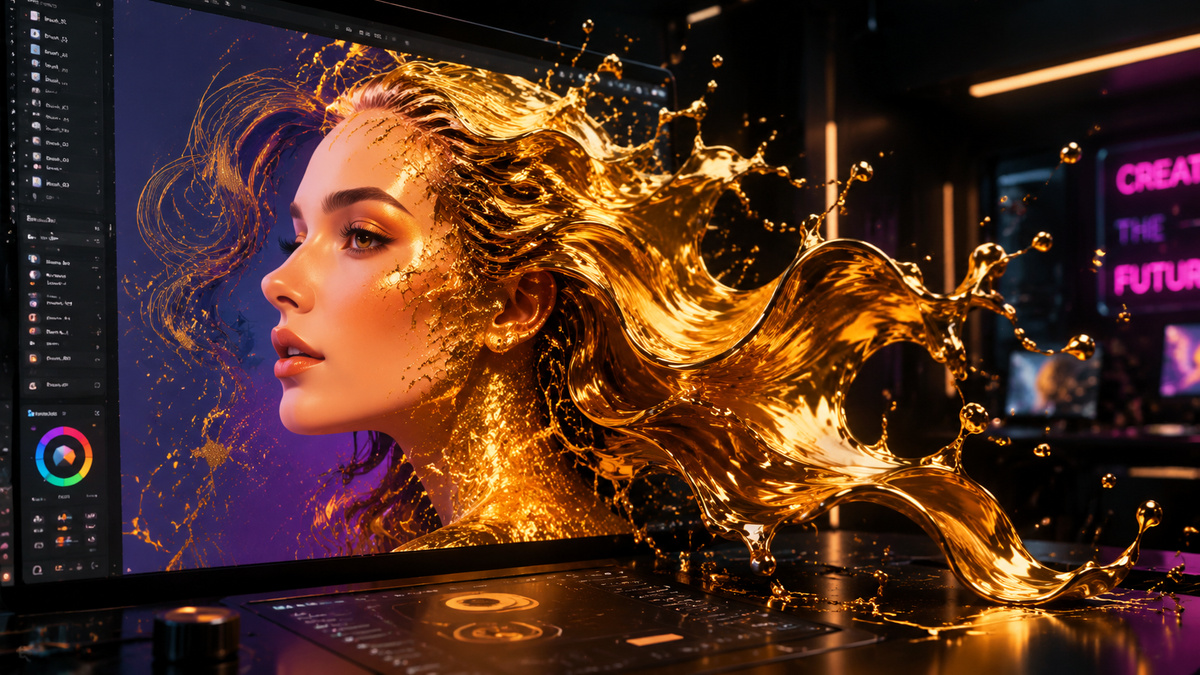
An ai video generator from image tutorial is a step-by-step guide that explains how to transform static digital images into dynamic, high-definition video clips using artificial intelligence models. In 2026, this process typically involves uploading a source image, applying motion parameters or text prompts, and utilizing generative models like Adobe Firefly or Pollo AI to animate pixels with realistic fluid dynamics. By following a structured workflow, creators can bridge the gap between photography and cinematography in just a few clicks.
An AI video generator from image is a software tool that uses deep learning to predict and render motion based on a single still image. To use one, you simply upload your file to a platform like Adobe Firefly or NVIDIA RTX-powered software, configure motion strength settings, and export a high-fidelity video file in formats like MP4 or ProRes.
- ✓ Convert any JPEG or PNG into a cinematic 4K video clip within seconds.
- ✓ Utilize local hardware like NVIDIA RTX PCs for faster, private generation.
- ✓ Leverage multimodal prompts to guide specific camera movements and physics.
- ✓ Scale content production for social media, marketing, and digital storytelling.
The Evolution of Image-to-Video Technology in 2026
As we navigate through 2026, the landscape of visual content creation has shifted from manual keyframing to intent-based generation. The ai video generator from image tutorial has become a staple for digital marketers and hobbyists alike. According to reports from Breaking AC News, the top 15 AI video generators in 2026 now offer near-perfect temporal consistency, meaning the "flicker" that plagued earlier models in 2024 and 2025 has been virtually eliminated through advanced diffusion transformers.
The primary driver of this innovation is the democratization of hardware. As noted by the NVIDIA Blog in early 2026, getting started with visual generative AI on NVIDIA RTX PCs has allowed creators to run sophisticated models locally. This shift reduces latency and removes the need for expensive cloud subscriptions for professional-grade rendering. Whether you are using a cloud-based interface or a local GPU, the underlying logic remains the same: the AI analyzes the "latent space" of your image and predicts how the elements—such as water, hair, or clouds—should naturally move.
Furthermore, the integration of AI video tools into established ecosystems like Adobe Firefly has streamlined the professional workflow. As highlighted by Beebom, Adobe Firefly now allows for seamless transitions from image generation to video animation within a single interface. This eliminates the friction of exporting files between different software, making the 2026 creative process more fluid than ever before.
Step-by-Step AI Video Generator from Image Tutorial
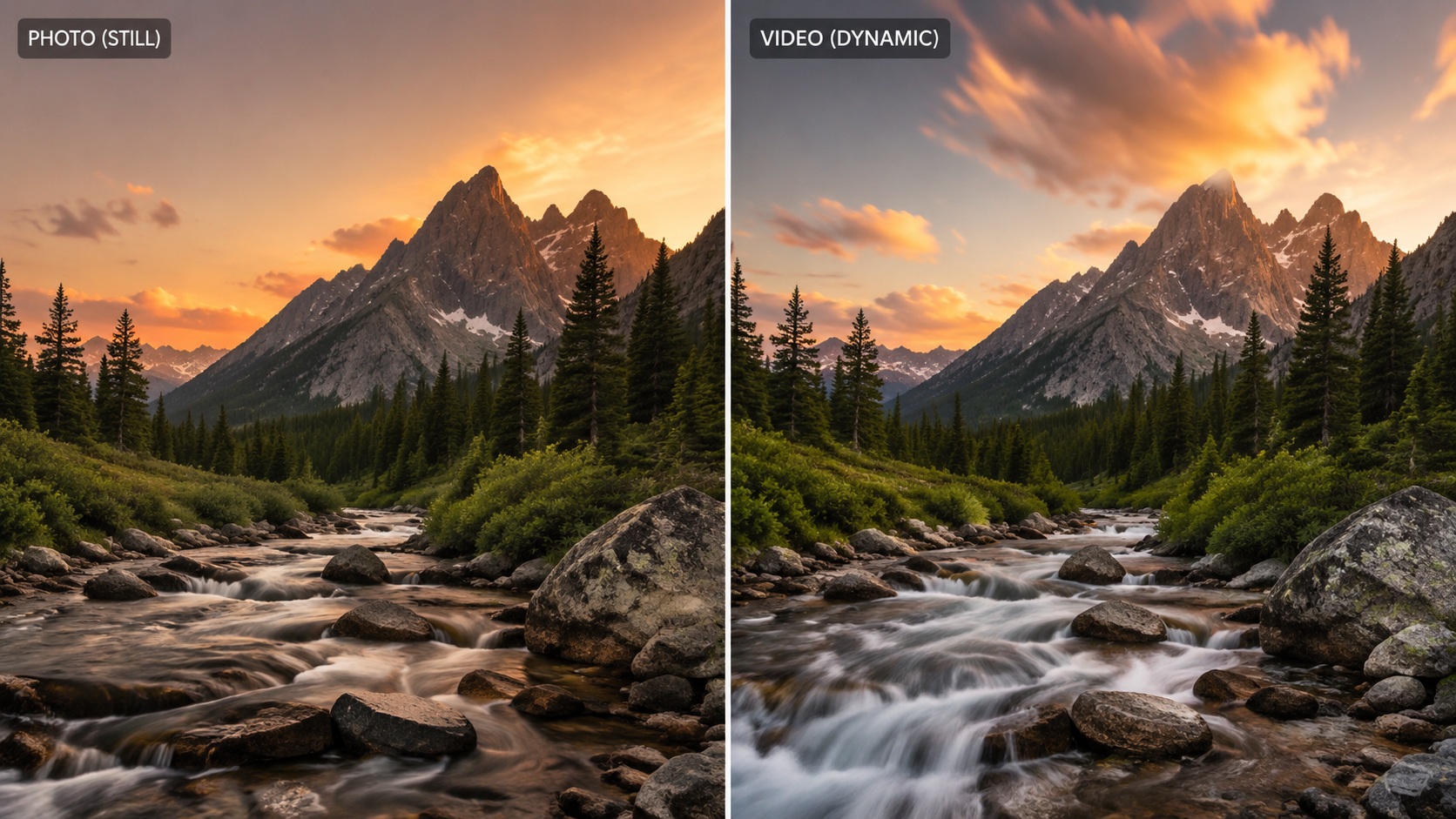
Creating high-quality video from a static image requires a balance of the right tools and precise prompting. Follow this standardized workflow to achieve professional results in 2026.
- Select Your Source Image: Choose a high-resolution image (at least 2K). High-contrast images with clear subjects work best for AI depth estimation.
- Upload to the AI Platform: Open your chosen tool, such as Pollo AI or Adobe Firefly. Navigate to the "Image-to-Video" or "Motion" tab.
- Define Motion Parameters: Use a "Motion Brush" or "Area Selection" tool to highlight specific parts of the image you want to move. For example, highlight the sea to create waves while keeping the mountains still.
- Input a Motion Prompt: Add a descriptive text prompt to guide the AI. Example: "Slow cinematic zoom-in, waves crashing gently against the shore, 4K, realistic lighting."
- Adjust Consistency Settings: Set the "Creativity" or "Seed" slider. A lower setting stays closer to the original image, while a higher setting allows the AI to invent new frames.
- Generate and Refine: Click "Generate." Once the preview is ready, use "Upscaling" features to bring the video to 4K or 8K resolution.
- Export: Save your video in the desired format (MP4, MOV, or GIF) for your specific platform.
Comparing Top AI Video Generators in 2026
With so many options available, choosing the right platform is essential for your specific project needs. The following table compares the leading tools based on the latest 2026 industry data.
| AI Tool | Primary Strength | Hardware Requirement | Best For |
|---|---|---|---|
| Adobe Firefly | Ecosystem Integration | Cloud-based | Professional Designers |
| NVIDIA RTX Local | Privacy & Speed | Local RTX GPU | Power Users & Privacy |
| Pollo AI | Physics Realism | Web Browser | Cinematic Landscapes |
| Geek Vibes Motion | Stylized/Cartoon | Web/Mobile | Social Media/Animation |
Mastering Prompts for Your AI Video Generator from Image Tutorial
The secret to a successful ai video generator from image tutorial lies in the "Prompt Engineering" phase. While the image provides the visual foundation, the text prompt provides the "soul" of the movement. According to CNET, creating better AI images and videos in 2026 requires a deep understanding of camera terminology and physical descriptors.
Camera Movement Terminology
To get the most out of your AI video generator, you should use specific cinematic terms. Instead of saying "move the camera," use terms like "Dolly Zoom," "Pan Left," or "Crane Shot." These keywords trigger the AI to simulate specific lens behaviors that are common in professional filmmaking. This level of control is what separates amateur clips from professional-grade content.
Environmental and Physics Prompts
When animating an image, you must describe the atmospheric conditions. Phrases like "subsurface scattering on the skin," "volumetric lighting," or "fluid dynamics" help the AI understand how light and matter should interact. For instance, if you are animating a portrait, a prompt such as "gentle breeze blowing through hair, soft bokeh background" ensures that the motion looks natural rather than distorted.
Advanced Techniques: Local Processing vs. Cloud Solutions
In 2026, the choice between local and cloud processing has become a major talking point for creators. As the NVIDIA Blog points out, running generative AI locally on an RTX PC offers significant advantages in terms of iteration speed. When you aren't waiting in a cloud queue, you can generate hundreds of variations of an image-to-video sequence to find the perfect motion. This is particularly useful for complex projects where timing is everything.
However, cloud solutions like Pollo AI remain dominant for users who require high-end "render farms" without investing in expensive hardware. The Jerusalem Post recently highlighted Pollo AI's image-to-video guide, noting its ability to handle complex textures like silk and liquid with remarkable accuracy. These cloud platforms often use massive server clusters that can process 8K video renders faster than most home computers, making them ideal for high-stakes commercial work.
Regardless of the platform, the 2026 workflow emphasizes "In-painting" and "Out-painting" within the video. This means you can not only animate the image you have but also instruct the AI to imagine what exists outside the frame. This "Infinite Canvas" approach allows a single 4:3 photograph to be turned into a 16:9 cinematic wide-shot video, providing unprecedented creative freedom.
Creating Specialized Content: From Cartoons to Realism
Not every ai video generator from image tutorial focuses on photorealism. There is a massive market for stylized content, particularly in the realm of animation. Geek Vibes Nation recently published a tutorial on how AI video generators are making cartoons more accessible to independent creators. By starting with a 2D character drawing, users can use AI to generate consistent "walk cycles" and facial expressions, significantly reducing the time required for traditional 2D animation.
This "Cartoon-to-Video" pipeline uses specific models trained on animation principles like "squash and stretch." For creators, this means you can take a single character design and generate a full animated short. The key is to maintain character consistency across different frames, a feat that 2026 AI models have mastered by using "ControlNet" or similar spatial guidance features. This allows the AI to "remember" the character's features even as they move through a 3D space.
For those seeking hyper-realism, the focus shifts to "Temporal Stability." This refers to the AI's ability to keep textures consistent over time. In 2026, professional tools now include "Consistency Sliders" that allow you to lock in certain visual elements while letting others move freely. This is essential for architectural visualizations or product showcases where the product must remain perfectly sharp while the environment changes around it.
Frequently Asked Questions
What is the best AI video generator from image in 2026?
While "best" depends on your needs, Adobe Firefly is widely considered the best for professional integration, while Pollo AI is praised for its realistic physics. For those with powerful hardware, running local models on NVIDIA RTX PCs offers the most control and privacy.
How long does it take to generate a video from an image?
In 2026, a standard 5-second clip at 1080p resolution typically takes between 30 to 60 seconds to generate on most cloud platforms. Local generation on high-end GPUs like the RTX 50-series can produce results in under 20 seconds.
Can I convert a low-resolution image into a 4K video?
Yes, most 2026 AI video tools include an integrated upscaler. The AI first generates the motion at a lower resolution to save time and then applies a secondary pass to enhance the detail and resolution to 4K or even 8K.
Is there a free AI video generator from image?
Many platforms offer a "freemium" model where you get a certain number of credits per day. Tools like Pollo AI and various open-source models available on GitHub allow for free experimentation, though high-resolution exports often require a subscription.
Do I need a powerful computer to use these tools?
Not necessarily. Cloud-based tools handle all the heavy lifting on their servers, meaning you can generate AI videos on a basic laptop or even a smartphone. However, for professional workflows and privacy, a PC with a dedicated NVIDIA RTX GPU is recommended.
In conclusion, the ai video generator from image tutorial has evolved from a technical novelty into a fundamental skill for the modern creator. By understanding the interplay between source imagery, motion prompts, and hardware capabilities, you can unlock a new world of visual storytelling. As we continue through 2026, the barrier between a still moment and a moving story continues to vanish, powered by the relentless advancement of generative artificial intelligence.



Comments ()