
AI Video Generator for Education and Training (2026 Guide)
An ai video generator for education and training is a software application that uses artificial intelligence to transform text, scripts, or data into high-quality educational video content without the need for cameras, actors, or expensive editing suites. In 2026, these tools have evolved beyond simple animation to include photorealistic avatars and real-time retrieval-augmented generation (RAG) to ensure factual accuracy in learning materials.
An AI video generator for education and training is a generative AI platform that automates the production of instructional videos. By utilizing technologies like V-RAG and hyper-realistic AI avatars, these tools allow educators to create personalized, multilingual training modules from simple text prompts, significantly reducing the cost and time required for traditional video production in 2026.
- ✓ Rapidly convert curriculum text into interactive video lessons with AI avatars.
- ✓ Utilize V-RAG (Retrieval Augmented Generation) for fact-checked, hallucination-free educational content.
- ✓ Scale global training by translating content into 100+ languages with lip-sync accuracy.
- ✓ Reduce production costs by up to 80% compared to traditional filming methods.
The Evolution of AI Video in Academic and Corporate Learning
As we move through 2026, the landscape of digital instruction has shifted from static slides to dynamic, video-first experiences. The primary driver of this change is the accessibility of an ai video generator for education and training, which allows subject matter experts to become video creators instantly. According to BNO News, the rise of AI avatar video generators has fundamentally altered how online learning is consumed, moving away from "talking head" videos that require hours of studio time toward instant, editable digital presenters.
The integration of advanced machine learning models means that educational videos are no longer "one and done." In the past, updating a training video meant re-shooting the entire segment. Today, educators simply update the text script, and the AI regenerates the video in seconds. This flexibility is crucial for industries with rapidly changing regulations, such as healthcare, finance, and technology, where training materials must remain current to be effective.
Furthermore, the democratization of video production has empowered smaller educational institutions. By removing the barrier of expensive hardware and professional editing skills, AI video generators have leveled the playing field. Instructors can now focus on pedagogical quality rather than technical production hurdles, leading to a more diverse and rich ecosystem of educational content available to students worldwide.
How to Use an AI Video Generator for Education and Training
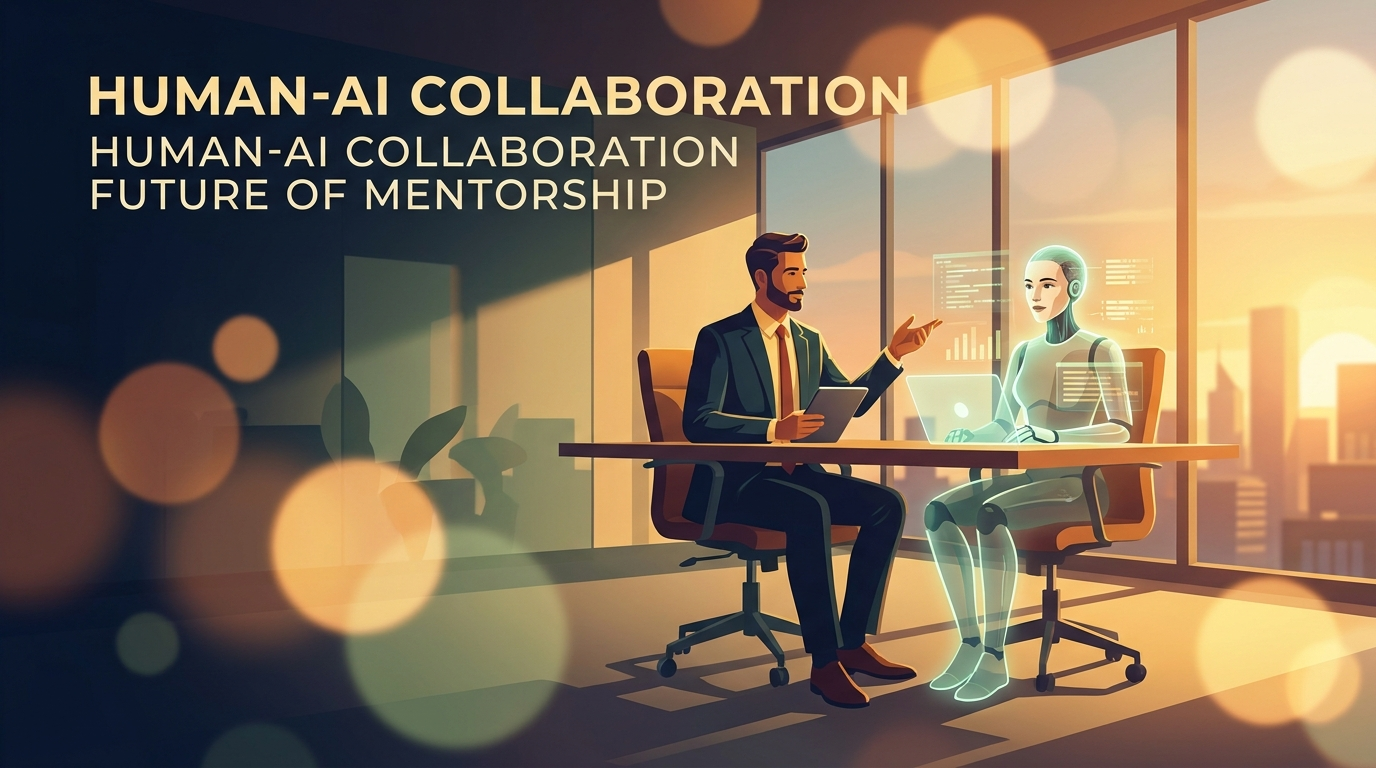
Implementing AI video tools into your curriculum is a straightforward process that prioritizes content over technical expertise. Follow these steps to create your first AI-powered training module:
- Define Your Learning Objectives: Start by outlining the key takeaways your students need to master. This will form the basis of your AI prompt or script.
- Select Your AI Avatar: Choose a digital presenter that matches the tone of your training. In 2026, platforms like Ryla.ai offer specialized AI influencers and professional avatars tailored for academic environments.
- Input Your Script or Data: Paste your lesson notes or use a V-RAG enabled tool to pull information directly from your verified textbooks or internal documents.
- Customize Visuals and Branding: Add background images, slide overlays, and your institution's logo to ensure the video aligns with your brand identity.
- Generate and Review: Click the generate button to render the video. Review the output for pedagogical flow and make any necessary text adjustments before final export.
- Distribute via LMS: Export your video in high definition or embed it directly into your Learning Management System (LMS) for student access.
Comparison of Leading AI Video Generators in 2026
With the market expanding rapidly, choosing the right ai video generator for education and training requires understanding the specific features offered by top-tier platforms. Below is a comparison of the most prominent tools used by educators this year.
| Platform | Key Educational Feature | Primary Strength | Latest 2026 Update |
|---|---|---|---|
| AWS V-RAG | Fact-Checked Video Gen | Eliminates AI hallucinations | Introduced V-RAG for production |
| Viddo AI | Business-Grade Rendering | Preferred for corporate training | Enhanced creator workflow tools |
| Ryla.ai | AI Influencer Avatars | High student engagement | Launched specialized AI influencers |
| G2 Hub Favorites | Ease of Use | Low learning curve for teachers | Updated "Top 7" list for 2026 |
The Role of V-RAG in Ensuring Educational Accuracy
One of the most significant breakthroughs in 2026 is the introduction of V-RAG (Retrieval Augmented Generation) for video production. As reported by Amazon Web Services (AWS) in March 2026, V-RAG revolutionizes how video content is generated by grounding the AI's output in specific, verifiable data sources. For education, this means the AI doesn't just "invent" facts to fill a script; it retrieves information from approved textbooks, research papers, or corporate manuals to build the video content.
This technology addresses the primary concern of educators: accuracy. When using an ai video generator for education and training equipped with V-RAG, an instructor can point the AI to a specific PDF or database. The resulting video will accurately reflect the nuances of that data, ensuring that students are not misled by the "hallucinations" that plagued earlier iterations of generative AI. This makes AI video a viable tool for complex subjects like medicine, engineering, and law.
Beyond accuracy, V-RAG allows for hyper-personalization. A training video can be generated on the fly to answer a specific student's question by retrieving the answer from the course's knowledge base and presenting it through an AI avatar. This level of responsiveness was previously impossible in a video format, marking a new era of interactive, data-driven pedagogy.
Improving Student Engagement with AI Avatars
Engagement is the cornerstone of effective learning. Traditional screen recordings or static presentations often fail to maintain student attention. However, 2026 research from BNO News highlights that AI avatar video generators significantly increase retention rates. These avatars provide a "human" element—eye contact, natural gestures, and emotive speech—that fosters a sense of connection between the learner and the material.
Scalability and Multilingual Training
For global organizations, the challenge of training a diverse workforce is immense. An ai video generator for education and training solves this by offering instant localization. You can create a master training video in English and, with a few clicks, generate versions in Spanish, Mandarin, French, and dozens of other languages. The AI ensures that the lip-syncing remains perfect across all languages, maintaining the professional quality of the instruction regardless of the region.
Best Practices for Implementing AI Video in Corporate Training
Corporate L&D (Learning and Development) departments are among the fastest adopters of AI video technology. To maximize the ROI of these tools, organizations should focus on micro-learning strategies. Instead of 60-minute training marathons, use AI to produce 3-to-5-minute "knowledge bursts" that are easy to consume and highly focused. This approach aligns with the preferences of the modern workforce and is easily supported by the rapid generation capabilities of 2026 AI tools.
According to Programming Insider, Viddo AI has become a preferred choice for businesses because it streamlines the workflow between content creation and business application. When implementing these tools, ensure that your internal data security protocols are met. Many 2026 platforms now offer "private cloud" options where your proprietary training data is used to ground the AI without ever leaving your secure network, protecting your company's intellectual property.
Finally, always include a human-in-the-loop (HITL) phase. While the ai video generator for education and training does the heavy lifting, a human subject matter expert should perform a final review. This ensures that the tone, branding, and subtle context of the training are exactly right. The goal is to use AI to augment human expertise, not replace the critical eye of an experienced educator.
The Future of AI-Driven Pedagogy
Looking ahead, the integration of AI video generators is only the beginning. We are seeing the emergence of "living" courseware—videos that update themselves automatically as new data becomes available. If a scientific discovery is made or a new law is passed, the AI-integrated curriculum updates its own video segments to reflect the change, ensuring that students always have access to the most current information.
The 2026 guide to AI in education emphasizes that these tools are becoming more intuitive. Features like "text-to-emotion" allow creators to specify the mood of the presenter, making it possible to deliver sensitive training (like HR compliance) with the appropriate level of empathy, or motivational sessions with high energy. The barrier between digital and human instruction continues to blur, providing more effective outcomes for learners of all ages.
Is an AI video generator for education and training expensive?
In 2026, pricing has become very competitive, with many platforms offering "pay-as-you-go" models or affordable monthly subscriptions for educators. Compared to the thousands of dollars spent on traditional video production, AI generators offer a significant cost reduction, often costing less than $50 per month for individual teachers.
What is V-RAG in AI video production?
V-RAG, or Video Retrieval Augmented Generation, is a technology introduced by AWS and others in 2026 that links AI video generation to verified data sources. This ensures the content is factually accurate and eliminates the risk of the AI generating false information during the lesson.
Can I use my own voice for the AI avatars?
Yes, most leading 2026 AI video platforms allow for voice cloning. You can record a short sample of your own voice, and the AI will use it to narrate all your educational videos, maintaining a consistent and personal connection with your students.
How long does it take to generate a 10-minute training video?
With the processing power available in 2026, a 10-minute high-definition video can typically be generated in under 15 minutes. This is a massive improvement over traditional rendering times, allowing for near-instant content creation.
Are AI-generated videos accessible for students with disabilities?
Absolutely. Most ai video generator for education and training tools automatically include closed captions, transcriptions, and are compatible with screen readers. Some platforms even offer sign-language avatar overlays to improve accessibility further.



Comments ()