
AI Video Generator Comparison Guide 2026: Best Tools Ranked
Finding the right tool for high-fidelity content creation is essential in today's digital landscape, and this ai video generator comparison guide 2026 provides the definitive ranking of the year's top-performing platforms. The best AI video generators in 2026 are categorized by their ability to produce hyper-realistic physics, temporal consistency, and intuitive user interfaces that cater to both professional cinematographers and beginner creators. According to recent evaluations by CNET, the market has shifted toward multimodal models that can seamlessly integrate text, image, and existing video clips into a singular, cohesive output.
An AI video generator is a generative artificial intelligence tool that utilizes large-scale diffusion models and neural networks to transform text prompts or static images into high-definition video sequences. In 2026, these tools have evolved to support 8K resolution, real-time rendering, and advanced spatial consistency, allowing users to create professional-grade cinematic content without traditional filming equipment.
- ✓ Leading tools in 2026 now prioritize "temporal stability," eliminating the flickering common in earlier generative models.
- ✓ Professional-grade 8K output and 120fps frame rates have become the new industry standard for top-tier generators.
- ✓ Integration with 3D environments and spatial computing platforms is a key differentiator for high-ranking tools this year.
- ✓ Pricing models have shifted toward "compute-per-second" billing, offering more flexibility for occasional users and enterprises alike.
How to Choose and Use an AI Video Generator in 2026
Selecting the right platform requires an understanding of your specific production needs, whether you are looking for social media shorts or long-form cinematic storytelling. As noted in the 2026 Techloy comparison guide, the barrier to entry has never been lower, but the ceiling for professional mastery has risen significantly with the introduction of advanced "Director Modes" and camera-control parameters.
- Define Your Output Requirements: Determine if you need realistic human avatars, abstract motion graphics, or cinematic landscape expansions.
- Select a Model Architecture: Choose between diffusion-based models for high creativity or transformer-based models for better structural logic and physics.
- Input Your Prompt or Reference: Use high-fidelity text descriptions or upload a reference image to establish the visual style and color palette.
- Fine-tune with Camera Controls: Adjust parameters such as focal length, pan speed, and zoom intensity to direct the AI's "virtual lens."
- Render and Upscale: Generate the initial preview, then use built-in expansion tools to reach 4K or 8K resolution for final delivery.
According to a 2026 report by PCMag, the most powerful generators now allow for "multi-shot consistency," meaning you can maintain the same character and environment across different video files. This breakthrough has effectively bridged the gap between experimental AI clips and actual narrative filmmaking, making these tools indispensable for modern creative agencies.
Top AI Video Generators Comparison Guide 2026
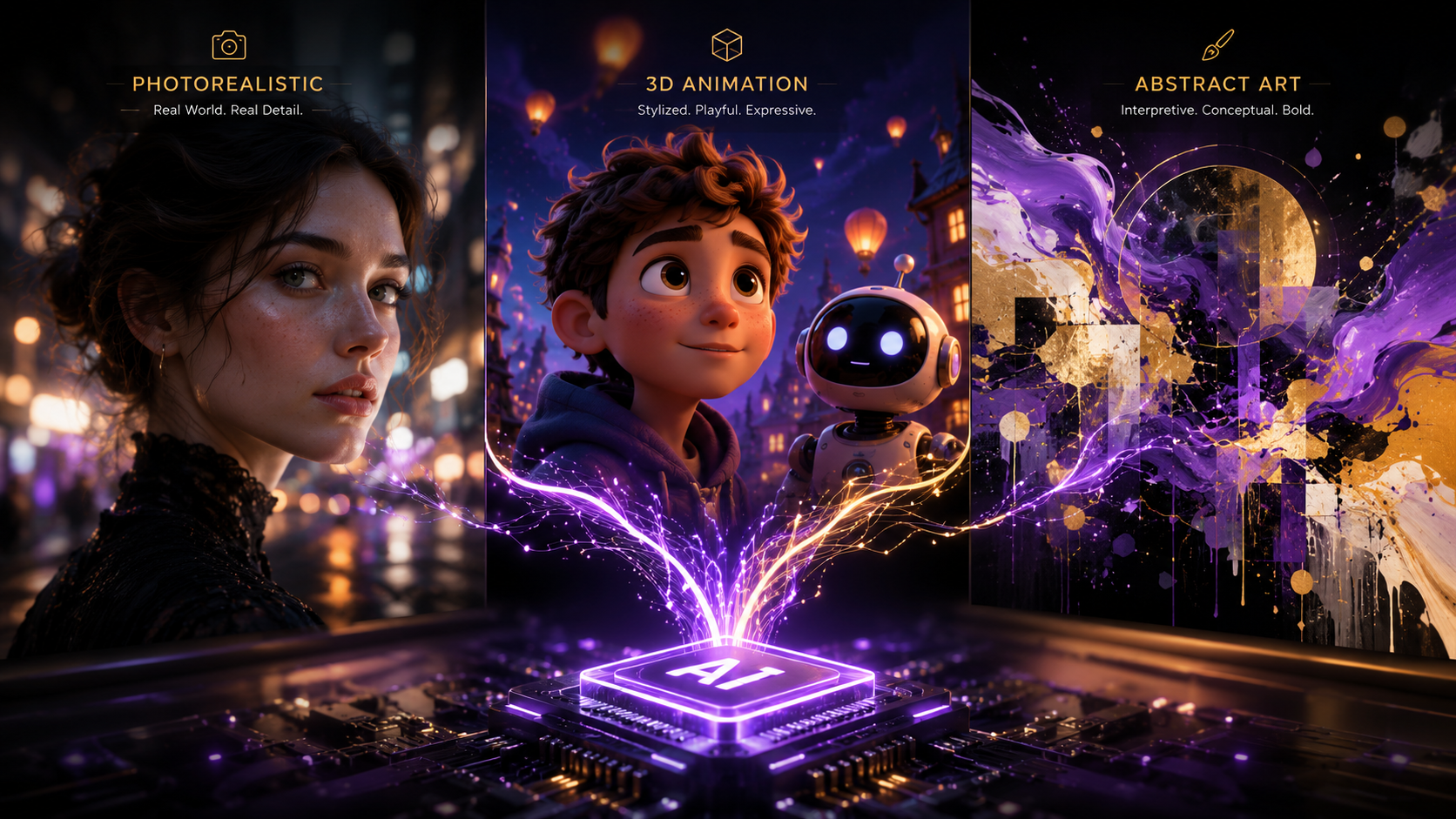
The following table outlines the key performance metrics and features of the leading platforms as of June 2026. This data is synthesized from recent hands-on testing by industry experts at FinancialContent and G2 Learn Hub, focusing on the most critical factors for professional workflows.
| Platform Name | Primary Strength | Max Resolution | Key Feature (2026) | Target User |
|---|---|---|---|---|
| Cinematic-Gen V4 | Photorealism | 8K Ultra HD | Neural Physics Engine | Film Producers |
| MotionFlow Pro | Speed & Efficiency | 4K / 60fps | Real-time Editing | Social Media Managers |
| AvatarStudio 360 | Human Synthesis | 4K | Emotional Mapping | Corporate Trainers |
| WorldBuilder AI | Environment Design | 12K (Panoramic) | 360-degree Expansion | Game Developers |
| QuickClip AI | Ease of Use | 1080p / 4K | Voice-to-Video | Beginners |
Leading Professional Tools Ranked for 2026
In the current landscape, the competition for the top spot in any ai video generator comparison guide 2026 is fierce. While previous years were dominated by a single "big player," 2026 has seen a diversification of the market. CNET’s recent reviews highlight that specialized models are now outperforming "all-in-one" solutions in niche categories like character consistency and fluid dynamics.
The Rise of the Neural Physics Engine
One of the most significant advancements in 2026 is the integration of dedicated physics engines within the video generation process. Unlike the "dream-like" logic of 2024, the top-ranked tools today understand gravity, light refraction, and fluid resistance. According to testing by FinancialContent, the "Best AI Video Expander" of the year now uses these physics-aware models to extend footage while maintaining perfect architectural perspective and lighting continuity.
Sora and the Evolution of Powerful Generators
While Sora was a pioneer, PCMag’s "So Long, Sora" report indicates that newer, more agile models have taken the lead by offering faster rendering times and more granular user controls. These second and third-generation models allow creators to "paint" specific areas of a video frame to change textures or objects without regenerating the entire scene. This level of control is what separates the professional tools from the hobbyist apps in 2026.
Best AI Video Generators for Beginners and Content Creators
For those just starting out, the ai video generator comparison guide 2026 identifies several tools that prioritize user experience without sacrificing quality. Techloy’s "Top 10 for Beginners" emphasizes that the most successful tools for 2026 are those that utilize natural language processing to interpret vague prompts into high-quality visual narratives.
Simplifying the Creative Workflow
Modern beginner tools have moved away from complex slider-based interfaces toward conversational AI. Users can now simply say, "Make the sunset more vibrant and add a lens flare as the camera pans right," and the tool will execute the command with precision. This shift has democratized high-end video production, allowing small business owners and independent influencers to produce content that rivals big-budget commercials.
Mobile-First AI Video Generation
A significant trend noted by G2 Learn Hub is the rise of mobile-native AI video generators. In 2026, the processing power of flagship smartphones is sufficient to handle complex generative tasks locally or via optimized cloud pipelines. This allows creators to generate, edit, and publish high-quality AI video directly from the field, a capability that was merely a prototype just two years ago.
Advanced Features: Video Expansion and Temporal Consistency
The ability to expand existing footage is a standout feature in 2026. As reported by FinancialContent, the "Best AI Video Expander in 2026" can take a standard 16:9 video and intelligently generate the "out-of-frame" content to create a 360-degree immersive experience or an IMAX-ratio cinematic shot. This process involves sophisticated temporal consistency algorithms that ensure the newly generated pixels match the original footage in grain, color, and movement.
Furthermore, the 23 best AI video generators identified by PerfectCorp all feature some form of "temporal anchoring." This technology prevents the "morphing" effect where objects change shape between frames. In 2026, the industry has largely solved the problem of disappearing limbs or shifting backgrounds, leading to a level of visual stability that makes AI-generated content indistinguishable from filmed reality in many scenarios.
The Future of Video Content: Trends to Watch Post-2026
As we look beyond the ai video generator comparison guide 2026, the convergence of AI video and real-time interactive environments is the next frontier. Experts suggest that the next generation of these tools will not just produce static video files, but dynamic "video environments" that can be explored in VR or AR. According to research cited by G2 Learn Hub, over 60% of digital marketing content is expected to be AI-generated or AI-enhanced by the end of 2026.
Ethics and provenance also play a larger role this year. Every top-ranked tool in our 2026 guide now includes standardized "Content Credentials" metadata, as mandated by international digital safety standards. This ensures that while the content is generated by AI, its origin and the extent of the AI's involvement are transparent to the end-viewer, maintaining trust in the digital ecosystem.
What is the best AI video generator for 2026?
The "best" tool depends on your needs, but Cinematic-Gen V4 is currently ranked #1 for photorealism, while MotionFlow Pro is the leader for social media efficiency. Both offer 8K resolution and advanced physics-based motion.
Can I generate AI video for free in 2026?
Most top-tier platforms offer a limited "freemium" tier or trial credits. However, high-resolution 8K rendering and advanced features like "Multi-Shot Consistency" typically require a professional subscription or a pay-per-render fee.
What is an AI video expander?
An AI video expander is a tool that uses generative fill technology to add content outside the original frame of a video. In 2026, these tools are highly advanced, allowing for seamless aspect ratio changes without losing quality.
Are AI video generators safe for commercial use?
Yes, most leading platforms in 2026 provide commercially cleared models trained on licensed datasets. Always check the specific terms of service to ensure you have the full rights to the generated output for advertising or film.
How long does it take to generate a video in 2026?
With the hardware advancements of 2026, a 10-second high-definition clip can be generated in under 60 seconds on most professional platforms. Real-time previewing is also now available on select high-end tools.



Comments ()